The energy performance of passive houses compared to standard homes
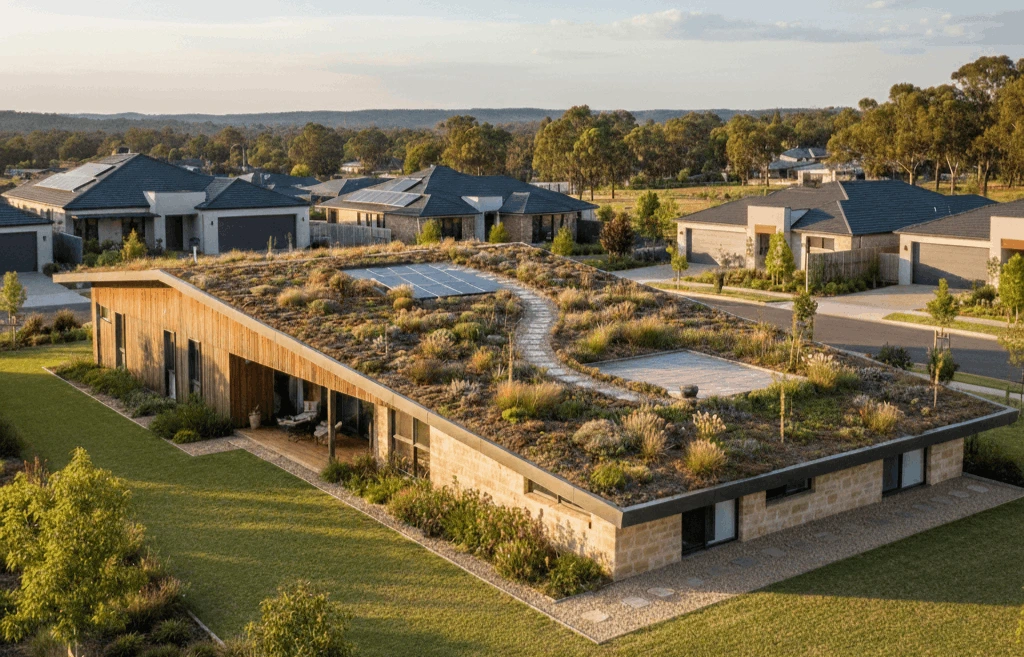
Rising energy costs and growing environmental concerns have meant that energy efficiency has become an important consideration for Australian homeowners. In the search for a more cost-effective, sustainable home, you might consider a passive house.
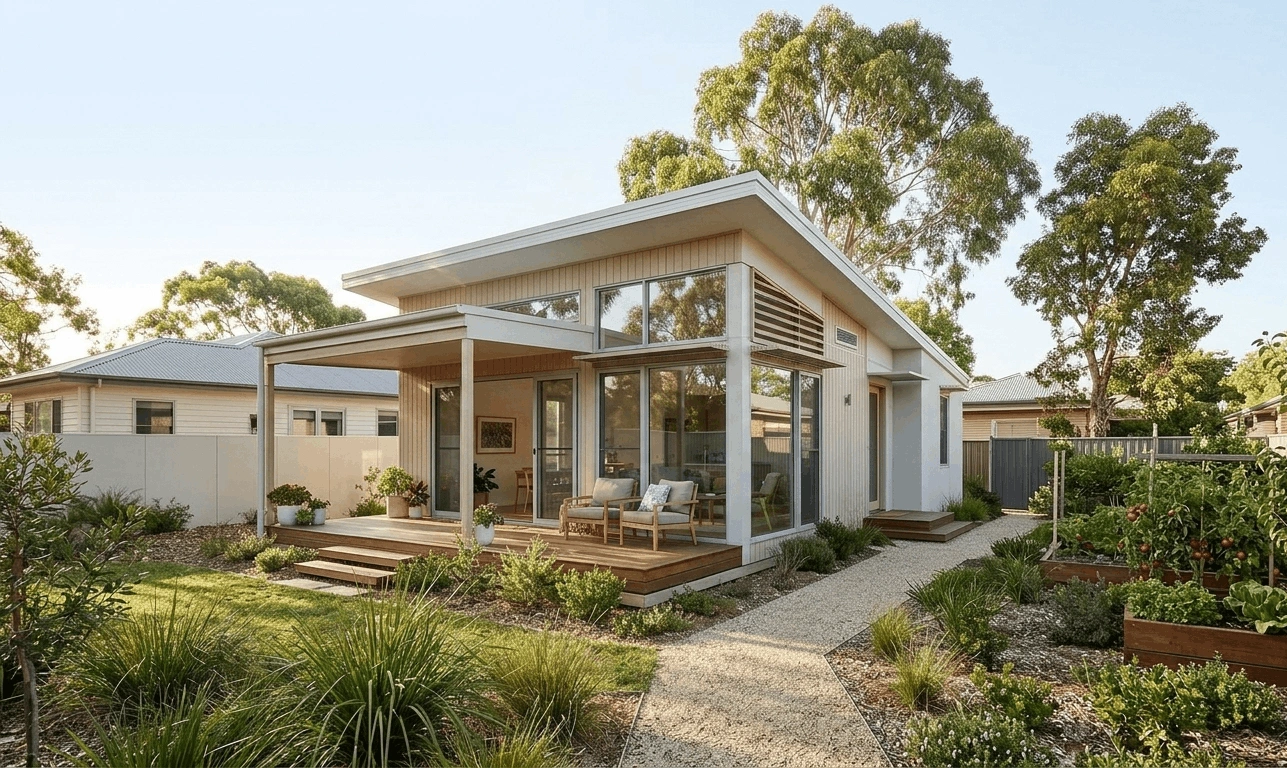
These homes are designed to maintain a stable indoor temperature with minimal energy use, offering a noticeable difference compared to standard homes.
What is a passive house?
In simple terms, it’s a building standard that results in ultra-low energy buildings, which require very little energy for heating or cooling. This is achieved through a rigorous passive building design process that focuses on insulation, airtightness, high-performance windows, thermal bridge-free construction and a mechanical ventilation system with heat recovery (MVHR).
The result is a home that maintains a comfortable indoor temperature year-round with minimal reliance on active heating and cooling systems.
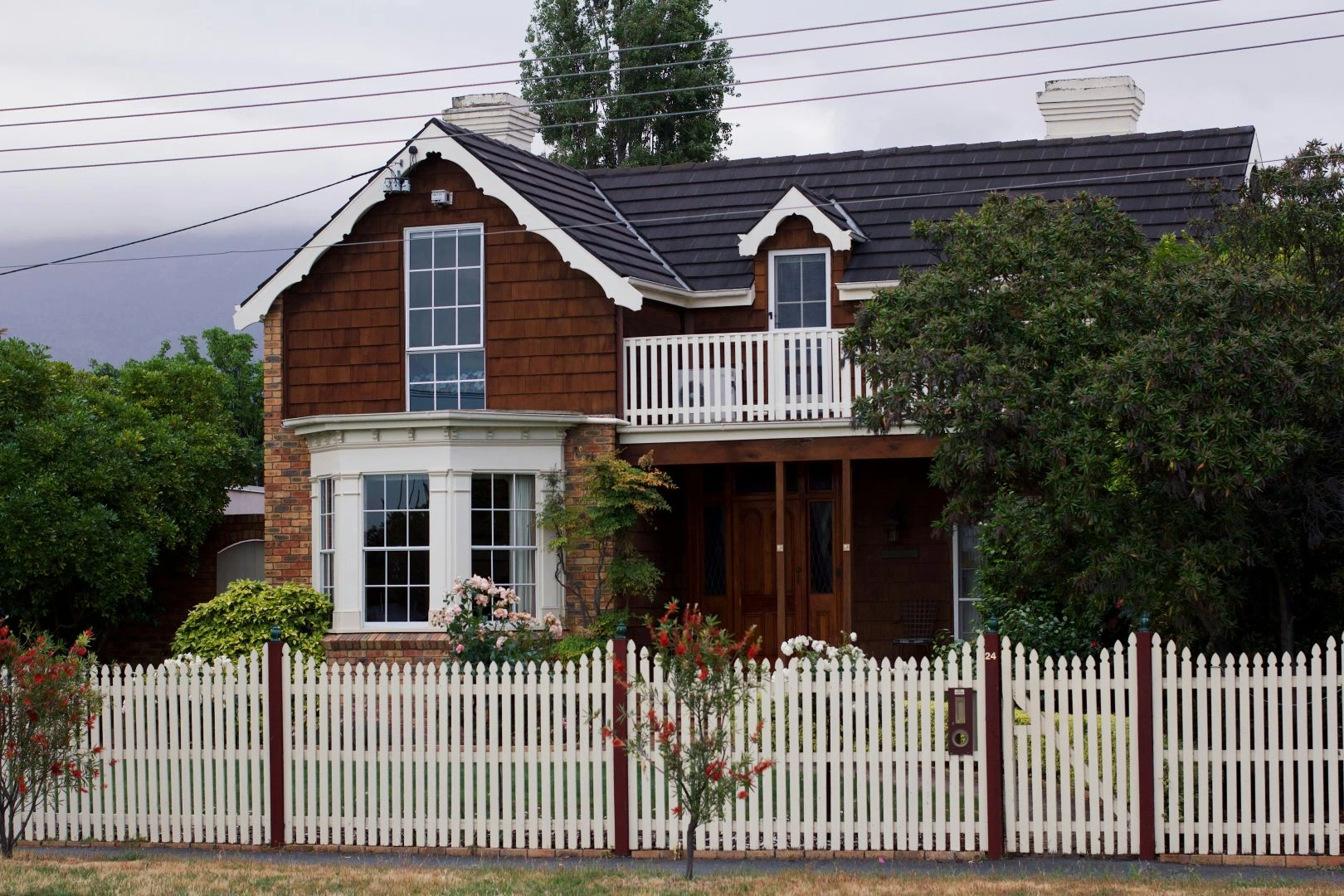
This is a stark contrast to the traditional Australian home, many of which are notoriously leaky. Gaps around windows and doors, poorly insulated walls and roofs, and a general lack of attention to airtightness mean that conditioned air – whether heated in winter or cooled in summer – easily escapes. This forces heating and cooling systems to work overtime, consuming large amounts of electricity or gas and contributing significantly to greenhouse gas emissions.
Energy performance compared to standard homes
The Australian Energy Regulator’s 2020 Residential Energy Consumption Benchmarks report highlights how much power a typical household uses each year, and the difference is striking when compared to a passive design house.
Energy use varies across the country, largely due to climate. Tasmanians have the highest average annual electricity consumption at 8,619kWh, mainly because heating is needed during cold winters.
In contrast, Victorians consume almost half as much at 4,615kWh. In Western Australia, households use around 5,198kWh per year, while the Northern Territory sees higher usage at 8,500kWh, driven by heavy reliance on air conditioning to manage the hot climate.
In capital cities, household size affects electricity consumption. Smaller households generally use less, but per-person energy use can still be significant. For example, a three-person household in Hobart consumes around 6,171kWh annually, while in Melbourne, a three-person household uses closer to 5,077kWh. Larger households can see energy use rise by 60–65% compared to single-person households, depending on climate and location.
A passive home building approach addresses these variations by relying on high-quality insulation, airtight construction and controlled ventilation. Unlike standard homes, which depend heavily on heaters or air conditioners, passive house designs minimise energy use while maintaining a comfortable indoor temperature.
Homes built to passive building design standards typically consume a fraction of the electricity of conventional homes, even in regions with extreme climates. A certified passive house in Australia uses up to 90% less energy for heating and cooling compared to a typical home.
A passive house design in a cold climate like Hobart would significantly reduce the energy needed for heating, bringing consumption down to a fraction of the 8,784 kWh average. Similarly, a passive house design in a hot climate like Darwin would drastically cut air conditioning use, making the 8,500 kWh average a thing of the past.
The result is a home that not only lowers energy bills but also reduces environmental impact. By adopting the principles of passive house designs in Australia, homeowners can achieve consistent indoor comfort while dramatically cutting electricity use compared to standard homes, regardless of climate or household size.
Comfort and indoor air quality
Energy performance is only part of the story. Homes built with passive home building principles provide superior comfort and air quality. Airtight construction and controlled ventilation mean that drafts, condensation and cold spots are eliminated. Fresh air is continuously circulated while retaining heat, which contributes to a healthier indoor environment.
Standard homes often struggle with these issues, especially in older buildings where insulation and sealing are inadequate.
Longevity and value
Investing in a passive design house can increase the long-term value of a property. Data from Domain’s Sustainability in Property 2025 report shows that energy-efficient (EE) houses in Australia sell for 14.5% more than comparable non-EE homes, equivalent to an average uplift of $118,000. Regional areas often see even higher premiums, with EE houses in regional markets selling for 21.3% more.
Reduced energy costs and enhanced comfort make these homes desirable, while durable construction materials and careful design reduce maintenance requirements. Moreover, as energy prices continue to rise, homes built with passive house designs will offer ongoing savings that standard homes cannot match.
Finding the right passive house builders in Australia
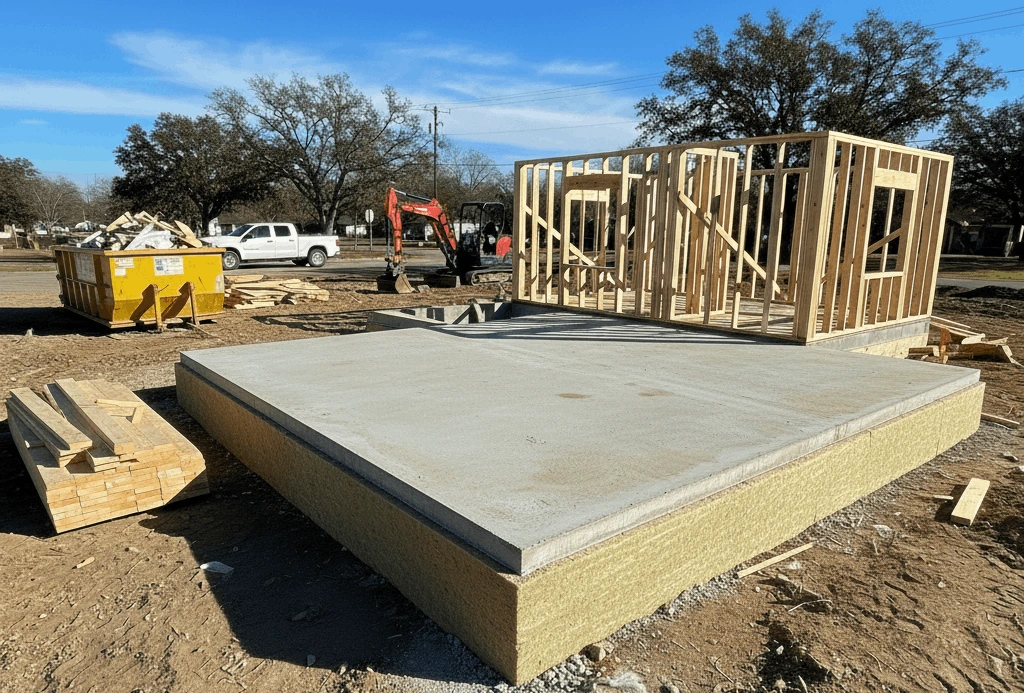
Building a passive house requires skilled tradespeople who understand the principles of passive design. Even small mistakes during construction, such as gaps in insulation, poorly sealed windows or incorrectly installed ventilation systems, can compromise energy efficiency and indoor comfort.
Engaging builders, carpenters, plumbers and electricians with experience in passive house construction is essential. Certified passive house consultants can also provide guidance and perform quality checks throughout the build. This expertise ensures that airtightness, high-performance windows and ventilation systems are installed correctly, maximising energy savings and helping the home perform as intended.