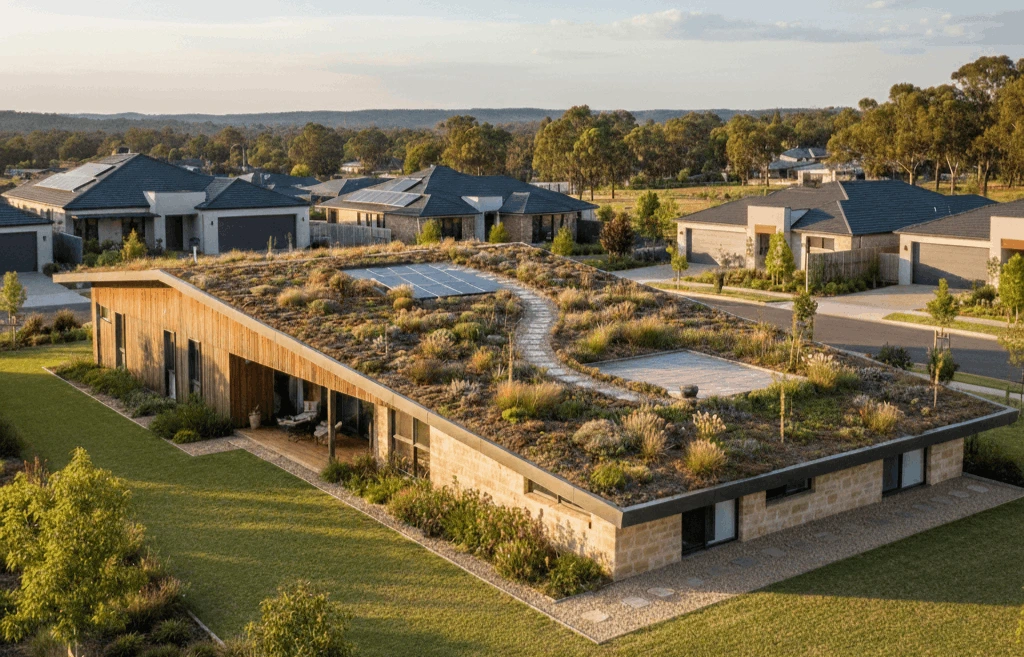
The best passive house windows for Australian conditions
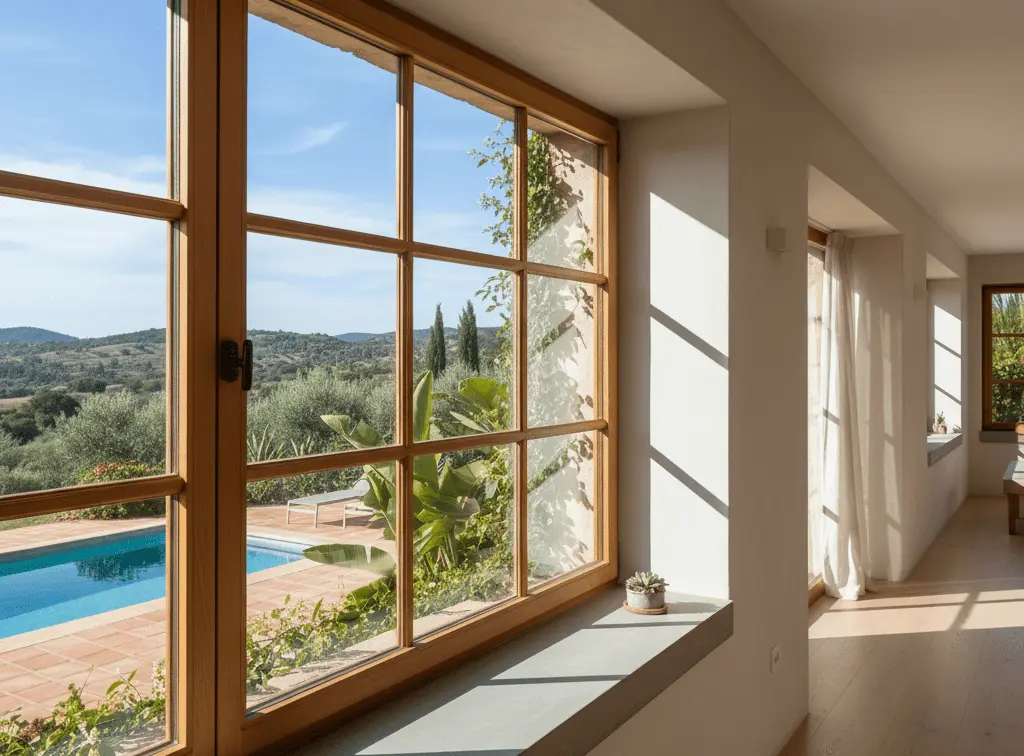
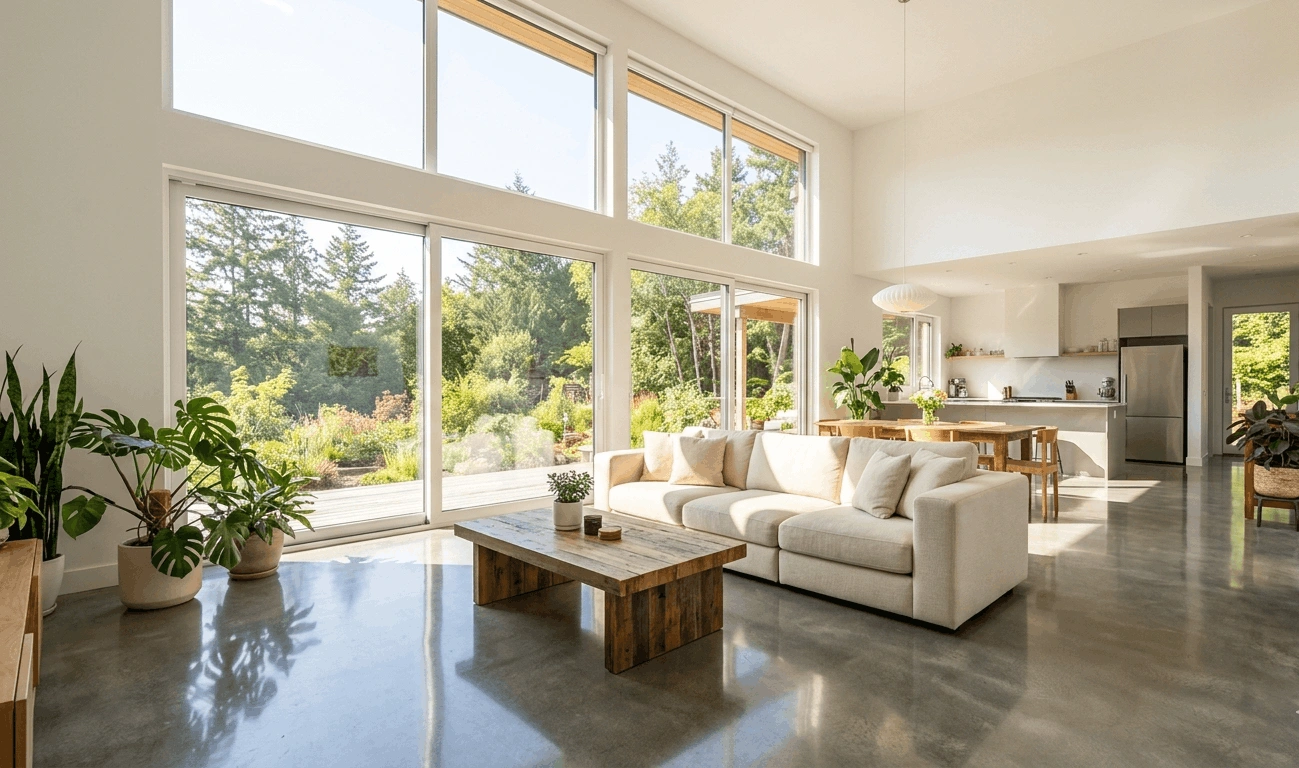
Windows are one of the most important elements when it comes to passive houses in Australia. They play a critical role in controlling heat, light and airflow while maintaining comfort inside the home. Choosing the right windows for a passive house design can make a significant difference in energy efficiency, noise reduction and overall livability.
In passive home building, windows must meet specific performance standards. They need to minimise heat loss in winter, prevent overheating in summer and work in harmony with the building’s insulation, orientation and shading.
Windows and the five passive house principles
The passive house standard is built on five key principles, and windows play a role in meeting several of them. To achieve the rigorous performance levels set by the Passive House Institute, you must consider the following elements of a window:
Superior insulation
Windows are measured in U-Values. This is the measure of thermal conductivity (the inverse of the R-value, which is a measure of thermal resistance). It tells us how readily the whole window units (glass and frame) conduct non-solar heat.
For thermal resistance, the higher the R-value, the better. For example, adding more insulation with more R-value in our roofs in our climate is a good thing. However, with U-values, the lower the number, the better.
For passive houses in Australia, you’re looking for whole-window U-values typically 0.80W/(m2k) or less. This level of insulation significantly reduces heat loss in winter and heat gain in summer, a critical factor for any passive design house.
Solar heat gain control
The Solar Heat Gain Coefficient (SHGC) measures how much heat from direct sunlight passes through the window. It’s a number between 0 and 1. While low SHGC is generally desirable in hot climates, a clever passive building design will use orientation to its advantage. North-facing windows often benefit from a higher SHGC to capture winter sun and reduce heating needs, while east and west-facing windows should have a lower SHGC to limit unwanted summer heat. This orientation-specific choice is key to the overall energy balance of passive house designs.
Airtightness
A high-performance window must be able to seal incredibly well to prevent uncontrolled air leakage or draughts. The entire passive home building envelope must be ultra-airtight. The seals, locks and closing mechanisms on your windows must contribute to this airtight barrier. Features like tilt and turn windows or lift and slide doors are common choices among passive house builders in Australia as they provide superior sealing when closed.
Elimination of thermal bridges
A thermal bridge is an area of the building envelope that allows heat to transfer more quickly than the surrounding material. In windows, a non-thermally broken frame, such as a standard aluminium frame, creates a significant thermal bridge. For passive houses in Australia, frames can be made from low-conductivity materials, such as uPVC or timber, or must incorporate a robust thermal break if metal is used.
Quality of components
The glazing itself is usually double or, more commonly, triple-glazed. The spaces between the panes are typically filled with an inert gas like Argon for extra insulation. These separate the glass panes and dramatically reduce heat conduction around the edge of the glass unit, helping to avoid condensation. Additionally, Low-E coatings – thin, invisible layers – are used to reflect heat back into the house in winter or reflect it out in summer.
A common question for passive house builders and homeowners is whether triple glazing is necessary in the Australian climate.
In Australia’s cooler regions, such as Tasmania, or areas with a heating-dominated climate like Canberra or Melbourne’s outer suburbs, triple glazing is often the best path to meet the very low U-value requirement of passive house design. It offers the highest level of insulation, significantly reducing the demand for heating.
Triple-glazed windows will make the biggest difference in improving your overall NatHERS star rating.
However, in more temperate or mixed climates, it’s possible for highly specialised, high-performance double glazing to be used, especially when coupled with optimal orientation and external shading.
Popular window types for passive houses in Australia
Timber windows
Timber frames are natural insulators, making them ideal for passive houses in Australia. They are durable, easy to maintain and can be customised to suit the style of your home. Treated timber windows can perform well in both coastal and inland climates.
Aluminium windows with thermal breaks
Aluminium frames are strong and durable, but they conduct heat. To use them in a passive home project, a thermal break must be included. The thermal break – typically polyamide – prevents heat transfer through the metal frame.
uPVC windows
uPVC windows offer excellent thermal performance and low maintenance. They are resistant to moisture and UV, which makes them suitable for humid or coastal climates. Many passive house builders in Australia use uPVC frames for mid-range passive design houses because they balance cost, performance and durability.
Installation tips for passive house windows
Even the best-specified windows will underperform if poorly installed. Passive houses in Australia require careful attention to installation details, particularly air sealing and thermal bridging. The window frame must be properly positioned within the insulated wall build-up, and all joints must be comprehensively sealed.
Passive house builders in Australia typically use specialised tapes, membranes and sealants to create continuous air and weather barriers around window openings.
Ensure your passive home builder:
- Uses airtight seals around all frames
- Includes thermal insulation between the frame and the wall
- Tests for draft and water penetration
- Considers shading and orientation for solar gain
This installation precision is what separates passive building design from conventional construction. Correct installation will maximise energy efficiency and ensure your home maintains comfort in all seasons.
Frequently Asked Questions
Not always. While triple glazing is common in cooler climates, many Australian passive house designs successfully use high-performance double glazing, particularly in temperate and warm zones. The key is meeting the overall energy performance target rather than blindly using triple glazing. Passive house builders will model your specific design to determine whether double or triple glazing is most appropriate for your climate, orientation and budget.
The best non-conductive frame materials for achieving the required thermal break and low U-value are uPVC and timber. uPVC is a popular and cost-effective choice for passive house builders because of its naturally low conductivity and durability. Timber frames offer a natural aesthetic and also have good thermal properties. Aluminium frames can only be used if they incorporate an extremely high-performance thermal break and are carefully selected to meet the stringent U-value targets.
Start by consulting your architect, building designer or Certified Passive House Designer/Consultant, as they'll have experience sourcing suitable windows. There are numerous suppliers worldwide, with more being added to the Certified Passivhaus Component database regularly. The Australian market is expanding as demand increases. It's worth noting that you don't have to use certified passive house windows, but their specifications and data must be available for thermal modelling purposes.