Sustainable practices you can use during passive house building
Choosing building materials
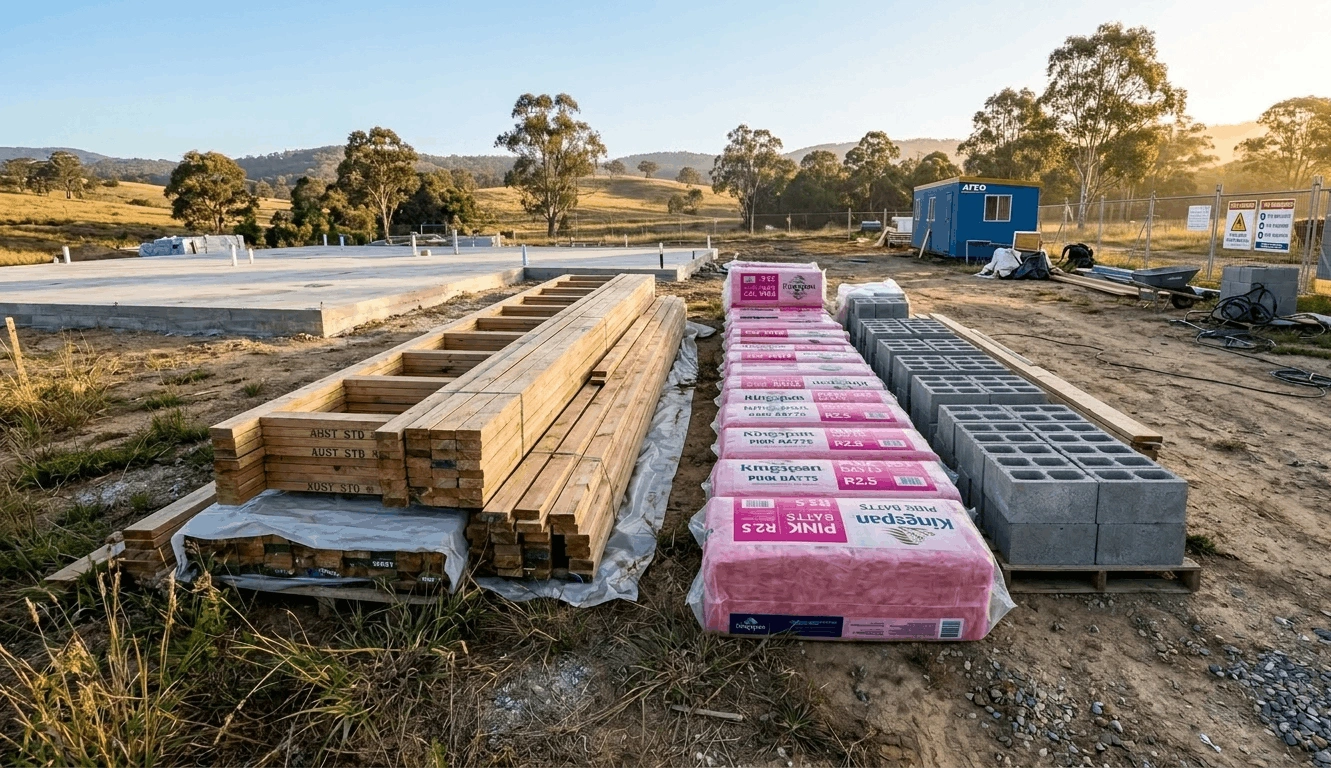
The foundation of sustainable construction is choosing the right materials. When designing a passive house, opt for low-embodied-energy products such as responsibly sourced timber, recycled steel and low-impact insulation. Materials with minimal chemical emissions also support healthy indoor air quality, a key aspect of passive house design in Australia.
Additionally, buying locally reduces transport emissions and supports local businesses. Australian-made materials travel shorter distances. Passive house builders should look at the full supply chain when selecting products, understanding that a locally made product might be a better choice than an imported alternative even if the manufacturing process uses more energy.
Using recycled materials keeps waste out of landfills and reduces demand for new resources. Recycled steel, reclaimed timber and products made from post-consumer waste all support environmental goals.
Reducing waste
Construction waste represents a significant environmental problem. Australian building sites produce a lot of waste annually, much of which could be avoided through better planning.
Building components in factories rather than on site reduces waste substantially. Wall panels, roof trusses and window assemblies built in controlled factory settings generate less waste than site construction. Off-cuts and defective materials can be recycled more easily in factories than on scattered building sites.
Protecting insulation, membranes and other high-value materials from damage avoids the need for replacements.
When renovating a passive house, many materials can be reused rather than discarded. Reusing timber, bricks, tiles and fittings reduces the volume of waste sent to landfill and lowers the environmental impact of the project.
You can also recycle these materials yourself by using them in other projects, such as garden structures, furniture or smaller home improvements, giving them a second life and further supporting the sustainability goals of passive houses in Australia.
Managing the building site
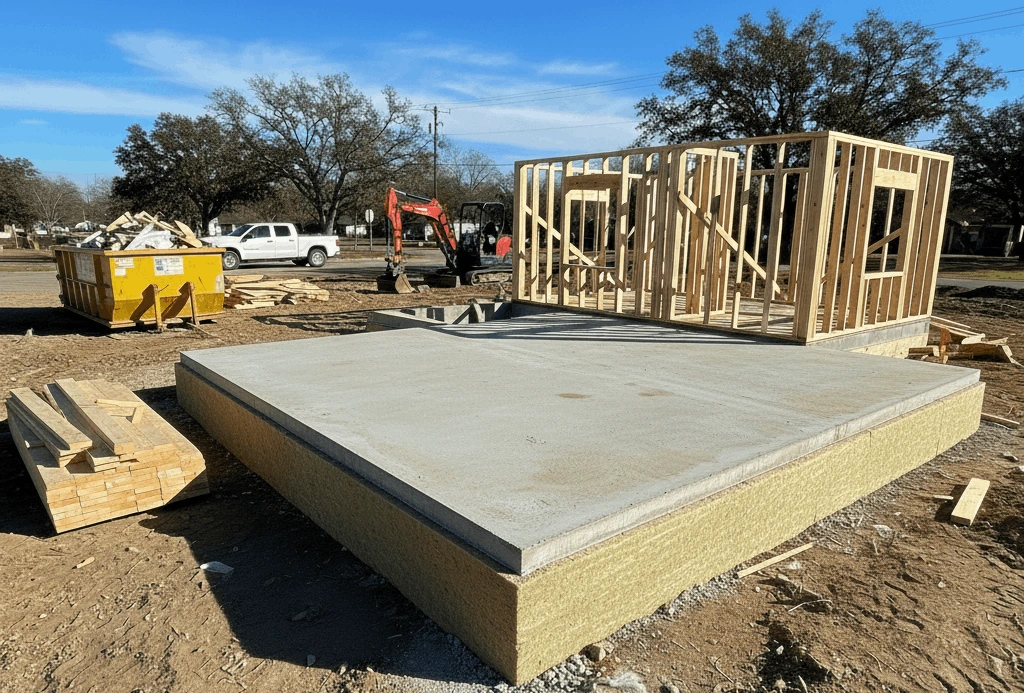
Sustainability on your project can also include the way your passive house builder in Australia manages the site during the construction process. This includes controlling erosion, using water wisely and limiting impact on neighbours and the local environment. Many passive houses in Australia are built on suburban blocks, so good site practices are important.
Protecting existing trees and plants keeps the local ecosystem healthy and reduces the need for extra landscaping. Mature trees and native plants provide shade, shelter for wildlife and help manage stormwater. Passive house builders should plan construction to preserve these plants whenever possible, keeping them in the final landscape.
Smart site planning and management also reduces vehicle movements and equipment running time. Coordinating deliveries, placing materials appropriately and maintaining clear access routes reduce unnecessary fuel use. These practices also improve productivity and safety.
Efficient planning reduces resource use and prevents delays. Delivering materials just-in-time avoids unnecessary storage or potential damage that can result in materials needing to be discarded. Scheduling tasks to minimise energy-intensive corrections, such as re-cutting or re-installing components, supports both sustainability and budget control.
Maintaining tools and equipment
Proper management of tools and equipment supports both efficiency and sustainability. Maintaining tools reduces fuel and energy use by keeping them in good working order. Sharing equipment between projects maximises utilisation and cuts the need for additional purchases.
It is also important you are using the right-sized equipment for each task, reducing energy consumption and avoiding unnecessary wear. Regular servicing prevents breakdowns and wasted materials, helping passive house builders in Australia maintain high-quality construction while supporting environmental goals.
Controlling dust and air quality
Controlling dust on site protects workers, neighbours and the local environment. Water spraying or misting can suppress dust, particularly during cutting or earthworks. Covering materials and work areas during windy conditions prevents dust spreading beyond the site.
Dust extraction on cutting and grinding tools also reduces airborne particles, supporting healthy air quality. These practices align with the careful attention to indoor air quality expected in passive house projects in Australia.