Passive houses and your electric vehicle
The federal government has released the first results under the New Vehicle Efficiency Standard (NVES). According to the report, the 2025 targets were met, helped by an increase in the range of zero and low-emission vehicles available in Australia. More than 100 electric vehicle (EV) models are now on the market.
However, the figures also show a challenge ahead. EVs made up just 8.3% of new vehicle sales in 2025. Targets become much stricter each year and compliance will require more uptake of electric vehicles across the country.
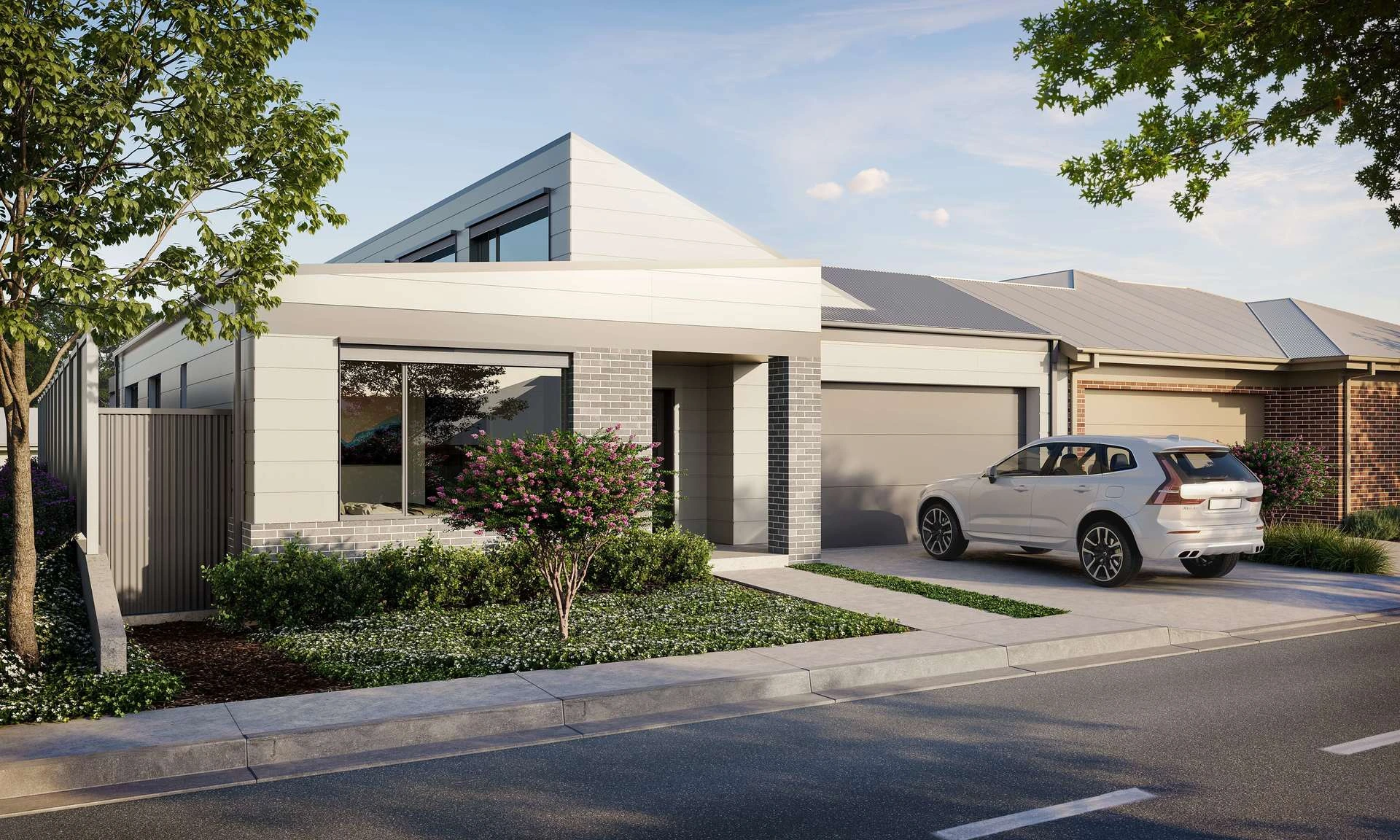
If more Australians are expected to drive EVs, homes need to be ready to accommodate charging stations. This is where passive houses come into the conversation.
Why home charging matters
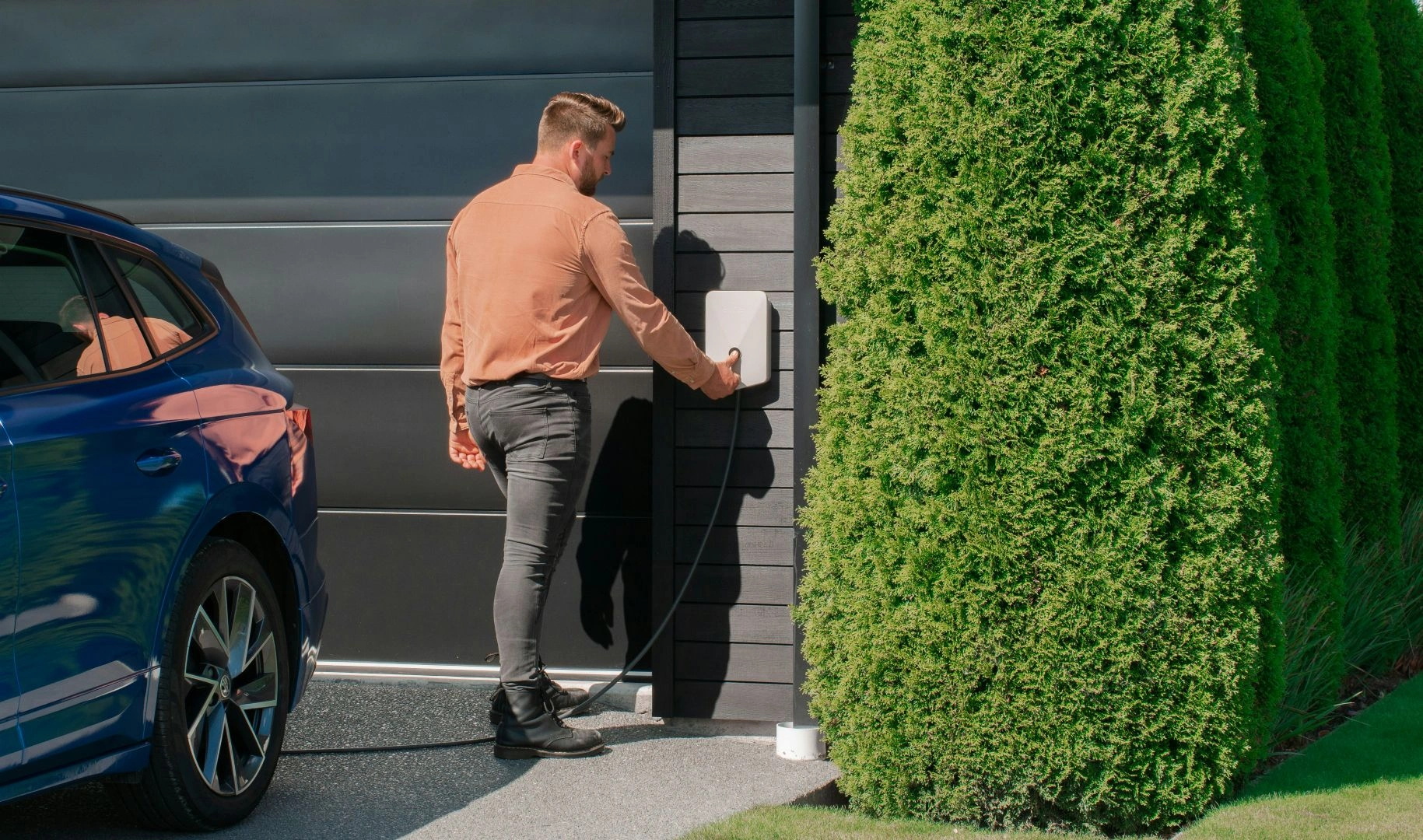
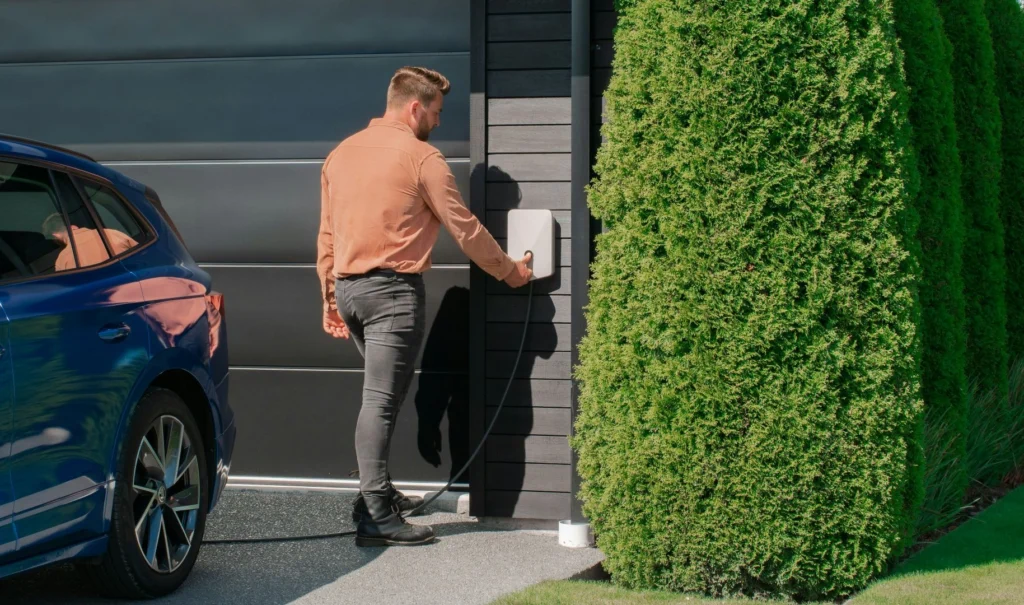
Many EV owners charge at home. Public charging networks are growing, but daily convenience comes from plugging in overnight. For many households, this means upgrading electrical systems and thinking carefully about energy use.
A home built using passive house design is already focused on efficiency. Heating and cooling demand is low. Energy bills are reduced. This creates spare capacity that can support electric vehicle charging without overloading the household system.
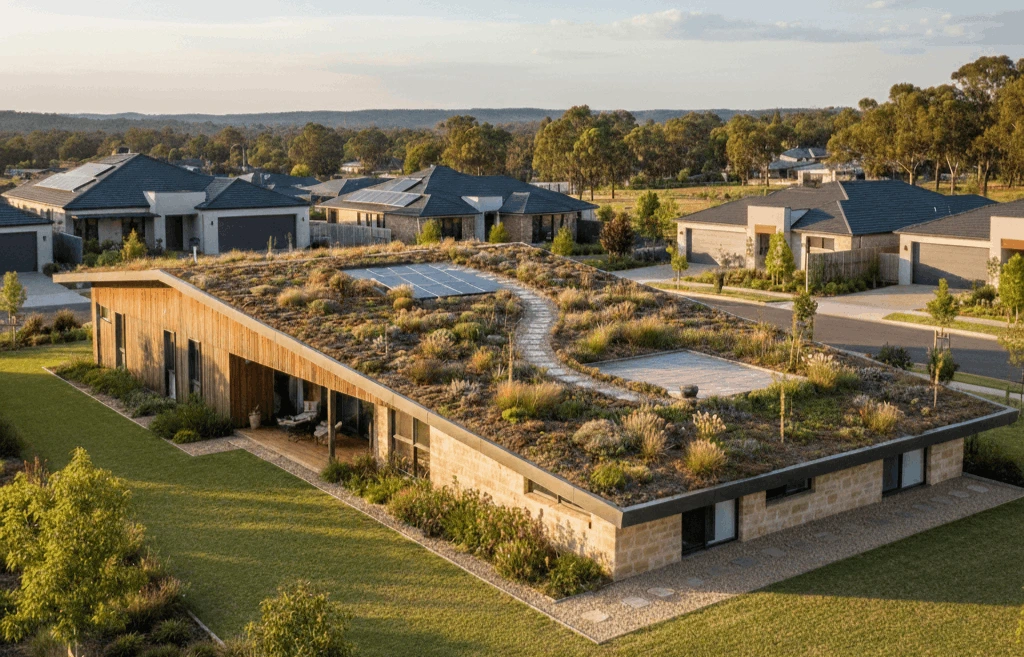
This relationship becomes even more attractive when you combine passive house design with rooftop solar, as is standard in many passive houses in Australia. Solar generation during the day can power both the home and provide energy for vehicle charging.
Planning for EV charging during design
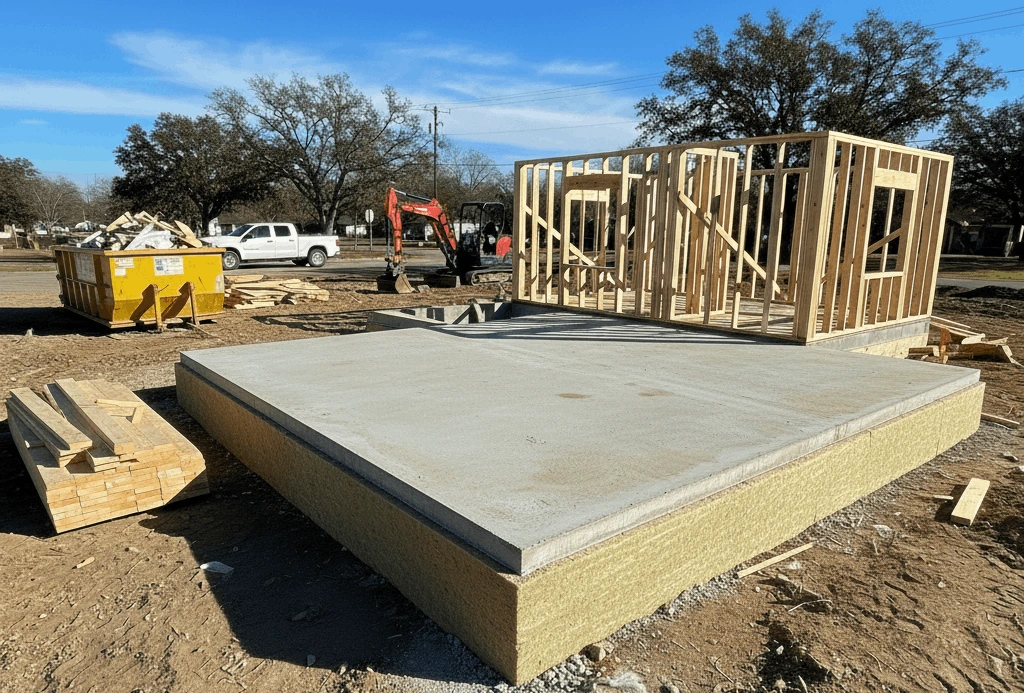
When designing a passive house, forward-thinking homeowners incorporate EV charging infrastructure from the outset. This will avoid costly retrofits and makes sure the electrical system has adequate capacity.
Passive house designers in Australia increasingly include EV charging as a standard consideration in their designs. Some even include the charging unit itself as part of the initial construction. This ensures proper integration with the home’s electrical system and allows the charger to be coordinated with solar generation and battery storage if present.
For instance, the garage or carport in passive house designs should be positioned for convenient access to your charging cable. North-facing carports can incorporate solar panels above parking areas, generating energy while the vehicle sits beneath.
Conduit and wiring should be rated for outdoor use where cables pass from the house to external parking areas. Passive house builders in Australia use weather-resistant materials and proper sealing to maintain the building envelope’s integrity where electrical services penetrate walls.
Load management and smart systems
The reduced heating and cooling loads in passive home building mean the electrical system rarely experiences peak demand. This makes adding EV charging straightforward without requiring expensive electrical upgrades. Traditional homes often need switchboard upgrades and additional capacity to handle the combination of items like air conditioning with EV charging loads.
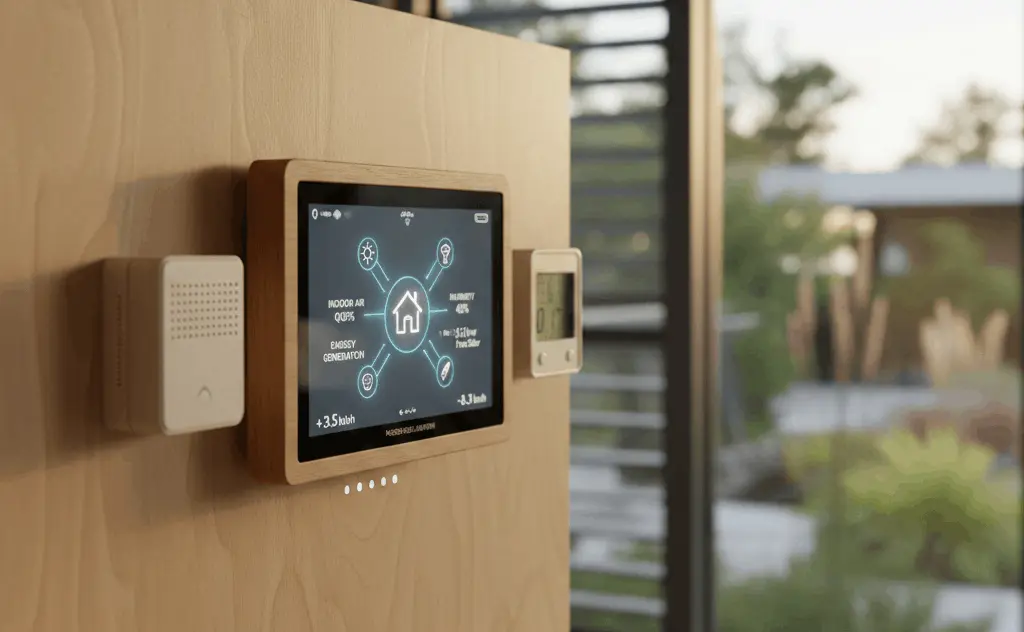
Smart home systems, which are common in passive houses in Australia, can manage energy flows between solar generation, battery storage, household loads and vehicle charging. These systems prioritise charging when excess solar is available, delay charging during peak rate periods and ensure essential household functions maintain priority.
Integration with future energy trends
Planning for EV charging in a passive house also helps future-proof your home. As the number of electric vehicles grows in Australia and government standards like the NVES become more strict, homes that are ready for efficient EV charging will be well positioned.
Passive houses are already designed with efficiency and energy performance in mind, making them ideal candidates for supporting future technologies. Homeowners can plan for multiple vehicles, faster chargers or even vehicle-to-home energy systems, which allow an EV battery to provide backup power to the home during peak demand or outages.
Forward-thinking passive home builders in Australia are already exploring these integrations so residents can enjoy a seamless, sustainable lifestyle while staying prepared for evolving energy and transport standards.
Long-term value
The combination of passive building design and EV charging infrastructure will likely increase your property’s appeal and value. As EVs become more common and energy costs rise, homes equipped to support efficient electric transport will command premium prices.
The infrastructure installed during initial construction has a service life of decades. The minimal additional cost during building is far less than retrofitting later, making it a worthwhile investment even for homeowners who don’t currently own an EV.