Passive house vs 10-star NatHERS homes:Whats the difference
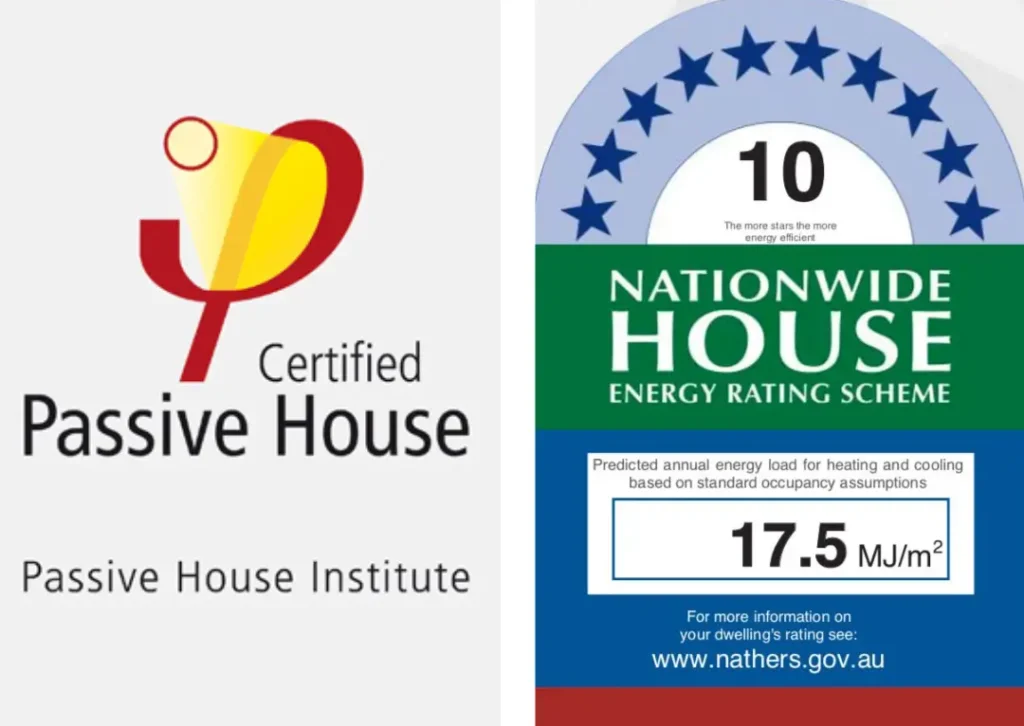
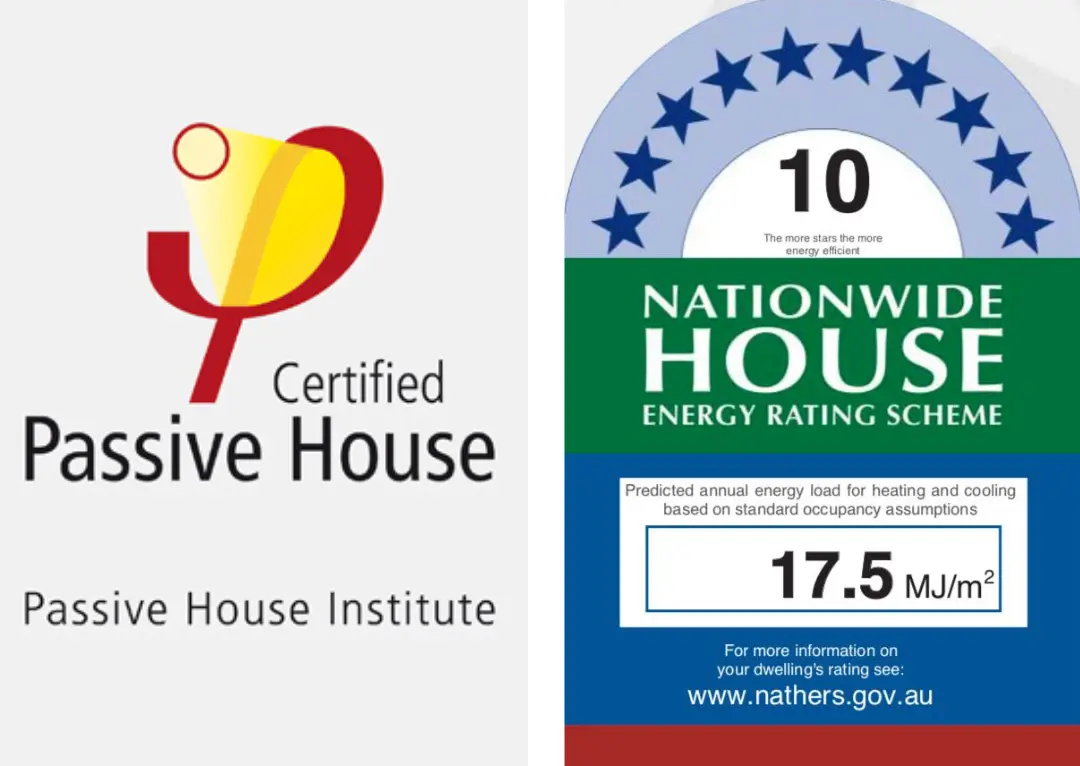
When planning a high-performance home in Australia, you’ll likely encounter two prominent standards: the passive house certification and the NatHERS (Nationwide House Energy Rating Scheme) 10-star rating.
Both represent excellent energy efficiency, but they take fundamentally different approaches to achieving comfortable, sustainable homes. Understanding these differences helps you make informed decisions when designing a passive house or pursuing a top-tier NatHERS rating.
What is a 10-star NatHERS rating?
NatHERS is Australia’s home energy rating system, assessing how much heating and cooling energy a home requires to maintain comfort. The scale runs from 0 to 10 stars, with 10 stars representing exceptional thermal performance requiring minimal heating and cooling. A 10-star NatHERS home focuses on reducing heating and cooling loads by improving insulation, glazing, orientation and shading.
Many Australian jurisdictions currently require new homes to achieve a minimum 7-star NatHERS rating, though some states are moving towards higher minimums. In some states, like Victoria, rental homes are also required to have certain levels of rating to ensure cost-effectiveness and comfort for tenants.
The NatHERS assessment uses computer modelling software to predict a home’s thermal performance based on climate data, building design, insulation levels, window specifications and air infiltration rates. The rating focuses specifically on the building’s thermal shell – its ability to maintain comfortable temperatures with minimal mechanical heating and cooling.
Unlike passive house design in Australia, achieving a 10-star rating does not require airtight construction or mechanical ventilation systems. It is primarily a predictive tool that informs homeowners and builders about potential energy performance.
What is a passive house?
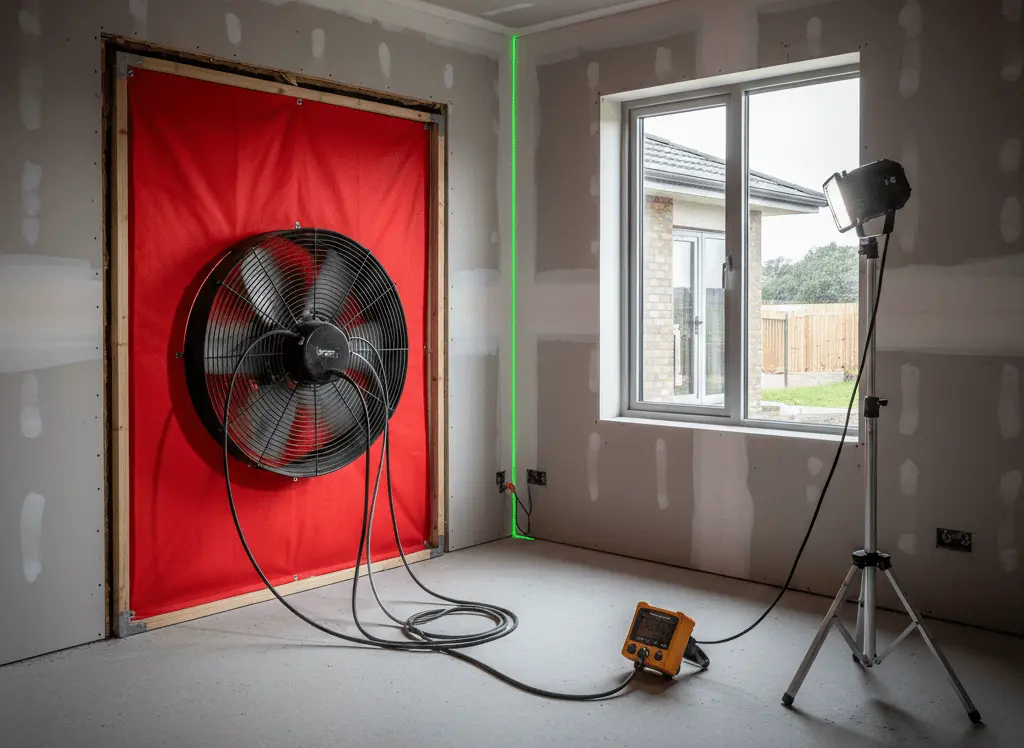
Passive house (or Passivhaus) design originated in Germany and is an internationally recognised building standard focused on exceptional energy efficiency, comfort and indoor air quality. Passive house designs must meet specific performance criteria, including maximum heating and cooling loads, total primary energy consumption and airtightness levels verified through blower door testing.
Passive house designs require buildings to achieve heating and cooling loads below 15 kilowatt-hours per square metre per year, total primary energy consumption under 120 kilowatt-hours per square metre per year and airtightness of 0.6 air changes per hour at 50 Pascals pressure. These are absolute performance targets rather than comparative ratings.
Key differences between passive houses and 10-star NatHERS homes
Performance vs rating
A passive design house is defined by actual performance standards, verified through rigorous testing like blower door tests for airtightness. NatHERS ratings are predictive – they show potential performance based on design features, not measured outcomes.
Airtightness and ventilation
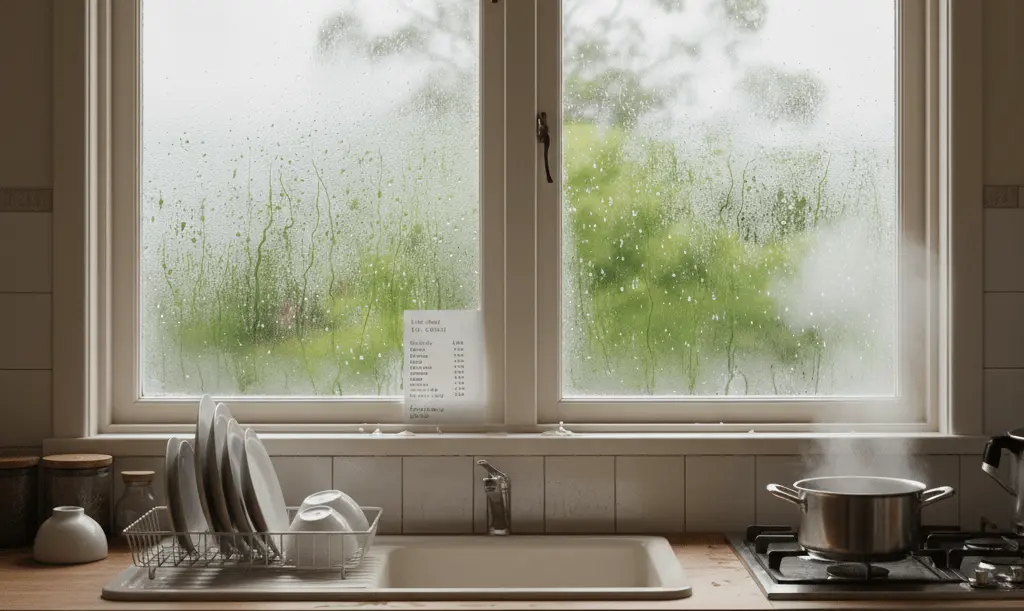
A key feature of passive house designs is an airtight envelope combined with mechanical ventilation with heat recovery (MVHR). This ensures consistent indoor air quality and humidity control. 10-star NatHERS homes do not require MVHR or airtightness to the same degree. Natural ventilation can be used instead, which may lead to inconsistent temperature and moisture control.
Energy use targets
Passive house designers in Australia create homes to meet strict energy consumption limits. A 10-star NatHERS home aims for a high rating, but energy use can vary depending on occupant behaviour, equipment choices and system operation. Passive houses emphasise measured, predictable results.
Construction detail
Passive home builders pay careful attention to thermal bridging, insulation continuity and high-performance windows. The materials and construction techniques are part of the certification. For 10-star NatHERS homes, similar principles may be applied, but the level of detail is generally less stringent, and certification does not require post-construction testing.
Indoor comfort
Passive house designs provide a stable internal environment with even temperatures and high air quality. NatHERS-rated homes improve comfort through insulation and design, but they may still experience temperature fluctuations in extreme weather. This distinction is significant for homeowners looking for maximum thermal comfort and low energy bills.
Cost considerations
Achieving a 10-star NatHERS rating typically costs less than building a certified passive house. The modelling-only assessment is cheaper than the combined modelling and testing approach of passive house design. Passive house designs require higher-specification windows, more rigorous construction detailing and mandatory testing, increasing both design and construction costs.
However, the verified performance and comprehensive energy efficiency often provide greater long-term value. Over time, the significantly lower energy use in a passive design house will translate into substantial savings on heating, cooling and electricity bills. These ongoing reductions can offset the higher upfront investment, meaning that a passive house not only delivers predictable comfort but also outperforms a 10-star NatHERS home in lifetime cost efficiency.
Choosing between a passive house and a 10-star NatHERS home
For many Australians, a 10-star NatHERS rating is achievable within standard building practices, especially with careful orientation, insulation and window selection. It provides good energy performance and can help reduce energy bills while improving comfort.
Opting for a passive house in Australia will involve a higher upfront investment, often through specialised materials, ventilation systems and expertise from certified passive house designers and builders. But, the benefits include long-term energy savings, predictable performance, superior indoor air quality and the potential for passive house certification.
Passive house certifiers in Australia can guide homeowners on achieving certification, helping to ensure every element of the design meets strict standards.
The choice often comes down to priorities: budget, energy goals and comfort expectations.
Frequently Asked Questions
In theory, a 10-star home can come close to passive house energy use, but without airtight construction, MVHR and rigorous verification, performance can be inconsistent. Passive house designers in Australia ensure predictable results.
Yes, passive home building typically involves higher upfront costs due to specialist materials, ventilation systems and certified construction. However, energy savings and comfort gains can offset these costs over time.
Yes. Passive house certification requires the expertise of trained passive house and designers in Australia to ensure every element of the building meets the performance criteria.