Passive house features that reduce bushfire risk
Airtight construction
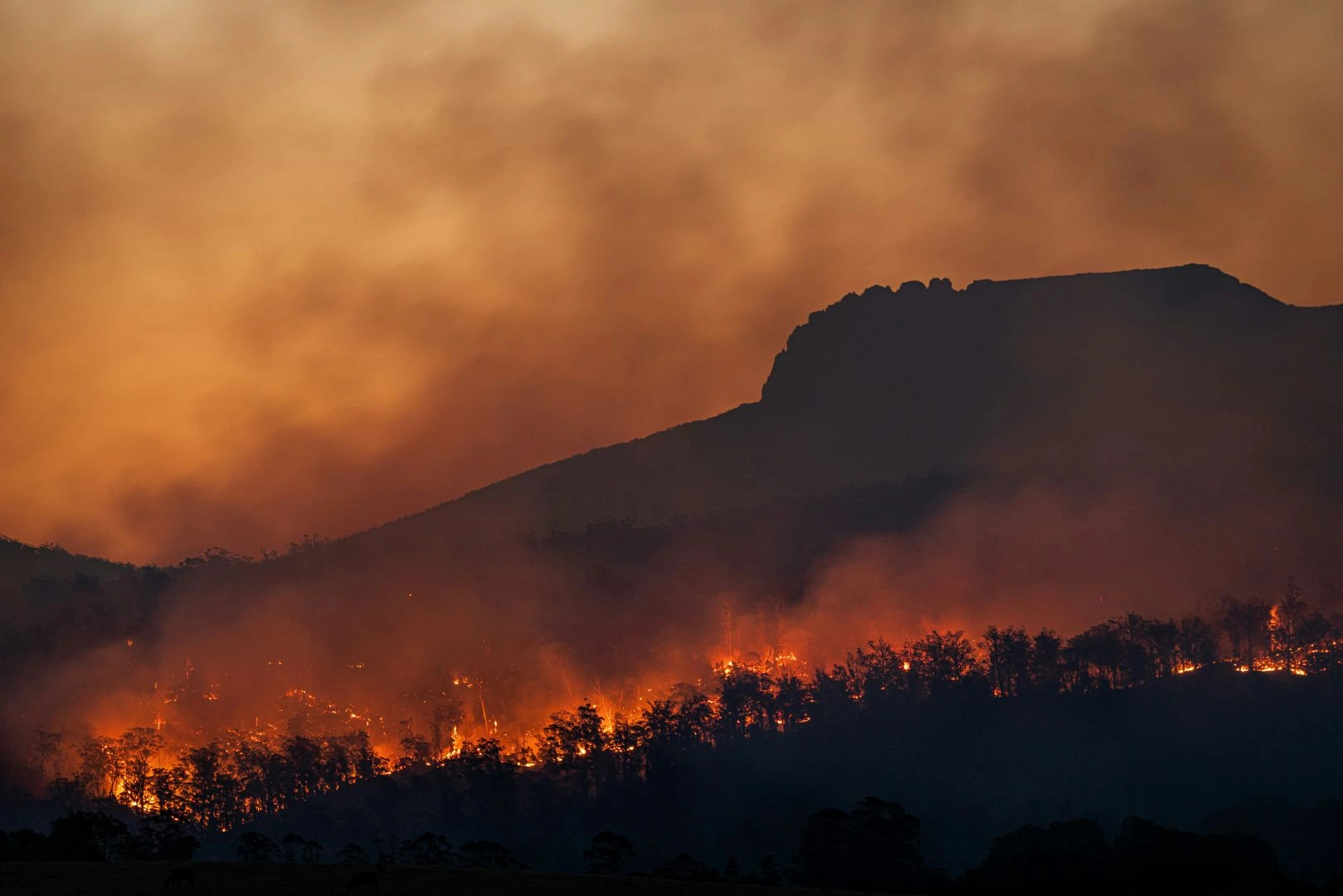
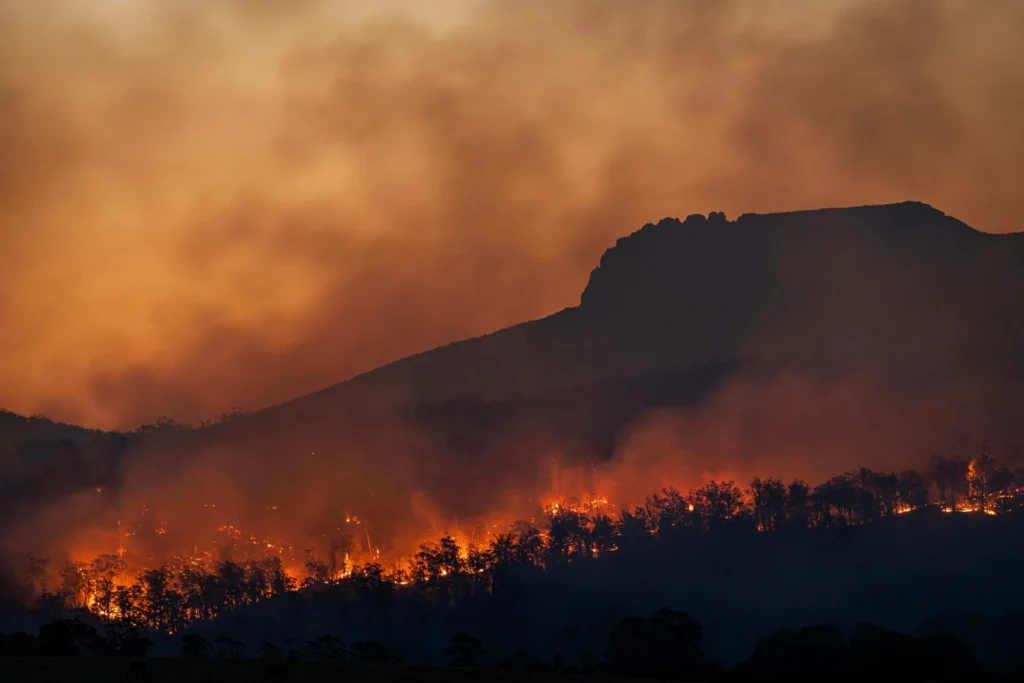
A central principle of passive building design is creating an airtight envelope. Embers can travel kilometres ahead of a fire front, entering buildings through gaps and igniting materials inside.
The comprehensive sealing of the building envelope required to achieve airtightness in a certified passive house means every potential gap, crack and penetration is sealed with appropriate materials. In addition to improving energy efficiency, airtight construction reduces the likelihood of sparks and smoke entering the home during a bushfire.
Limiting smoke infiltration not only protects the structure but also helps maintain healthy indoor air quality for residents, which is especially important for older people or those with respiratory conditions.
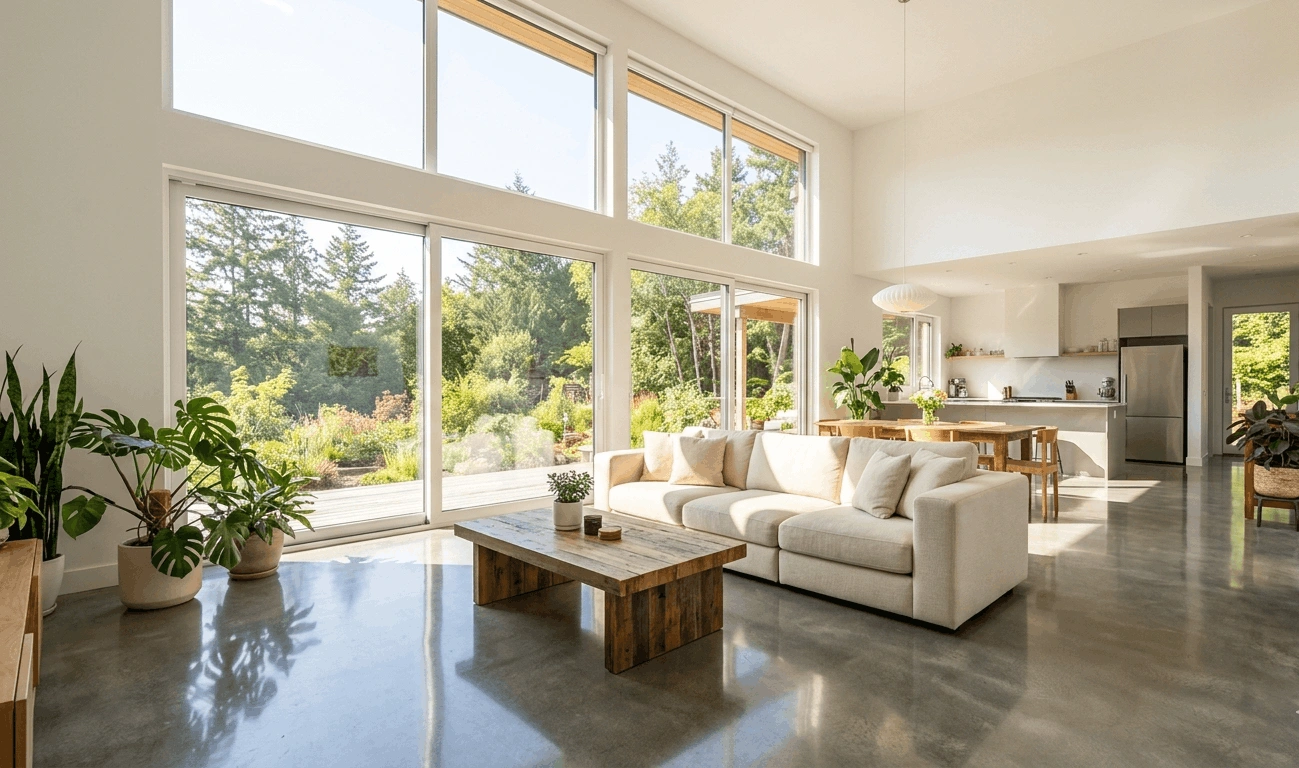
High-performance windows and doors
Windows and doors can be weak points during bushfire events. Passive house designs in Australia typically use triple-glazed windows with insulated frames that resist heat transfer. This helps prevent temperature changes for passive house purposes but can also reduce fire risk.
Fire-rated shutters or external screens can be added in bushfire-prone areas to provide extra protection.
Keeping windows closed is also part of passive home building principles. Mechanical ventilation systems allow fresh air without opening windows, meaning residents do not need to compromise airtightness or let smoke or embers inside.
Ventilation
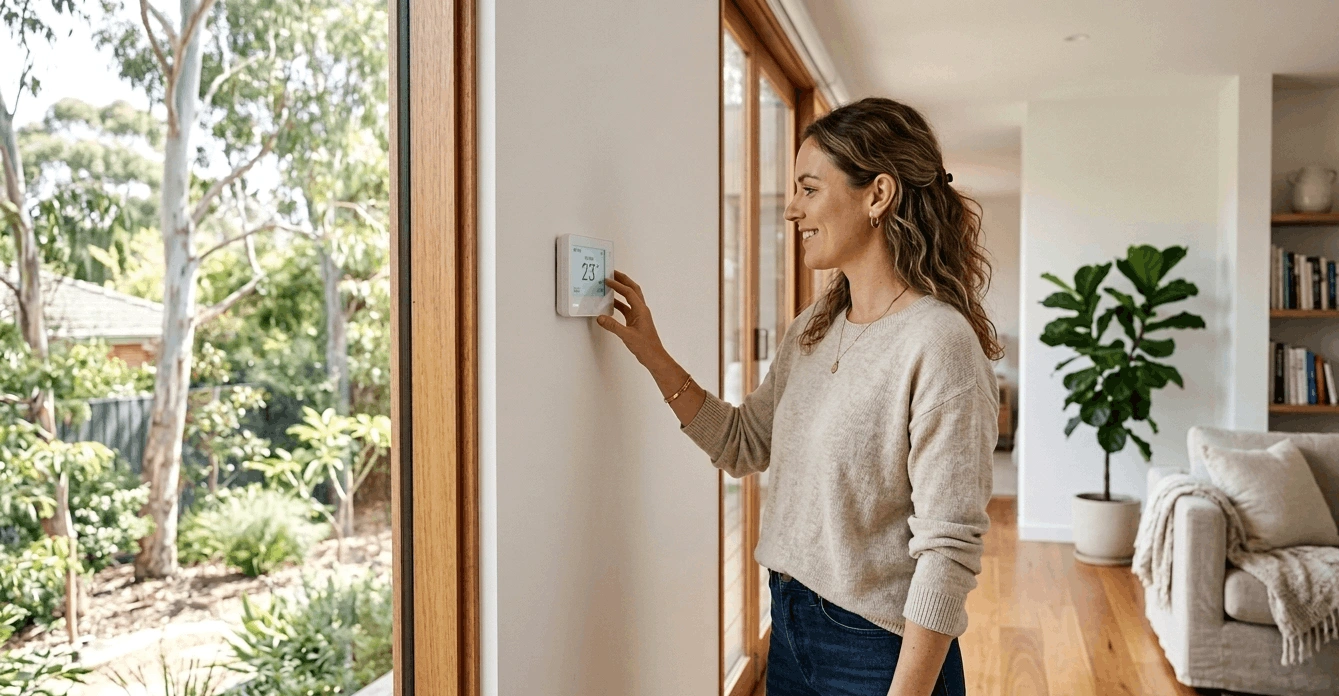
The mechanical ventilation with heat recovery (MVHR) systems required in passive house designs in Australia offer a significant safety advantage during bushfire events. These systems can be shut down as a fire approaches, eliminating the risk of smoke and embers entering through ventilation openings.
Standard building ventilation relies on passive vents that remain open continuously, providing potential entry points for embers and smoke. The controlled ventilation in passive home building means all air intake points can be sealed when needed, and the building can rely on its airtight construction to maintain good interior air quality.
Passive house builders can also install additional filters in the MVHR systems. These protect both the equipment and the building occupants and allow the system to resume operation after the threat passes.
Material choices
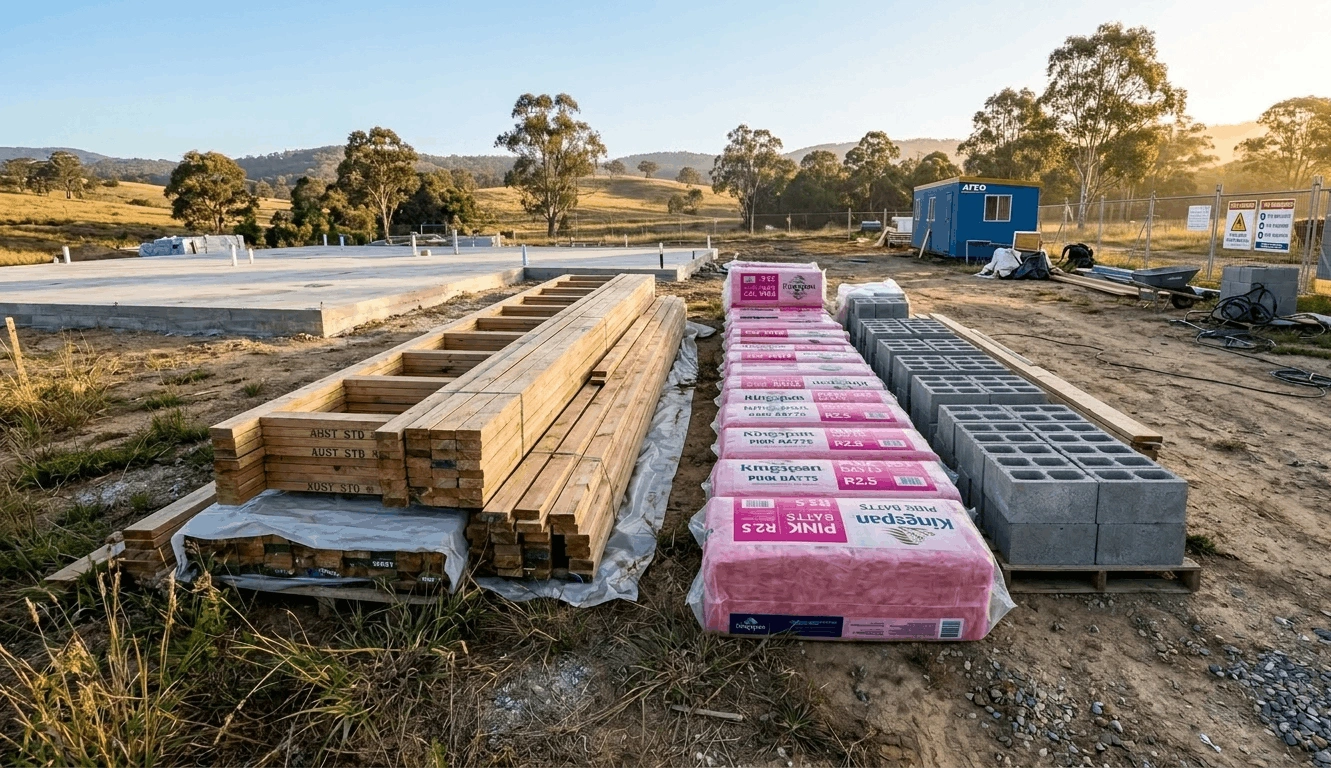
Fire-resistant materials like mineral wool and wood fibre board have proven to reduce the likelihood of fire damage. These materials act as a protective barrier, creating a “fire-resistant blanket” around the structure.
A passive design house can incorporate these materials without compromising airtightness or insulation, meaning safety and efficiency go hand in hand.
Landscape design
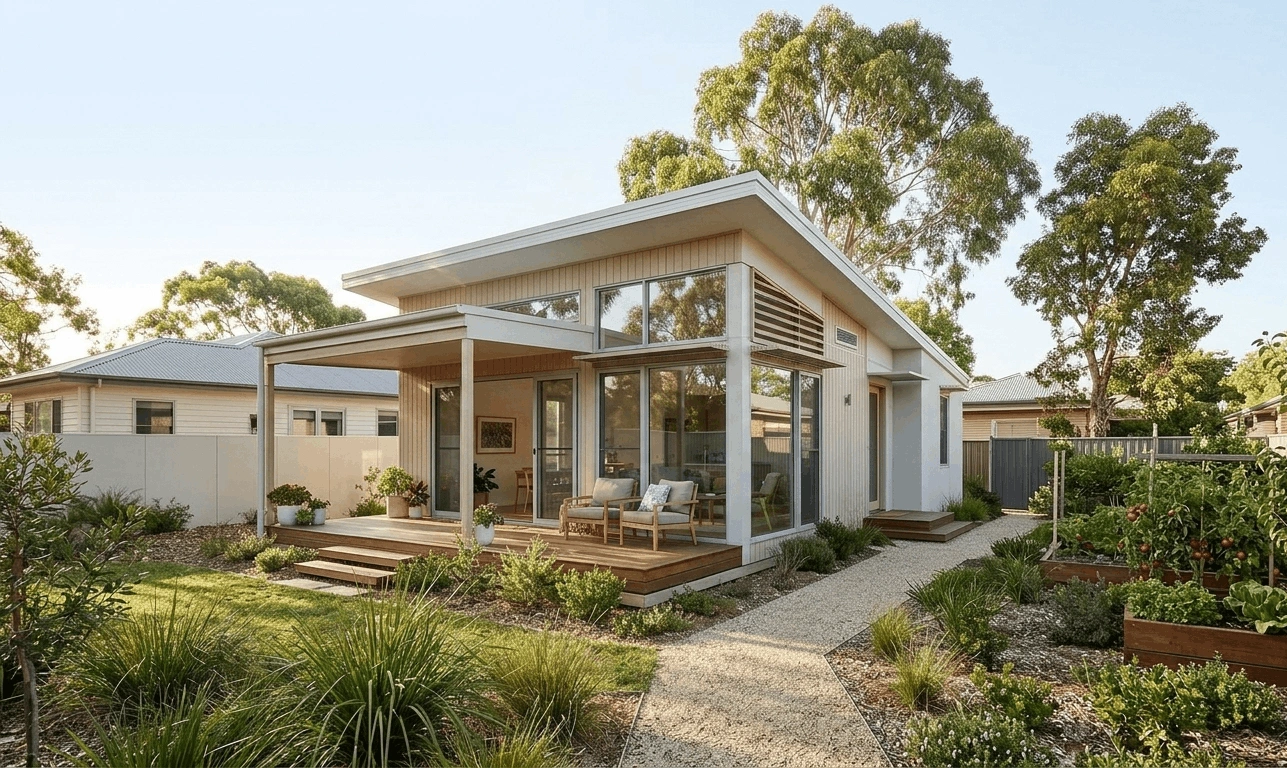
The surroundings of a home play a big role in bushfire safety. Passive house designers in Australia often integrate landscaping into the overall building design. Low-flammability plants, stone paths, and cleared zones around the house create a buffer against flames and embers.
Water tanks are often included in passive houses as part of water efficiency measures. They can serve dual purposes, providing water for firefighting. Strategic placement and appropriate connections ensure these resources are accessible during emergencies.
Fire safety planning
Bushfire Attack Level ratings
When building in bushfire-prone areas, passive house designers in Australia will also consider Bushfire Attack Level (BAL) ratings. These ratings classify the risk of ember attack, radiant heat and flame exposure at a site. Each level imposes specific construction requirements.
Passive house designers in Australia can include BAL requirements when planning the home. This means choosing safe materials for walls, roofs, windows and doors, and placing the house carefully on the site, while still keeping it energy efficient and airtight. BAL considerations can fit naturally into passive building design without compromising comfort or performance.
Frequently Asked Questions
Yes. With careful material selection, airtight construction and site planning, passive house design in Australia can be adapted to meet bushfire safety requirements while maintaining energy efficiency.
BAL stands for Bushfire Attack Level. It shows the risk of flames, heat and embers at a site. BAL requirements can be incorporated into passive house design, guiding material selection, placement and construction without compromising energy efficiency or comfort.