Passive house design ideas for urban settings
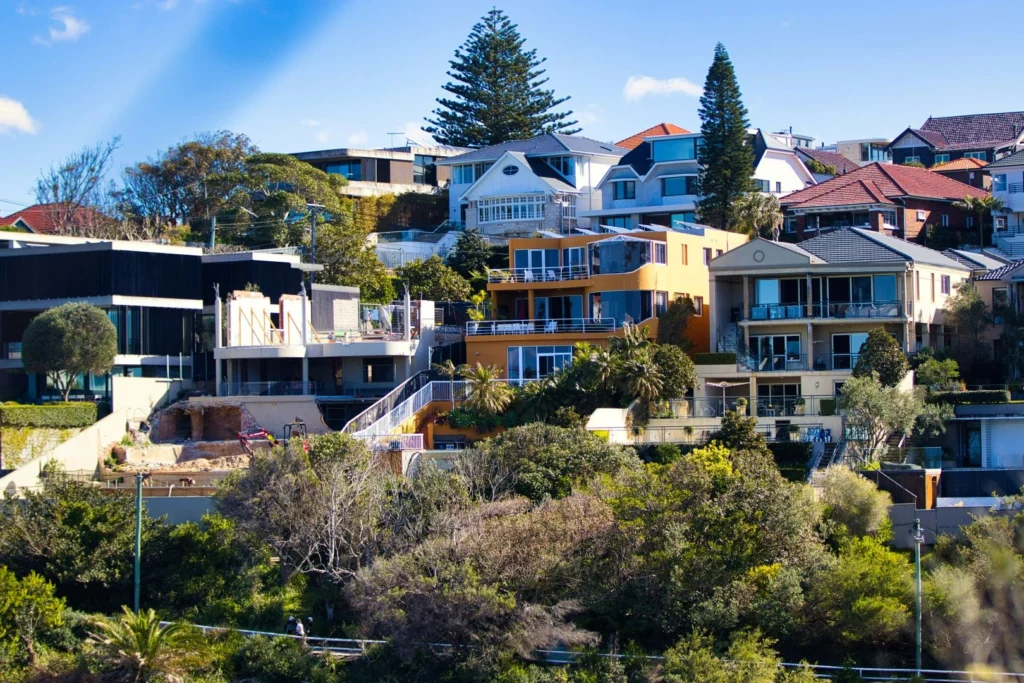
Australia’s homeowners are increasingly looking for energy-efficient solutions that reduce environmental impact whilst maintaining comfort. Passive house design offers an innovative approach to sustainable living, and it can be well-suited to the challenges of city environments.
Understanding passive house principles
A passive house in Australia is built to strict standards that minimise energy use for heating and cooling. These homes rely on careful planning of orientation, insulation, windows and ventilation. By doing so, they maintain a stable indoor temperature throughout the year.
Some of the core elements of passive house design include:
- High-performance insulation in walls, roofs and floors
- Triple-glazed windows and airtight window frames
- Mechanical ventilation with heat recovery
- Careful orientation to maximise sun exposure in winter and shade in summer
Applying these elements in an urban setting may require some creativity and careful attention to detail, particularly when space is limited or plots are narrow.
Maximising urban space
Urban plots in Australia may come with smaller frontages or limited outdoor space. Passive house designs can prioritise vertical space and smart layouts as a way of managing space limitations.
Multi-storey homes can allow for open-plan living areas that take advantage of natural light and cross-ventilation. Courtyards, balconies and roof gardens can create outdoor areas without compromising energy efficiency.
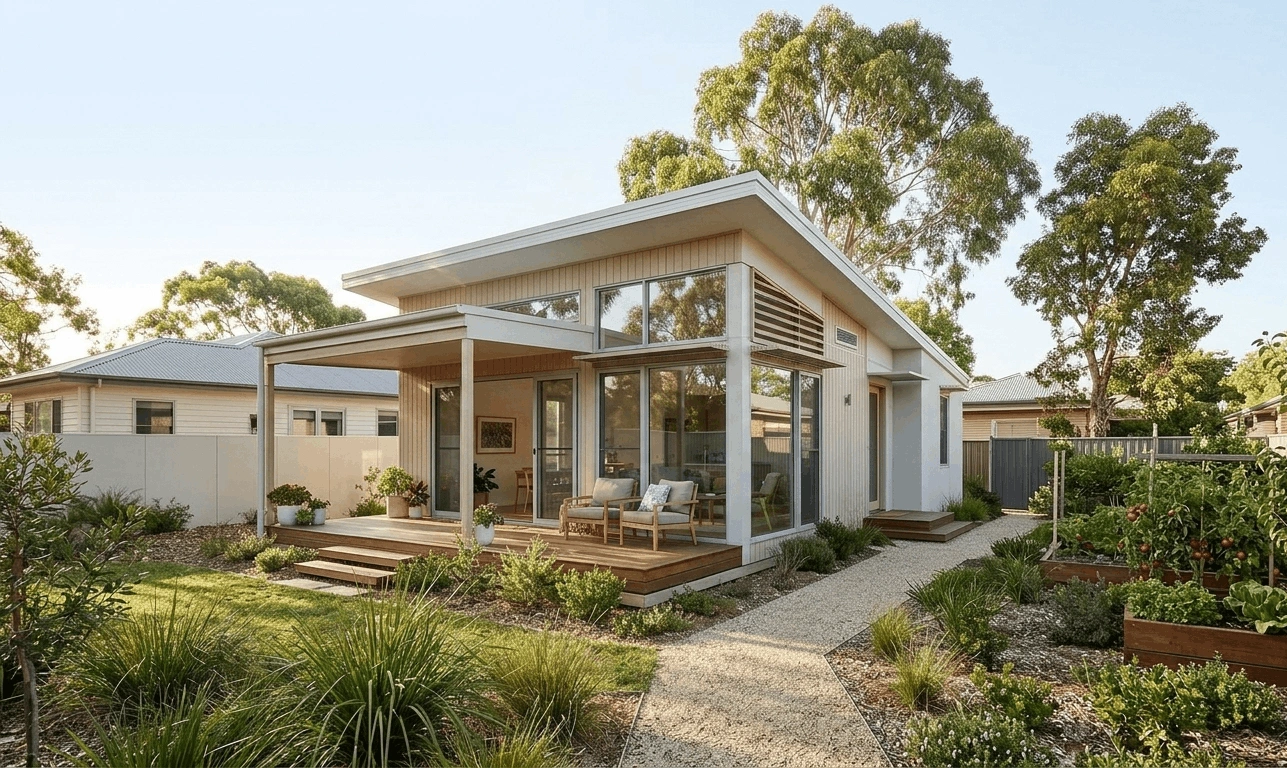
When designing a passive house in Australia, consider how windows and shading can reduce heat in summer while allowing sunlight in winter. Using adjustable external shading, like blinds or louvres, is a simple way to enhance comfort without increasing energy costs. Green walls and roof gardens also improve insulation and contribute to passive cooling.
Adequate ventilation in an urban setting
One of the passive house standards is high-quality ventilation. In an urban setting, this may require more attention due to space, noise and air quality considerations.
Australian passive homes typically use a mechanical ventilation with heat recovery (MVHR) system. This system extracts stale air from bathrooms and kitchens, recovers the thermal energy and uses it to pre-condition incoming fresh air.
For city dwellers concerned about air quality, MVHR systems include filters that remove pollen, dust and pollution.
Passive house designs in Australia typically integrate MVHR ducting during construction, concealing it within ceiling cavities or bulkheads. Acoustic considerations matter in urban settings where your neighbours may be close to you, so selecting quiet MVHR units and installing them appropriately improves liveability for you and your neighbours.
Design strategies for comfort and efficiency
Passive house designs in Australia’s cities should focus on maximising comfort in urban settings. You can consider:
- Zoned living spaces: Separate areas for sleeping, working and living reduce the need for heating or cooling the entire home, with vertical zoning particularly effective in narrow urban blocks, which often require building upwards.
- Stack ventilation: Tall atriums, double-height spaces or open stairwells encourage natural airflow and improve air quality by allowing warm air to rise and exit through high-level vents.
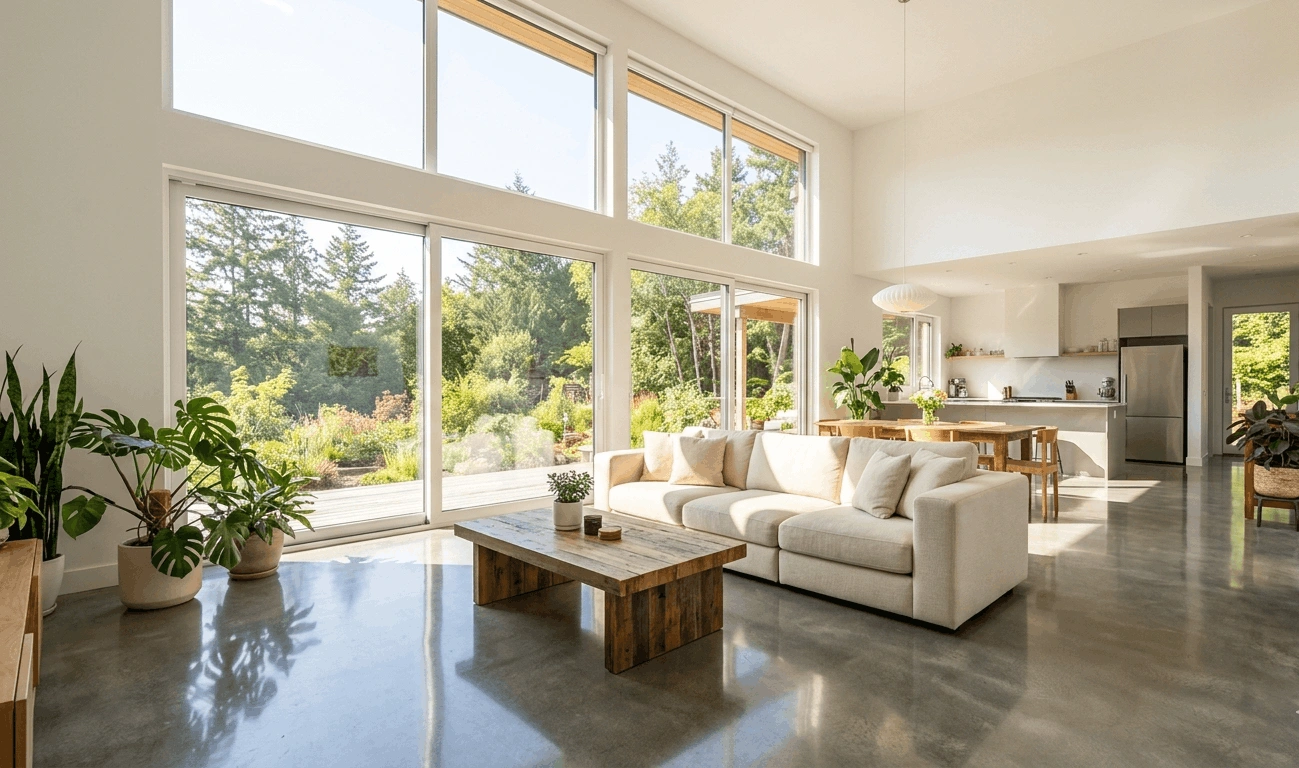
- Optimised window placement: Strategic positioning allows sunlight to warm the home in winter and avoids overheating in summer, with higher windows capturing light without compromising privacy in dense urban areas.
- Thermal zoning through materials: Different flooring materials create micro-zones within open-plan spaces – tile or concrete in northern areas for heat storage, timber in southern rooms for warmth underfoot.
- Adaptive shading systems: Automated external blinds, retractable awnings or adjustable louvres respond to changing conditions and can help save space. Deciduous climbing plants provide seasonal shading that adjusts naturally. Evergreen plants can help regulate temperature and provide privacy in an urban setting.
- Acoustic design integration: Passive home builders can use acoustically rated windows, sound-absorbing surfaces and strategic room layouts to buffer living spaces from urban noise.
Using the right professionals
Working with experienced passive house designers in Australia helps homeowners implement these strategies effectively. They can adapt standard passive house design principles to local conditions, regulations and plot constraints.
If your designer collaborates with a passive home certifier from the very beginning, you are more likely to produce a passive home that meets strict energy-efficiency standards. The certifier can review plans during the design phase, provide feedback and flag potential issues before construction starts.
This close collaboration reduces the risk of costly changes later, ensures compliance with passive house standards and helps deliver a home that performs exactly as intended.
Frequently Asked Questions
Absolutely. Passive house designs in Australia can be adapted for narrow or multi-storey homes using smart layouts, window placement and ventilation strategies to maintain efficiency and comfort.
Passive house construction typically costs 5–15% more than conventional building, depending on design complexity and materials. However, energy savings of 80–90% reduce running costs significantly. Urban land values mean the construction cost represents a smaller proportion of total project expenditure.
Yes. Passive house principles adapt to all Australian climate zones. In hotter regions, the focus shifts towards superior insulation, shading and thermal mass to prevent heat gain. Mechanical ventilation ensures fresh air without opening windows, maintaining cool internal temperatures even during heatwaves.