Passive house design for pet owners
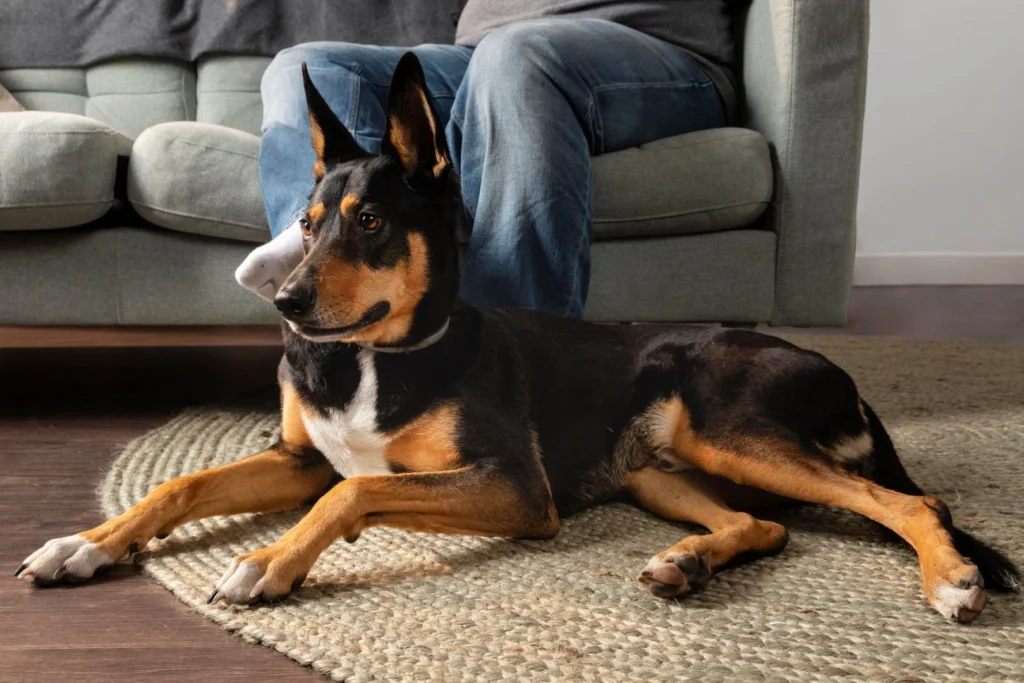
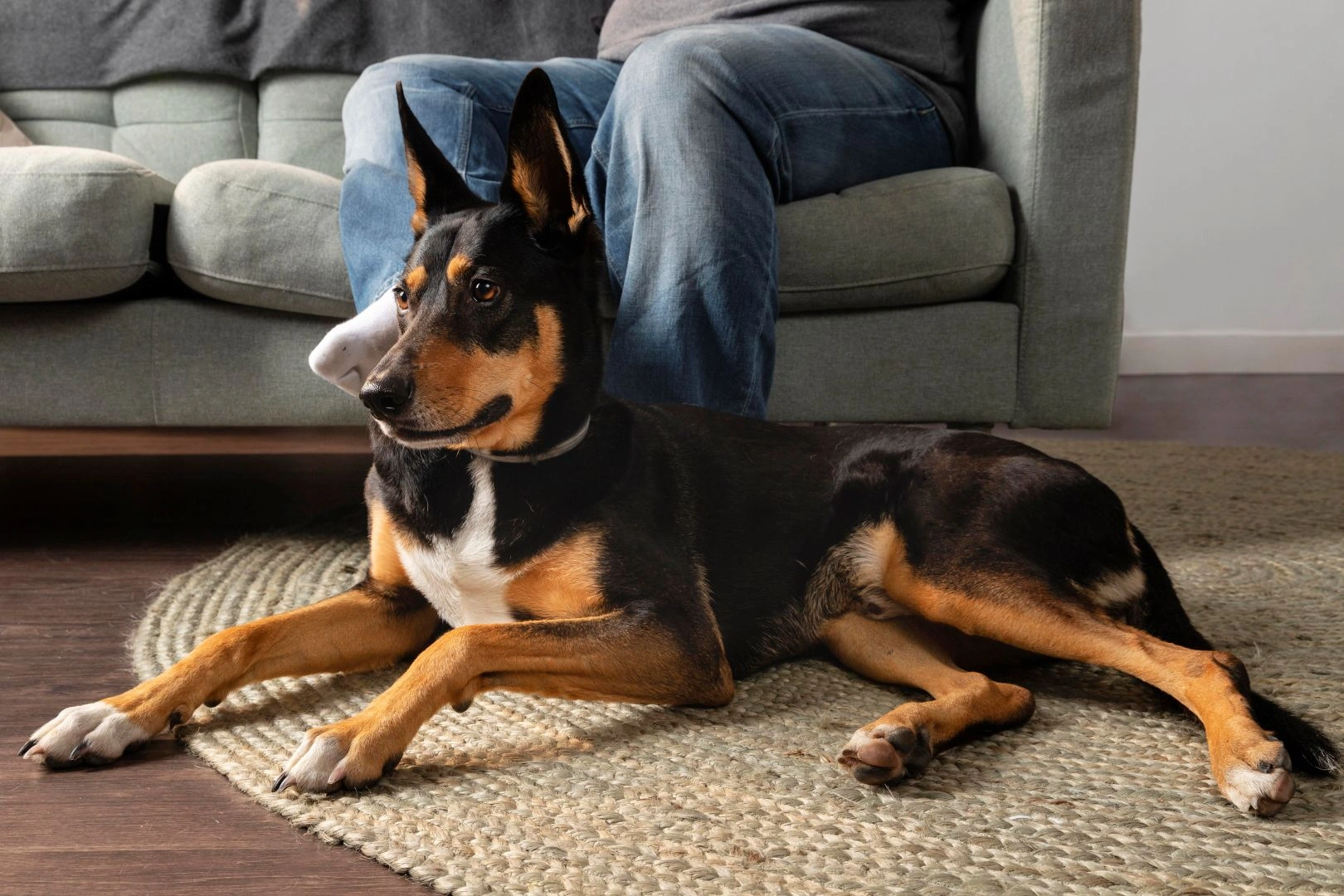
Most guides to passive house design focus on the needs of the people living inside. Thermal comfort, air quality, energy efficiency and acoustic performance are all human-centred concerns. For many Australians, pets are part of the family. Dogs, cats, rabbits and other animals share the home and influence how we use space.
Passive house principles align well with the needs of pets, often better than a standard home does.
Air quality benefits apply to pets
The mechanical heat recovery ventilation (MVHR) system at the heart of passive home building continuously supplies fresh filtered air and exhausts stale air. This keeps CO₂ levels low, reduces airborne allergens and removes odours without relying on open windows. For pet owners, this is a significant practical benefit.
Pet dander, hair and the particles associated with litter trays, bedding and outdoor animals coming inside are all managed more effectively in a well-ventilated, sealed building than in a standard home that relies on intermittent window opening for air exchange. The filtration in a good MVHR unit removes particles from incoming air, which helps both human and animal respiratory health.
For households with multiple pets or larger animals, the ventilation system can be boosted in areas where pets spend most of their time. A passive home builder can factor this into the mechanical design so that higher-activity zones receive more air changes without affecting the overall energy performance of the building.
Entry points
One of the first questions pet owners ask about passive house designs in Australia is what to do about pet doors. A standard flap-cut into an external wall or door is a direct breach of the building envelope. It compromises airtightness and allows uncontrolled air movement, which undermines the performance of the whole system.
The good news is that there are solutions. Specialist airtight pet door products exist that use brush seals or magnetic closures to minimise air leakage while still allowing animals to come and go. These are not perfect – no pet door achieves the airtightness of a sealed wall – but they represent a practical compromise that passive house builders can detail appropriately.
The better solution for most households is a designed transition space like a mudroom, laundry or enclosed porch that acts as an airlock between the outside and the main living area. Pets enter through an external door into this buffer zone, and a second internal door leads into the house. This approach maintains the integrity of the main building envelope, gives you a place to wipe down muddy paws and keeps outdoor air, moisture and debris out of the living spaces. Passive house designers in Australia can incorporate this kind of transitional entry.
Flooring and material choices
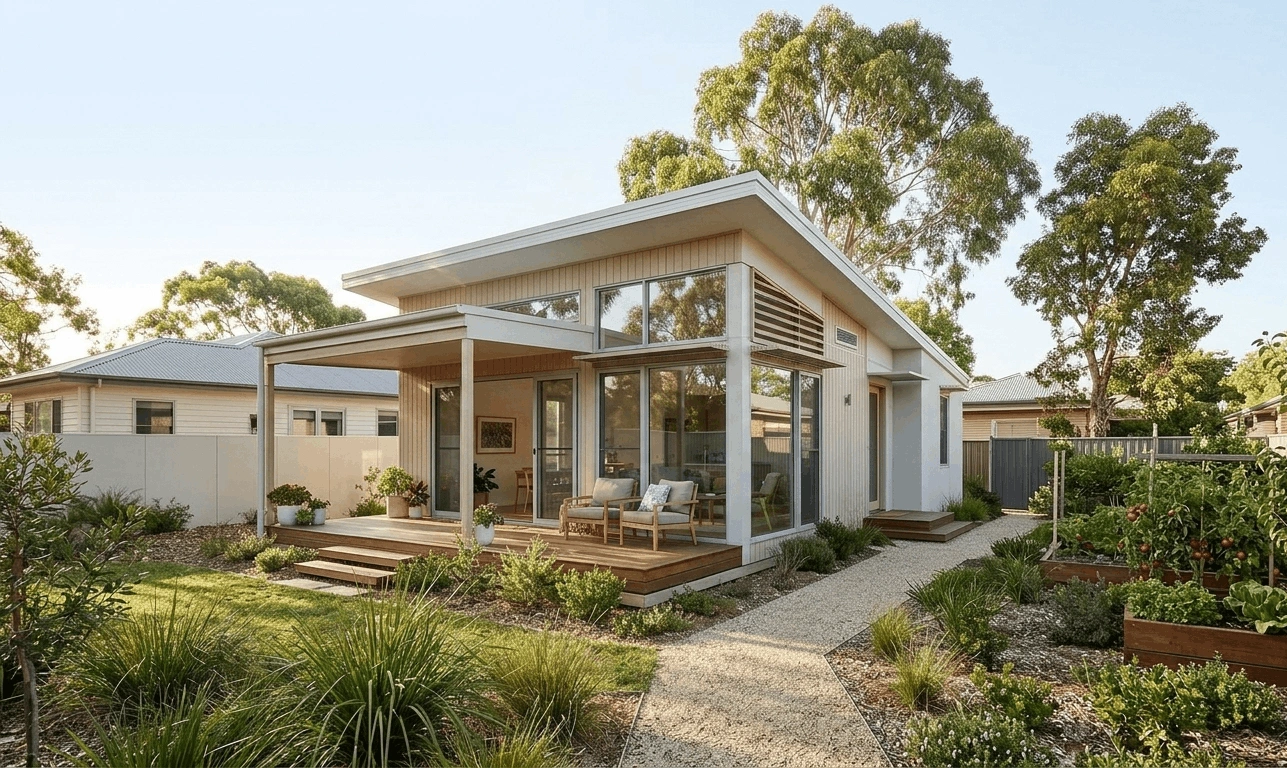
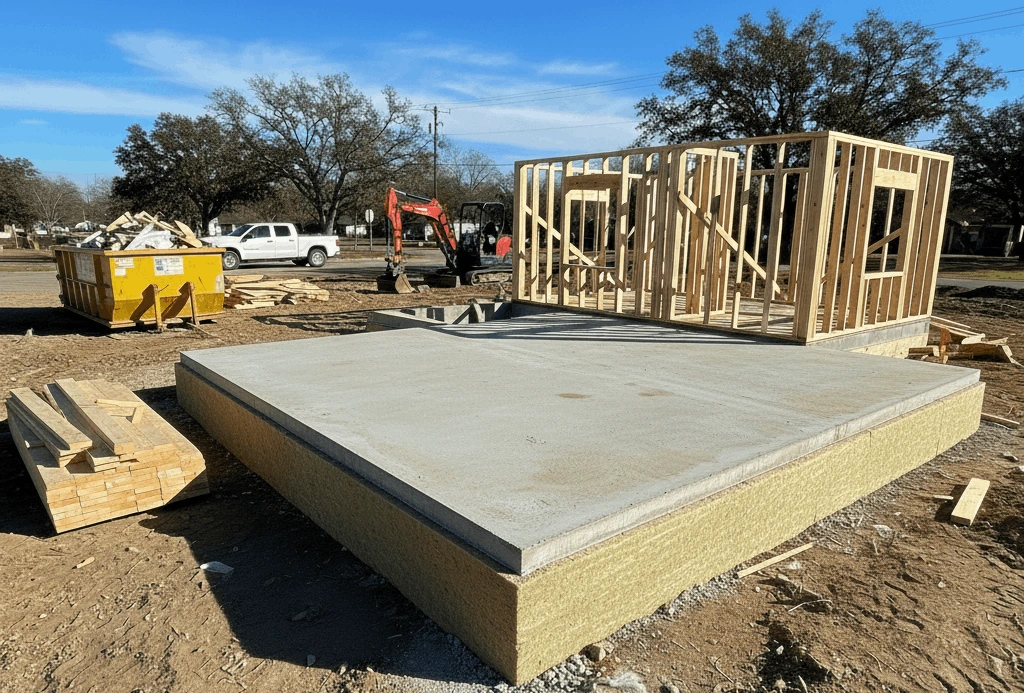
Passive house designs in Australia often feature polished concrete slabs, which serve as thermal mass, absorbing heat during the day and releasing it slowly at night to help stabilise internal temperatures. For pet owners, concrete is also practical. It is durable, easy to clean and does not store allergens or odours the way carpet does.
Timber and engineered timber floors are also common in passive building design and work well with pets, though softer timbers will show scratches over time. Choosing a harder timber or a surface finish that can be refinished periodically is worth discussing with your builder.
Where carpet is used – in bedrooms or quieter zones – consider the implications for pet hair and allergens. In a well-sealed passive design house, what goes into the building stays in the building until the ventilation system removes it. Materials that are easy to clean reduce the load on the ventilation system and keep air quality higher.
Thermal comfort for pets left at home
Pets left at home during the day benefit from the same thermal stability that makes passive house design so comfortable for people. In a standard home, internal temperatures can swing significantly when no one is home and heating or cooling systems are turned off. In a passive house, the building holds its temperature through insulation and thermal mass, meaning the internal environment stays within a comfortable range even without mechanical input.
For animals that are sensitive to heat, such as older dogs, short-nosed breeds, rabbits and guinea pigs, this characteristic of passive house designs is a benefit. The building does not need to be running an air conditioner all day to keep pets safe. The envelope does that work passively.
Working with your design team on pet-specific details
The best time to raise pet-related design requirements is at the start of the design process. Passive house designers in Australia who are experienced in residential projects will have encountered these questions before and can work through solutions that do not compromise building performance.
Entry airlock design, ventilation system sizing, pet door specifications and material choices are all decisions made early in passive home building projects. Raising them at the concept stage means they are incorporated properly rather than retrofitted as an afterthought.