Passive house design considerations for hot and humid climates
We’re heading into summer, a time when many of us in Australia are thinking about how to keep our homes cool. For those interested in energy-efficient living, passive house design offers a proven framework. However, most of the principles were originally developed in cooler European climates. This means that designing a passive house in hot and humid regions of Australia requires some specific adjustments.
If you are considering passive home building, it is worth understanding how the climate can impact your choices. By taking the right approach, you can enjoy a passive design house that maintains stable temperatures, reduces your reliance on air conditioning, and helps lower energy costs.
Understanding passive house principles in an Australian context
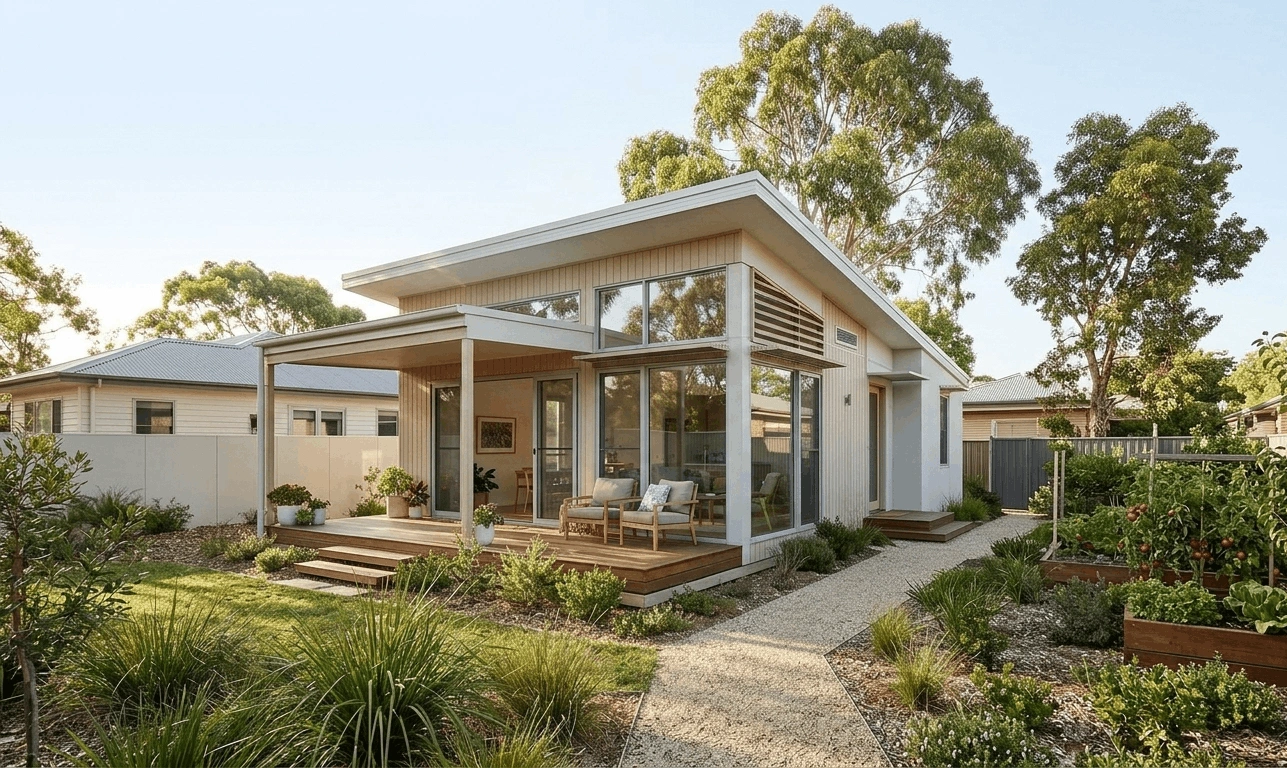
Passive house design originated in Germany’s cool climate, but its core principles translate remarkably well to Australia’s diverse weather patterns. The concept centres on creating ultra-efficient buildings that maintain comfortable temperatures with minimal energy input. For Australian conditions, particularly in hot and humid regions like Queensland’s coastal areas and Darwin’s tropical climate, this means rethinking traditional building approaches.
A passive design house focuses on five key elements: superior insulation, airtight construction, thermal bridge-free design, high-performance windows and controlled ventilation. In Australia’s hot and humid zones, these principles require careful adaptation to prioritise cooling over heating, unlike their European counterparts.
Insulation strategies for hot, humid climates
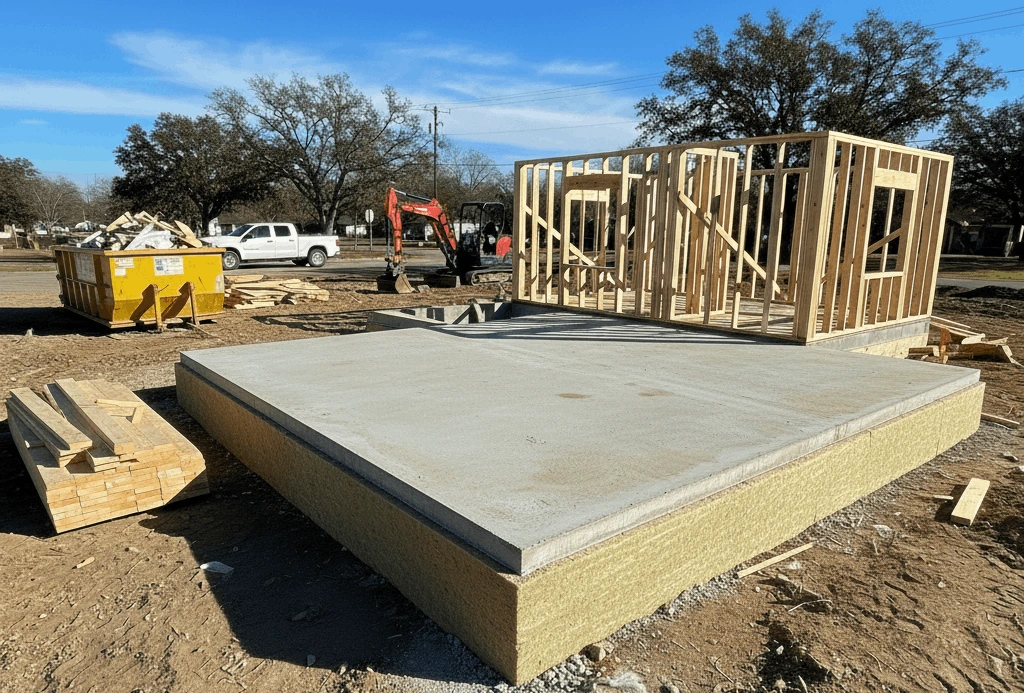
Designing a passive house for hot and humid Australian conditions demands exceptional insulation performance. The goal is to keep the scorching external heat out while maintaining cool, conditioned air inside. This requires continuous insulation with minimal thermal bridging – essentially creating a thermal envelope around the entire building.
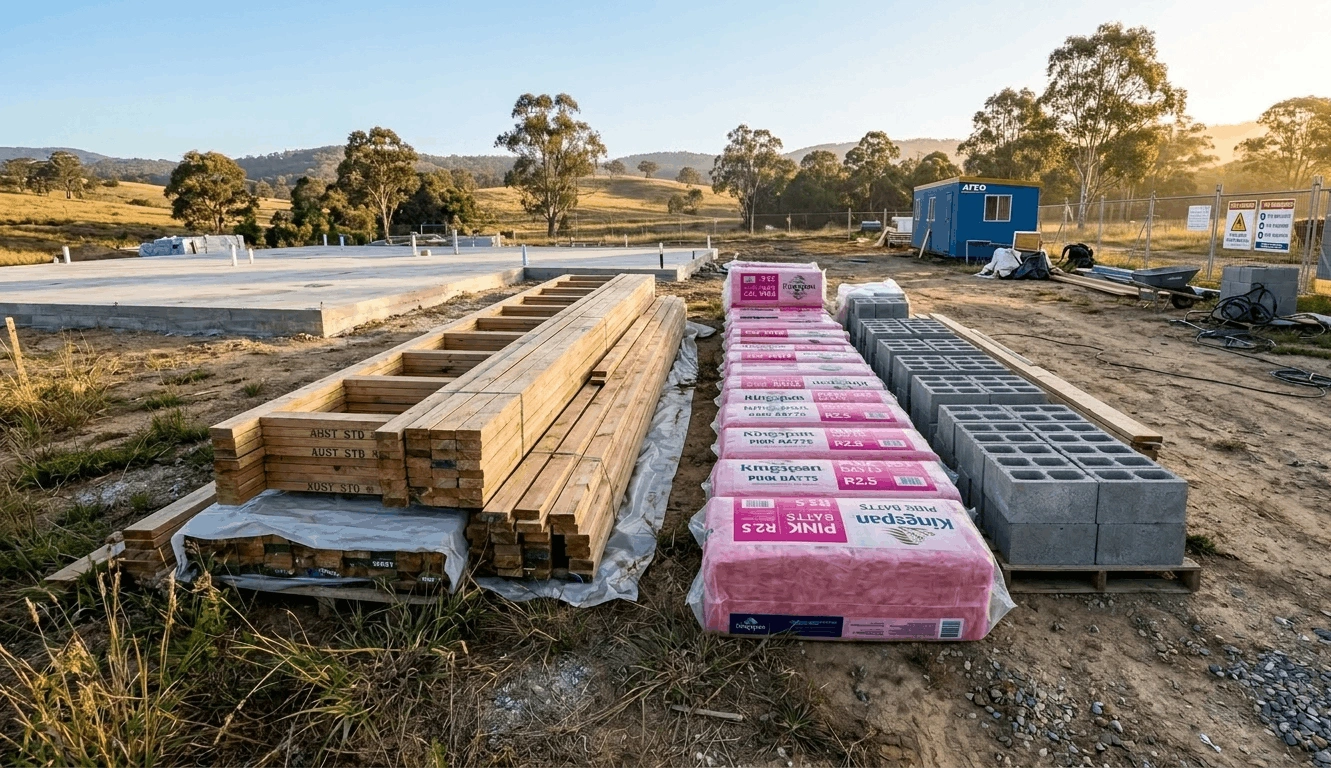
Bulk insulation in walls, roofs and floors should be complemented by reflective insulation systems. These radiant barriers are particularly important in Australia, where intense solar radiation can overwhelm conventional insulation materials. Passive house designs for tropical climates often incorporate double-layer insulation systems with ventilated cavities to manage both conductive and radiant heat transfer.
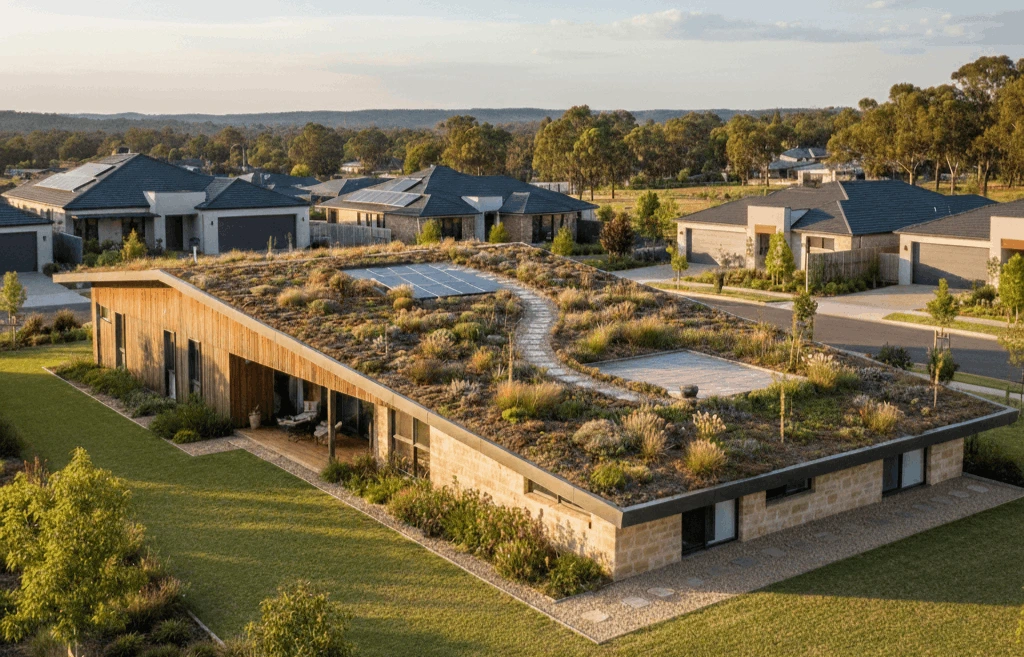
The roof assembly deserves special attention, as it bears the brunt of Australia’s intense sun. Light-coloured roofing materials combined with substantial insulation can dramatically reduce cooling loads.
Your passive house builder in Australia might recommend minimum R-values of R6.0 for roofs in hot climates, significantly higher than the minimum requirements of the National Construction Code (NCC). While the NCC sets minimum total R-values for roofs based on climate zones, these values are often much lower than what is recommended for a passive house. The NCC’s requirements are a baseline for energy efficiency, whereas passive house principles aim for a much higher level of performance to achieve near-zero heating and cooling needs.
Airtightness and vapour management
Achieving airtightness in hot, humid climates presents unique challenges. While preventing unwanted air infiltration remains crucial, managing moisture becomes equally important. Passive building design in these conditions requires careful vapour barrier placement to prevent condensation within wall assemblies while maintaining the airtight envelope.
The traditional European approach of placing vapour barriers on the warm side of insulation doesn’t apply directly to climates where cooling takes on a much bigger role. Builders with passive house experience become invaluable here, as they understand how to adapt these principles for Australian conditions, where the thermal dynamics operate differently throughout the year.
Window performance and solar control
Windows represent a big challenge in passive house design in Australia due to the warm climate, as they are a major source of heat gain. To combat this, passive house design in Australia uses high-performance windows with double or triple glazing and low-emissivity (low-e) coatings. These coatings reflect a significant portion of the sun’s infrared radiation, keeping the heat outside. Strategic shading, such as eaves, awnings or external blinds, also plays a vital role in preventing direct sunlight from hitting the windows.
Ventilation systems for humidity control
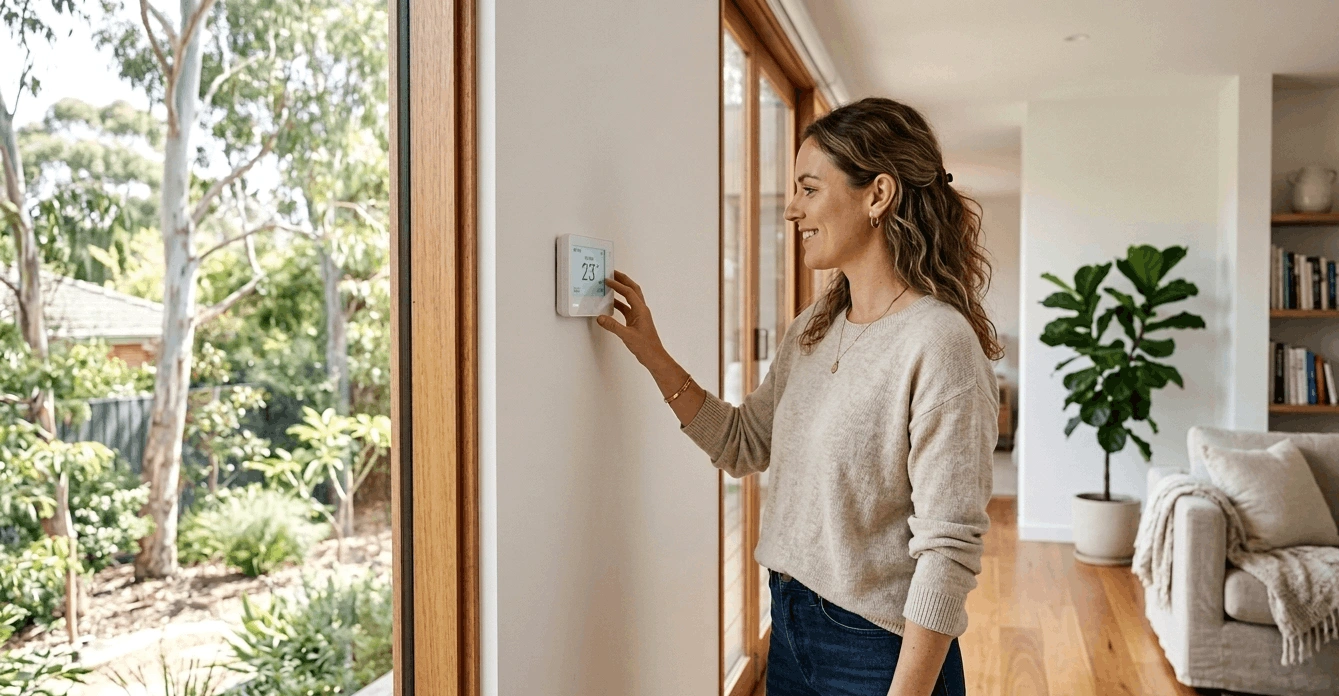
Controlled ventilation becomes very important in humid climates where natural ventilation alone can’t manage moisture levels effectively. Passive home building in very humid regions will likely use mechanical ventilation with heat recovery (MVHR) or energy recovery systems (ERV).
MVHR units supply a constant stream of fresh air while recovering heat from the outgoing stale air, and ERV systems go a step further by also transferring moisture to help balance indoor humidity.
These systems ensure fresh air is brought in while helping to control humidity levels. In practice, most passive homes will use one system or the other.
Thermal mass considerations
Traditional passive solar design emphasises thermal mass for temperature regulation. However, in hot, humid climates, excessive thermal mass can become counterproductive, storing unwanted heat and humidity. Passive house designs for Australian conditions often employ lighter construction methods with carefully considered thermal mass placement.
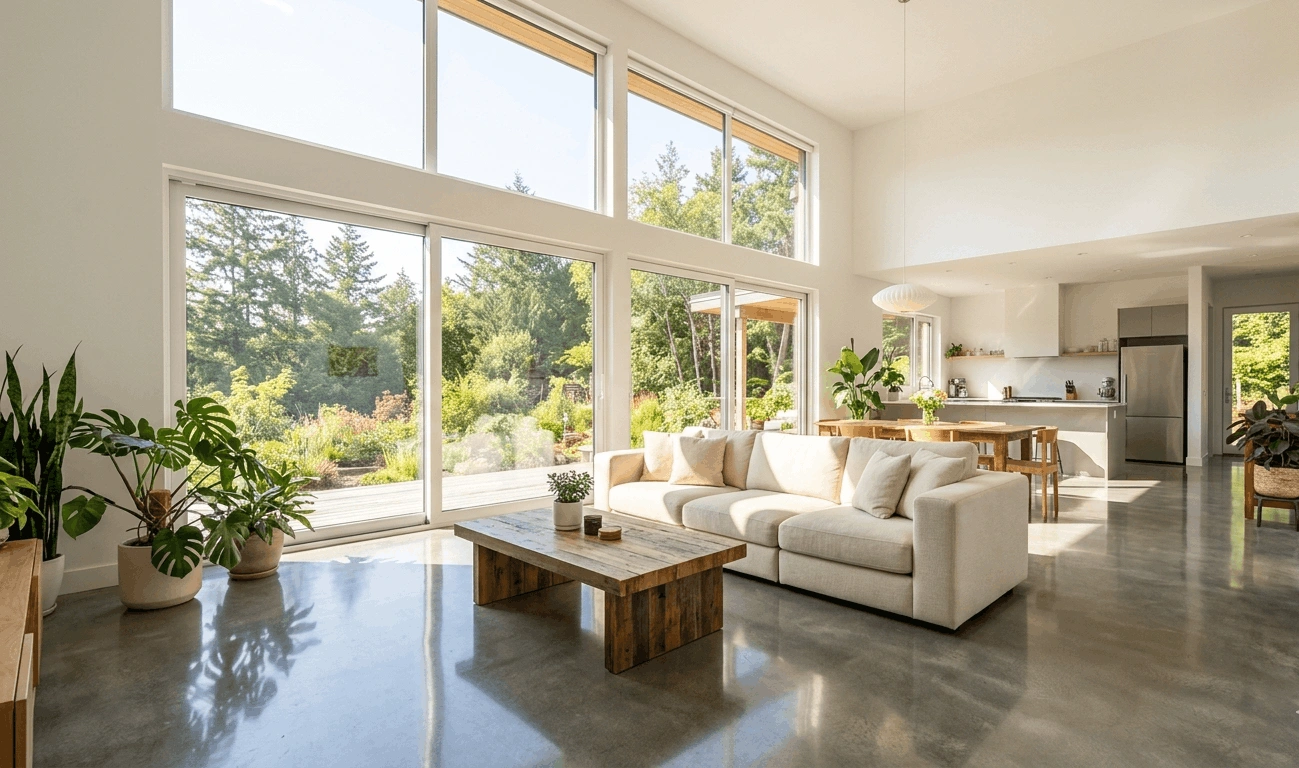
Strategic thermal mass – such as polished concrete floors in shaded areas – can provide beneficial cooling effects through nighttime radiative cooling, particularly in locations with significant diurnal temperature variation.