Living in a passive house: What to expect in your first year
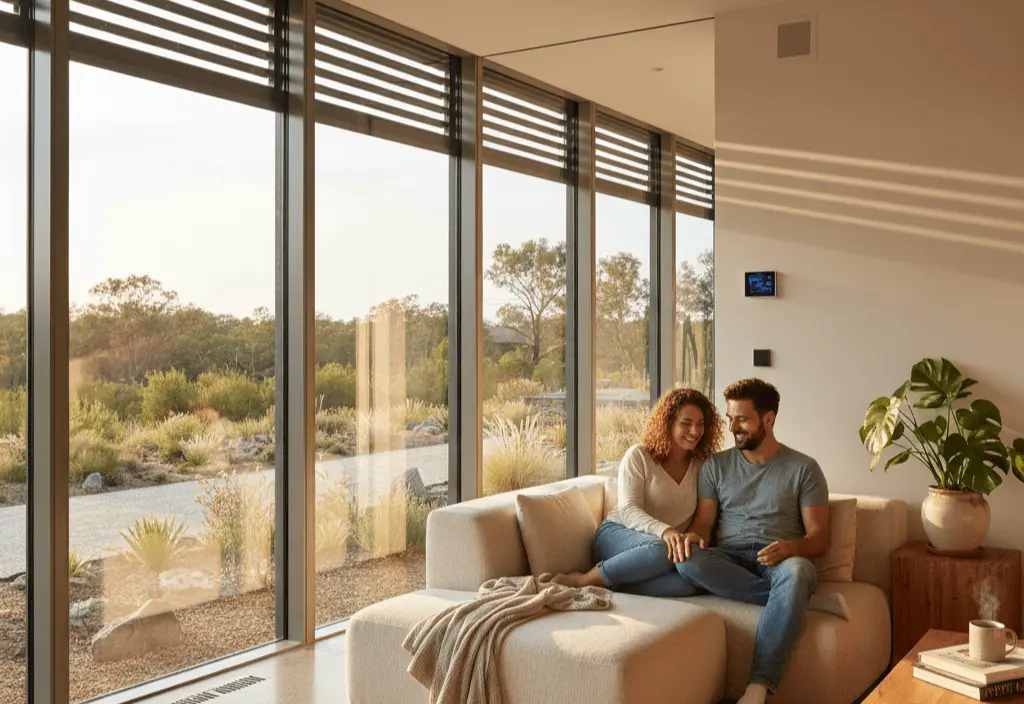
You’ve designed and built your passive house in Australia. You’ve moved in. Now what?
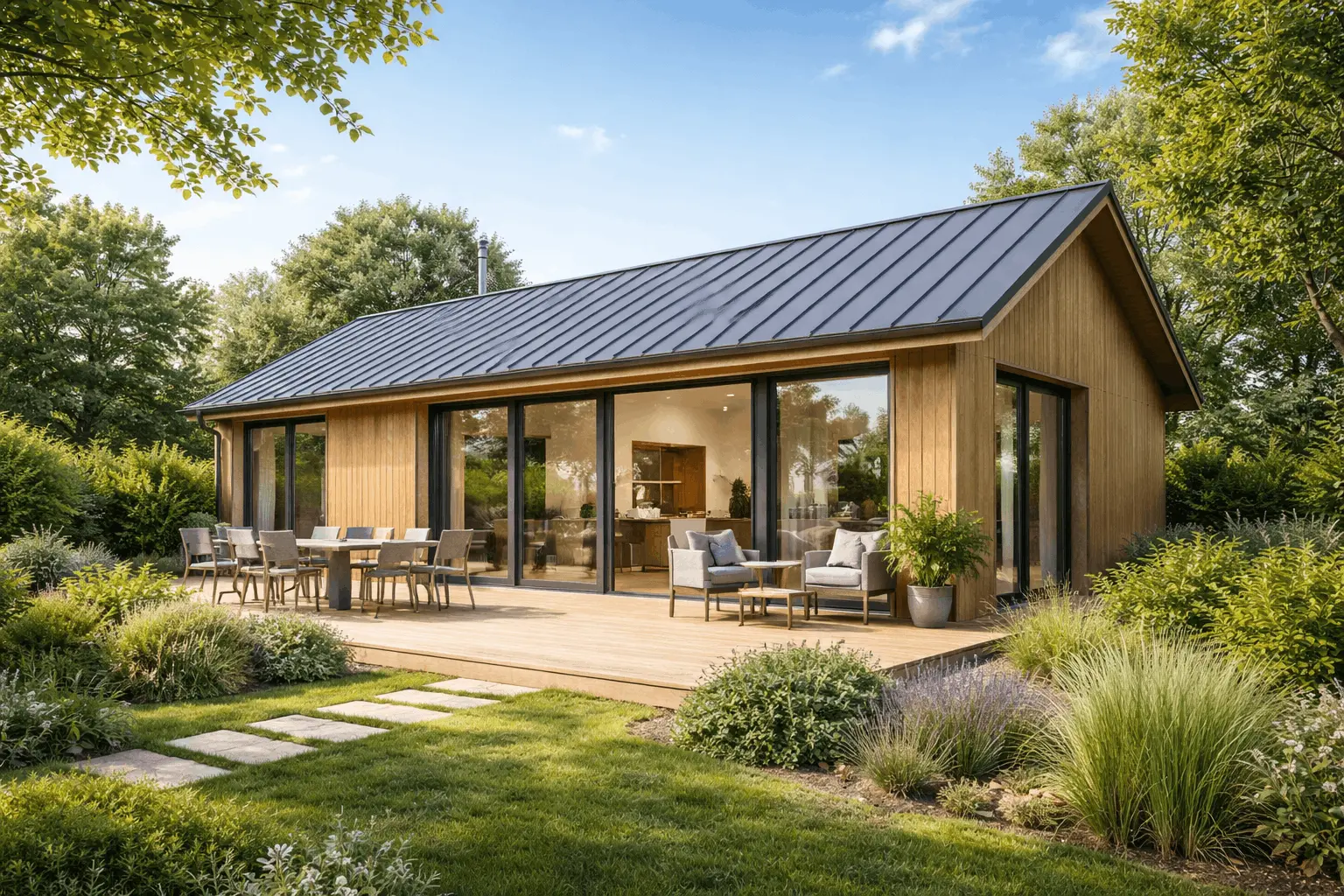
For homeowners who have invested in a passive house, the first year will feel different from living in a conventional home because of the building’s performance and the systems that support it. So, to help you settle in and get the most from the experience, here’s what you can expect.
The initial adjustment period
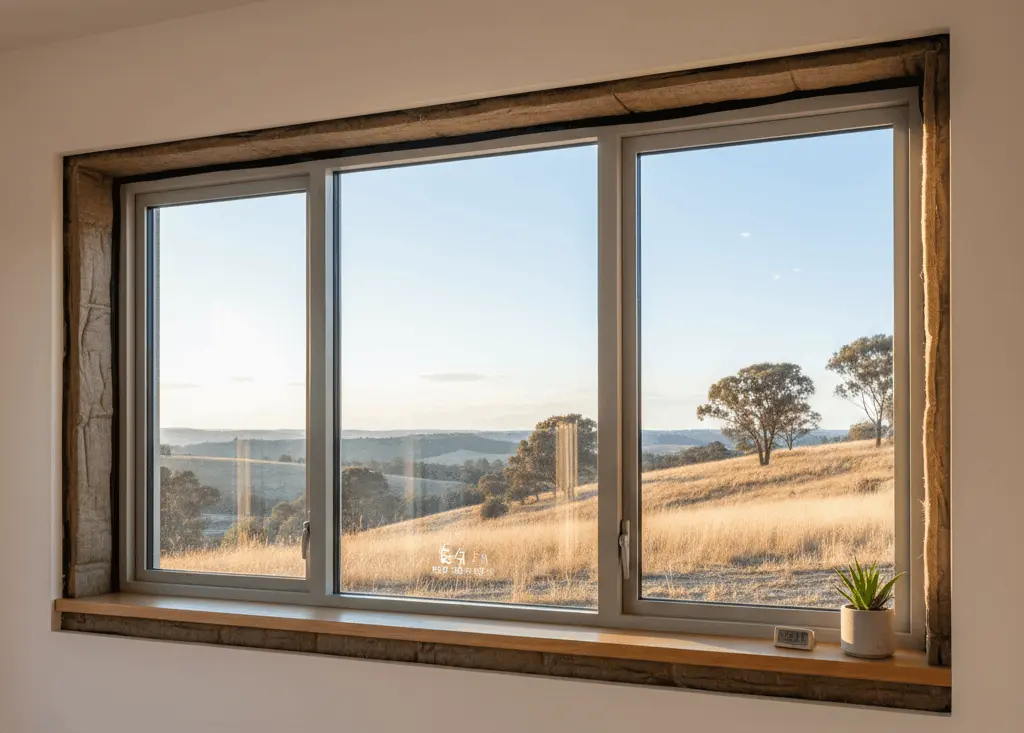
The first few weeks in your passive house in Australia may feel surprisingly different from traditional housing. The consistent temperatures throughout the day and across different rooms can take some adjustment. You’ll notice the absence of cold spots near windows or warm patches near heating vents that characterise traditional homes.
The even temperature distribution means you might initially feel uncertain about whether to adjust heating or cooling settings. Many new occupants discover they need less mechanical conditioning than expected. Passive house designs maintain comfortable conditions with minimal intervention, so resist the urge to constantly adjust thermostats as you would in a conventional home.
The continuous mechanical ventilation with heat recovery (MVHR) system runs quietly in the background, providing fresh filtered air without the stuffiness that develops in conventional homes when windows remain closed. Some people initially worry the system isn’t working because it operates so smoothly and quietly. Trust that the system is functioning as your passive house builder designed it to.
Learning your ventilation system
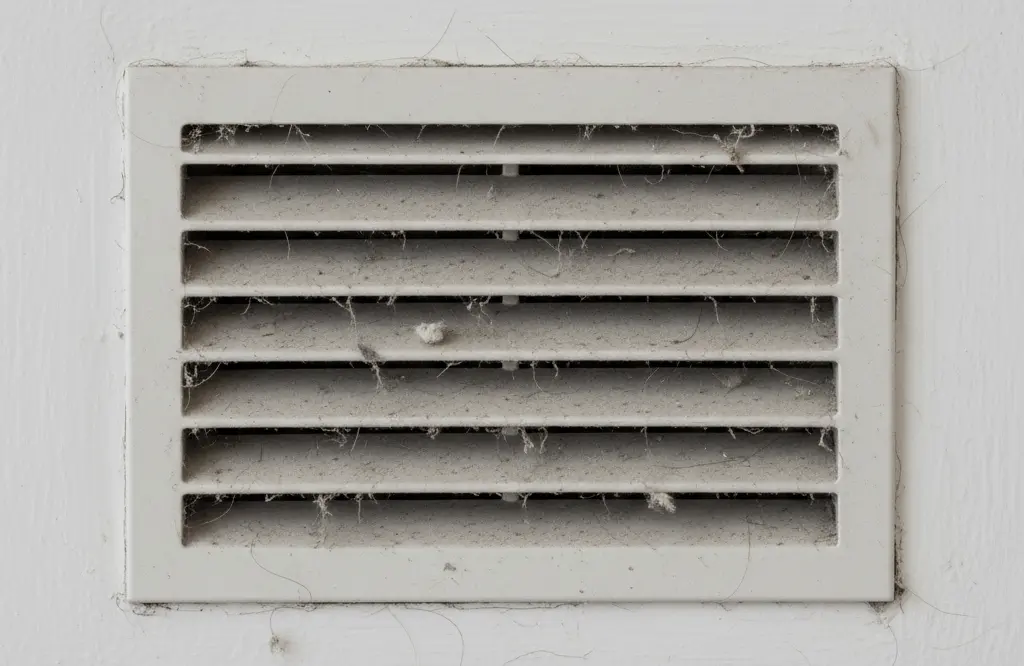
The mechanical ventilation system requires attention during your first year. Your passive home builder should provide thorough training on filter replacement, boost mode operation and basic maintenance. Set reminders for filter changes – typically every three to six months – as this simple task significantly impacts air quality and system efficiency.
Experiment with the boost mode function during cooking or after showers. Most systems include controls allowing temporary increased ventilation when needed. Understanding when to use boost mode becomes intuitive after a few months of living in your passive house in Australia.
You’ll notice the air quality difference, particularly if anyone in your household has allergies or asthma. The filtered, continuously refreshed air eliminates the stuffiness and allergen build-up common in conventional homes. Many families report improved sleep quality and reduced allergy symptoms during their first year in a passive house.
Energy bills and monitoring
One of the most satisfying first-year experiences is receiving energy bills. Most passive house owners in Australia report energy consumption 70 to 90% lower than comparable conventional homes. Your first summer and winter bills provide tangible evidence of the performance your passive house team delivered.
If your home includes energy monitoring, spend time understanding the data. Watch how solar gains affect indoor temperatures, observe the minimal heating and cooling energy consumption and note the consistent ventilation system energy use. This information helps you optimise your home’s operation and provides valuable feedback to share with the passive house community.
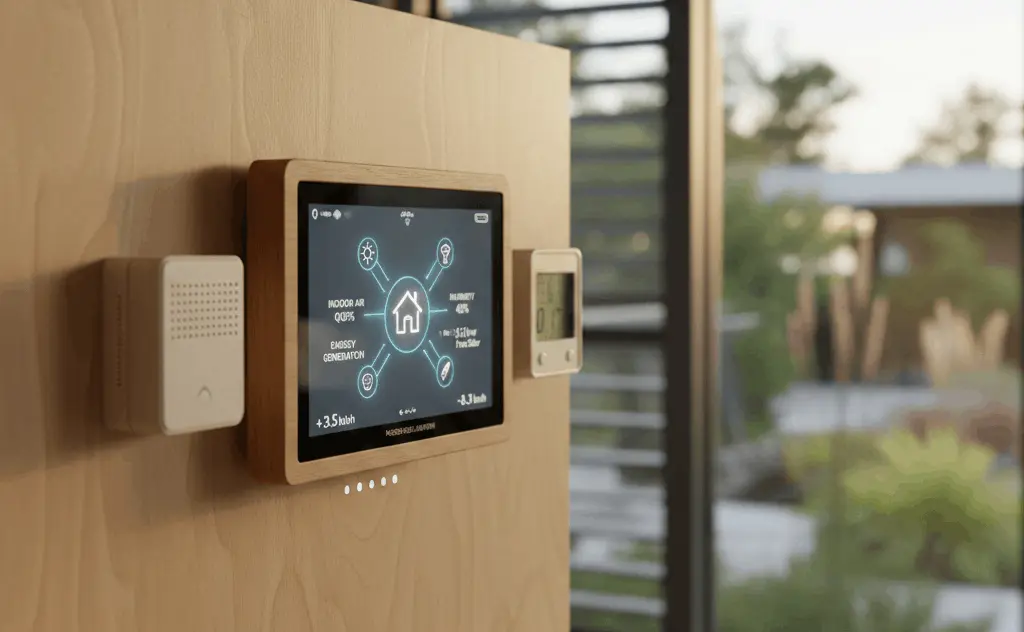
Some passive house projects in Australia also include detailed monitoring systems displaying real-time energy consumption, indoor air quality and comfort parameters. Learning to interpret this data will improve your understanding of how your home responds to weather, occupancy patterns and your operational choices.
Seasonal discoveries
Each season brings new things to discover about your passive house. Spring and autumn often require no mechanical heating or cooling, with the home maintaining comfortable conditions just through the MVHR system. You’ll discover which windows to open on pleasant evenings and how different weather patterns affect indoor conditions.
Summer strategies become clear through experience. You’ll learn the best times to close external shading, when night purge ventilation provides maximum benefit and how thermal mass in floors and walls moderates peak temperatures. Passive house designs in Australia account for seasonal solar angles and observing these patterns helps you work with the design intent.
Winter will show you the heat retention potential of your building envelope. Heat from cooking, appliances and occupants contributes to space heating. Many owners report their heating systems running far less than anticipated, with some needing heat only during extended cold snaps.
Addressing unexpected issues
Most issues you encounter in your first year will likely relate to learning how to operate the home rather than actual defects. If something feels wrong – excessive humidity, stuffiness or temperature fluctuations – check simple things first. Are filters clean? Are all vents unobstructed? Is the ventilation system running at the correct setting?
Your passive house builder will typically provide a defects liability period covering the first year. Don’t hesitate to contact them if you notice condensation, unusual noises from the ventilation system or thermal discomfort. These issues are rare but should be addressed promptly if they occur.
Developing operating patterns
Living in a passive house is simple, but it does involve a few new habits. Some of these may include:
- Keeping vents closed once the MVHR is running properly
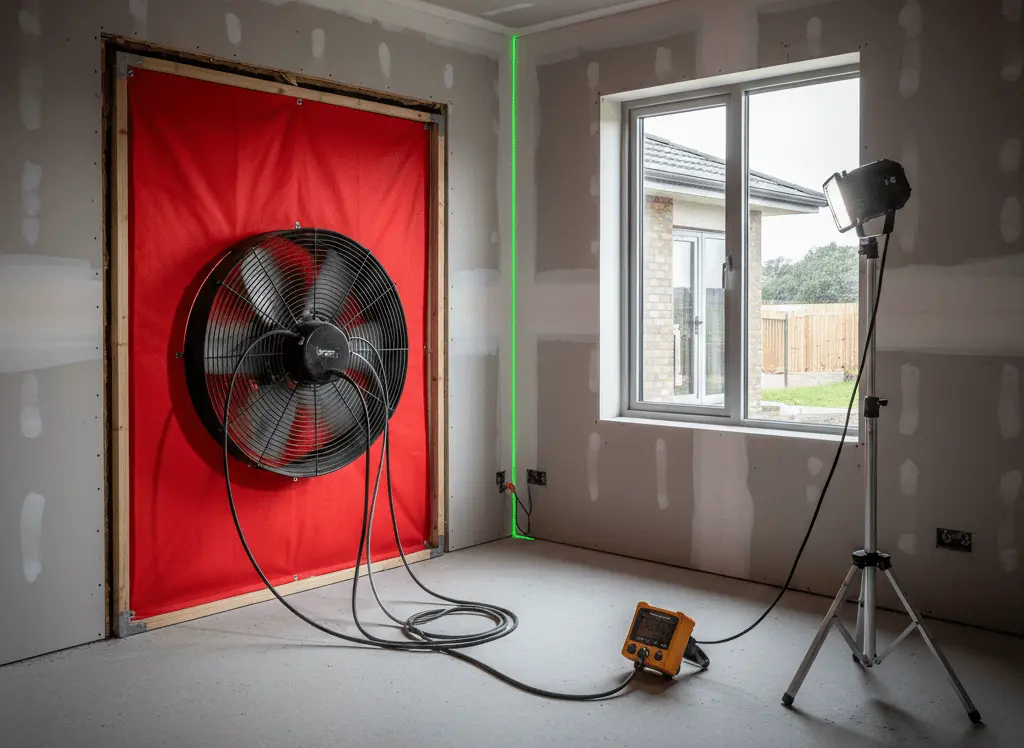
- Being mindful of leaving external doors open, as this affects airtightness
- Checking and replacing filters in line with manufacturer guidance
These habits become routine quickly as you learn that they are part of why passive home buildings perform so well over time. Most homeowners find that the effort is small and the comfort gains are worth it.
By the end of your first year, you’ll have developed a system to work your passive house to its full potential. You’ll know when to use boost ventilation, how to optimise shading and when minimal heating or cooling might be helpful. These patterns become second nature, and you can enjoy all the benefits of passive house living.
Frequently Asked Questions
Yes, in positive ways. Passive house designs feel more comfortable due to consistent temperatures throughout the home and the lack of draughts. The continuous filtered ventilation means the air always feels fresh without the stuffiness that develops in conventional homes. Some people initially find the consistency unusual simply because they're accustomed to the temperature swings and cold spots in traditional houses, but most adjust within weeks and quickly appreciate the superior comfort.
No. Routine maintenance is simple. It mainly involves replacing ventilation filters and keeping an eye on any system settings. The building fabric itself requires very little attention because it is designed for durability.
Yes. You can open windows whenever you like, but it is not necessary for ventilation or to get fresh air into the room. The ventilation system ensures good air movement even when windows are closed.