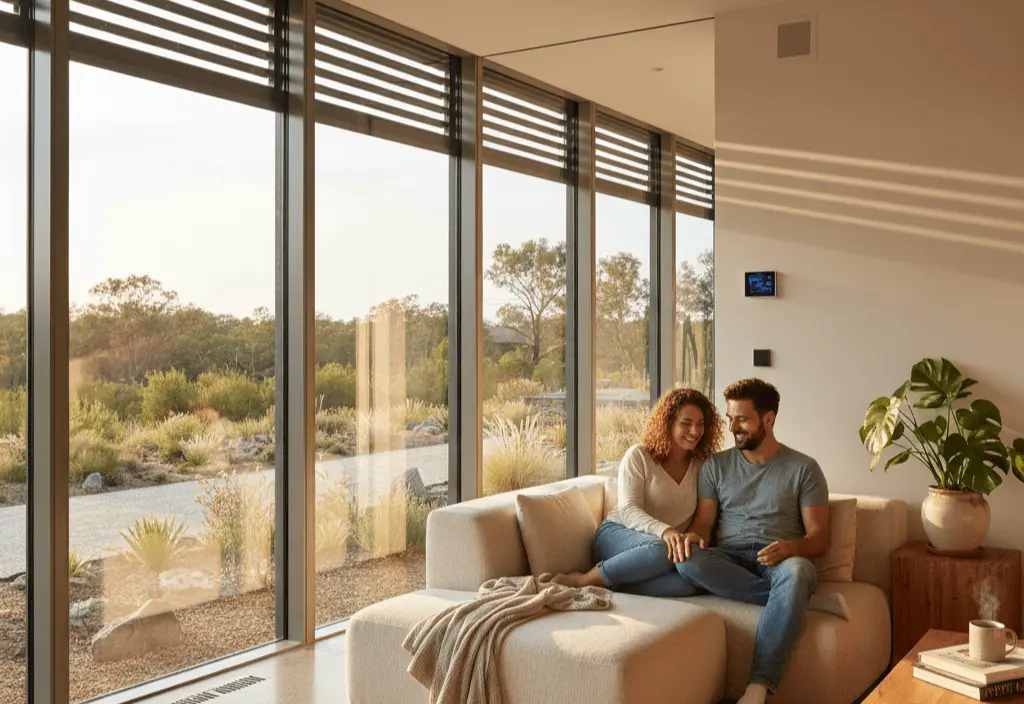
Integrating energy storage in passive house design
Why Passive Houses and batteries work together
Passive house design focuses on airtight construction, continuous insulation and mechanical ventilation with heat recovery. These features drastically reduce heating and cooling loads. As a result, the energy required to power the home is much lower than in conventional houses.
This dramatic reduction means that modest battery systems can store a significant portion of daily energy needs. This is especially valuable when paired with rooftop solar panels.
Combining storage with solar systems
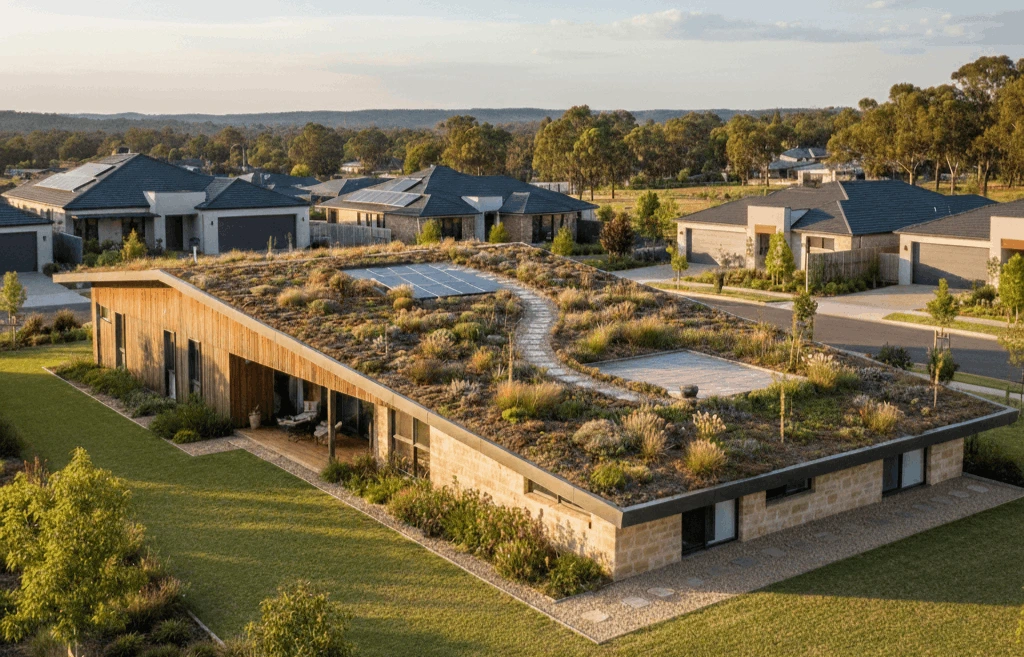
Many passive houses in Australia are designed with rooftop solar panels as a standard feature. Integrating battery storage with solar generation allows households to capture excess energy produced during the day and use it later, reducing reliance on the grid.
This combination is particularly effective because passive house designs already have very low energy demand. A modest solar array can often cover most of the home’s needs, and a battery stores surplus energy for use at night, during peak pricing periods or when the grid is unavailable.
By pairing energy storage with solar, homeowners can maximise self-consumption, increase financial savings and improve resilience.
Planning for energy storage during design
When designing a passive house, it is important to plan for energy storage from the outset. Passive home builders in Australia can integrate battery systems into the electrical layout, ensuring safe, efficient operation without compromising the building envelope.
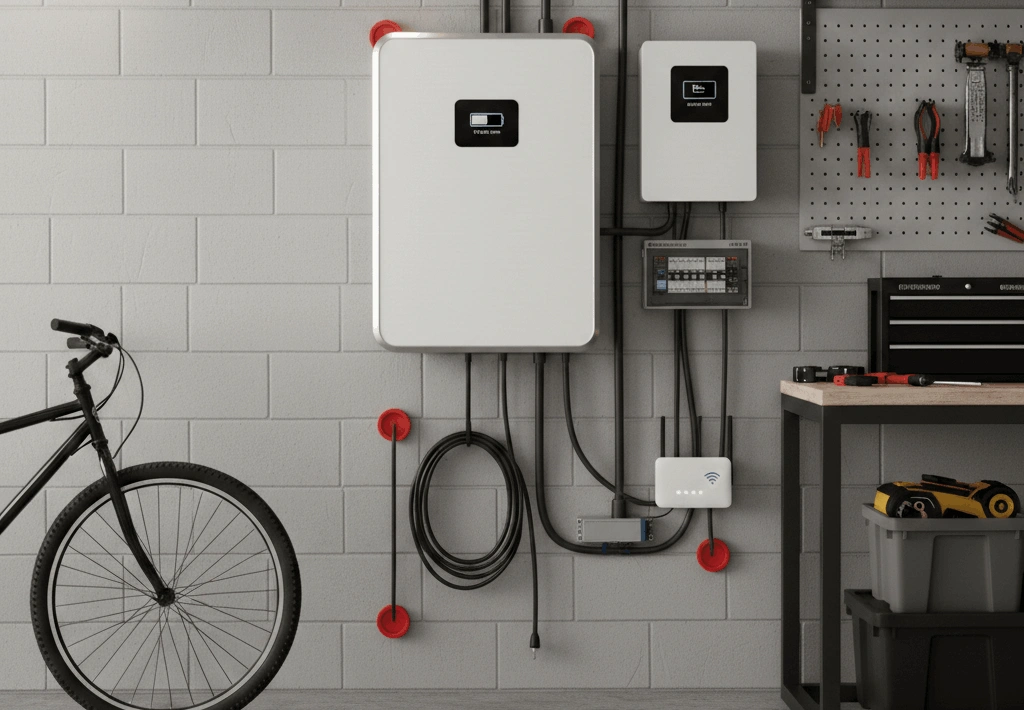
Space allocation is also important. Batteries need a dedicated, ventilated area for safety and longevity. Passive house designers in Australia often incorporate energy storage units into garages, utility rooms or specialised enclosures. The battery location should be accessible for maintenance whilst remaining separate from primary living spaces.
Electrical infrastructure must be sized appropriately. Wiring, inverters and switchboards should be designed to handle both solar generation and battery discharge safely. Passive house builders are experienced in coordinating these systems so they operate seamlessly with low-energy heating, cooling and ventilation systems.
Combining storage with smart home systems
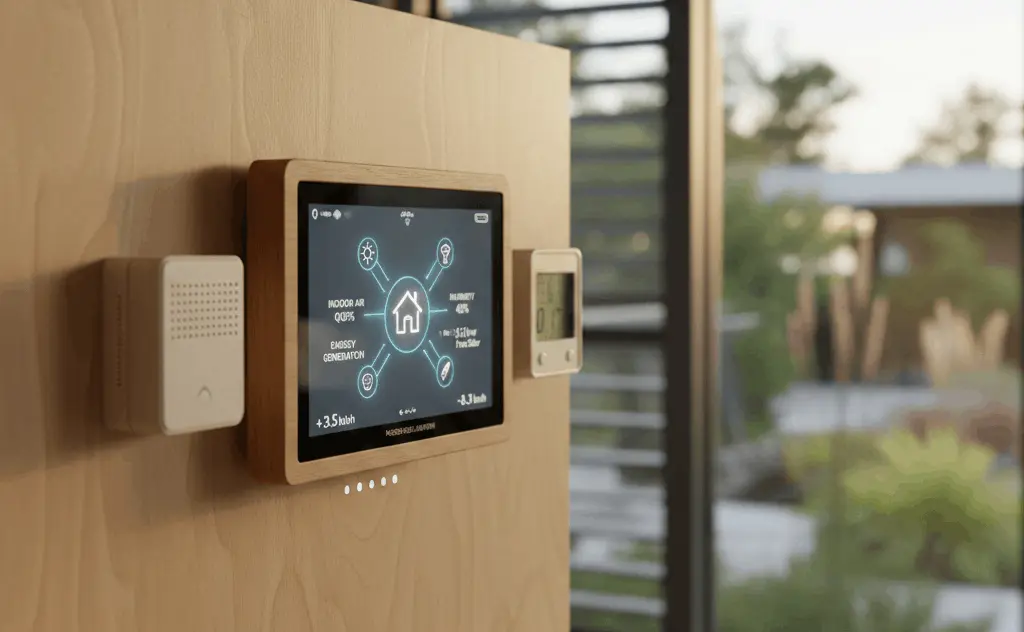
One of the advantages of energy storage is its compatibility with smart home systems. Passive house designs often include smart controls for heating, cooling, lighting and ventilation. Adding energy storage allows these systems to optimise energy use further.
Modern battery systems also include sophisticated energy management capabilities. These systems monitor solar generation, battery charge levels, grid electricity prices and consumption patterns to optimise when energy is stored, used or exported to the grid.
In passive house designs in Australia, smart systems can prioritise charging during peak solar generation, supply power during peak rate periods and ensure sufficient battery charge for overnight use. Some systems learn household consumption patterns and adjust automatically to maximise self-sufficiency and financial savings.
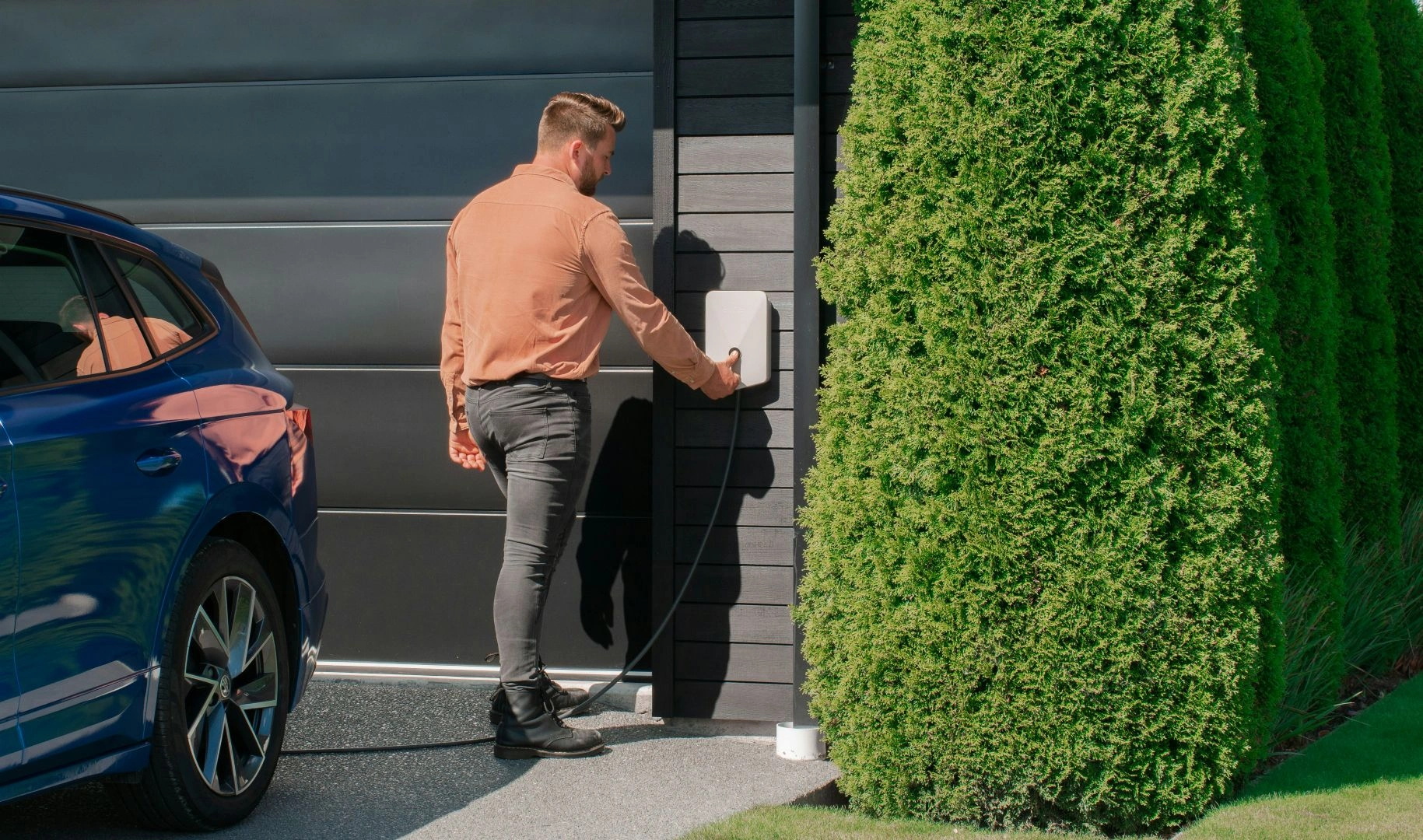
Integration with home automation allows the battery system to coordinate with other loads. For instance, electric vehicle charging can be scheduled for times when the battery is full and solar generation exceeds consumption. Heat pump hot water systems can operate during peak solar generation, using excess energy for water heating rather than exporting to the grid at low rates.
Financial and environmental benefits
Battery systems can add significant cost to passive home building projects, but there are government rebates and incentives in various states can offset portions of this cost.
The payback period depends on electricity rates, solar feed-in tariffs and consumption patterns. Passive houses achieve better returns than conventional homes because their minimal consumption means a larger proportion of energy comes from the battery system.
Rising electricity prices also improve the economics of installing energy storage. As grid energy costs increase, the value of stored solar energy increases proportionally. The long lifespan of quality battery systems means the investment continues delivering value over extended periods.
Future-proofing
When designing a passive house, you may consider including plans for additional battery capacity expansion if initial budgets are limited. Installing conduit, ensuring adequate electrical panel capacity and allocating space for additional batteries allows you to expand your storage down the line without major retrofitting costs.
Battery technology continues to improve with costs decreasing and performance increasing. This may also impact your battery system’s future.