How to use natural materials in passive house design
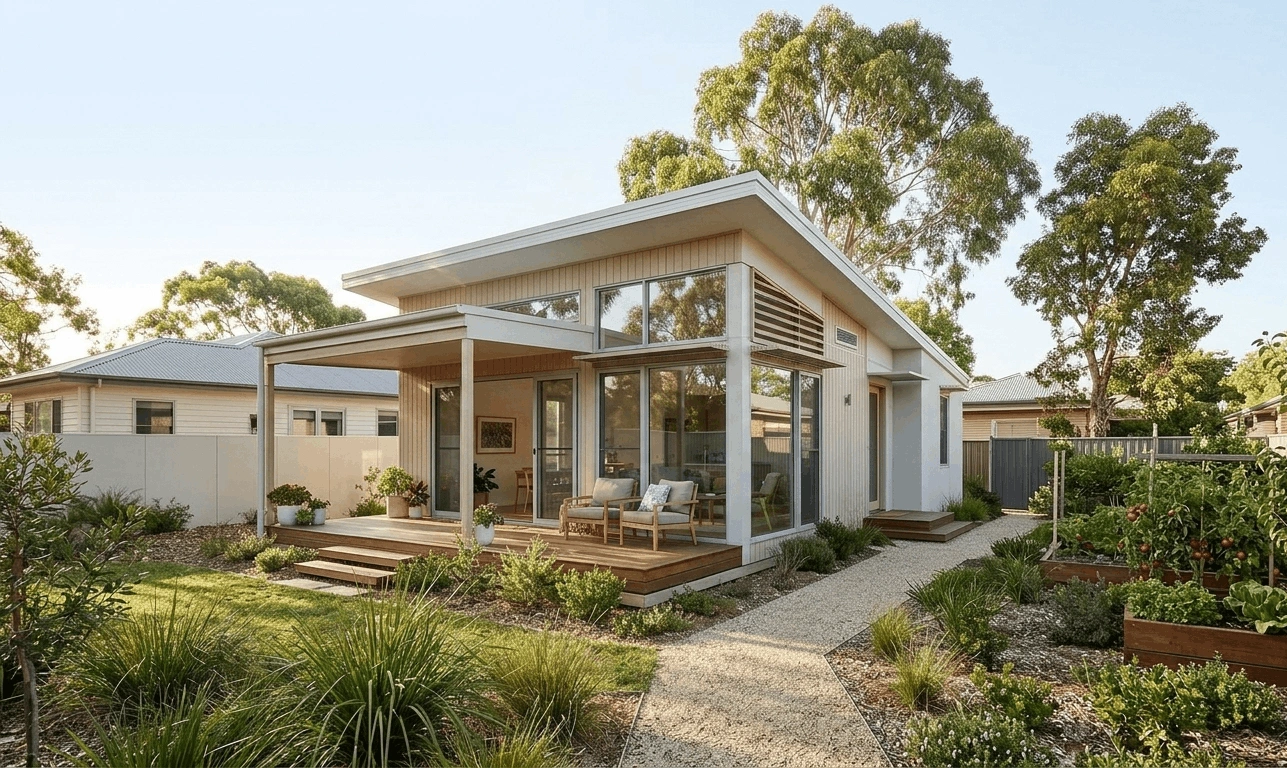
A passive house is defined by performance, not by how it looks. Airtightness, insulation, thermal bridge-free construction and controlled ventilation all sit at the heart of passive building design. Any materials used must support these principles.
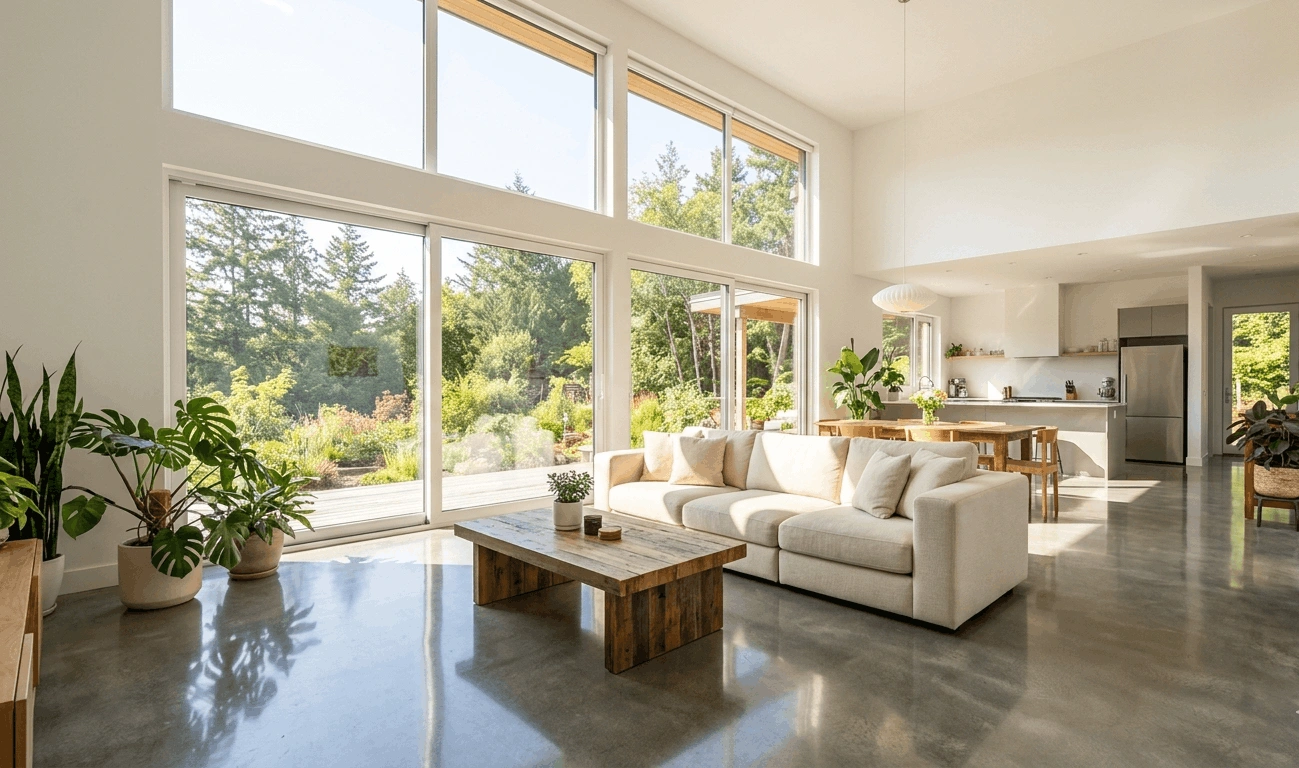
Luckily, using natural materials in passive house design is a practical way to improve comfort, durability and indoor air quality. Natural materials also help create homes that feel calm and grounded, which aligns well with the long-term thinking behind passive houses.
When designing a passive house, natural materials should be chosen for how they behave over time. This includes how they insulate, store heat, manage moisture and affect indoor air quality. A well-selected material palette strengthens the overall performance of a passive design house.
Timber
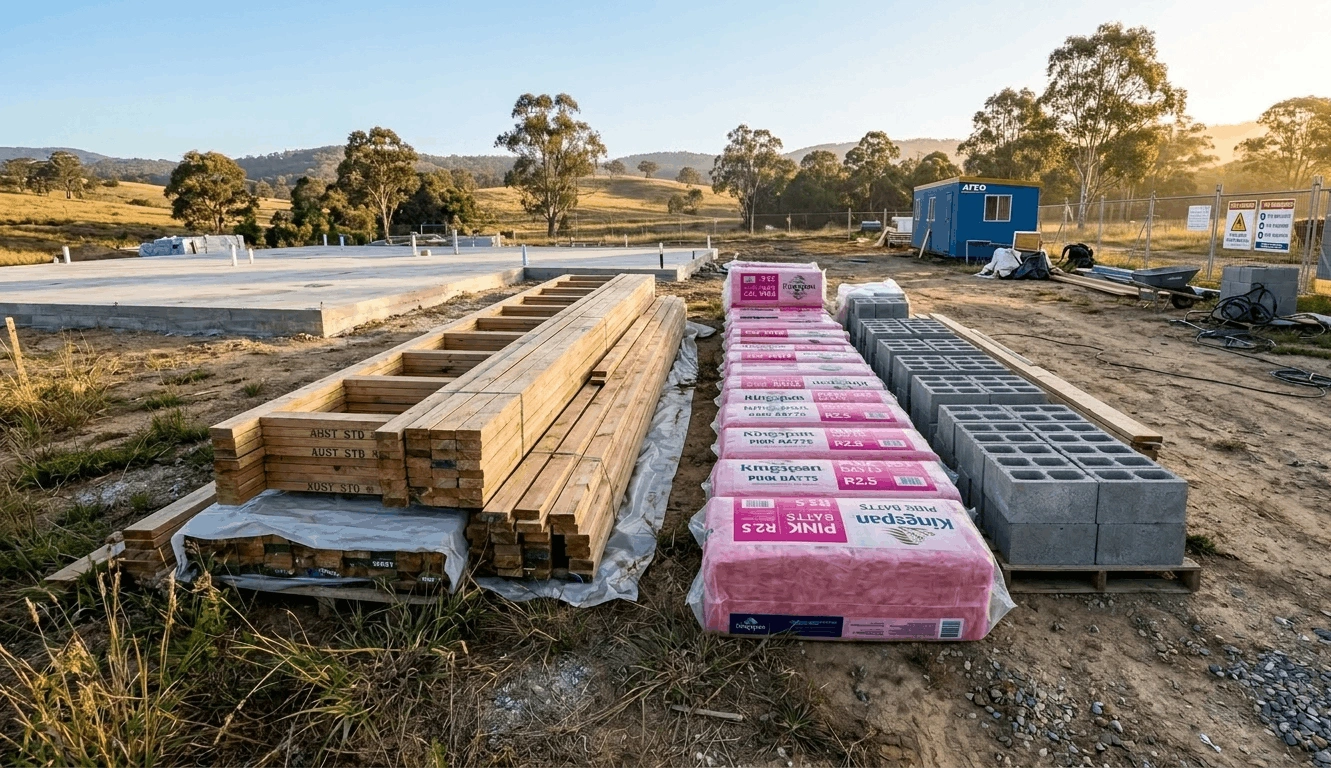
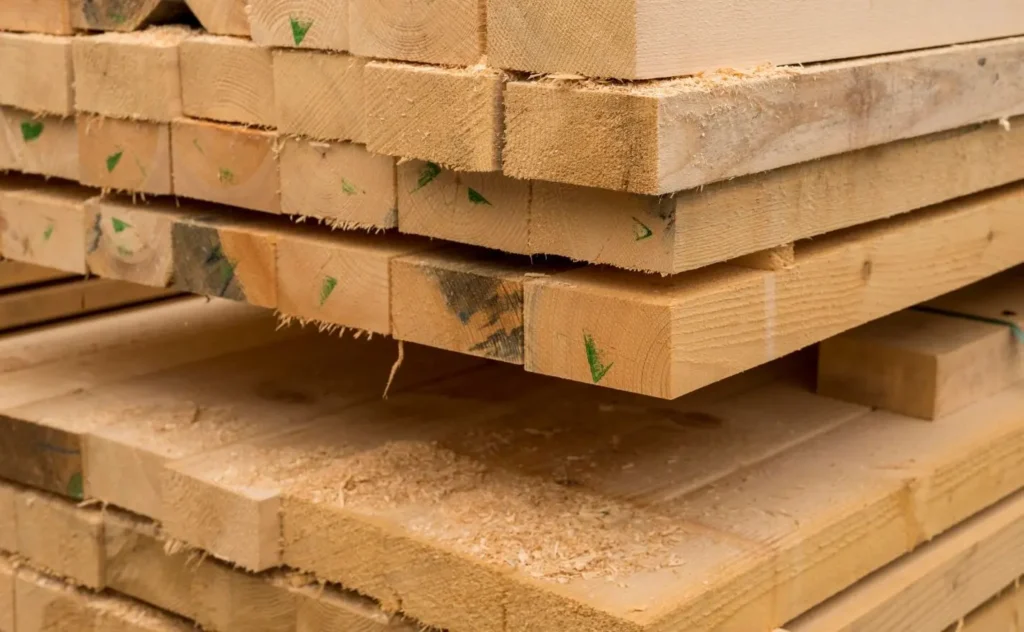
Timber is widely used in passive house designs. It is renewable, lightweight and predictable in performance when properly detailed.
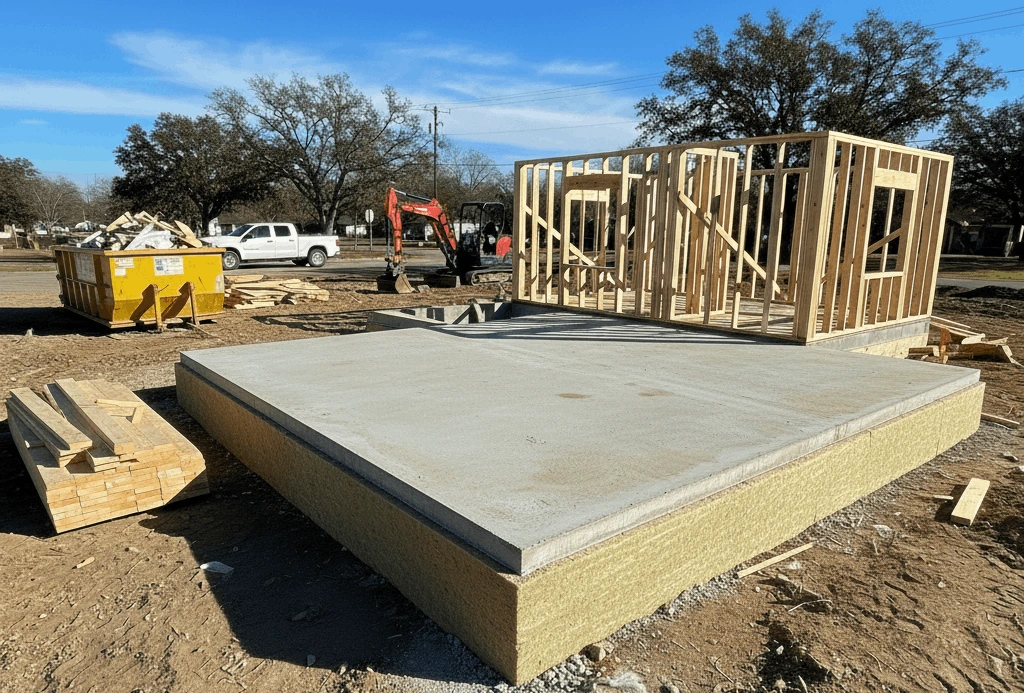
Structurally, timber works well in wall, floor and roof systems that need to accommodate thick insulation layers. Engineered timber products can also reduce thermal bridging when compared with steel.
Internally, exposed timber can add warmth and help regulate humidity. In many passive house designs in Australia, timber ceilings or wall linings are used inside the airtight layer, contributing to both comfort and appearance.
When selecting your timber for a passive house in Australia, you should always consider durability, sourcing and compatibility with airtight membranes.
Natural insulation
Natural insulation materials are increasingly popular in passive house designs in Australia. These include wood fibre, hemp, cellulose, sheep’s wool or cork.
These materials perform well thermally and often have good moisture buffering properties. This supports stable indoor humidity, which is important in passive home building where air exchange is controlled.
However, the quality of installation of your chosen insulation matters more than the product itself. Gaps, compression or poor detailing reduce effectiveness. Experienced passive house builders in Australia understand how to install these materials to meet certification standards.
Masonry
Masonry materials such as brick, rammed earth and stone are often associated with traditional construction. But in a passive house, their value lies in thermal mass. Thermal mass refers to a material’s ability to store heat energy and release it gradually over time.
When placed inside the insulated envelope, masonry can absorb and release heat slowly. This helps moderate indoor temperatures and improve comfort. This approach is common in high-quality passive house designs in Australia, particularly in climates with warm days and cooler nights.
External masonry must be carefully detailed to avoid thermal bridging, which occurs when heat escapes through solid materials that pass through insulation and create a direct path for heat loss. This is why it’s essential to choose an experienced passive house designer in Australia to ensure performance targets are met.
Natural finishes
Passive houses are airtight, which means the air inside the home is carefully controlled. Because fresh air is supplied mechanically, the materials used inside the house have a direct impact on indoor air quality.
Volatile organic compounds (VOCs) are gases released by some paints, adhesives and finishes that can affect indoor air quality and comfort. Using natural finishes helps reduce VOC exposure and keeps the indoor environment healthier.
Low VOC paints, natural oils, lime plasters and untreated timber finishes release fewer chemicals into the air. In a passive house, these finishes work well with the mechanical ventilation system, which continuously removes stale air and supplies fresh air, creating a comfortable, healthy living space.
Practical considerations
To get the best out of your natural materials, you need a thorough understanding of their limitations and maintenance needs. For example, timber requires protection from moisture and insects. Natural insulation materials need careful handling during installation to maintain their thermal performance.
Local building regulations may specify additional fire protection measures for some natural materials.
Sourcing natural materials locally helps reduce the overall carbon footprint of your passive house in Australia by reducing embodied carbon from transport.
The upfront cost of natural materials can sometimes be higher than conventional alternatives. But the long-term benefits – durability, reduced environmental impact, healthier indoor air quality and alignment with passive house principles – typically justify the investment for committed homeowners and builders.
Frequently Asked Questions
Natural materials can absolutely meet passive house airtightness standards when properly detailed and installed. The key lies in careful junction design, appropriate tapes and membranes, and quality workmanship. Many certified passive houses worldwide use predominantly natural materials while achieving air change rates well below the requirement.
- Natural materials can be just as durable as synthetic materials when they are selected and installed correctly. In a passive design house, careful installation and maintenance help natural materials perform reliably over the long term while also supporting healthy indoor air quality and comfort.
Yes. Many successful passive house designs in Australia combine natural and conventional materials, as long as airtightness, insulation and moisture control are properly managed.