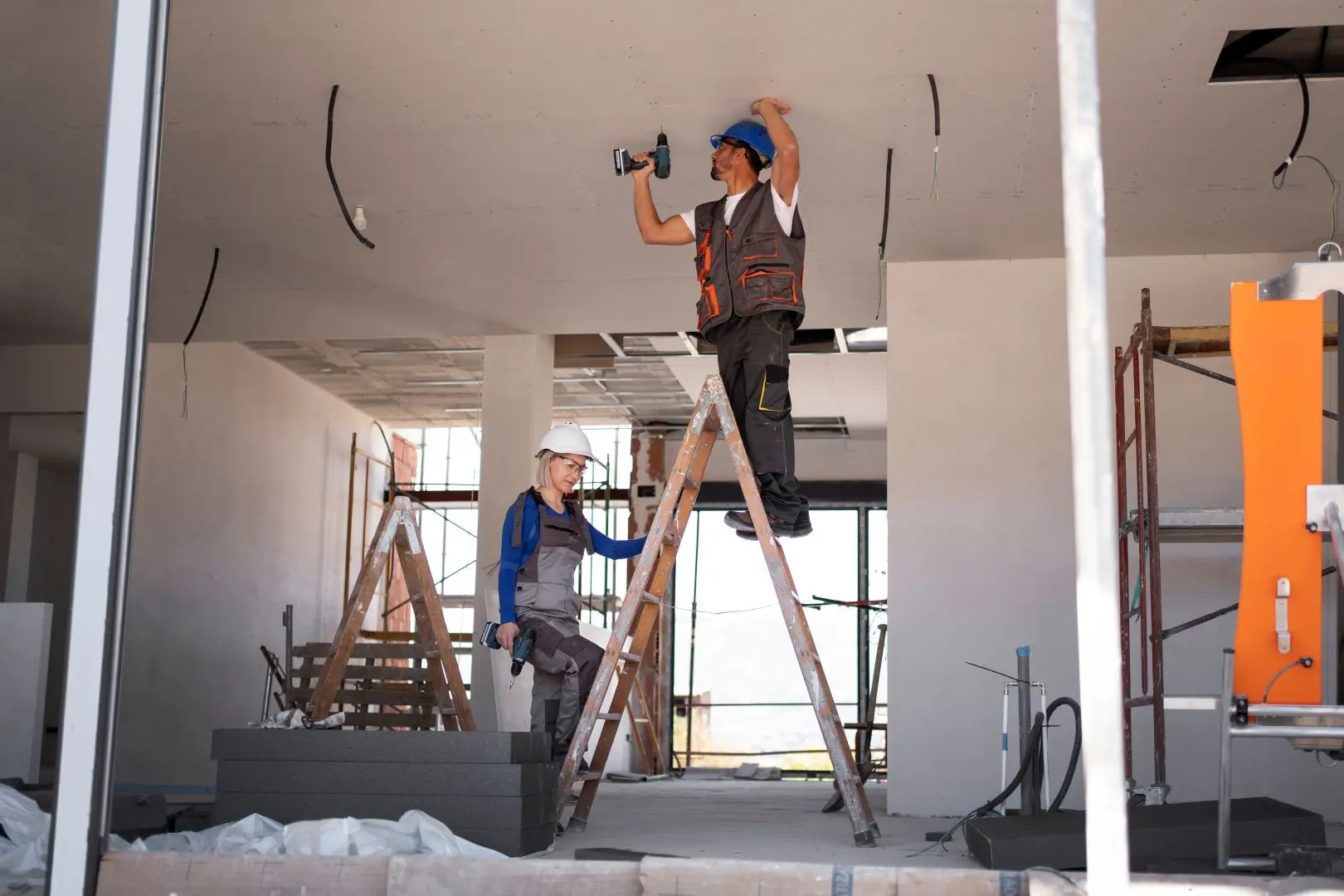
How to upgrade windows in existing passive houses
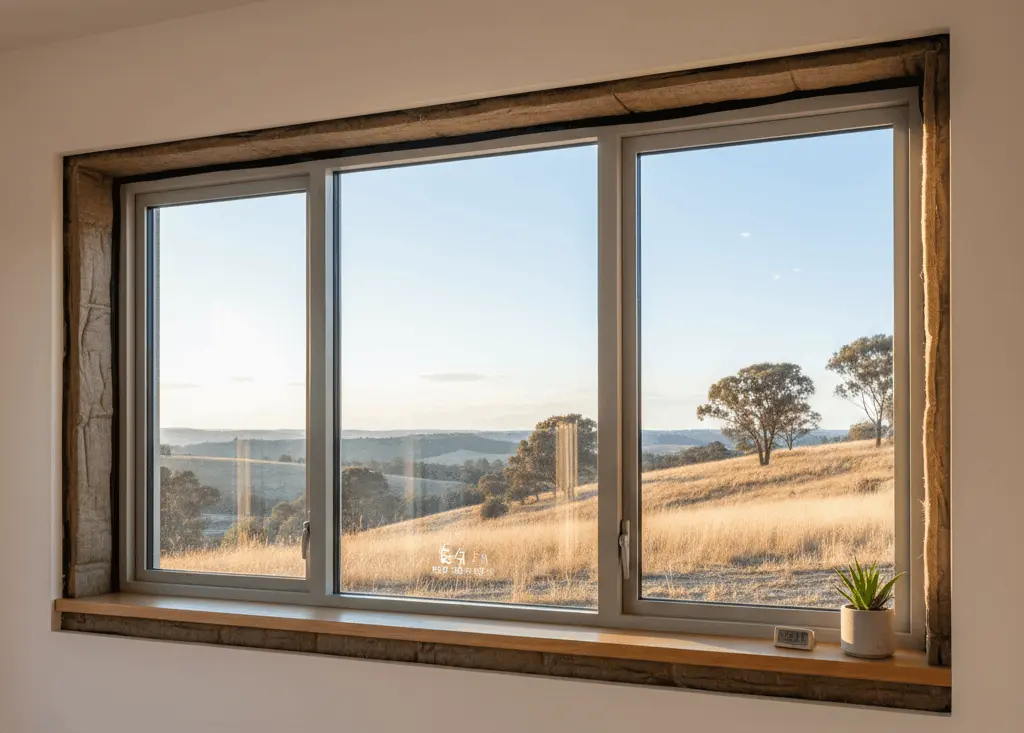
Even the most meticulously constructed passive house in Australia may eventually require window upgrades. Whether addressing wear and tear, improving performance or adapting to changing needs, replacing these critical components presents unique challenges that demand careful planning and execution.
The role of windows in a passive house
In a passive design house, windows are more than openings. They are part of the thermal envelope and contribute to airtightness, insulation and solar gains.
When designing a passive house, the selection of glazing, frames and seals is critical. In existing homes, older windows may reduce performance, create drafts or allow unwanted heat loss. Upgrading them can bring a home closer to the energy efficiency goals of passive house designs.
Assessing the current situation
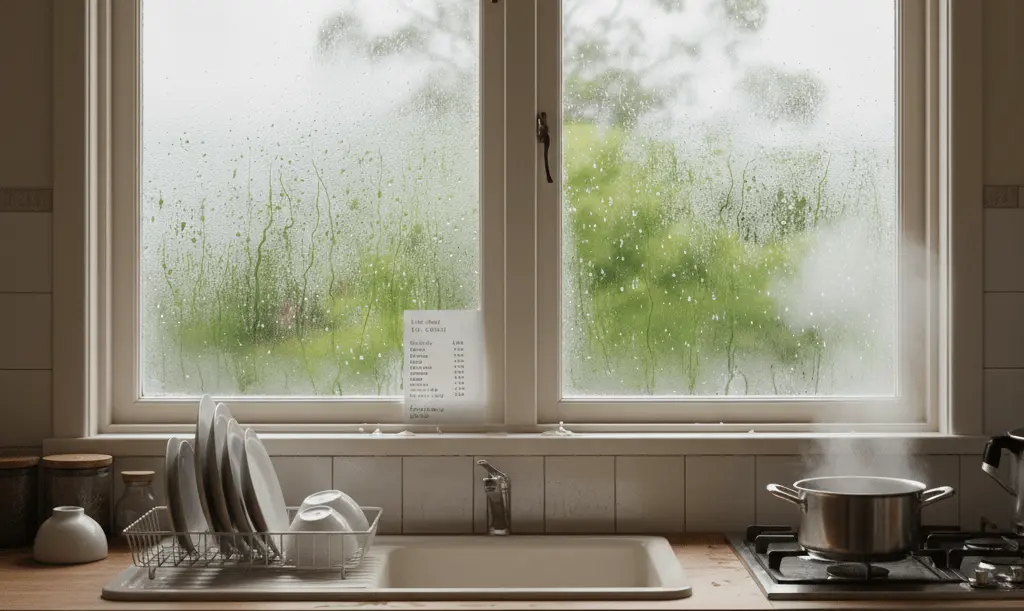
Before upgrading, it is important to assess the condition and performance of existing windows. Look for drafts, condensation, worn seals, damaged frames or poor insulation.
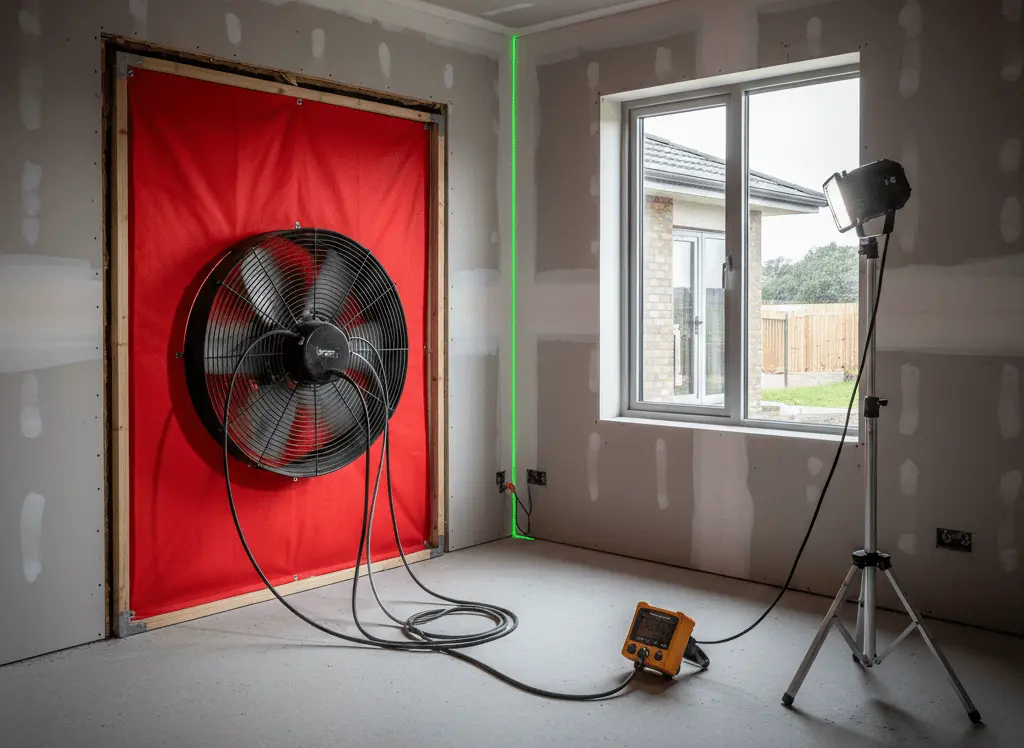
Experienced passive home builders or designers in Australia can conduct thermal imaging, blower door tests or energy audits to identify problem areas. This assessment helps prioritise upgrades and ensures that improvements contribute to overall passive building design performance.
Choosing the product
The Australian market offers various high-performance window systems suitable for passive houses. Look for products with certified performance data rather than relying on marketing claims. The Passive House Institute maintains a database of certified components that meet the stringent requirements.
Frame materials offer different advantages. Timber frames offer aesthetic appeal but require maintenance. Aluminium frames with thermal breaks provide durability and slim profiles but need careful detailing to avoid thermal bridging. uPVC frames deliver good thermal performance and low maintenance, though appearance may not suit all architectural styles.
Consider the glazing specification carefully. Triple glazing is standard in passive house designs, but the specific coatings and gas fills affect performance and cost. Northern-facing windows might use different specifications than southern exposures to optimise solar heat gain coefficient alongside U-values.
Maintaining airtightness
Airtightness is central to passive house design in Australia. When upgrading windows or doors, care must be taken to maintain the continuous airtight layer.
Seals, gaskets and flashing must be installed correctly. Penetrations for locks, handles or frames need proper detailing. Experienced passive house builders in Australia ensure that upgrades do not compromise the airtight envelope.
Managing thermal bridges
Thermal bridging occurs when heat passes through parts of the building that bypass insulation. Window frames, sills and reveals are common sources.
Upgrading with frames that reduce conduction and installing proper insulation around openings helps minimise thermal bridges. In passive house projects, attention to detail at junctions ensures that heat loss is minimised and condensation risk is reduced.
Timing and installation
Plan upgrades for mild weather when possible. This minimises the period when your building envelope is breached and reduces stress on the heating or cooling systems, maintaining comfort during the work.
If upgrading multiple windows, consider doing them in phases rather than all simultaneously. This limits the disruption to your air barrier and gives you the opportunity to refine the process based on initial results.
Correct installation is as important as the product itself. Poorly fitted windows can negate the benefits of high-performance materials.
Working with experienced passive home builders in Australia ensures that upgrades meet certification standards and integrate with ventilation, insulation and the airtight envelope.
After installation
After installation, you should test to confirm the upgrade hasn’t compromised the building’s performance. A blower door test measures airtightness and should show minimal degradation from the original result. Thermal imaging during cold weather reveals any thermal bridging or installation defects that need correction.
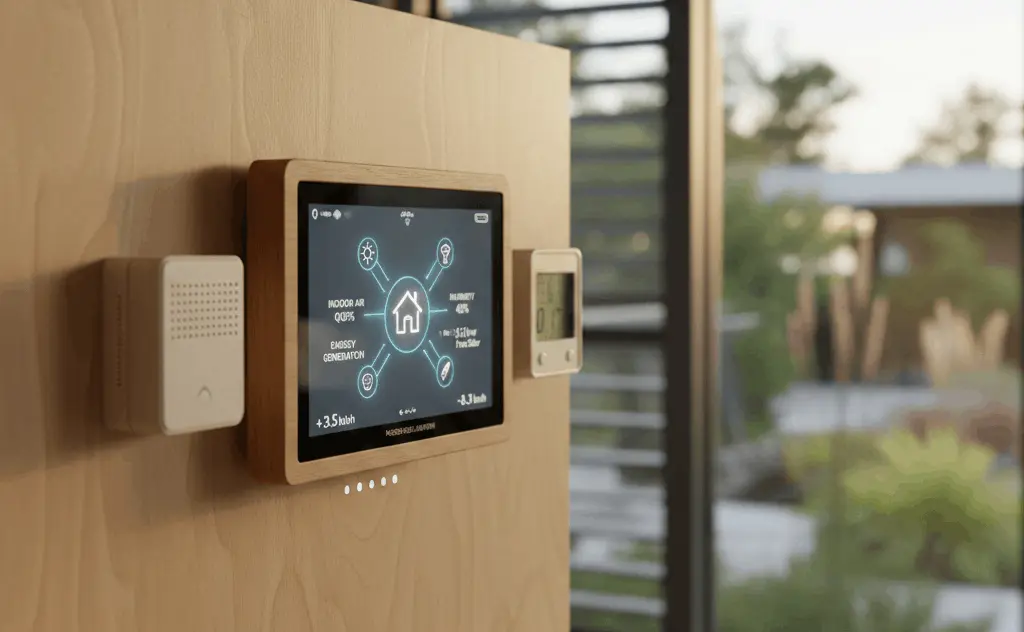
Many passive houses in Australia include ongoing performance monitoring. If your building has sensors tracking energy consumption and internal conditions, watch for any changes following the upgrade. Unexpected variations might indicate installation issues requiring attention.
Planning for the future
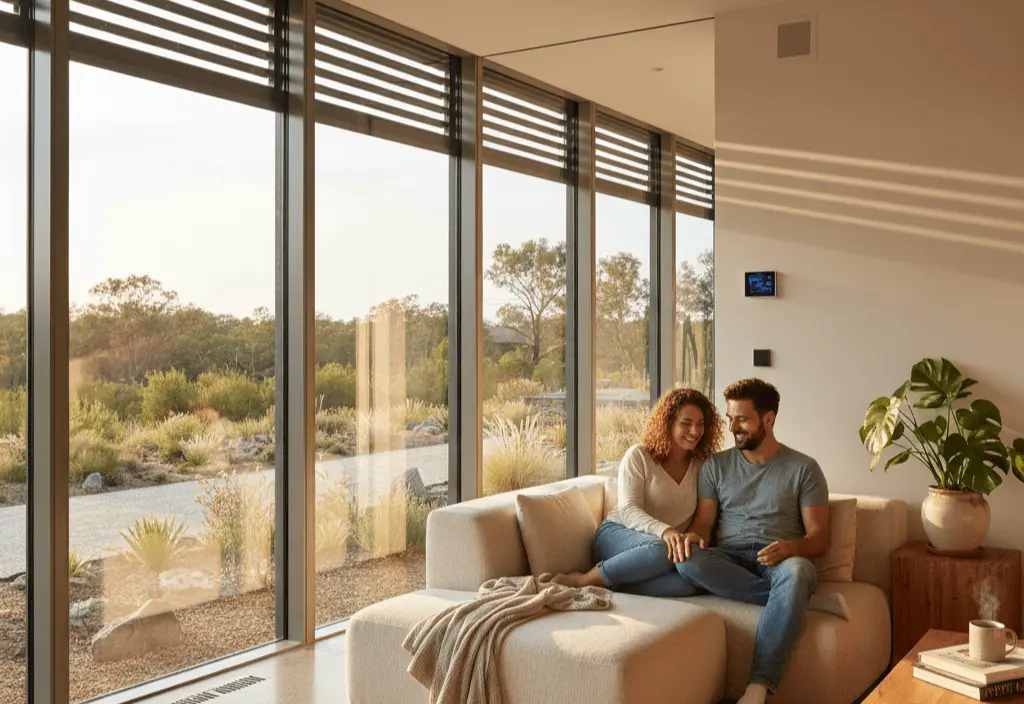
Window and door technologies continue to improve. When upgrading, consider options that allow for future enhancements such as smart shading, automated ventilation or advanced glazing. This approach ensures that your passive house design remains efficient and comfortable for years to come.
Frequently Asked Questions
Upgrading to components with equal or better performance specifications shouldn't affect certification, provided installation follows passive house standards. However, if you're replacing certified components with lower-performing alternatives, you may lose certification. Consult with the certifying body before proceeding and maintain documentation of all products and installation details for future reference.
Look for high-performance glazing, low U-values, airtight frames and suitability for your climate. Passive house designers in Australia can provide guidance to match your home’s orientation, insulation and energy goals.
Yes. Careful selection of products and correct installation by experienced passive house builders in Australia ensures airtightness is maintained while improving thermal performance.