How to talk to your neighbours about building a passive house

Building a new home is one of the most significant projects a person undertakes. It affects not just the people commissioning the build but the people living next door, across the street and nearby. When you are designing a passive house, the conversations you have with neighbours before and during construction can make the process significantly smoother.
Here is how to approach those conversations well.
Start early and keep it simple
The worst time your neighbour can find out about a major construction project is when a concrete truck arrives at seven in the morning. Getting in ahead of the build – ideally before permits are lodged – gives neighbours time to ask questions, raise concerns and feel consulted rather than informed after the fact.
When you introduce the project, keep the explanation simple. You do not need to deliver a lecture on passive building design or the physics of airtight construction. Most neighbours want to know three things: how long the build will take, how disruptive it will be and what the finished building will look like. Answer those questions first and let the conversation develop from there.
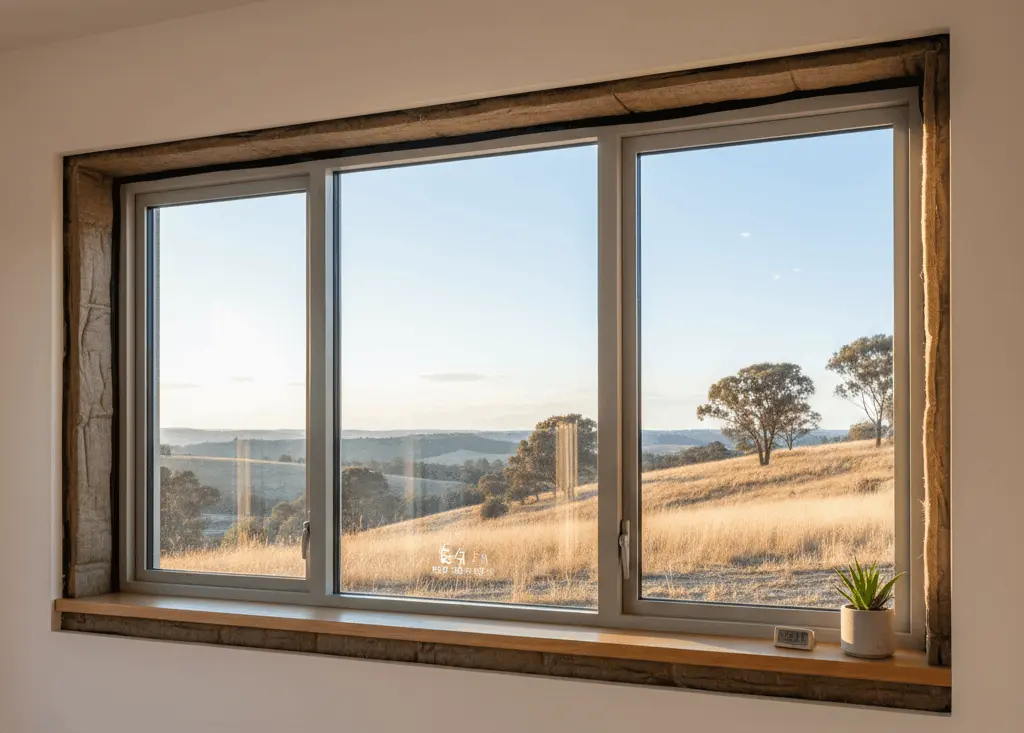
When neighbours ask what a passive house design is, which most will, it is worth taking a moment to explain it properly rather than brushing past it. A passive design house is a building standard focused on insulation, airtight construction and controlled ventilation. The walls will be thicker than those of a standard home. The windows are heavier and better sealed. A quiet ventilation system runs in the background, supplying fresh filtered air. The building looks much like any other from the street, but performs very differently from the inside.
This explanation satisfies curiosity, and it helps neighbours understand why certain aspects of the construction – the wall thickness, the careful detailing around windows, the additional time taken at key stages – look different to a standard build. A neighbour who understands what passive home building involves is far less likely to misinterpret careful, deliberate construction as something going wrong.
Address the practical concerns directly
Construction is disruptive. Noise, dust, vehicle movements, tradies in and out, and temporary fencing all affect the people living nearby. Acknowledging these impacts honestly and explaining what steps are being taken to manage them builds goodwill that carries through the entire project.
A good passive home builder will have clear site management protocols covering working hours, waste management and access. Sharing those details with neighbours early reduces anxiety and gives people a point of reference if something does arise.
It is also worth being specific about the timeline. Construction for a passive house design in Australia can take longer than a standard build, particularly during phases that require careful detailing of airtightness and insulation. Being honest about this upfront is better than repeatedly revising an optimistic estimate.
Highlight the benefits for the neighbourhood
A passive design house can contribute positively to the local community. These homes use less energy, produce fewer emissions and often include thoughtful landscaping.
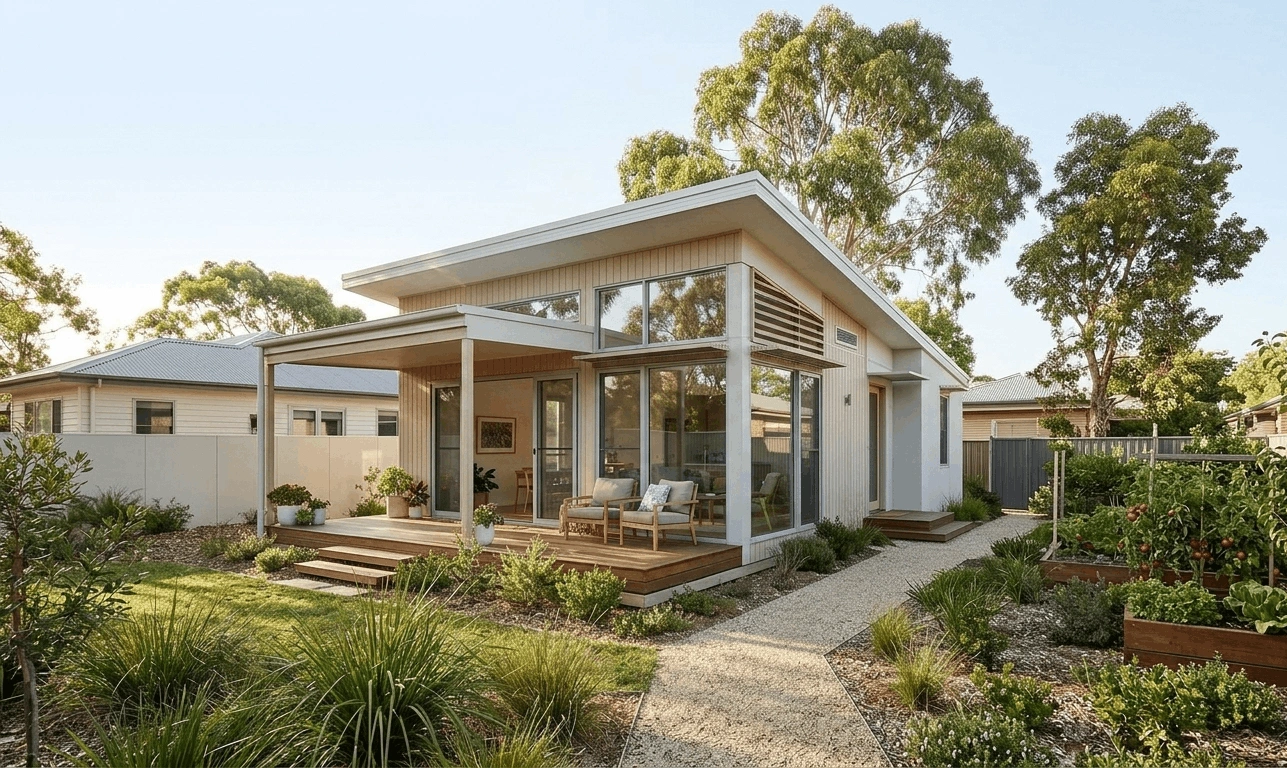
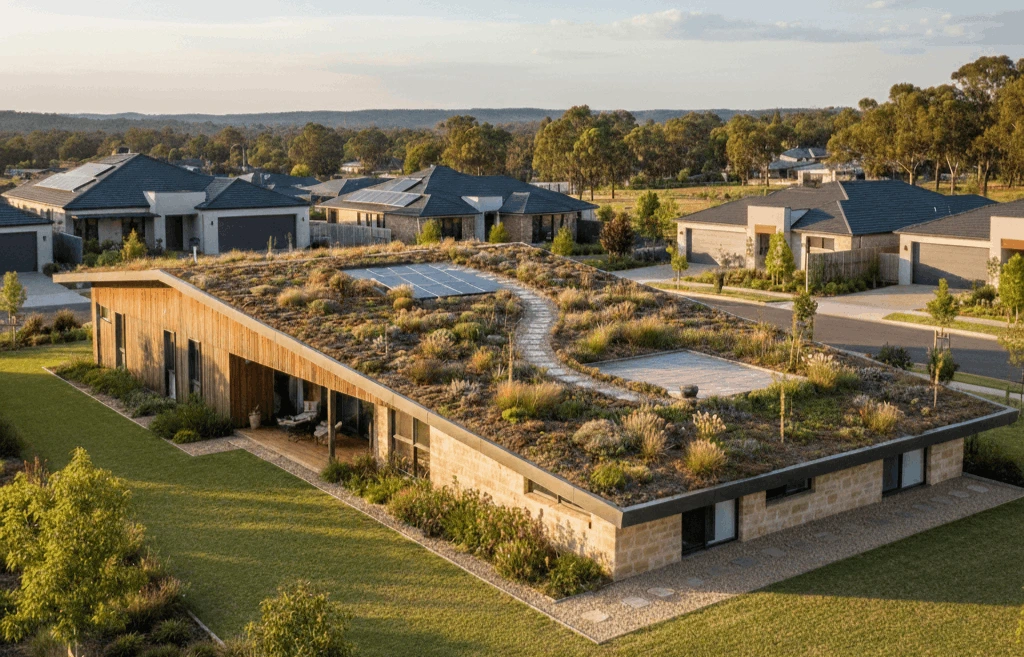
Explaining that the home will operate efficiently can reassure neighbours that the project supports broader environmental goals. Many passive house designers in Australia create homes that blend into the surrounding streetscape while achieving high performance standards.
You might also mention that a well-built home can contribute to property value and neighbourhood appeal. High-quality construction delivered by skilled passive home builders can add to the area over time.
Some unusual things they might see during the build
Neighbours may notice a few construction steps that are less common in standard homes. For example, passive house builders in Australia perform a blower door test during construction. This involves temporarily sealing the house and using a large fan mounted in an external doorway to measure airtightness. It may look unusual, but it is an important part of passive house design quality control.
Your neighbours might also see specialist tapes, membranes and careful sealing around windows and services. These details help maintain the airtight building envelope that supports passive building design. Explaining these steps can reassure neighbours that the unusual equipment or materials they see are simply part of creating a high-performance home.
Be open to questions
Neighbours are likely to ask questions as the project progresses. Being open and approachable encourages a friendly relationship.
If you are not sure how to answer a technical question, you can refer them to your passive home builder. These professionals can provide clear explanations of passive house design principles.
Sharing updates during construction can also help. A quick conversation over the fence about progress can prevent confusion and maintain goodwill.