How to reduce overheating in a passive house in Australia
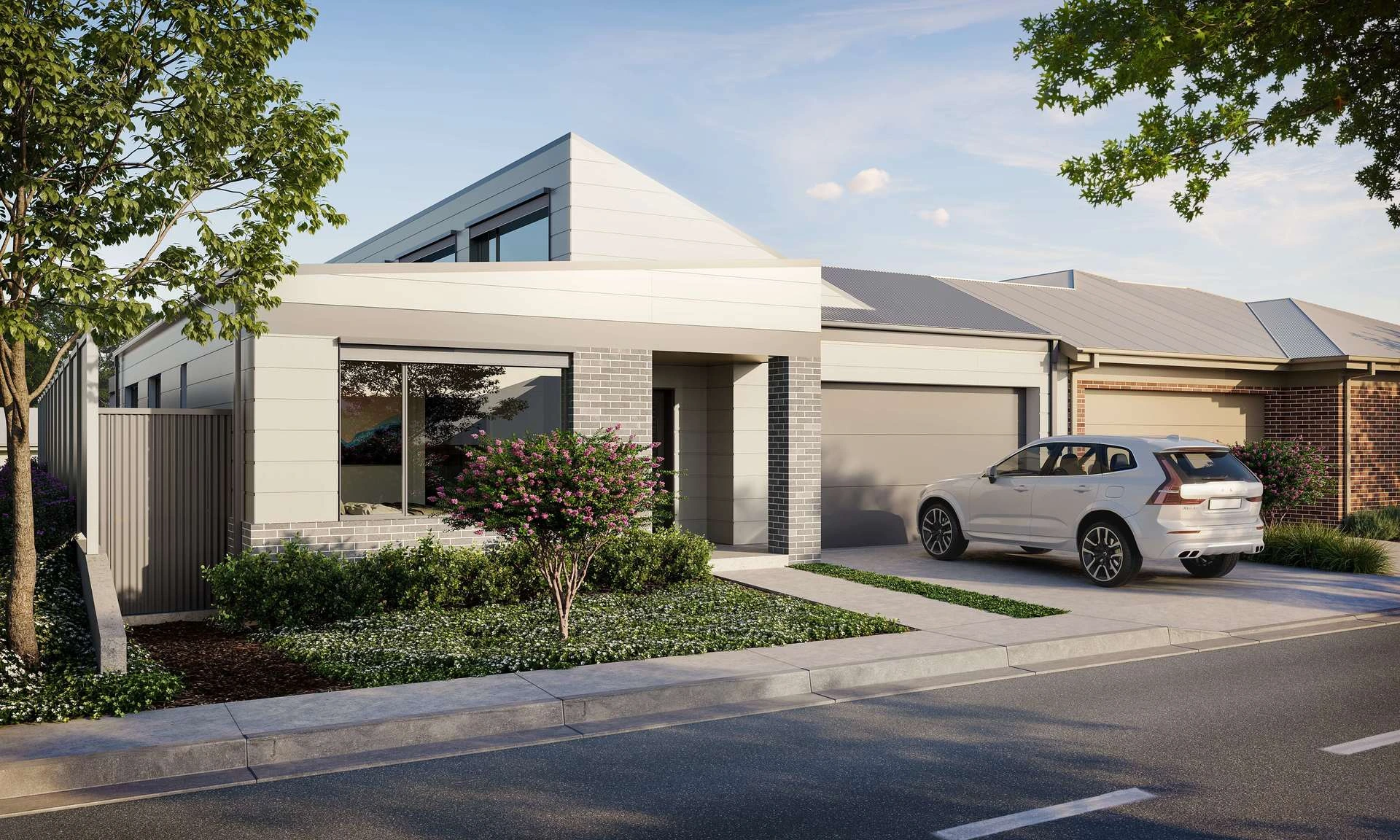
A passive house in Australia is designed to keep indoor temperatures comfortable all year round with minimal energy use. While the principles work well in the more moderate climates of Europe, the Australian weather adds unique challenges.
Hot summers, intense sun and long heatwaves can test even the best passive house designs in Australia. The good news is that by focusing on the right strategies from the start, overheating can be reduced or avoided.
Why does overheating happen in a passive house?
A passive design house is built to be airtight and well-insulated. This reduces heat loss in winter and keeps energy bills low. In Australia, however, the problem is not usually heating but cooling. When too much solar heat gets into the home or warm air is trapped indoors, the house can quickly feel uncomfortably hot.
Factors that can cause overheating include:
- Poor shading on windows
- Lack of ventilation
- Inappropriate building orientation
- Overuse of glazing without the right performance glass
Addressing these issues during passive house design is much easier than trying to fix them later.
Smart orientation and shading
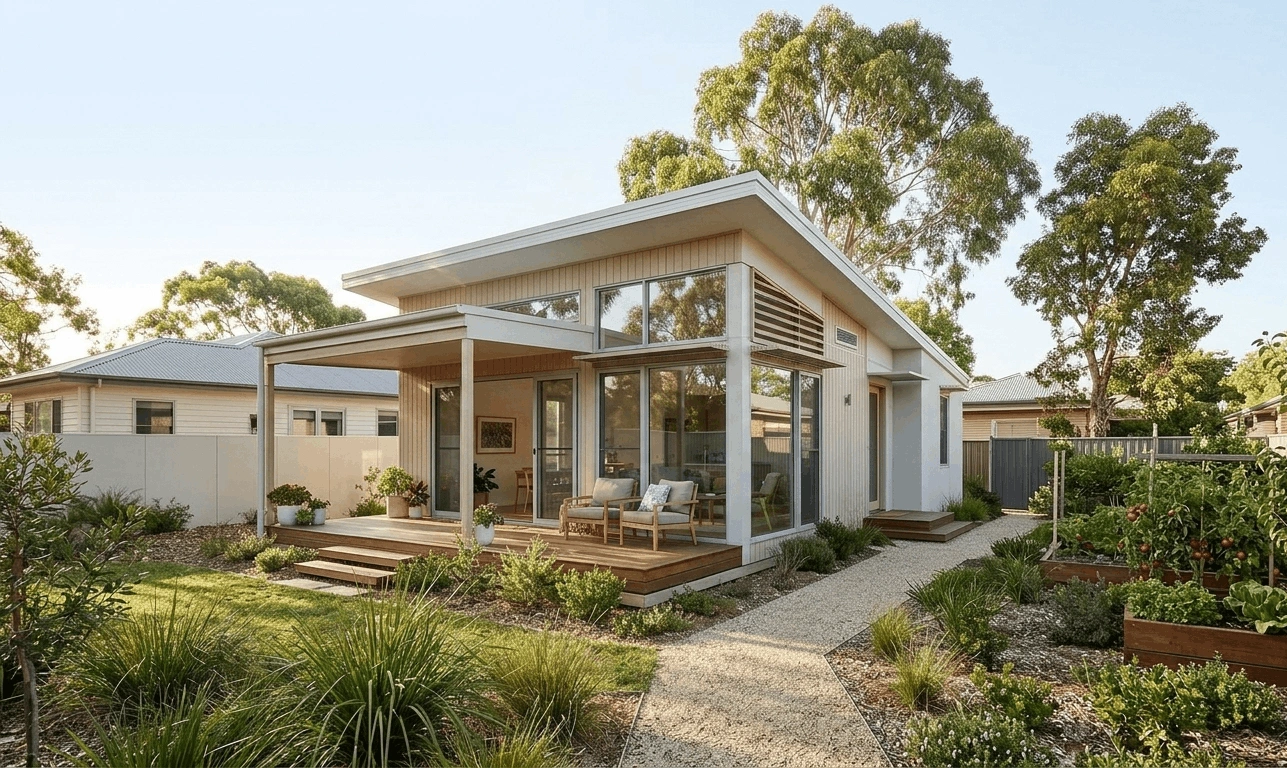
Designing a passive house starts with the orientation of the building. In most Australian locations, north-facing windows are ideal for winter sun, so to prevent overheating in summer, shading is essential. Roof overhangs, pergolas or adjustable louvres can block the high summer sun while still allowing winter light.
East and west windows are harder to manage because of the low angle of the sun. Limiting large openings on these sides or adding vertical shading can make a big difference. Planting deciduous trees is another natural way to provide seasonal shading.
Window performance and glazing choices
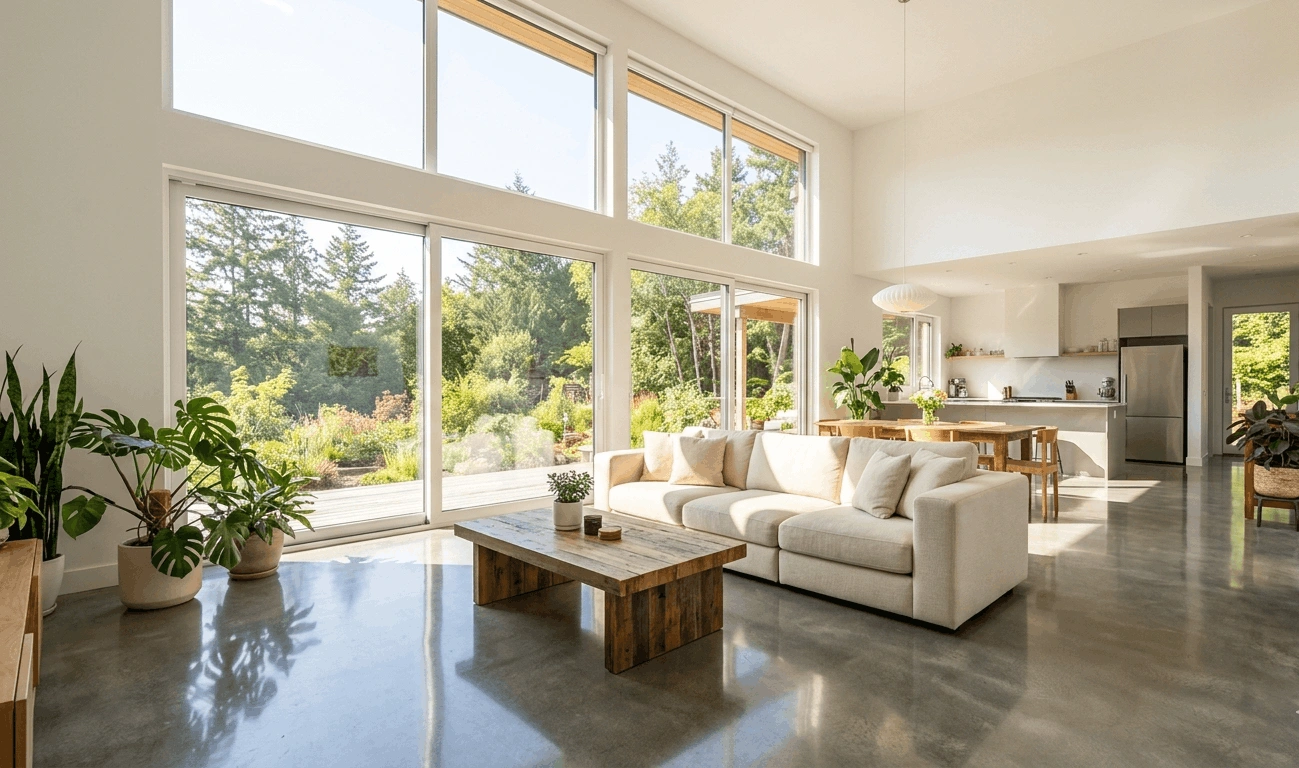
Windows are a critical part of passive house design in Australia. High-performance glazing reduces unwanted heat gain. Double or triple glazing with low-e coatings can filter solar energy while still letting in daylight. The right frame materials and airtight installation are also important to avoid leaks.
A passive building design should also balance the size and placement of windows. While large glass doors look appealing, they can become a source of unwanted heat if not used properly.
Ventilation and cooling strategies
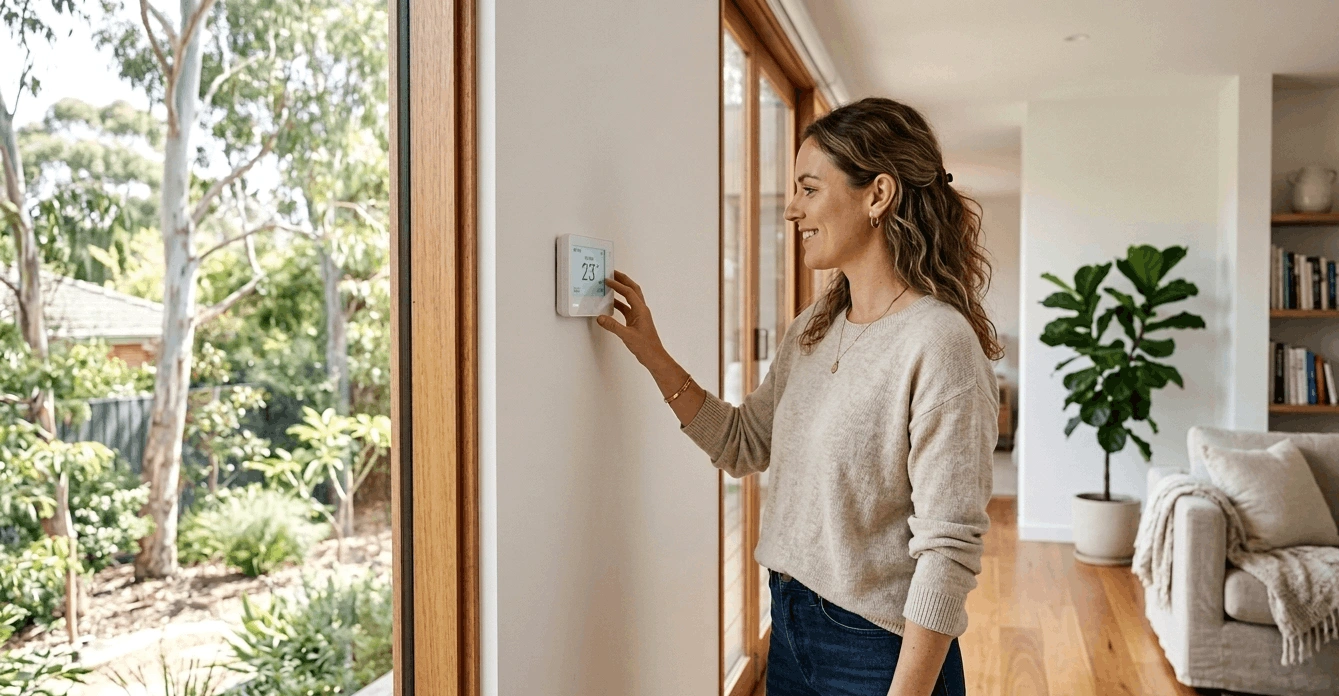
Most passive house designs use mechanical ventilation with heat recovery (MVHR). This system ensures fresh air is constantly supplied while stale air is removed, all with minimal energy loss. In hot climates, it is important to include a summer bypass function, which allows warm air to be vented without transferring heat back into the home. Some systems can also be paired with cooling options for extra comfort.
Even with the use of MVHR systems, natural ventilation still plays a valuable role in passive house design in Australia. Cross-ventilation – where breezes flow through the home from one side to the other – can reduce indoor temperatures during milder periods. Night purging, where windows or vents are opened at night to flush out hot air, is another effective technique.
Material choices and thermal mass
The materials used in passive home building affect how heat is absorbed and released. Depending on your climate, thermal mass – materials like concrete or brick that store heat – can either help or hinder. In cooler areas, thermal mass is useful for holding winter warmth. In hot climates, too much internal thermal mass can trap heat.
That is why in Australia, lightweight construction or materials with less thermal storage can be a better option.
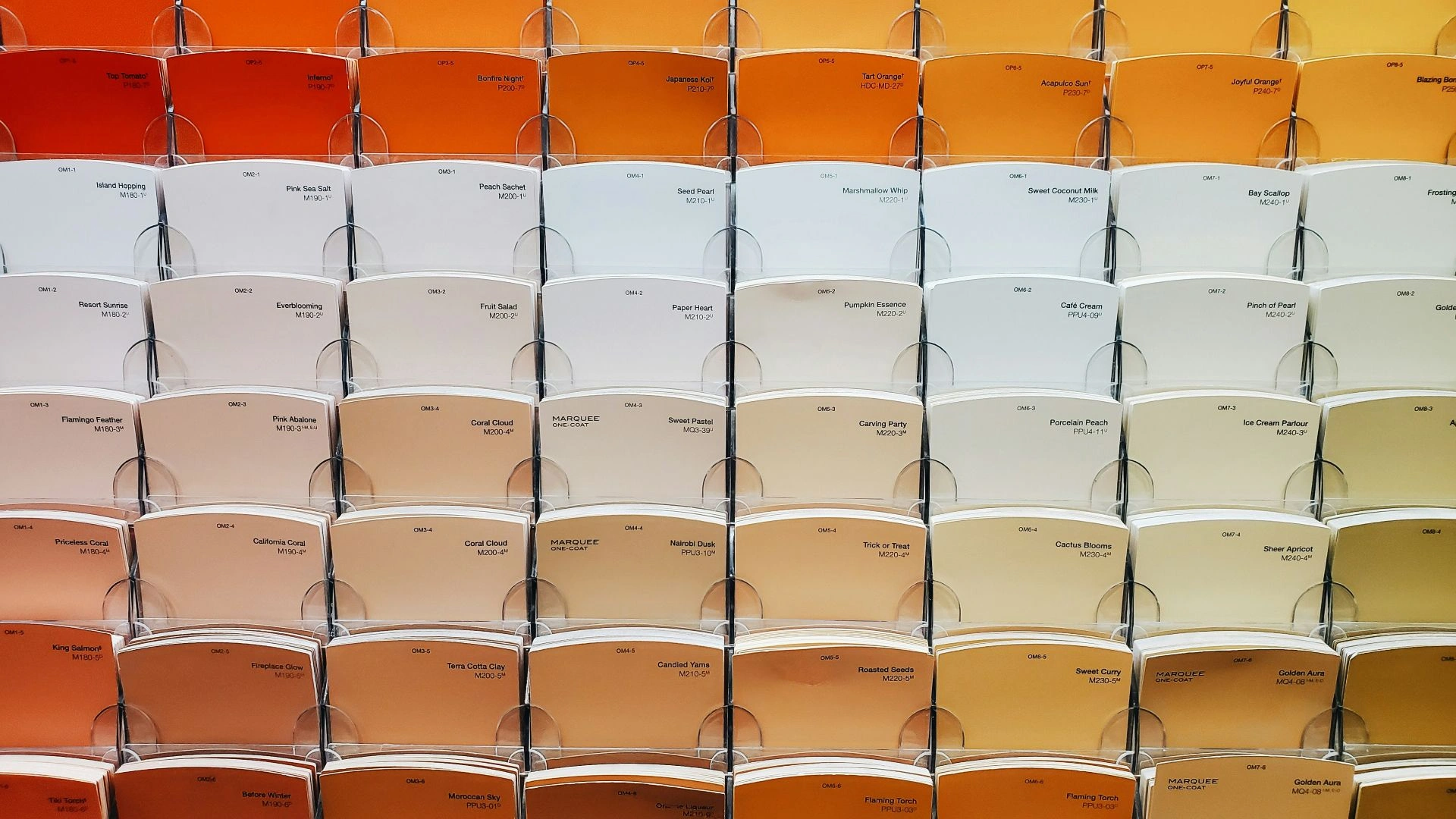
Additionally, the colour of your roof and external walls makes a significant difference. Dark colours absorb heat, which then conducts into the structure. A light or white-coloured roof will reflect more solar radiation than a dark one, reducing the heat load on the ceiling insulation. Similarly, opting for lighter finishes on exterior walls helps reflect heat away from the building envelope.
Frequently Asked Questions
While a certified passive house in Australia should only require minimal cooling, it may still benefit from a small, highly efficient air conditioning unit for the few hottest days of the year or in very humid climates. The design goal is to minimise its use, not eliminate it entirely.
No, insulation itself isn't the problem, but rather the source of the heat. The high insulation in passive house designs is very good at keeping heat out, but it can also trap heat in if it enters. This can happen if you have unshaded windows or leaks in the building envelope. The solution is preventing heat entry, not reducing insulation.
In humid areas, the MVHR unit should have a dehumidification function. Managing humidity is key to thermal comfort, as high humidity makes warm air feel much hotter. This is a key consideration for any passive house designs in Australia, particularly those built on the coast.
Look for passive house builders in Australia with certified tradespeople and a proven track record of completing projects that have been successfully certified by a third party. They should be well-versed in the specifics of passive house design in Australia and local climate requirements.
Yes, they are adapted. The International Passive House Standard has specific requirements for 'Warm' and 'Hot' climate zones. While the principles of insulation and airtightness remain, the certification criteria place a stricter limit on the cooling demand and require a much lower solar heat gain coefficient for windows than in cooler climates.