How to manage humidity in a passive house in Australia
The passive house standard is globally recognised as a way of building homes that offer exceptional thermal comfort and drastically cut energy use. A core principle of passive house design is the creation of an airtight building envelope, which, combined with the mechanical ventilation with heat recovery (MVHR) system, ensures a constant supply of fresh, filtered air.
However, in many parts of Australia, particularly the hot and humid coastal regions like Queensland and northern New South Wales, an airtight home often raises an important question: how do you manage internal humidity effectively? High humidity not only causes discomfort but can also lead to mould growth and potential damage to the building fabric.
The good news is that the core components of a passive house in Australia are equipped to manage moisture, provided the design is correct.
Controlling humidity in passive homes
In a traditional Australian home, humidity is often controlled poorly. Moisture generated indoors from cooking, showering and even breathing can be trapped, or it escapes via uncontrolled draughts, causing condensation inside the walls and ceilings.
A passive house design manages moisture by addressing two key areas:
- Airtightness: The airtight envelope of a passive home building prevents humid external air from seeping uncontrollably into the house and condensing on cooler internal surfaces. It also prevents the moisture generated inside the home from travelling uncontrolled into the wall structure.
- Controlled ventilation: The MVHR system continuously exhausts stale, humid air and introduces fresh, dry air. This process removes the source of excess internal moisture in a highly controlled, energy-efficient way.
Managing humidity in hot Australian climates
Although the MVHR system is the main tool for indoor air quality and humidity management in a passive house, in Australia’s hot climates, designers may need to add further measures.
1. Energy recovery ventilators (ERVs)
While a standard MVHR unit transfers heat, an ERV transfers both heat and moisture. This means that during a hot, humid Australian summer, the ERV brings in fresh air but removes a significant portion of the incoming air’s moisture before it enters the living space.
In some cases, passive house builders in Australia have installed both systems, allowing the residents to switch between them depending on the temperature and humidity levels of the outdoor air.
2. Dehumidification systems
Some passive houses in Australia use mechanical air conditioning in addition to their MVHRs. In these cases, air conditioning units can be chosen for their dehumidification capacity as well as their air cooling functions.
However, if you opt to install an air conditioning unit, it must be the correct size. Because the passive home’s thermal envelope is so efficient, very little energy is needed for temperature control. Therefore, the air conditioner must be correctly sized to run for long enough cycles to strip moisture from the air without over-cooling the room. Oversized units are a common mistake in conventional homes – they cool the air too quickly, switch off and leave the humidity unaddressed. Expert passive house designers in Australia will be able to accurately specify small, efficient systems.
3. Interior sources of moisture
While the passive design house takes care of external air and ventilation, you can also manage internal moisture:
- Kitchen and bathroom extraction: While the MVHR runs constantly, dedicated extraction fans should be used during cooking and showering to remove concentrated bursts of moisture immediately. These should vent directly outside.
- Airtight construction detailing: The quality of the airtightness layer is crucial. Any gaps can allow wall cavities to become damp. This is why the expertise of passive house builders in Australia and the airtightness testing are non-negotiable parts of achieving passive house certification.
The role of design in moisture management
Effective humidity control starts long before construction. Your passive house designers should pay careful attention to:
- Vapour control: Passive house designs specify a continuous vapour control layer on the warm side of the insulation, preventing moisture from condensing inside the wall assembly (interstitial condensation), a particular risk in mixed climates.
- Material selection: The choice of building materials, especially those with good moisture buffering capabilities, can help to even out humidity peaks within the house.
- Shading and glazing: Correctly selected high-performance windows and external shading are not just for temperature control – they prevent solar gain, which, when combined with high humidity, can create an oppressively stuffy indoor environment.
Frequently Asked Questions
Yes, you can open the windows. However, on a hot, humid day in Australia, you will lose the benefit of the filtered, dehumidified air supplied by the MVHR/ERV and introduce moisture and heat. Occupants of passive houses in Australia rarely need to open windows for ventilation, choosing instead to open them only when external conditions are pleasant. In suitable climates, 'night venting' is highly effective: opening windows briefly when the external temperature drops can rapidly flush out stored internal heat, cooling the home for the next day.
The optimal range for comfort, health and building preservation is generally considered to be between 40% and 60% relative humidity. One of the benefits of a certified passive house is that the MVHR or ERV system, specified by passive house designers in Australia, works continuously to keep the internal humidity within this healthy band, preventing the high levels that encourage mould and mildew growth.
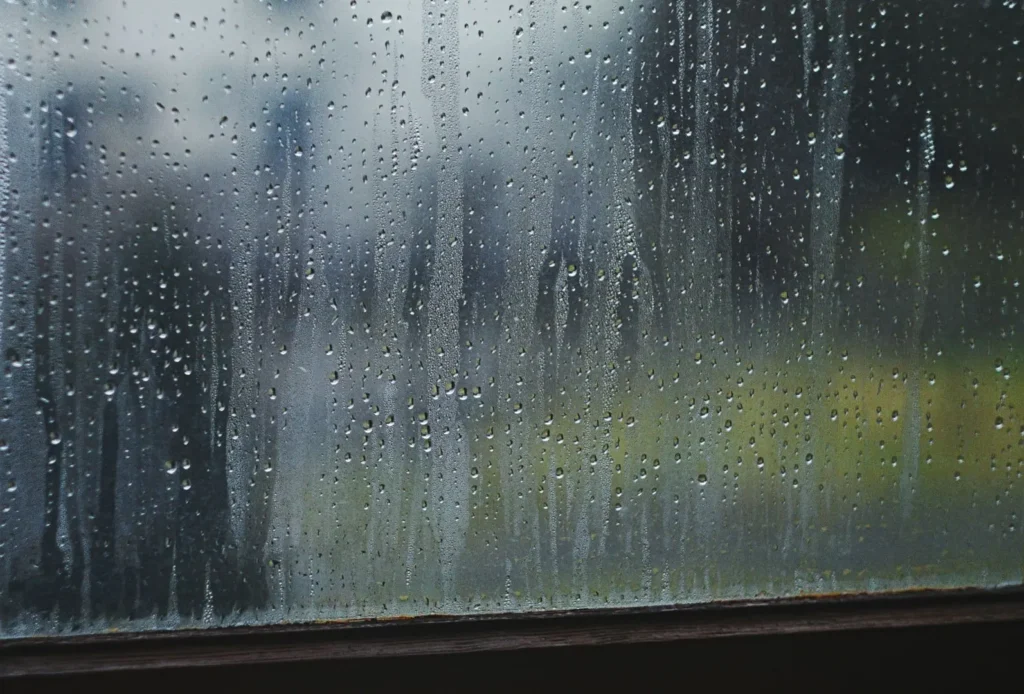
Warning signs of inadequate humidity control include persistent condensation on windows, musty odours or visible mould growth. If you notice these issues, check that your ventilation system filters are clean, extraction grilles aren't blocked and the system is running at appropriate speeds. You can also monitor indoor humidity with a digital hygrometer placed in your main living area. Readings consistently between 40–60% indicate your system is working.