How to integrate passive house principles in commercial buildings
Buildings are currently responsible for 39% of global energy-related carbon emissions. They consume vast amounts of energy for heating, cooling and ventilation, making the adoption of energy-efficient building standards increasingly critical.
Passive house design offers a proven methodology for reducing energy consumption in buildings while maintaining superior indoor comfort.
As demonstrated by projects across Australia, integrating these principles into commercial developments is not only feasible but increasingly economically viable.
Understanding passive house principles
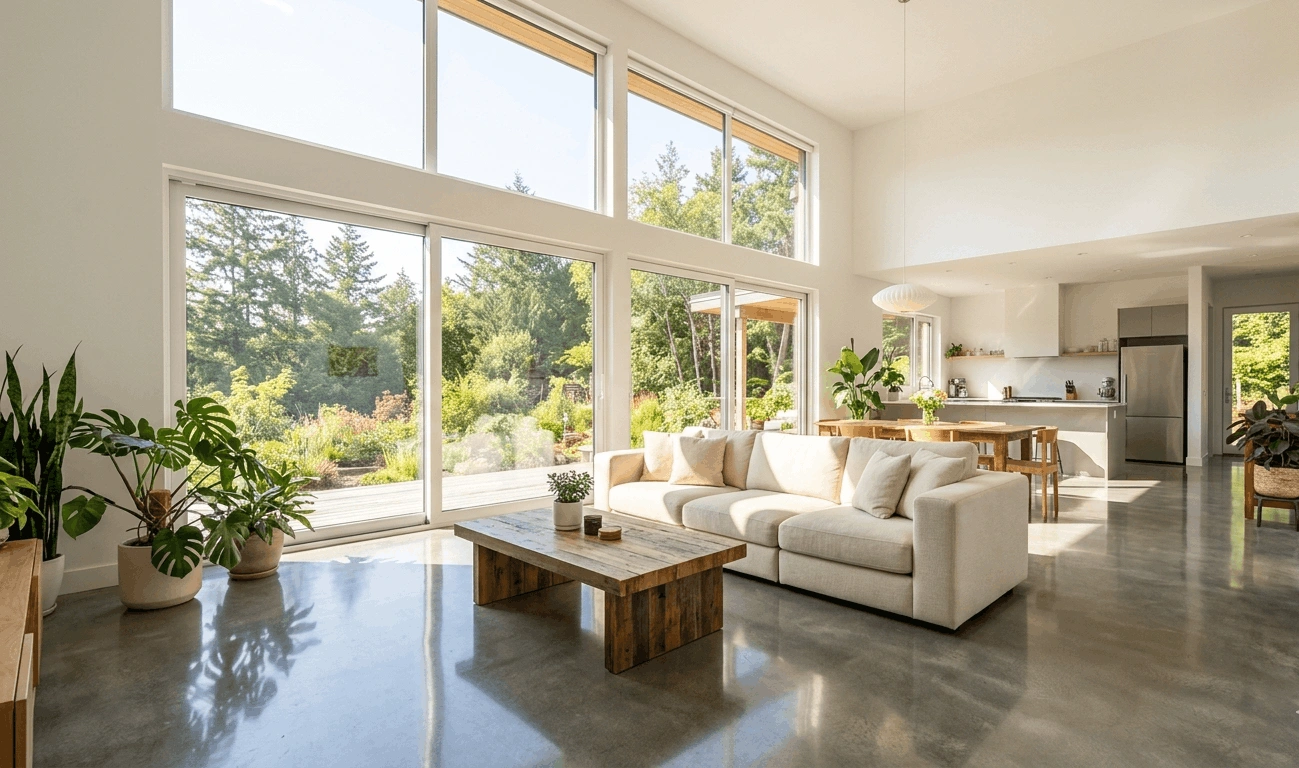
A passive design house relies on careful planning of the building envelope, orientation, insulation, ventilation and window placement to maintain comfortable temperatures without relying on active heating or cooling systems. Designing a passive house focuses on reducing energy demand first, rather than simply adding renewable energy systems to a traditional building.
Key principles include:
- Extremely airtight building envelopes to reduce energy loss
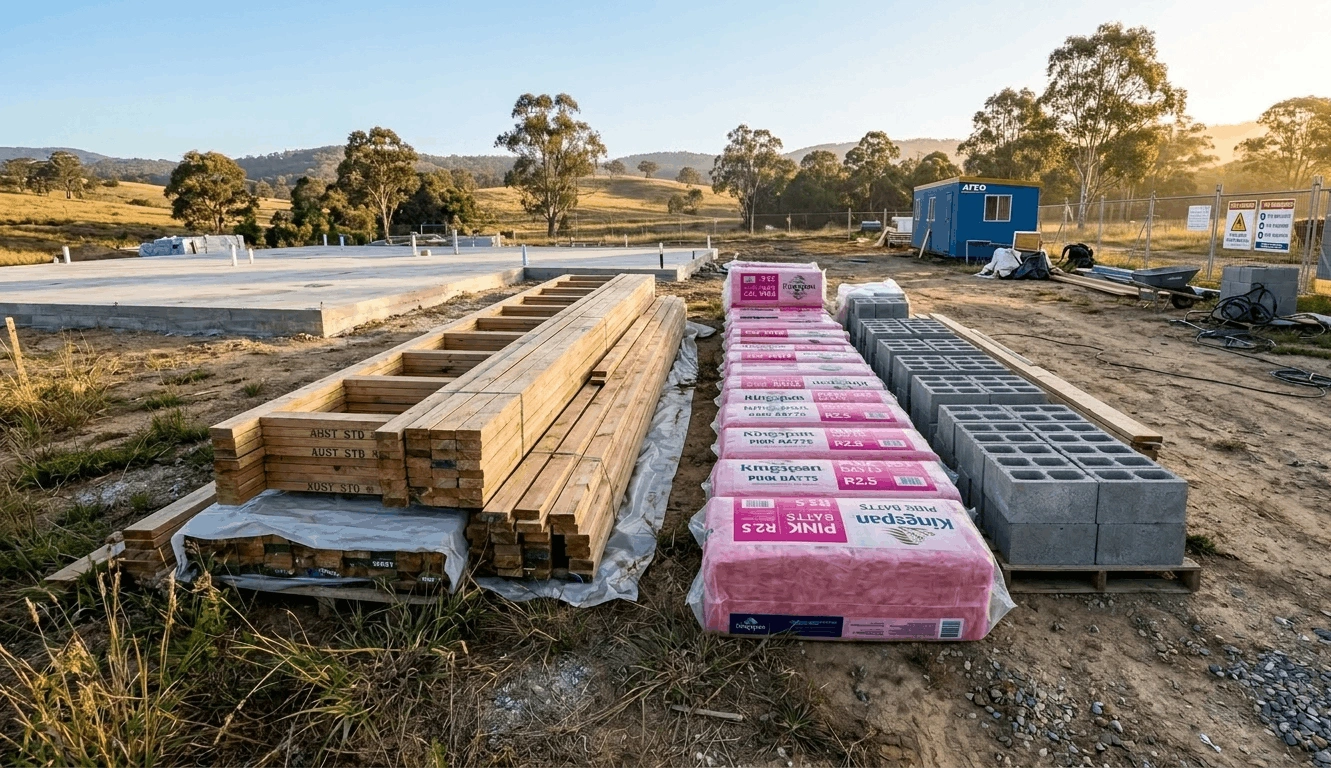
- High levels of thermal insulation in walls, roofs and floors
- Thermally broken windows and doors to prevent heat transfer
- Mechanical ventilation with heat recovery to maintain indoor air quality
- Eliminating thermal bridges through careful construction detailing
- Using solar orientation and shading strategies to control heat gain
To apply these principles in a commercial setting, you would need to consider higher occupancy rates, varied internal loads and multiple usage patterns throughout the day.
Starting with design and planning
Integrating passive building design principles must begin at the earliest conceptual stages. Unlike conventional approaches where energy efficiency might be considered later, designing a passive house requires vital decisions about orientation, form and material selection to be made with energy performance as a primary driver.
Site orientation plays a crucial role, particularly in commercial applications where daylighting can significantly reduce artificial lighting loads. The building’s form should minimise surface area relative to volume, reducing heat exchange with the external environment. Early engagement with passive house designers in Australia and environmental consultants can help make sure that these principles inform the architecture from the outset.
Addressing the thermal envelope
The thermal envelope represents the barrier between conditioned interior spaces and the external environment. Achieving passive house standards requires continuous insulation throughout this envelope, with thermal bridging eliminated or minimised at all joins.
In commercial applications, this presents unique challenges. The Bob Marshman Building in Brisbane, completed in July 2024 as Australia’s first certified Passivhaus Plus training facility, demonstrates how these challenges can be overcome even in subtropical climates. The project team detailed a continuous airtight membrane on the building’s exterior to reduce condensation risk in the humid climate, carefully considering how each building material interfaced with this critical layer.
Managing ventilation and indoor air quality
Superior indoor air quality is one of the most compelling reasons to consider using passive home building principles in commercial settings. Mechanical heat recovery ventilation (MHRV) systems supply continuous fresh air whilst recovering up to 90% of the thermal energy from exhaust air.
This becomes particularly valuable in commercial buildings with high occupancy rates, where conventional ventilation approaches struggle to maintain comfortable CO2 levels without excessive energy consumption.
In a commercial building, your MVHR system should also address the challenges of humidity caused by higher occupancies – more people breathing can mean more condensation in an airtight building. Dehumidifying systems can be incorporated to assist.
Collaborating with experts
Success with passive building projects requires genuine collaboration across the entire project team. The projects demand early and ongoing engagement between architects, contractors, environmental consultants, engineers and specialist subcontractors.
Working with experienced passive house builders and consultants familiar with certification requirements helps manage technical challenges and avoid costly mistakes. The collaborative approach employed on the Bob Marshman Building, where all consultants worked together to resolve complex detailing issues, shows how shared enthusiasm and expertise deliver successful outcomes.
Frequently Asked Questions
The cost premium varies significantly depending on project scale, complexity and local market conditions. Some Australian projects, including the Bob Marshman Building, have been delivered on time and under budget, suggesting that with experienced teams and early planning, cost premiums can be minimised or eliminated. The key lies in integrating passive house principles from the earliest design stages rather than retrofitting them later.
Yes, passive house principles can be successfully adapted to subtropical and tropical climates, though this requires specific design considerations. Key adaptations can include locating the airtight membrane externally to reduce condensation risk, incorporating effective shading through carefully detailed eaves, integrating dehumidification with heat recovery ventilation systems and selecting appropriate materials. Climate-specific passive design strategies complement the core passive house principles to create comfortable, energy-efficient buildings.
The certification timeline depends on project complexity and team experience. The process involves detailed energy modelling during design, rigorous documentation of construction details and on-site testing upon completion, including blower door testing to verify airtightness. For commercial projects, engaging a certified passive house consultant early ensures that your design is focused on certification requirements from the outset.
Experienced teams familiar with the standards can integrate certification milestones into conventional project timelines without significant delays, particularly when passive house principles inform the design from inception rather than being added later.