How to incorporate solar energy into passive house design
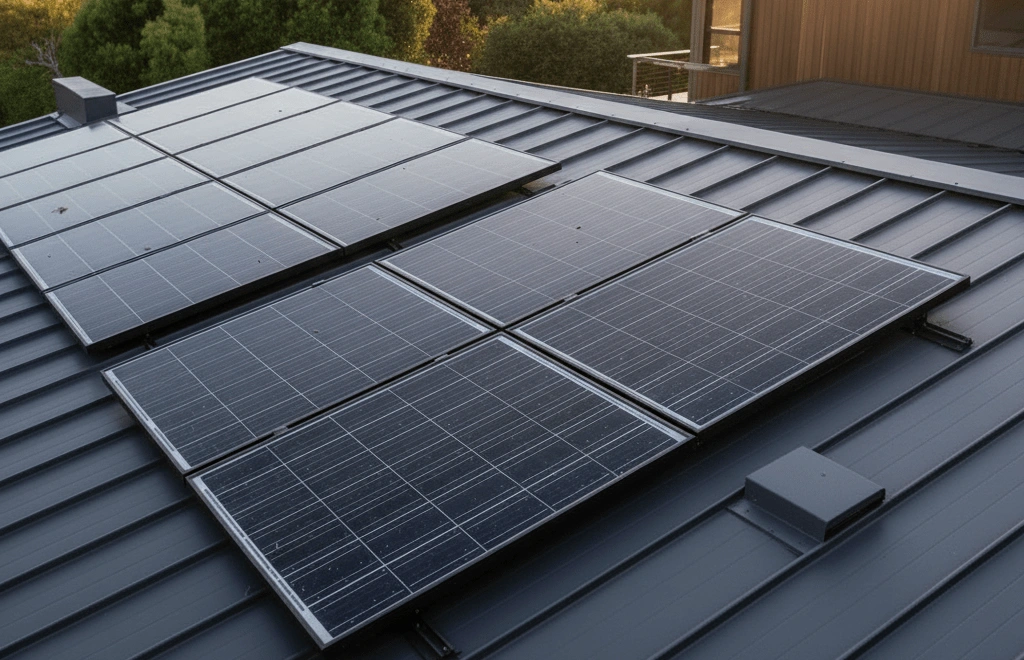
Building a home that is both comfortable and energy efficient is a major goal for many homeowners today. With energy costs rising and sustainability becoming more important, more people are seeking solutions that go beyond simply adding solar panels. One of the most effective options is a passive house – a design approach that creates a fully efficient, cost-saving home that can also harness solar energy for even greater benefits.
Combining solar energy systems with passive house design
A passive house design focuses on minimising energy consumption through superior insulation, airtightness and strategic design. When you add active solar generation to this equation, you create a home that both needs very little energy and produces much of what it does need.
This combination is particularly beneficial in Australia’s climate, where lots of sunshine makes solar photovoltaic (PV) systems highly productive. Passive house builders in Australia can give clients a truly sustainable home with both passive efficiency and renewable generation working together.
Integrating solar into a passive house
The key to a successful integration of solar and passive home building is thoughtful planning from the earliest stages of the project. Passive house designers in Australia consider a variety of factors to integrate the two systems effectively.
Here are some of the ways solar can be incorporated into a passive house design:
Site orientation
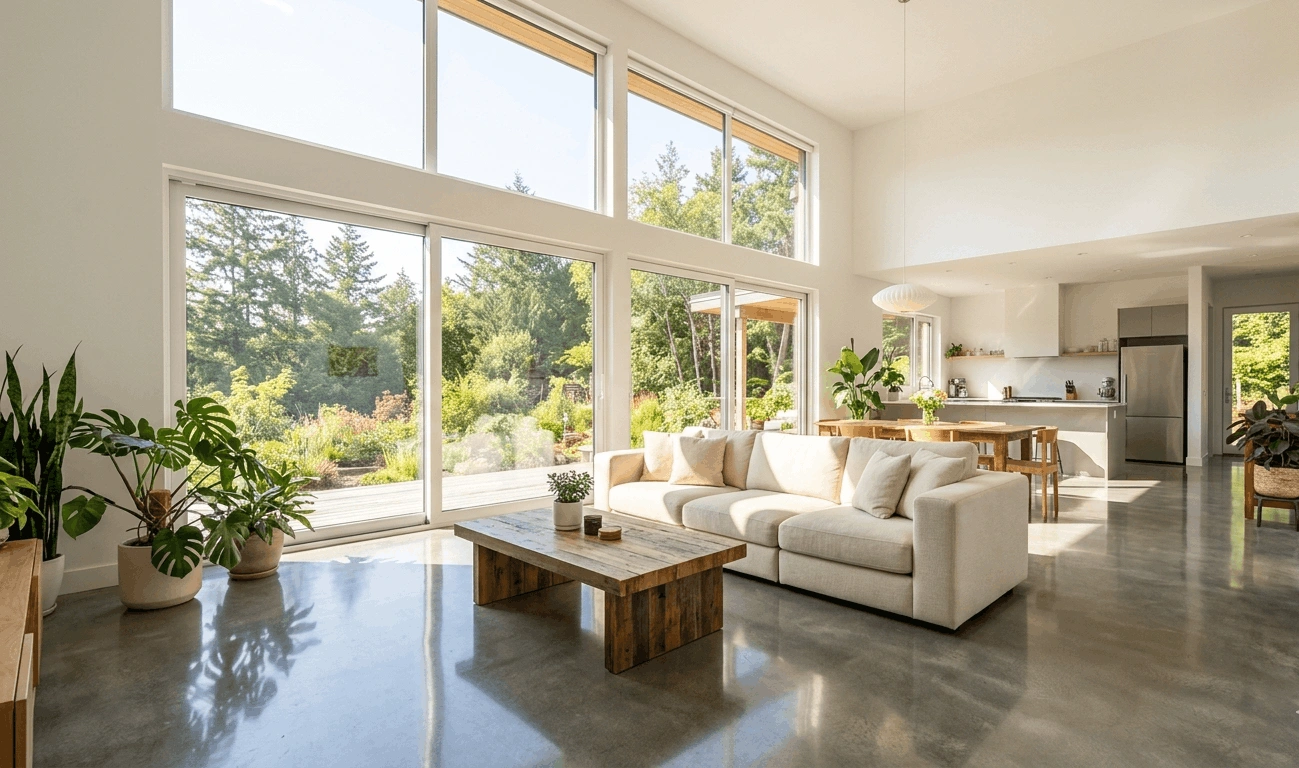
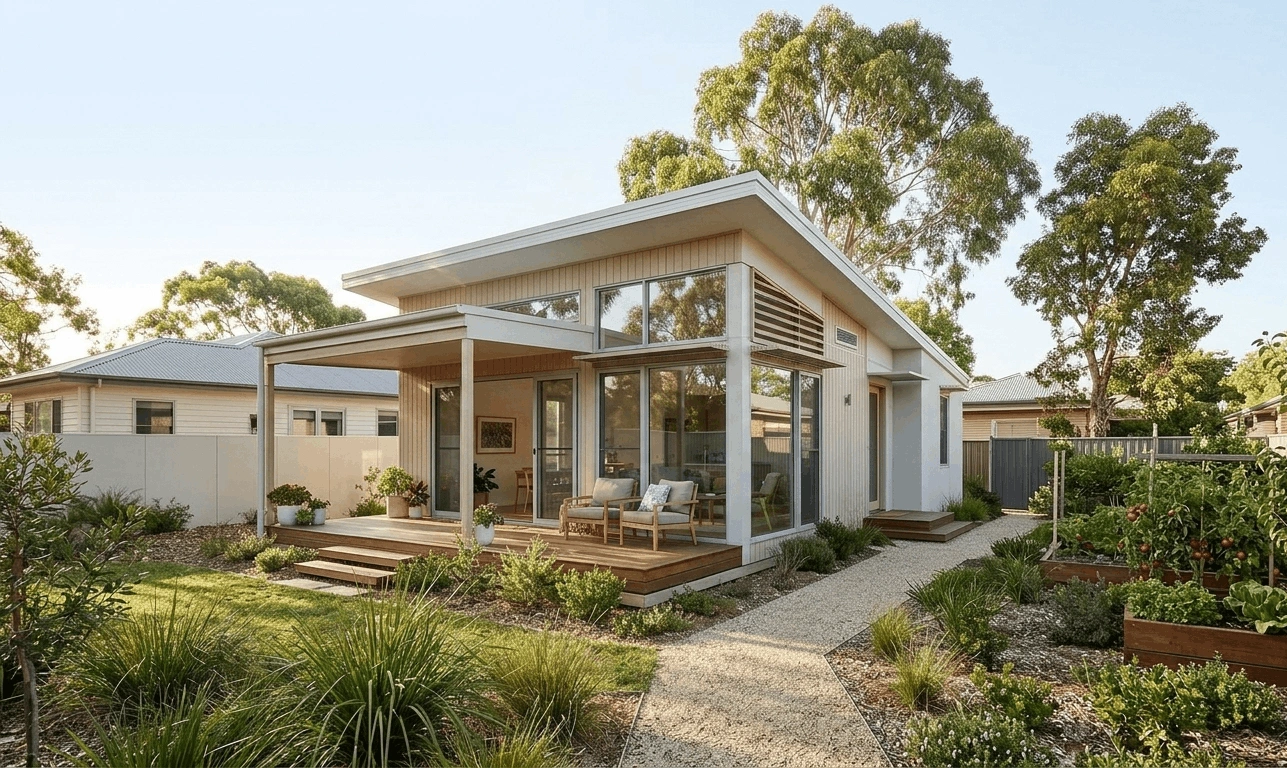
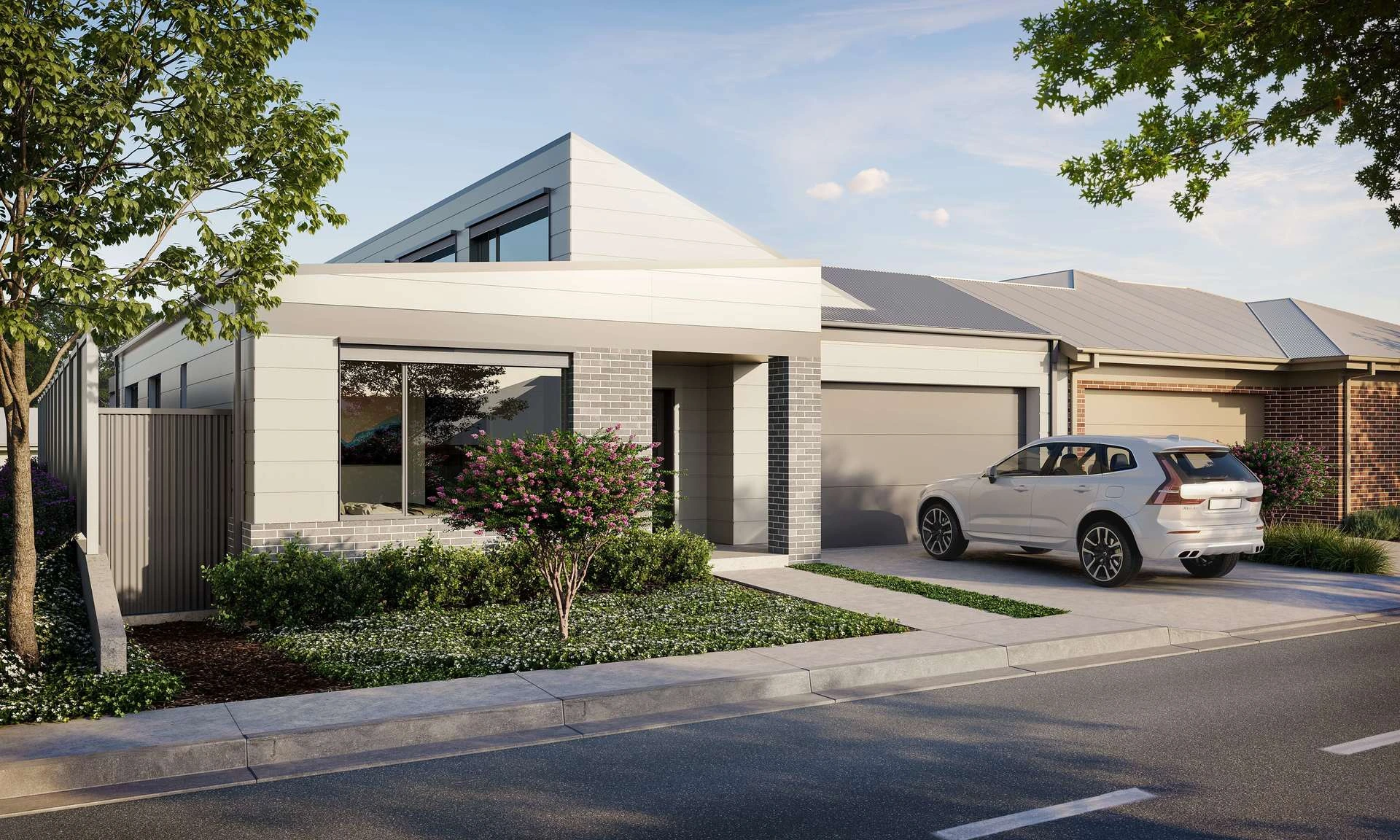
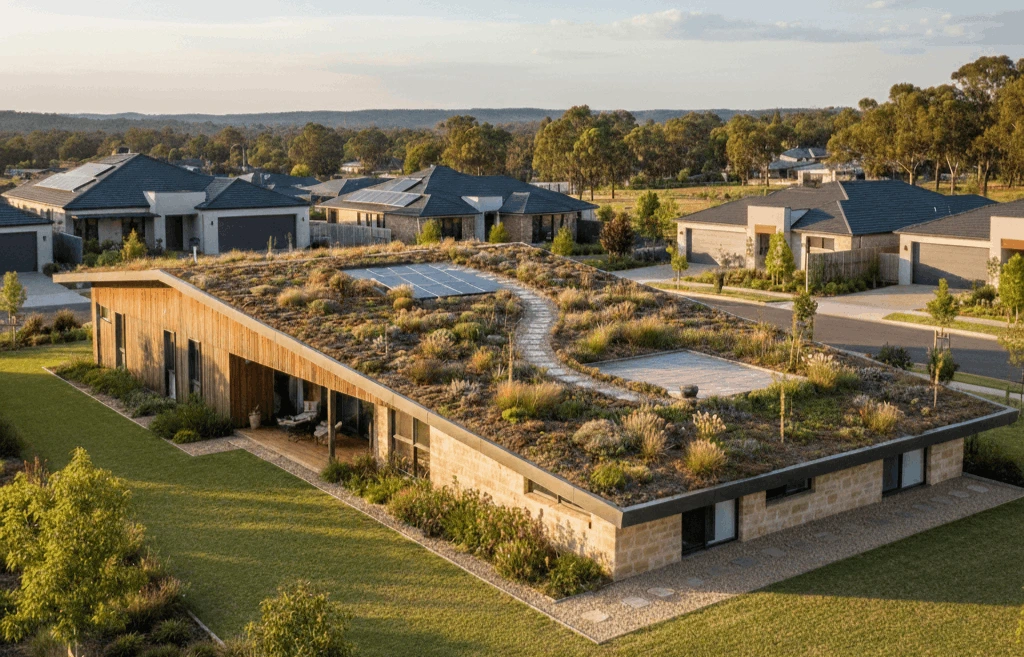
It goes without saying that solar passive house design starts with the sun. The first step is to orient the home to maximise solar gain in winter and minimise it in summer. Passive solar house designs typically have their main living areas and windows facing north to capture the low winter sun. The roof is also designed to have a large north-facing surface to accommodate solar panels for optimal energy generation.
Rooftop solar panels
Next comes the solar panels. Modern solar panels are becoming more efficient and can seamlessly integrate into the roofline. With a passive solar home, the energy generated can be used to power appliances, lighting and the heat recovery ventilation system.
Solar hot water systems
Instead of an electric hot water system, which can be a significant energy consumer, a solar hot water system uses the sun’s energy to heat your water. This is an efficient way to meet a substantial portion of your home’s energy needs without drawing from the grid.
Battery storage
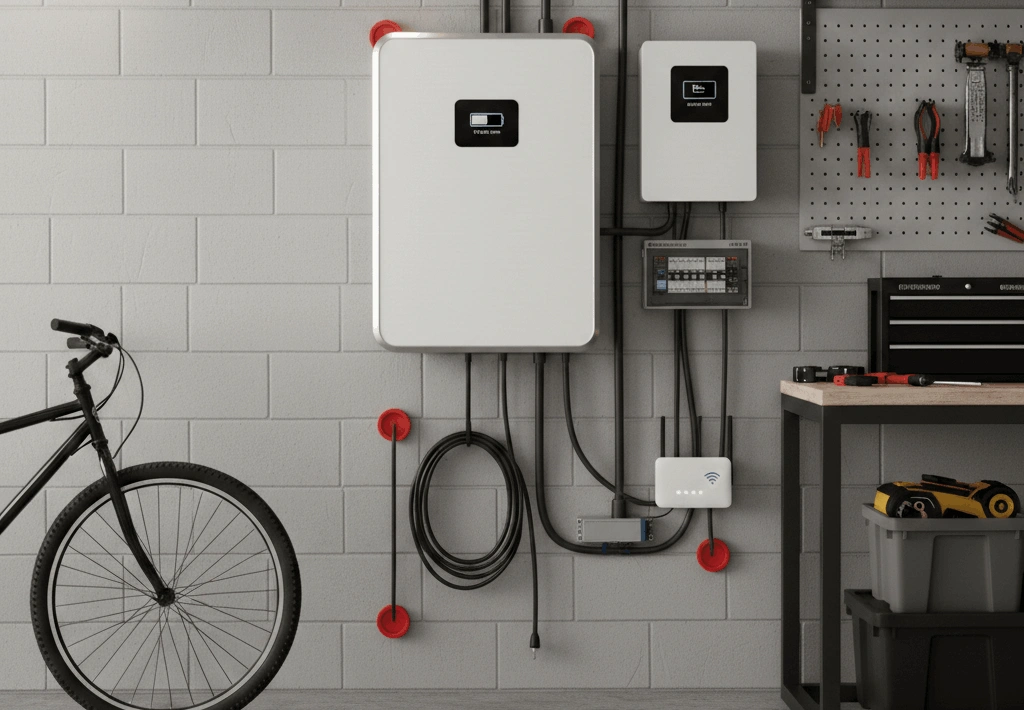
While not strictly solar generation, battery storage is essential for a truly self-sufficient solar passive design house. A battery allows you to store excess energy generated during the day and use it at night or during cloudy periods. This reduces reliance on the grid and maximises your use of renewable energy.
Smart energy management systems
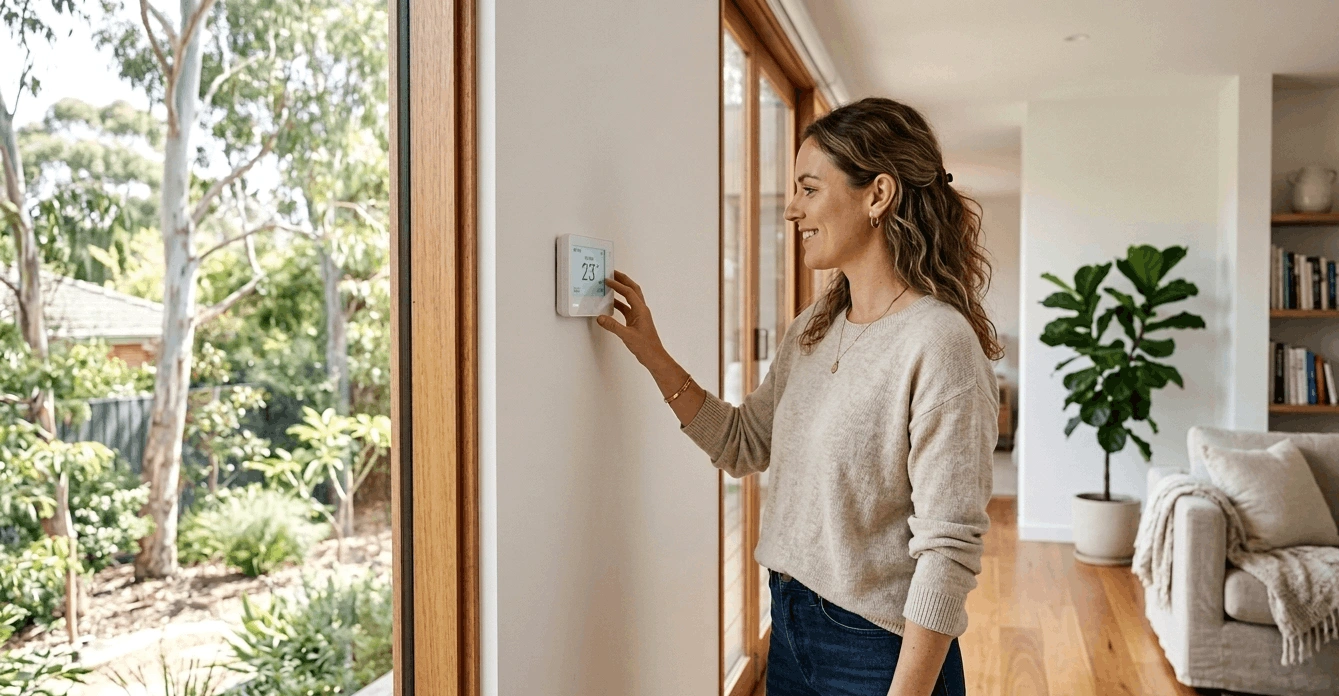
Passive solar house design plans should incorporate smart energy management from the outset. These systems optimise when appliances run, drawing power directly from solar panels during peak generation and relying on batteries when the sun isn’t shining.
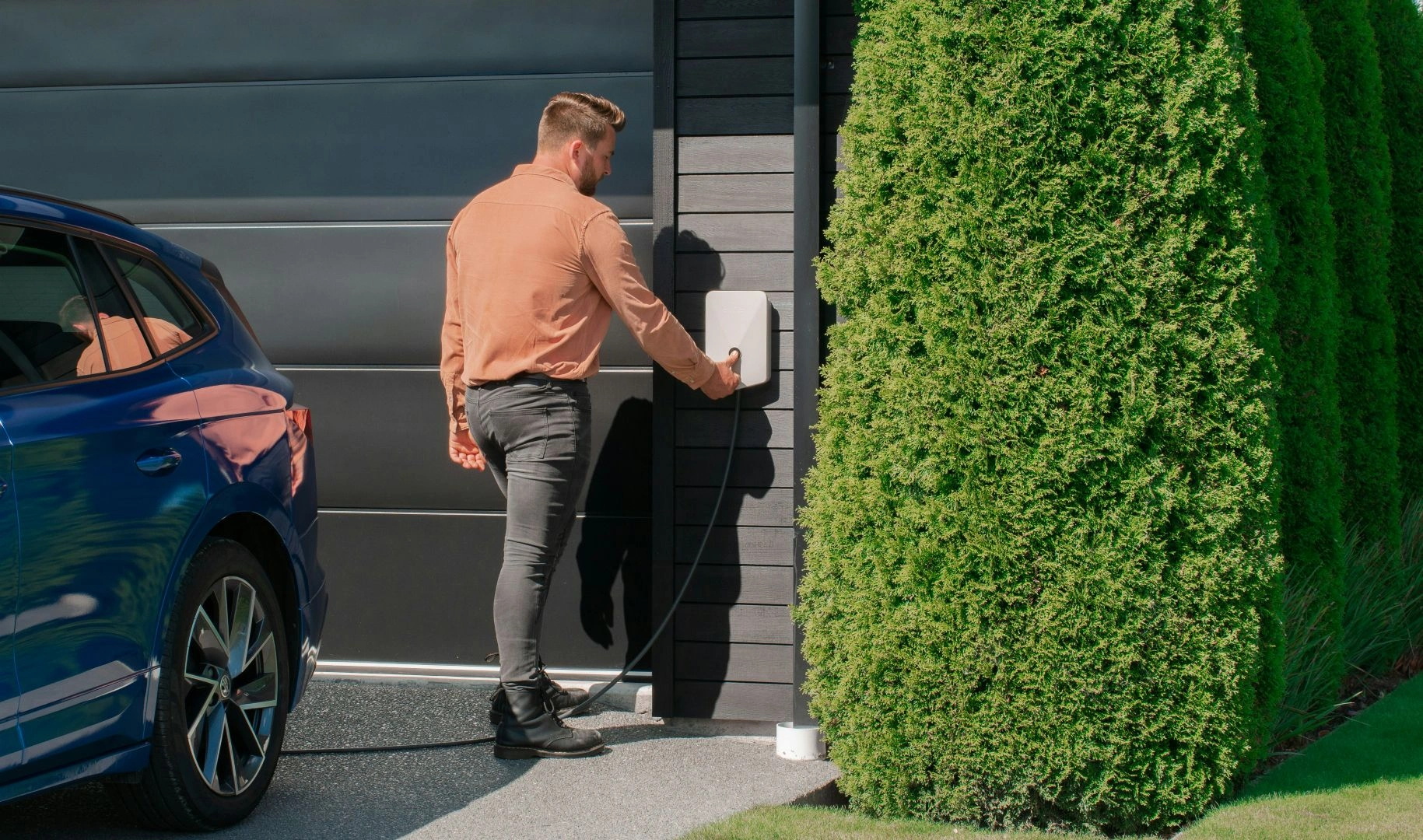
For passive house design in Australia, this might mean programming hot water systems to heat during solar generation hours, running pool pumps mid-day or charging electric vehicles when surplus solar is available. This maximises self-consumption of generated power and reduces reliance on grid electricity.
Feeding excess solar energy back into the grid
In Australia, many households with solar passive homes can feed surplus electricity back into the grid, earning credits through feed-in tariffs (FiTs). These tariffs compensate homeowners for the excess energy their solar systems generate and export. The rates and regulations vary by state and territory.
But there are limits to how much can be fed back into the grid. These limits vary by location and are typically set by the local network distributor.
By combining passive house design principles with smart solar integration, homeowners not only benefit from lower energy costs but also support a cleaner, renewable-powered grid.
Frequently Asked Questions
The required system size depends on your location, household energy consumption and whether you're including battery storage. Most passive houses in Australia use systems between 5kW and 10kW, which is often smaller than conventional homes due to dramatically reduced heating and cooling loads. Passive house designers in Australia can model your specific energy needs and solar generation potential to determine optimal system sizing for your circumstances.
A traditional home with solar panels generates electricity, but it may still require considerable additional electricity from the grid. That’s because they are often inefficient due to poor insulation, air leaks and thermal bridges. A passive house is designed to minimise energy consumption in the first place, so the energy generated by solar panels goes much further. It is a more holistic approach to energy efficiency.
Adding solar generation to any home building project increases upfront costs, but the investment typically pays for itself through reduced energy bills. Because passive solar homes use substantially less energy than conventional homes, you may need a smaller (and therefore less expensive) solar system to achieve energy independence. Many passive house builders find that clients recoup solar installation costs within 5 to 8 years through energy savings.