How to explain a passive house to tenants or renters
If you are interested in building or buying a passive house property in Australia to rent out, you already know the building performs differently from a standard home. Your tenants may not. And if they don’t understand how it works, they can easily undermine the performance – opening windows when the ventilation system is doing its job, turning on portable heaters unnecessarily or complaining about features that are actually benefits.
Explaining a passive design house to someone who has never lived in one is not complicated. It just requires framing things in terms of what the tenant experiences rather than what the designer intended.
Start with what they will notice
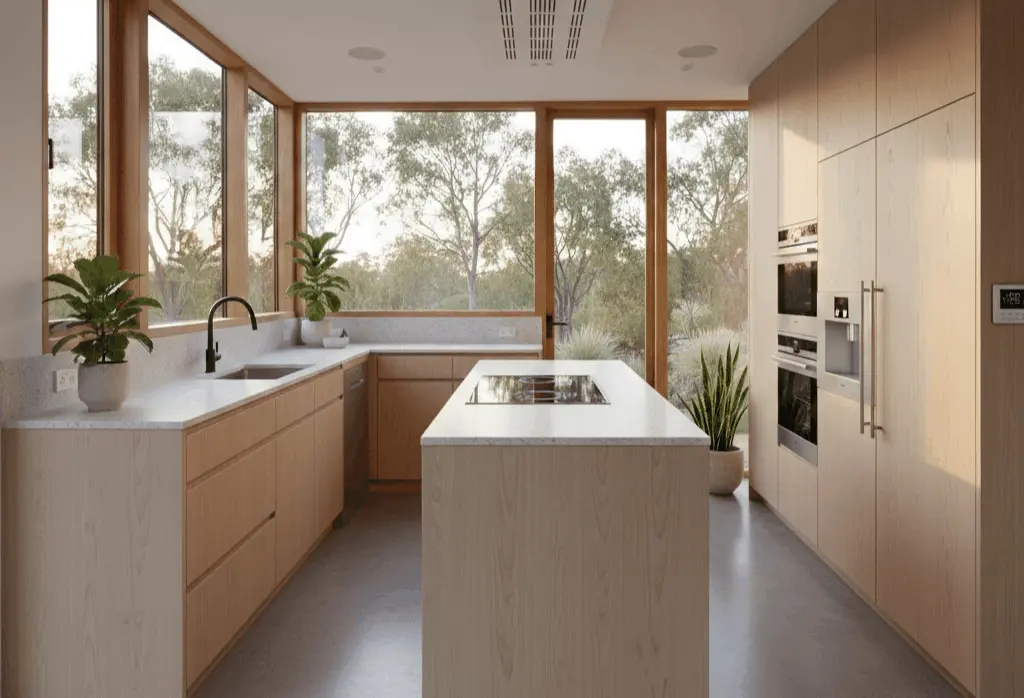
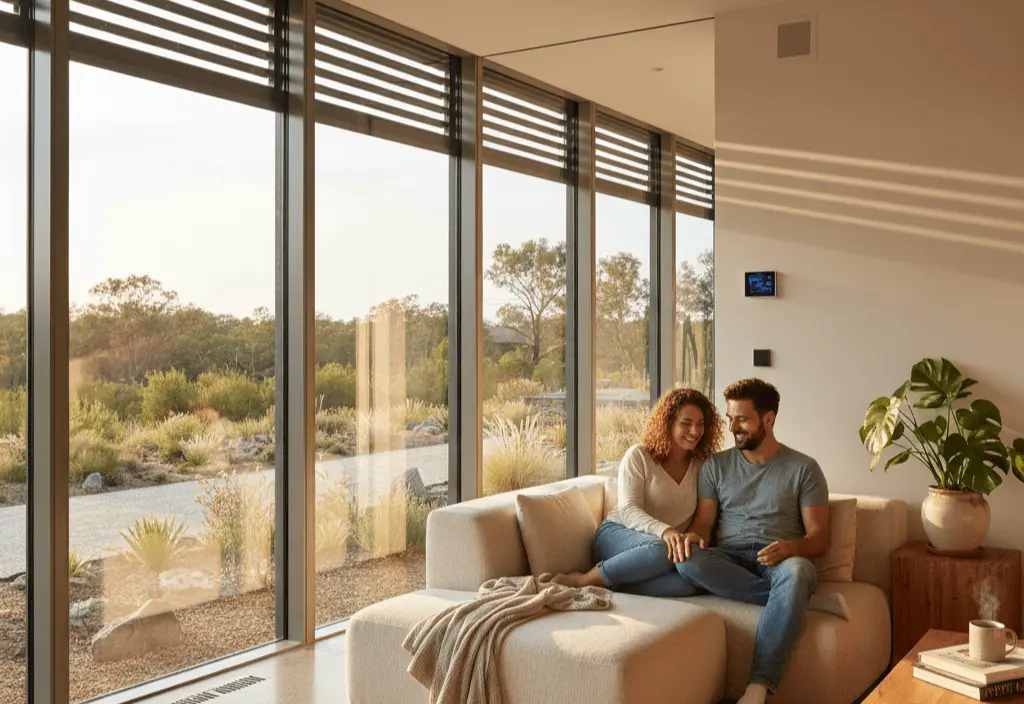
The first thing most tenants notice in a passive house design property is that it feels different. The temperature is consistent from room to room. There are no cold spots near windows or warm patches near the ceiling. The air feels fresh without a draught. It is quieter than they might expect.
These are not accidental factors. They are the direct result of the way the building was designed and built. Thick insulation, airtight construction and high-performance glazing work together to keep the internal environment stable. The heat recovery ventilation system supplies a constant stream of fresh filtered air without losing the energy used to heat or cool the interior.
You do not need to explain the engineering. You just need to help the tenant connect what they are feeling to how the building works.
Explain the ventilation system clearly
This is the area where most misunderstandings occur. Tenants who are used to opening windows for fresh air may find it odd that a well-sealed building still feels comfortable and well-ventilated. They may not realise a mechanical system is doing that work continuously in the background.
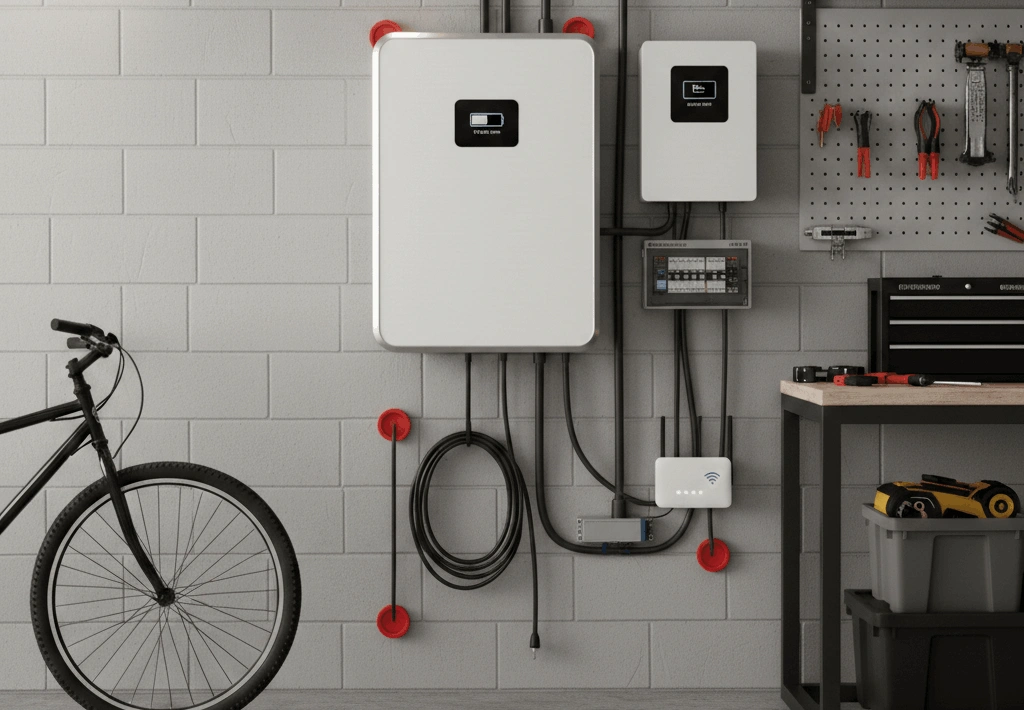
Explain that the heat recovery ventilation system runs all the time at a low level. It brings fresh air in, filters it and exhausts stale air out, without losing the warmth or coolness already inside. It is what keeps the air quality high in a building that is deliberately sealed tight.
Let them know that the system has filters that need periodic cleaning or replacement, and that this is a straightforward maintenance task. If you are managing the property, clarify whether that responsibility sits with you or the tenant.
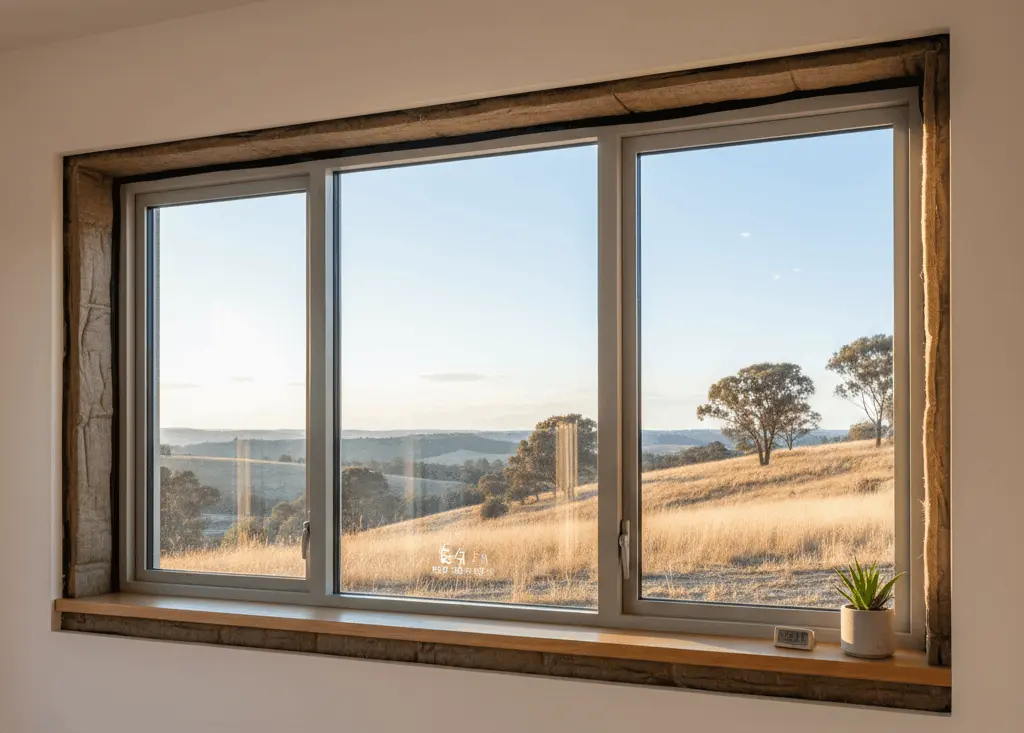
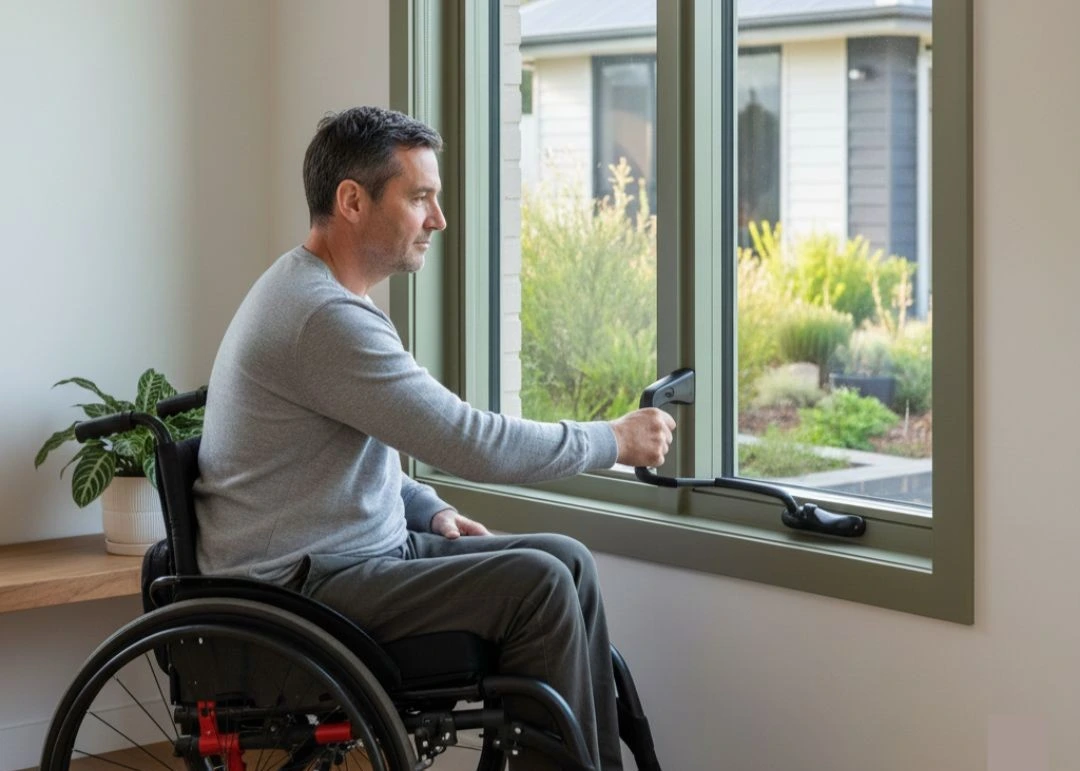
Windows can still be opened – a passive house is not a sealed vault – but the ventilation system means there is rarely a need to do so for air quality reasons. On a mild day, opening windows is fine. On a very hot or very cold day, keeping them closed allows the building to perform as it was designed to.
Talk about energy use
One of the main benefits of passive house designs in Australia is low energy consumption. Tenants benefit from this directly through lower power bills. It is worth setting realistic expectations upfront, so they understand what is normal.
In a well-built passive building design, heating and cooling loads are very small compared to a standard home. A small, efficient heating or cooling unit – or in some cases none at all – is enough to maintain comfort. Tenants accustomed to running large systems constantly may be surprised by how little the building needs.
It is also worth explaining that the building responds slowly to temperature changes. This is a feature, not a fault. The thermal mass and insulation mean the interior stays stable even when outdoor temperatures swing significantly. Tenants should not expect rapid temperature changes when they adjust settings. The building holds its temperature well in both directions.
Give them a simple reference guide
Passive house designers in Australia often prepare handover documents for owner-occupiers. If you received one, share the relevant parts with your tenant in plain language. If you did not, consider putting together a one-page summary that covers the ventilation system, how to operate any heating or cooling, window use and filter maintenance.
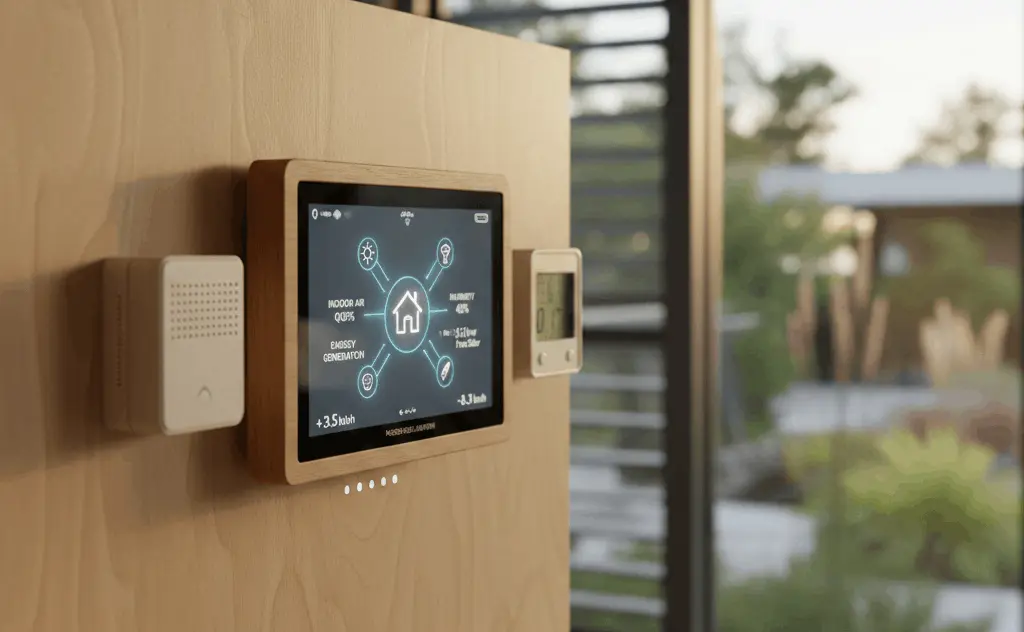
A short walkthrough at the start of the tenancy is more effective than a written document alone. Walking through the property and pointing out the ventilation unit, explaining the controls and answering questions takes fifteen minutes and prevents most of the confusion that comes up later.
Passive house builders will often support landlords with this kind of tenant communication, particularly if the build is recent. It is worth asking.