Designing accessible passive houses for people with disabilities
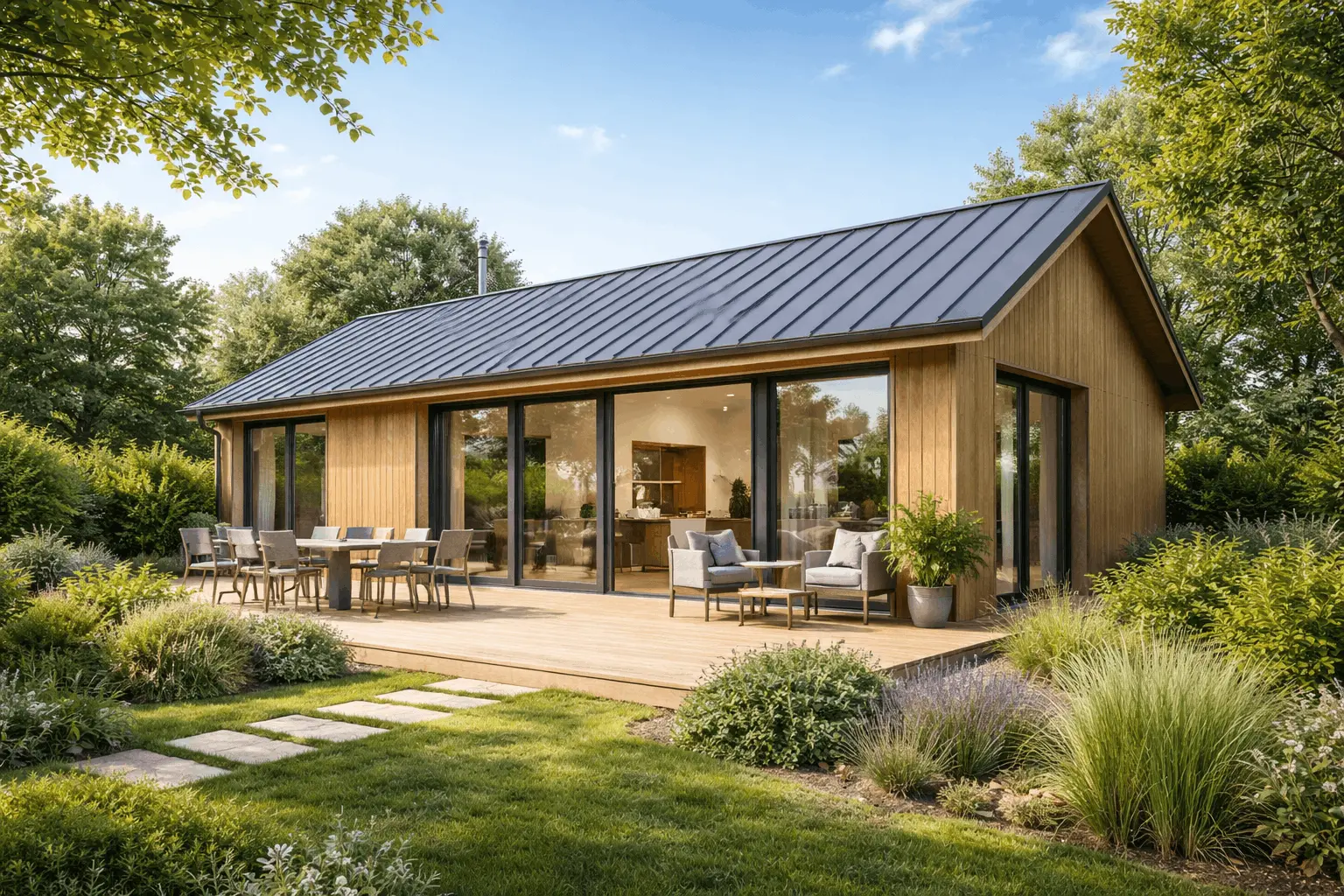
Accessible housing and energy-efficient housing share a common goal – creating homes that support comfort, health and long-term independence. When these ideas are combined, passive houses in Australia can deliver homes that are inclusive, affordable to run and adaptable over time. In order to achieve this, accessibility should be embedded from the earliest stages of passive house design.
For people with disabilities, a well-designed passive home can support daily living while reducing physical strain, sensory discomfort and ongoing energy costs.
Inclusive planning
Accessibility in your passive house will work best when considered at the same time as energy performance. When designing a passive house, decisions about layout, orientation and structure are important for the overall energy performance of the house, but will also support step-free access, clear circulation and future flexibility.
A single-level layout is often the simplest solution, but multi-storey homes can also be accessible with careful planning. Space for lifts, wider stairs and reinforced walls for future handrails can be incorporated without compromising passive building design principles.
Step-free access and circulation
An accessible passive design house prioritises smooth movement from the street or parking area into the home. Level thresholds at entrances are essential. In a passive house, these details must also maintain airtightness and thermal continuity.
Internal circulation spaces need adequate width for wheelchair users and people using mobility aids. These wider openings require careful detailing to maintain airtightness. Passive house builders can install wider doors with appropriate sealing systems that meet both accessibility needs and performance standards.
Window operation
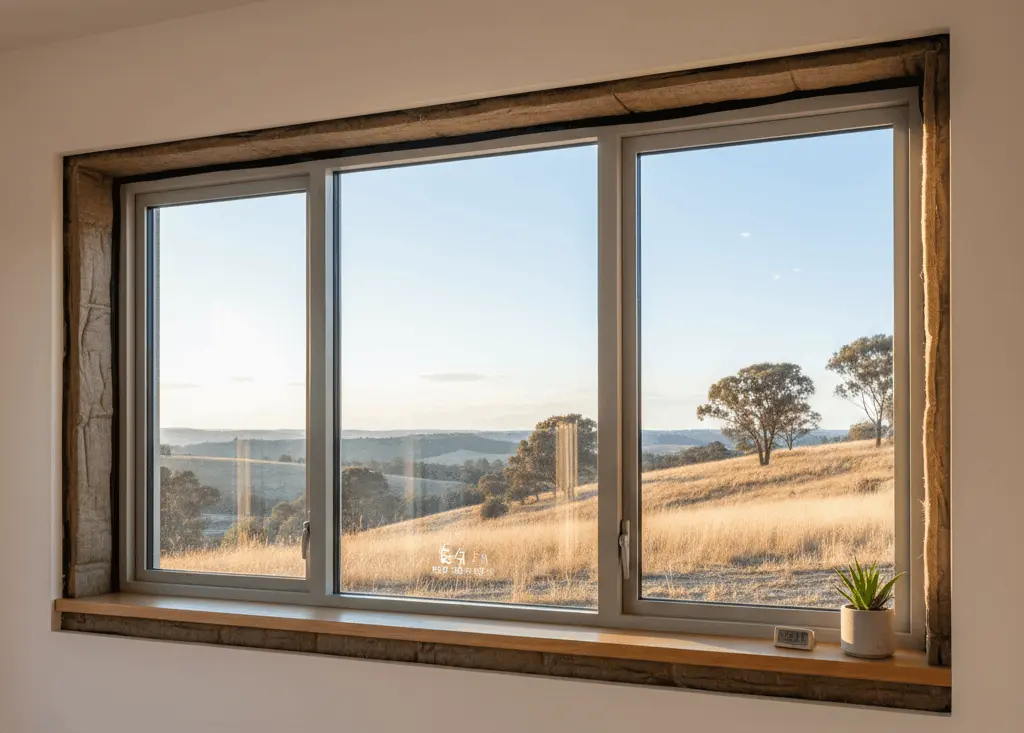
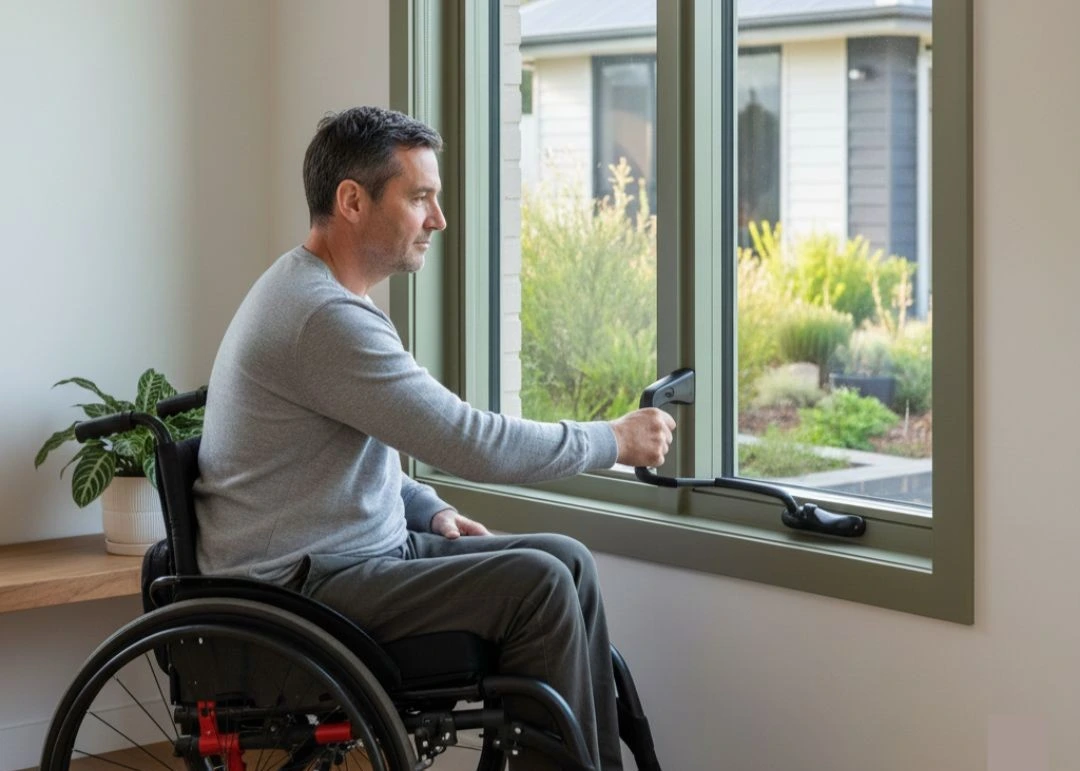
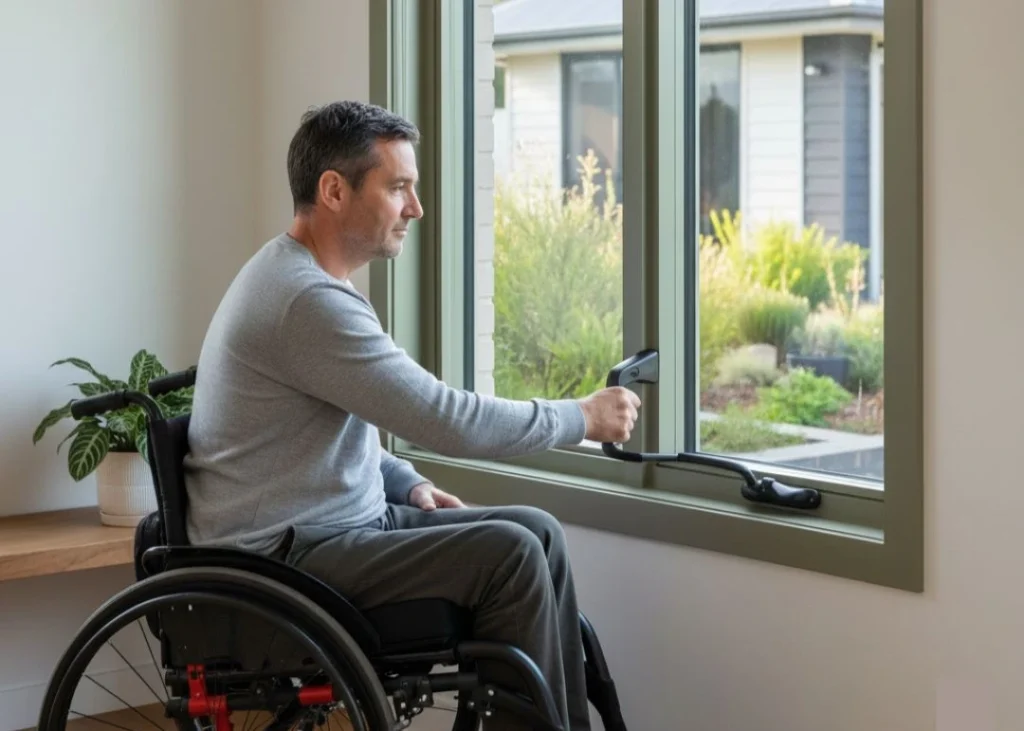
High-performance windows used in passive house design in Australia can be challenging to operate for people with limited hand strength or mobility. Specifying that you require automated window operators will allow people with disabilities to control natural ventilation independently. These motorised systems can integrate with home automation platforms for voice control or remote operation.
The triple-glazed windows in passive building design are often heavier than standard windows, making manual operation more difficult. This is why adequate window hardware or automation is particularly important for accessible design. Passive house projects in Australia can incorporate automated systems for security and convenience, and these same systems provide accessibility benefits.
Thermal comfort
Stable indoor temperatures are a key benefit of passive houses in Australia. For people with disabilities, this consistency can reduce health risks associated with cold, heat or sudden temperature changes.
A well-executed passive house design in Australia keeps internal temperatures within a comfortable range year-round. This reduces reliance on heaters, fans and air conditioners that may be difficult to operate and maintain, and impact overall health.
Low energy demand also supports financial accessibility. Lower energy bills can be critical for households managing medical and care expenses. Over time, the savings delivered by passive homes can significantly reduce living costs.
Indoor air quality
Good air quality is essential for many people with respiratory conditions, allergies or sensory sensitivities.
The mechanical ventilation with heat recovery (MVHR) system, a staple of passive house designs in Australia, ensures a constant flow of filtered fresh air. This reduces dust, pollen and mould – critical for residents with respiratory sensitivities or compromised immune systems.
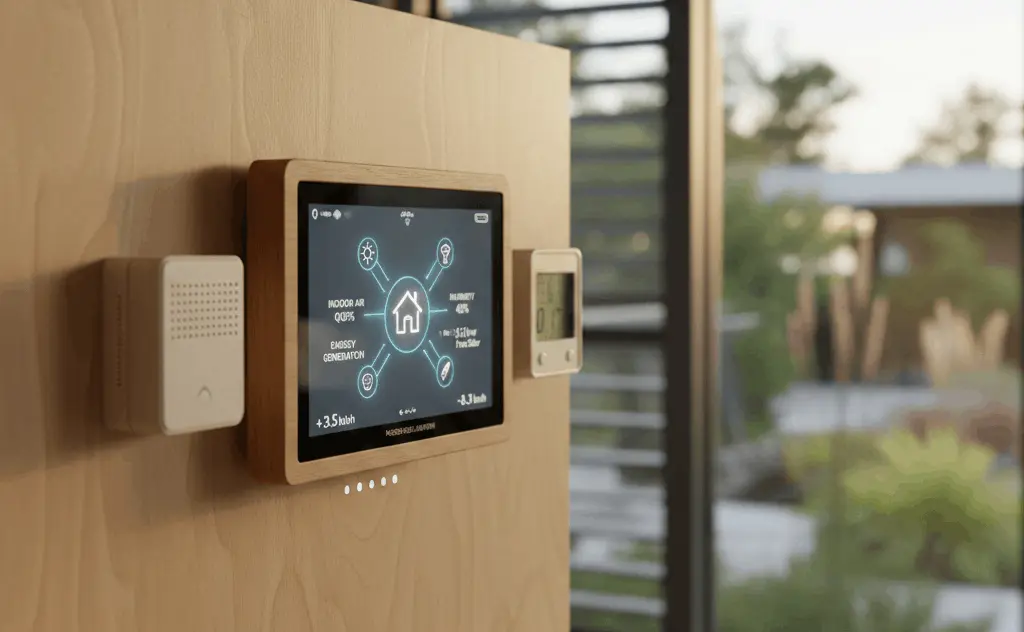
But, there are some considerations for the MVHR. The ventilation system controls should be accessible to all occupants. Control panels positioned at appropriate heights with clear, simple interfaces allow people with various disabilities to adjust settings independently. Some systems offer smartphone apps or voice control integration, providing alternative control methods for people who cannot easily reach wall-mounted controls.
As these systems require maintenance on the filters, this should also be a factor when installing. If filter changes occur in ceiling-mounted units, ladder access requirements may challenge people with mobility limitations. Passive home building projects for people with disabilities might specify systems with filters accessible from standing height or at locations reachable from wheelchairs.
Smart home integration
Home automation systems complement both passive house design in Australia and accessibility. Voice-controlled lighting, heating and window operation provide independence for people with mobility limitations. Smart thermostats and ventilation controls allow remote adjustment, supporting people with temperature regulation difficulties.
Passive house builders are increasingly incorporating smart home systems as standard, making integration with accessibility features straightforward. The minimal heating and cooling requirements of passive house designs mean automated systems primarily manage ventilation and lighting – systems where automation will also benefit accessibility.