Designing a passive house granny flat or secondary dwelling
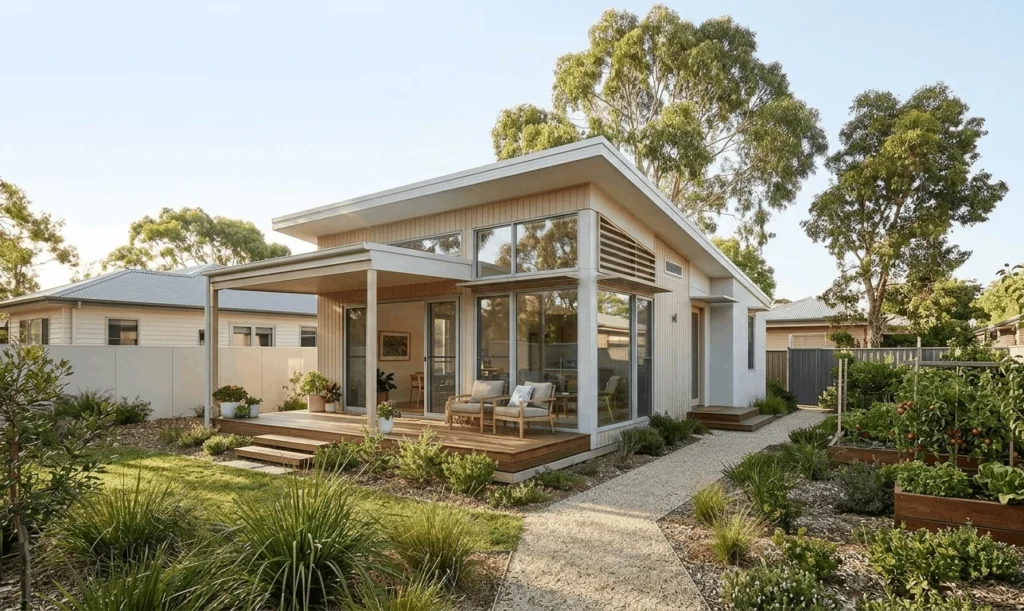
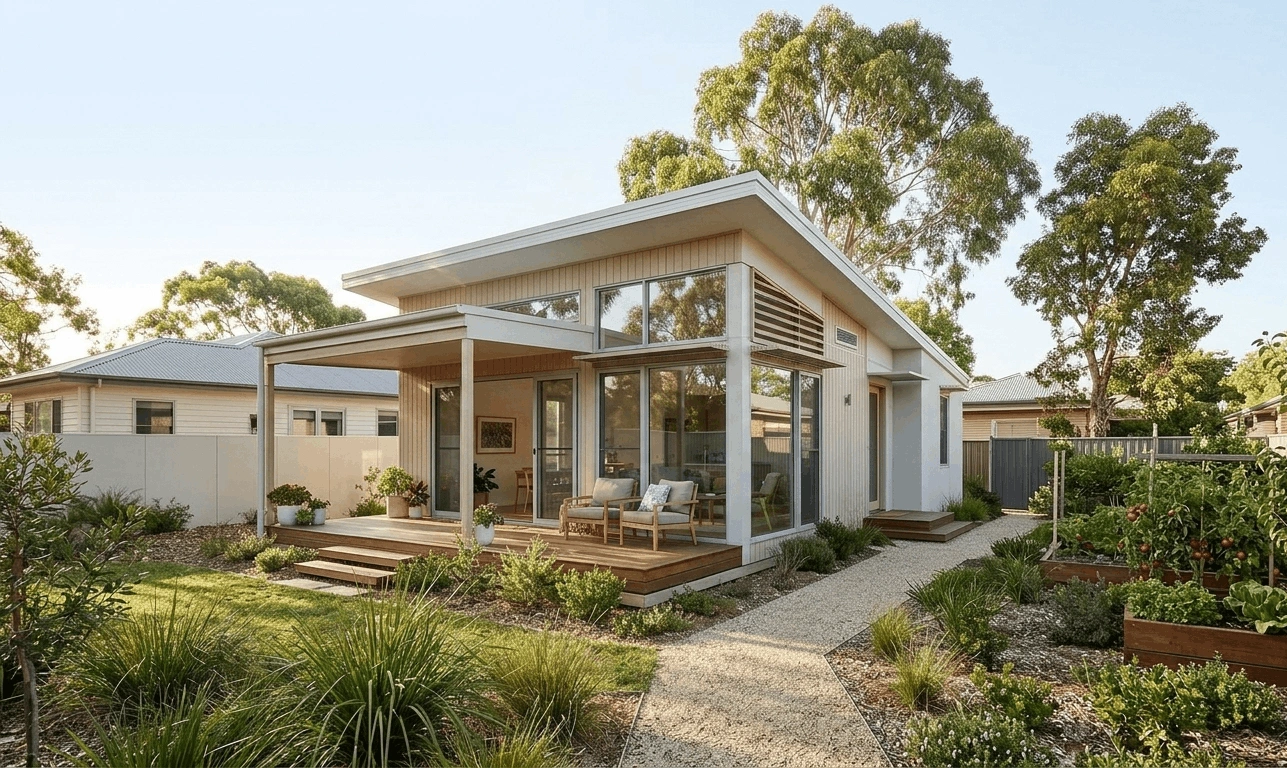
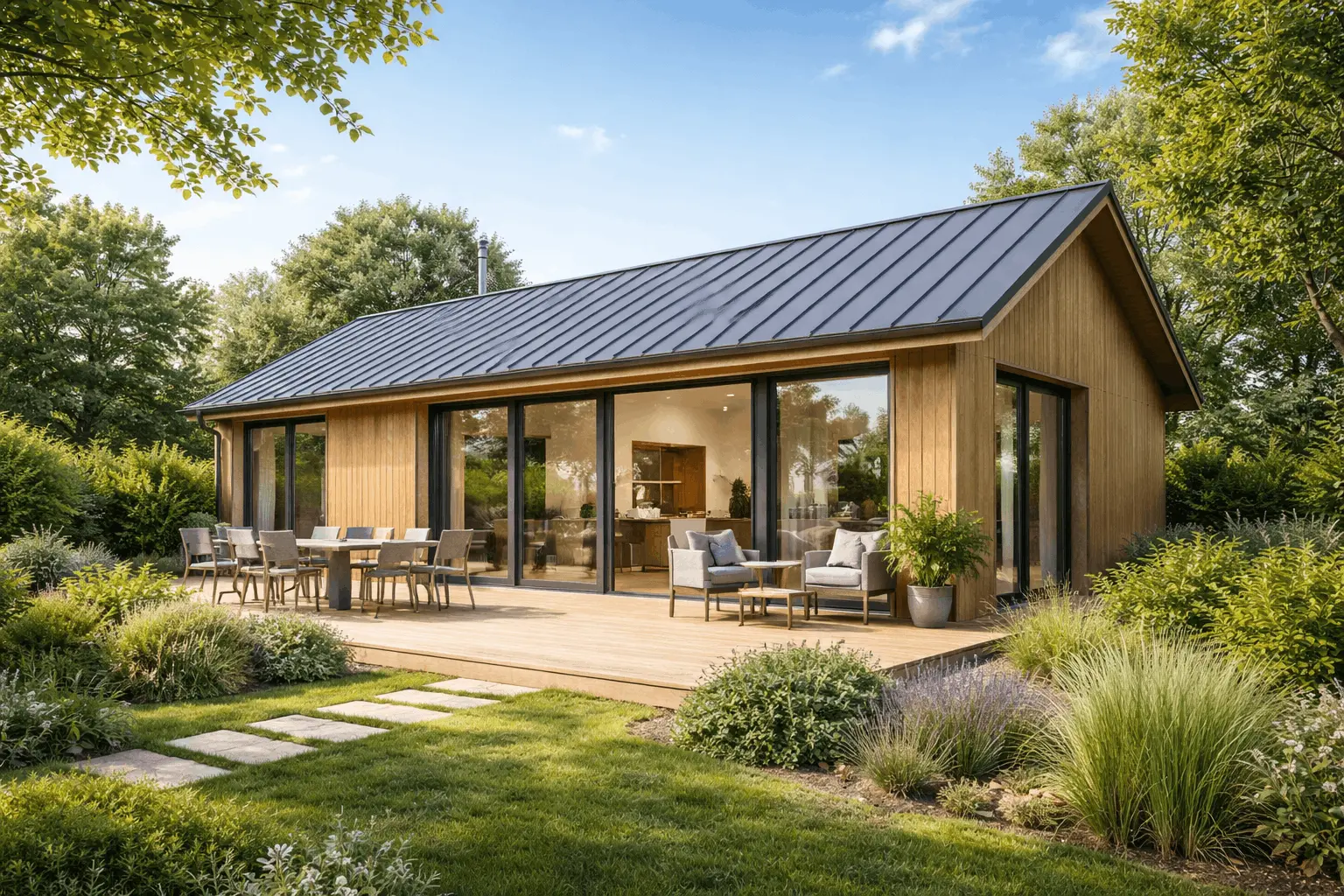
Adding a granny flat or secondary dwelling to your property is a smart move – whether you’re housing an elderly parent, generating rental income or creating space for a returning adult child. For many homeowners, the secondary dwelling is also the first opportunity to build to passive house design standards.
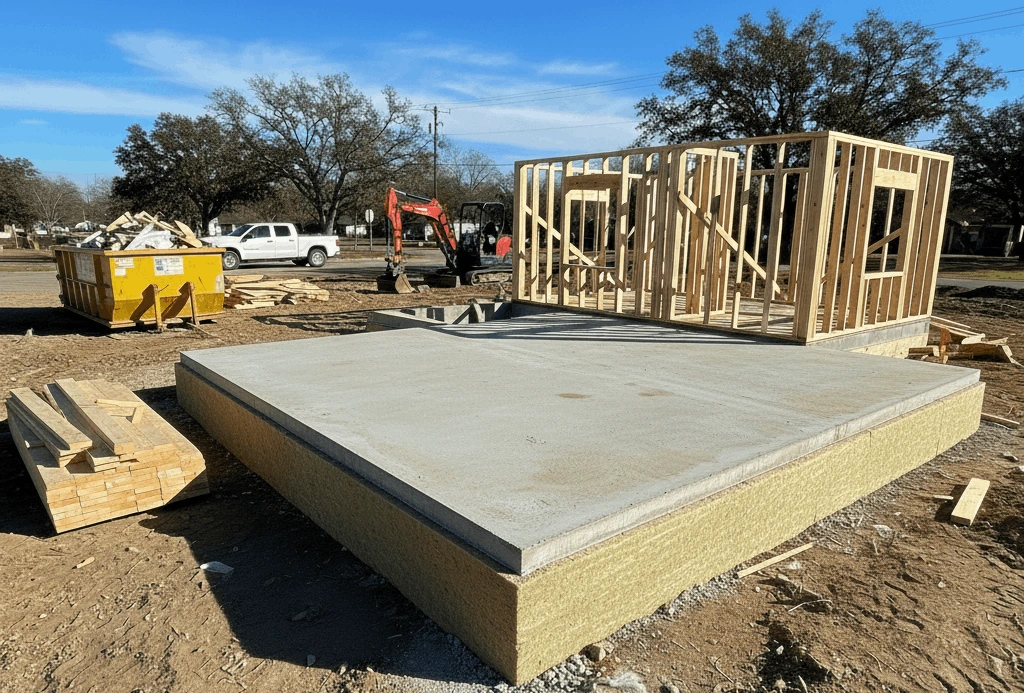
While it is possible to retrofit an existing main home to passive house performance, it can be complex and expensive. Your secondary dwelling starts from scratch, which means every decision – orientation, insulation, airtightness, glazing – can be made correctly from the beginning without working around an existing structure. It is a lower-cost entry point into passive home building, and it gives you direct experience of how a passive design house performs before committing to a full passive house main dwelling in the future.
When you apply passive house design principles to that build, the result is a compact, comfortable space that costs very little to run and stays pleasant to live in all year round.
Why passive house principles make sense for a small dwelling
Small spaces can be harder to keep comfortable than large ones. They overheat quickly in summer, lose warmth fast in winter and often rely on mechanical heating and cooling to stay liveable. A passive design house solves those problems at the source.
Rather than relying on appliances to fix temperature problems after the fact, passive house designs prevent those problems from occurring. The building itself does the heavy lifting through insulation, airtightness, controlled ventilation and smart solar orientation. The result is a space that stays within a comfortable temperature range with minimal energy input.
For a granny flat, that means lower power bills, better air quality and a more consistent living environment – all things that matter especially if an older person or young family will be living there.
The core principles applied to a secondary dwelling
1. Insulation needs to be continuous and generous. In a granny flat, the wall-to-floor-area ratio is high, so heat loss through the building envelope has a bigger proportional impact than in a larger home. Getting the insulation specification right from the start is essential.
2. Airtightness is vital. Gaps and cracks in the building envelope allow warm or cool air to escape and unfiltered outdoor air to enter. A well-sealed secondary dwelling holds conditioned air inside and allows you to control exactly what air comes in.
3. Thermal bridge-free construction means eliminating the spots where heat conducts directly through the structure – typically at junctions between walls, floors and roofs. In compact builds, these junctions occur more frequently relative to the overall floor area, so careful detailing matters.
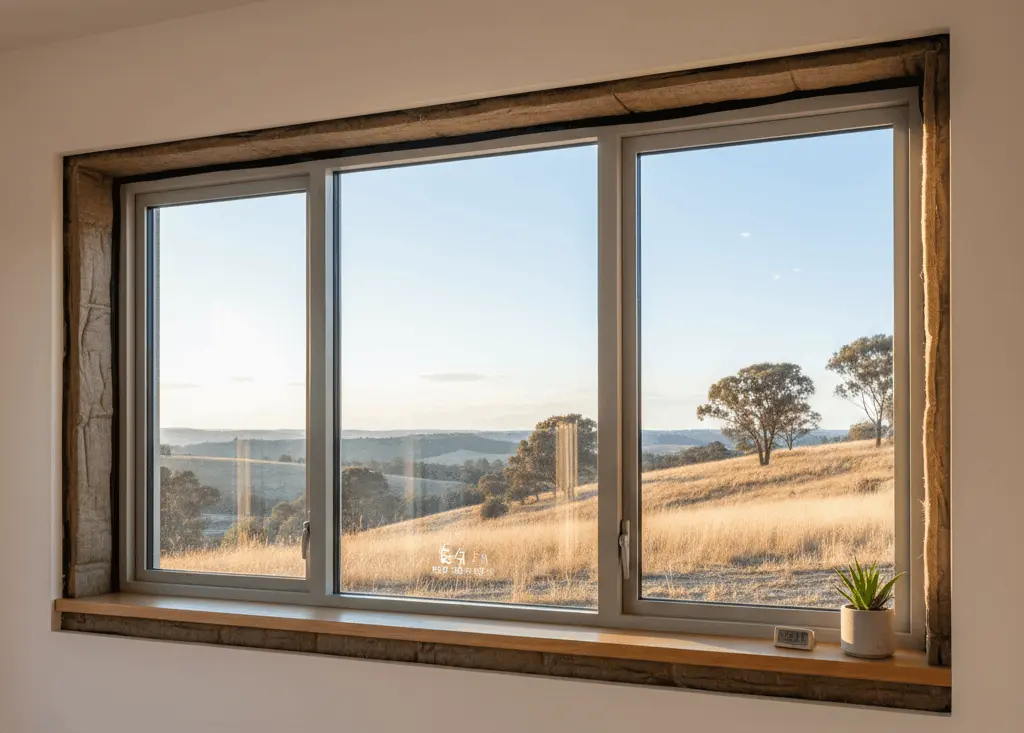
4. High-performance windows and glazing play a dual role. They need to allow useful solar gain in winter while limiting overheating in summer, and they must not be a source of significant heat loss at night. The right specification depends on orientation and climate zone.
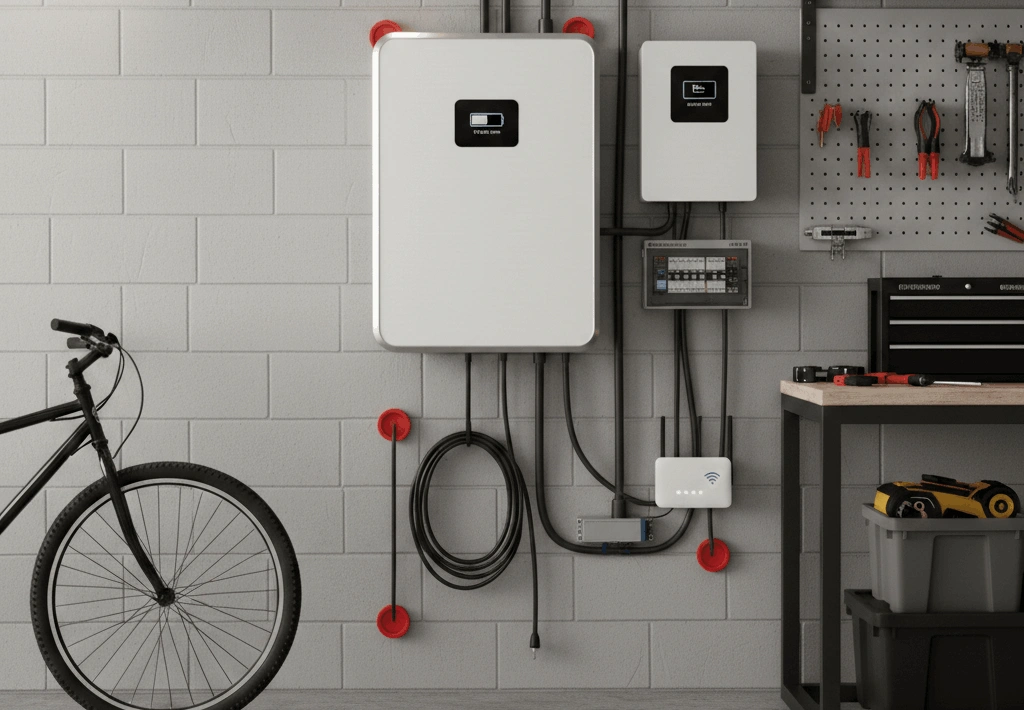
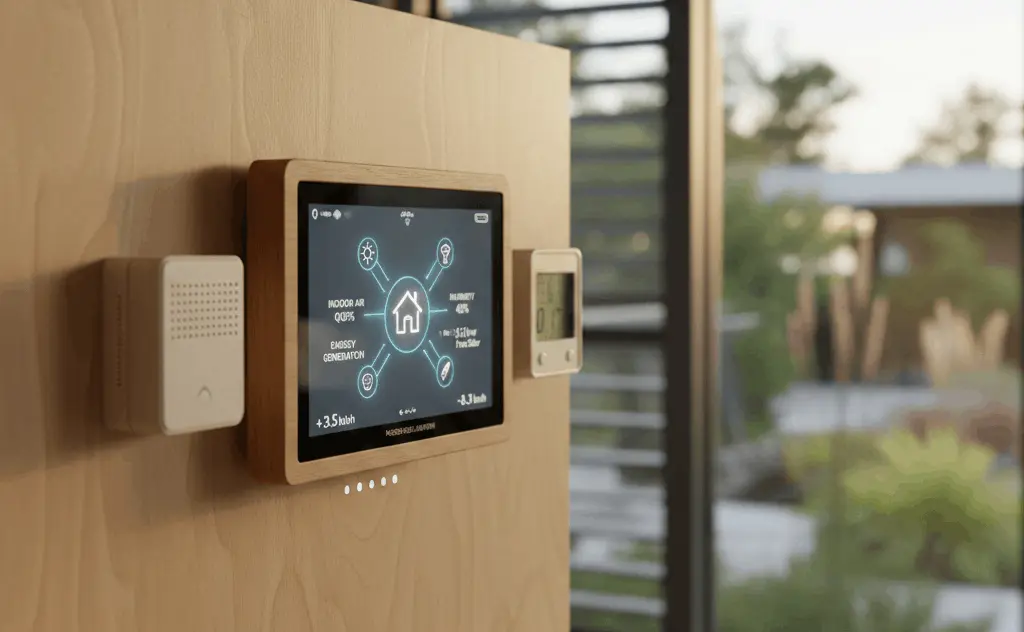
5. Mechanical heat recovery ventilation (MHRV) supplies fresh filtered air to the dwelling without losing the energy already used to heat or cool the interior. In a sealed building, this is what keeps the air fresh and healthy without wasting energy.
The benefits of compact passive living
- Health and comfort: The MVHR system removes dust, pollen and allergens. This makes a passive building design ideal for elderly residents or those with respiratory issues.
- Silence: The thick insulation and airtight seals provide incredible acoustic insulation. Even if the main house is busy or the street is noisy, the granny flat remains a quiet sanctuary.
- Low running costs: Energy bills are reduced by up to 90%. For someone on a fixed income, this financial predictability is invaluable.
- Sustainability: By designing a passive house, you are significantly reducing your carbon footprint.
Think about flexibility and long-term use
A secondary dwelling should be adaptable. Today, it may house a family member. In the future, it could be a rental, a home office or an independent space for a grown child.
Passive house designs are well-suited to this kind of long-term thinking. Because the building performs consistently regardless of how it is used or who is living in it, it does not need to be redesigned or retrofitted when its purpose changes. The comfort and low running costs that make it a good home for an elderly parent are the same qualities that make it attractive to a future tenant.
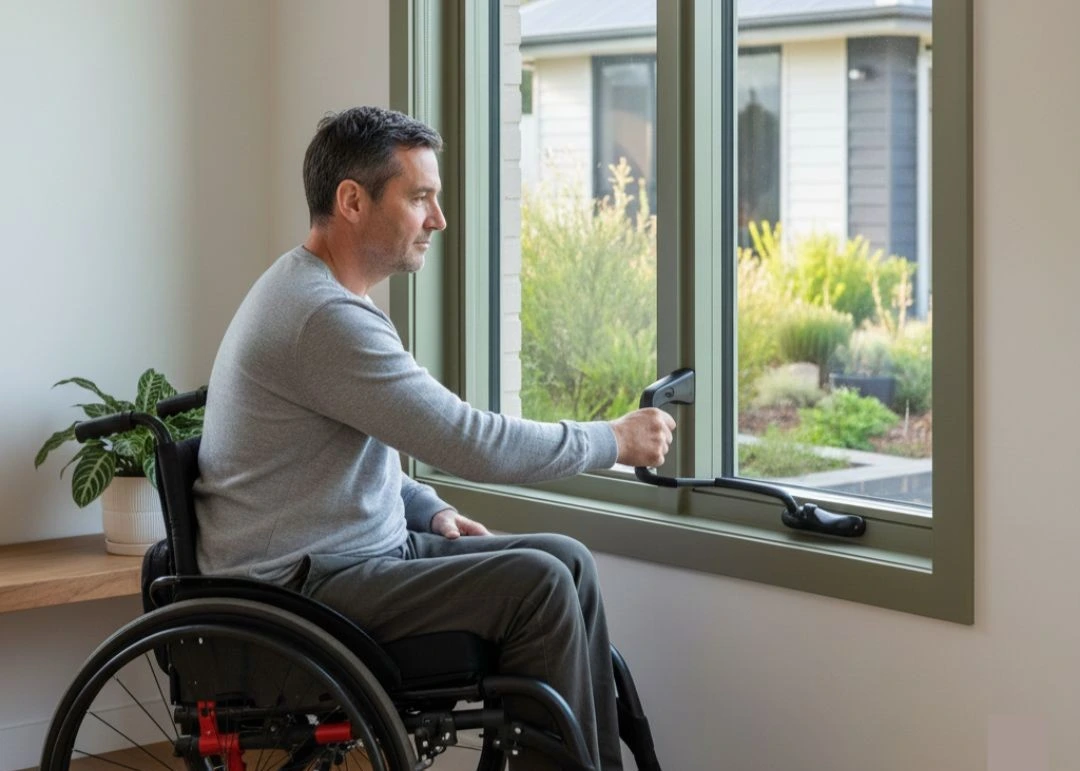
When planning the layout, consider things like a separate entrance, a small external storage area and enough natural light to make the space feel self-contained rather than like an afterthought. Universal design principles – wider doorways, a step-free entry, an accessible bathroom layout – add relatively little cost at the building stage and expand how the dwelling can be used over time.
A good passive house design team in Australia will help you think through these scenarios early, when changes are still easy and inexpensive to make. The decisions that affect flexibility most – structural layout, window placement, entry points and utility connections – are all locked in during the design phase. Getting them right at the start means the dwelling works well across whatever life throws at it.