Cooking in a passive house
Heat and energy
In a traditional home, the kitchen is often the hottest room in the house. This is because standard appliances leak significant amounts of heat into the surrounding air. When designing a passive house, you must consider the internal heat gains from cooking.
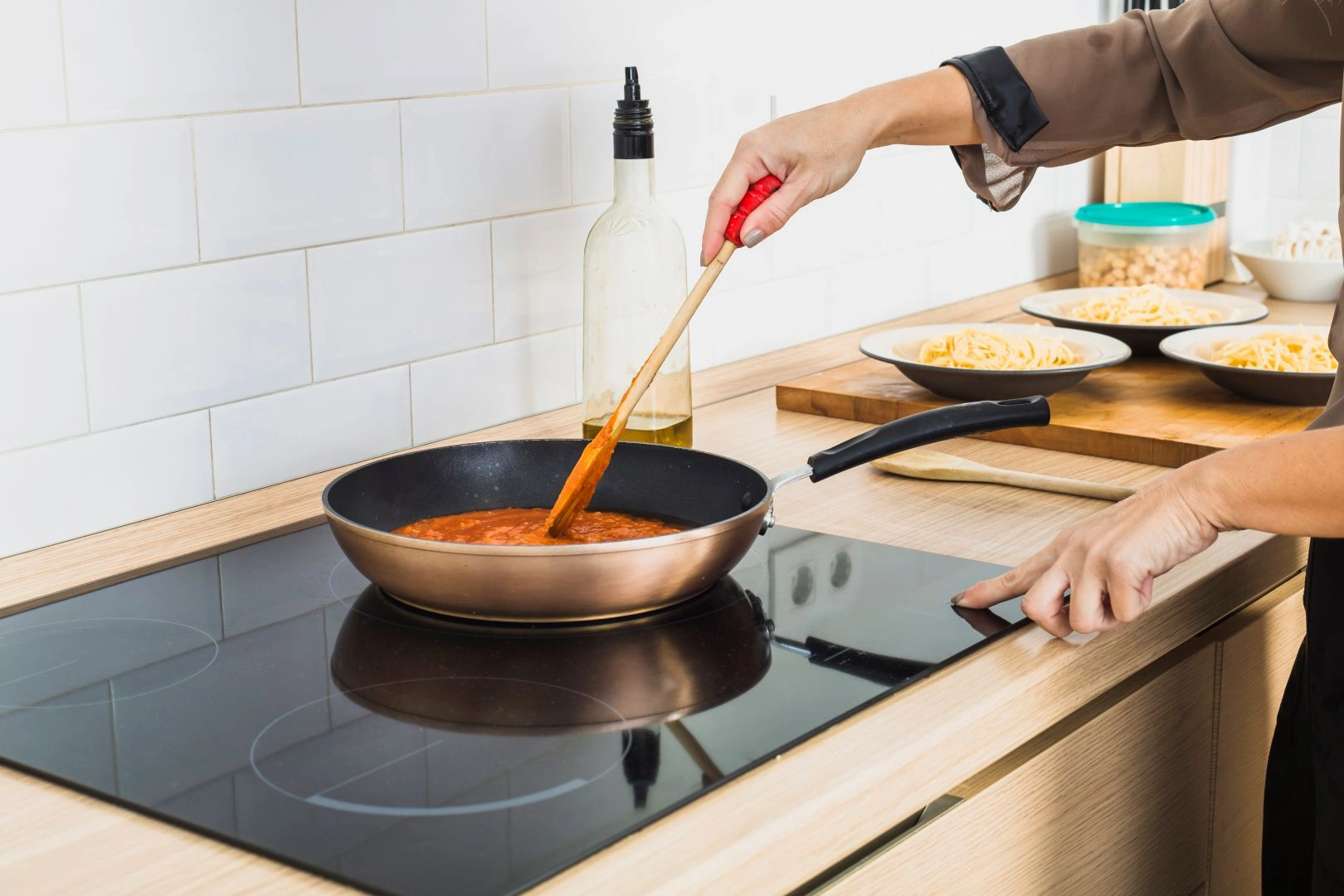
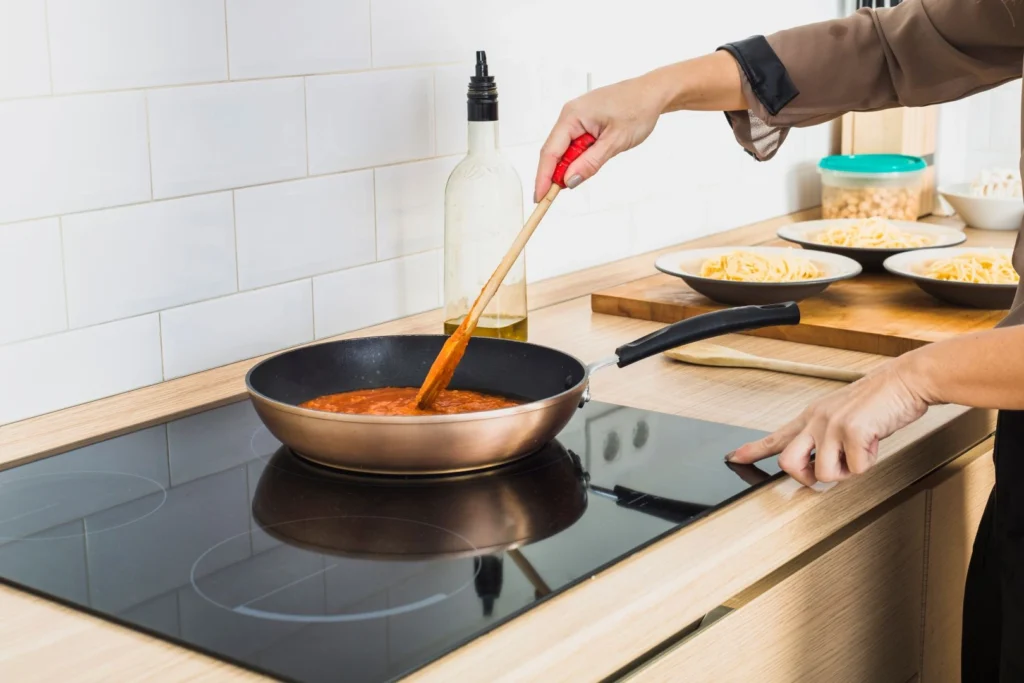
A passive home designer will typically recommend induction cooktops over gas or standard electric. Induction technology uses magnetic currents to heat the pot or pan directly, which means very little ambient heat escapes into the room. This makes the kitchen more comfortable, especially in summer, and supports the goal of energy efficiency that passive house design requires. Induction cooktops are also faster and more precise than other options, reducing cooking time and energy use.
Gas cooktops, by contrast, release significant heat into the room as well as combustion gases. These can increase internal temperatures unpredictably and add moisture, which the house’s mechanical ventilation system must manage. They also require a continuous supply of fuel, which is less compatible with high-performance passive house designs.
By choosing energy-efficient appliances, you support the overall goal of passive house certification, which focuses on minimal energy consumption and high renewable energy offset.
Fresh air and ventilation
One of the most important aspects of passive building design is the mechanical ventilation with heat recovery (MVHR) system. This system provides a constant flow of fresh, filtered air throughout the home. However, a standard kitchen generates a lot of steam, grease and strong smells that require extra attention.
In a passive design house, you won’t simply install a high-powered exhaust fan that vents directly to the outside. This would create a massive hole in the airtight envelope and suck out all your expensive conditioned air. Instead, passive house builders in Australia often install recirculating rangehoods equipped with high-grade carbon filters. These filters trap grease and neutralise smells before releasing the air back into the kitchen. The MVHR system then gradually removes the moisture and any remaining odours.
Moisture control and steam
Excess moisture is a key concern when designing a passive house. In the kitchen, boiling a large pot of pasta or steaming vegetables releases a large amount of water vapour. If this moisture is not managed, it can lead to condensation or mould issues.
Passive house designers in Australia typically plan kitchen layouts to ensure the MVHR extract points are located near the cooking area. This allows the system to pull damp air out of the room immediately, ensuring that the air stays dry and comfortable regardless of how many pots you have on the stove.
Passive house builders will also ensure that the kitchen joinery is built from materials that can handle the specific humidity levels of a sealed environment.
Additionally, if the home was designed by experienced Passive house designers in Australia, moisture loads from kitchens will have been included in the energy model. That means the system is sized to cope with normal cooking activity.
Regular maintenance is important. Filters should be cleaned or replaced as recommended. This ensures airflow remains effective.
Layout and design
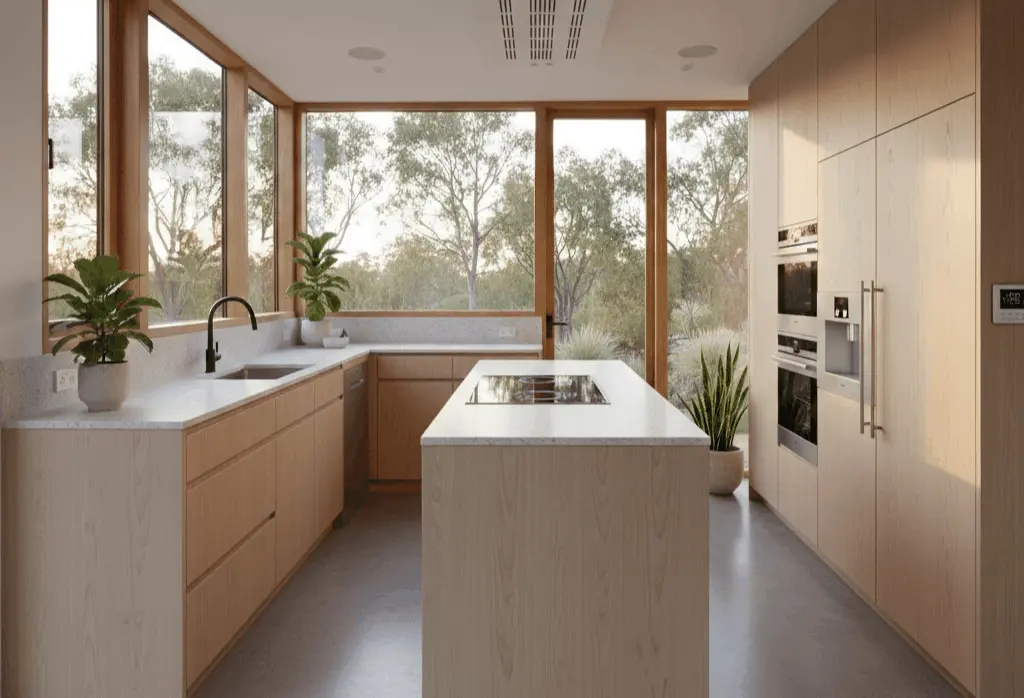
The kitchen layout in a passive house is similar to any other modern home. However, there are a few considerations linked to passive house design.
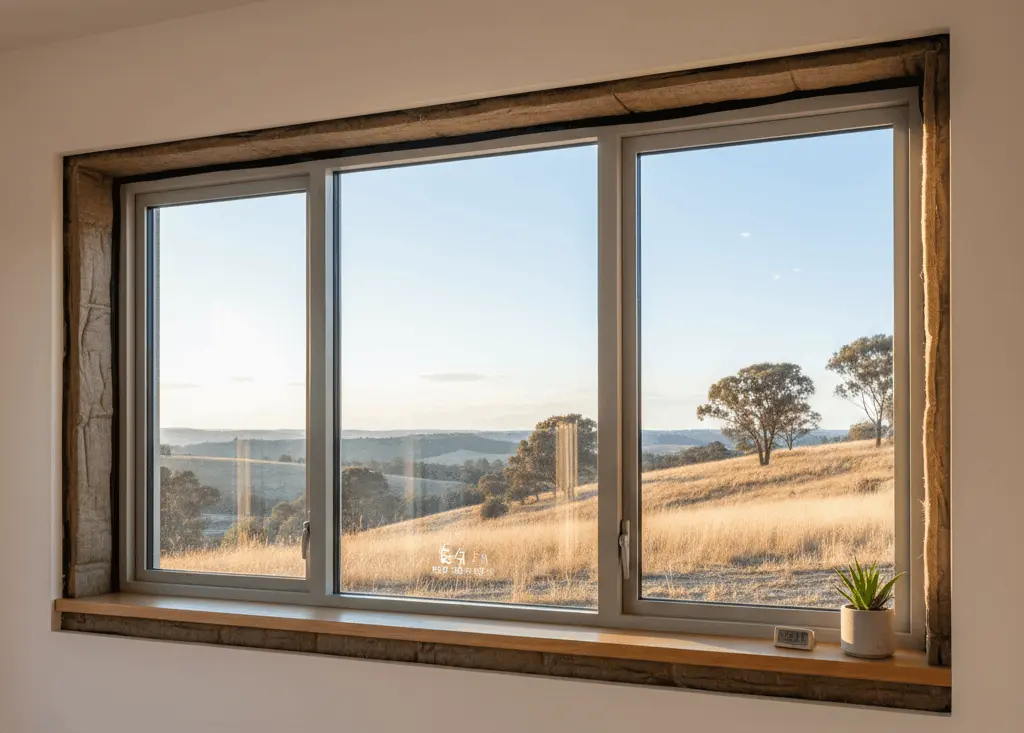
In general, large south-facing windows may be limited to reduce heat loss. North-facing glazing is carefully shaded to avoid overheating in summer. These decisions may influence where the kitchen sits within the floor plan.
When working with a specialist passive home builder, the kitchen is integrated into the broader thermal strategy. Duct runs, service penetrations and cabinetry are detailed to maintain airtightness.
Additionally, keeping the “wet” areas of the home – like the kitchen, laundry and bathrooms – close together can simplify the plumbing and ventilation ductwork.
In many passive house designs, open-plan living is common. This means cooking smells and sounds travel more freely, so effective extraction becomes even more important.