Behavioural tips for getting the most out of your passive house
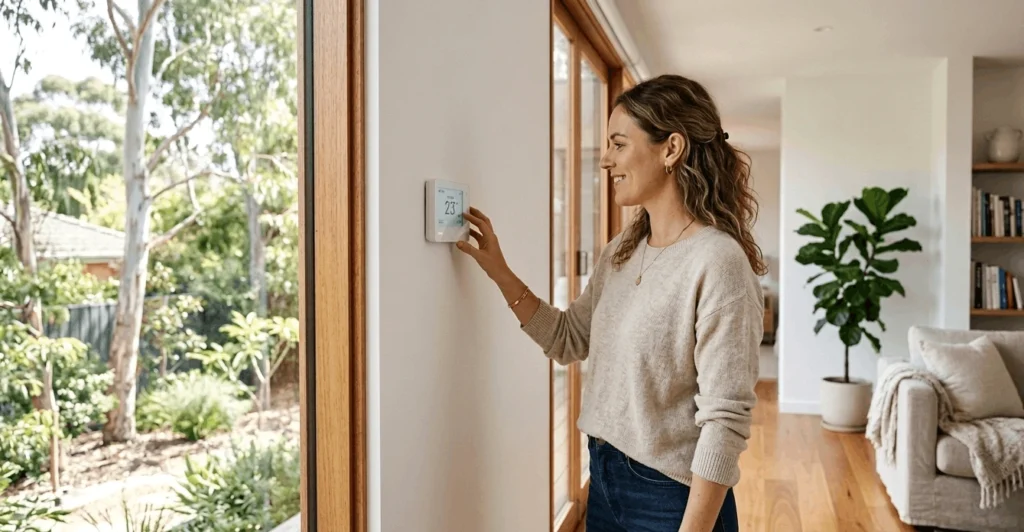
A passive house design does most of the work for you. The insulation, airtight construction, high-performance glazing and heat recovery ventilation system are all built in – they do not require much input from the people living inside. But the way you use your home still matters. Small behavioural adjustments can meaningfully improve comfort, reduce energy use further and protect the building over the long term.
These tips apply whether you are just about to move into a new passive design house or have been living in one for years.
Work with the ventilation system, not around it
The heat recovery ventilation system is the lungs of a passive home building project. It runs continuously at a low level, supplying fresh filtered air and exhausting stale air without losing the energy used to condition the interior. It is what keeps the air quality high in a well-sealed building.
The most common behavioural mistake in a passive house in Australia is treating the ventilation system as optional. Turning it off to save electricity or assuming open windows are an adequate substitute undermines the system the building was designed around. The energy cost of running the ventilation system is very low – far lower than the cost of reheating or recooling air lost through open windows on an extreme weather day.
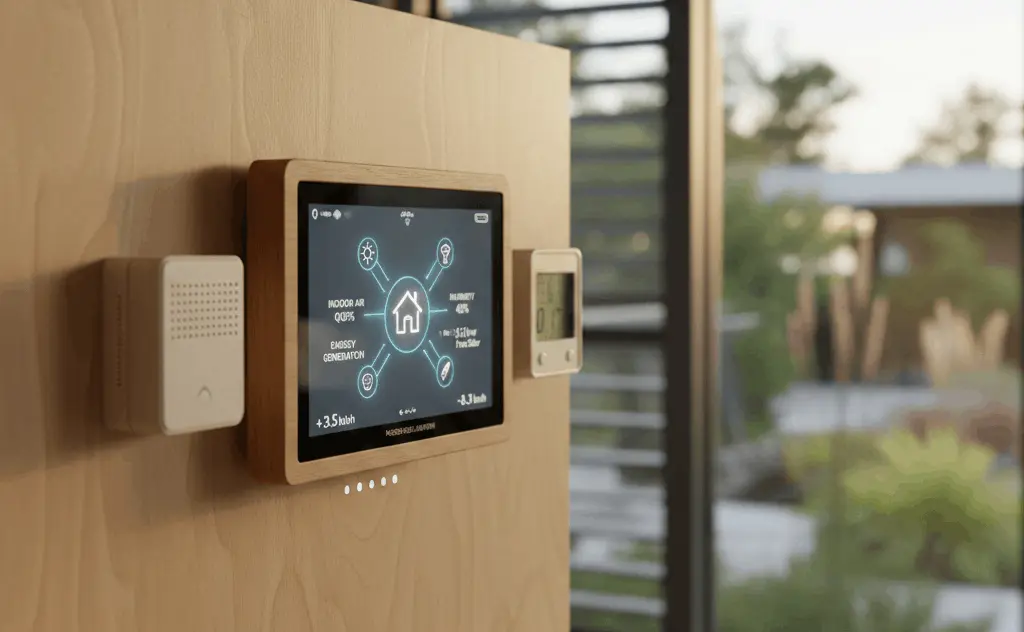
Run the system continuously. Boost it manually or set your smart home device to boost it automatically when cooking or showering. Clean or replace the filters on the schedule recommended by the manufacturer. These three habits keep air quality high and protect the system from unnecessary wear.
Be deliberate about opening windows
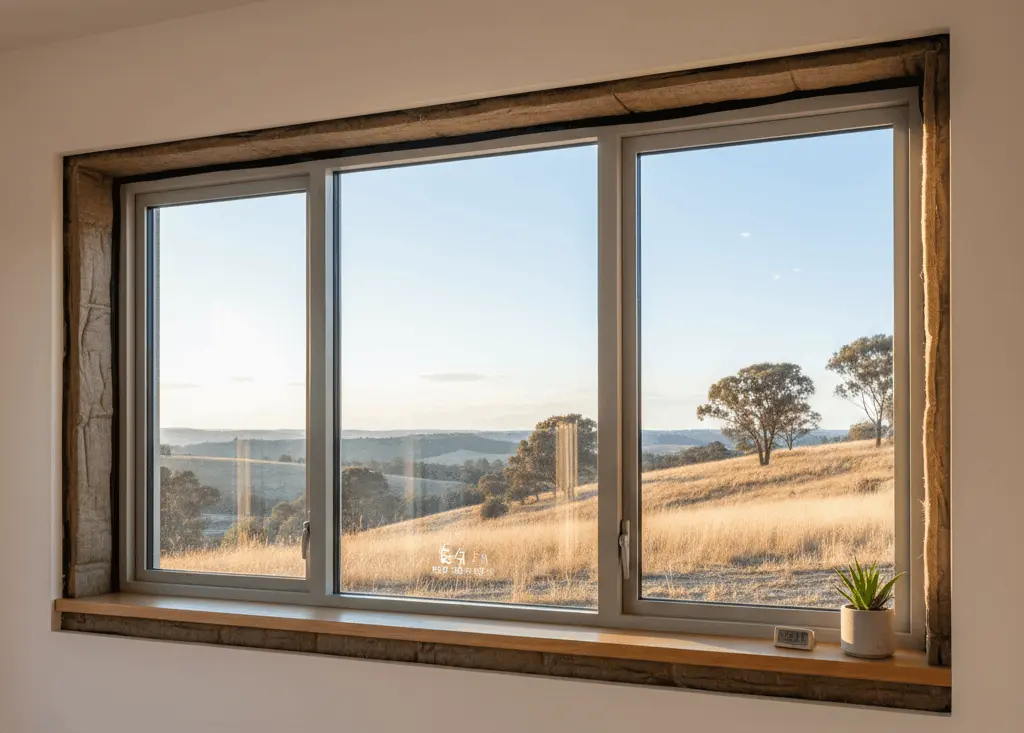
Windows can be opened in a passive design house. There is no rule against it. On a mild day when outdoor temperatures are close to indoor temperatures, opening windows is a pleasant way to bring in fresh air and it costs nothing in energy terms.
The adjustment is being deliberate about when and why. On very hot days, opening windows during the hottest part of the afternoon lets warm air in and makes the building work harder to recover. On cold nights, open windows allow heat to escape that the building has accumulated through the day. Passive house designs are built to hold temperature well in both directions, and working with that quality rather than against it keeps the interior comfortable with minimal energy input.
A useful habit is to check the outdoor temperature before opening windows. If it is significantly hotter or colder outside than inside, keeping the building sealed allows it to perform as designed.
Understand how the building responds to temperature changes
A passive house in Australia responds to temperature changes more slowly than a standard home. This is a feature of the thermal mass and insulation. The building holds its temperature well and does not swing quickly in response to outdoor conditions or internal adjustments.
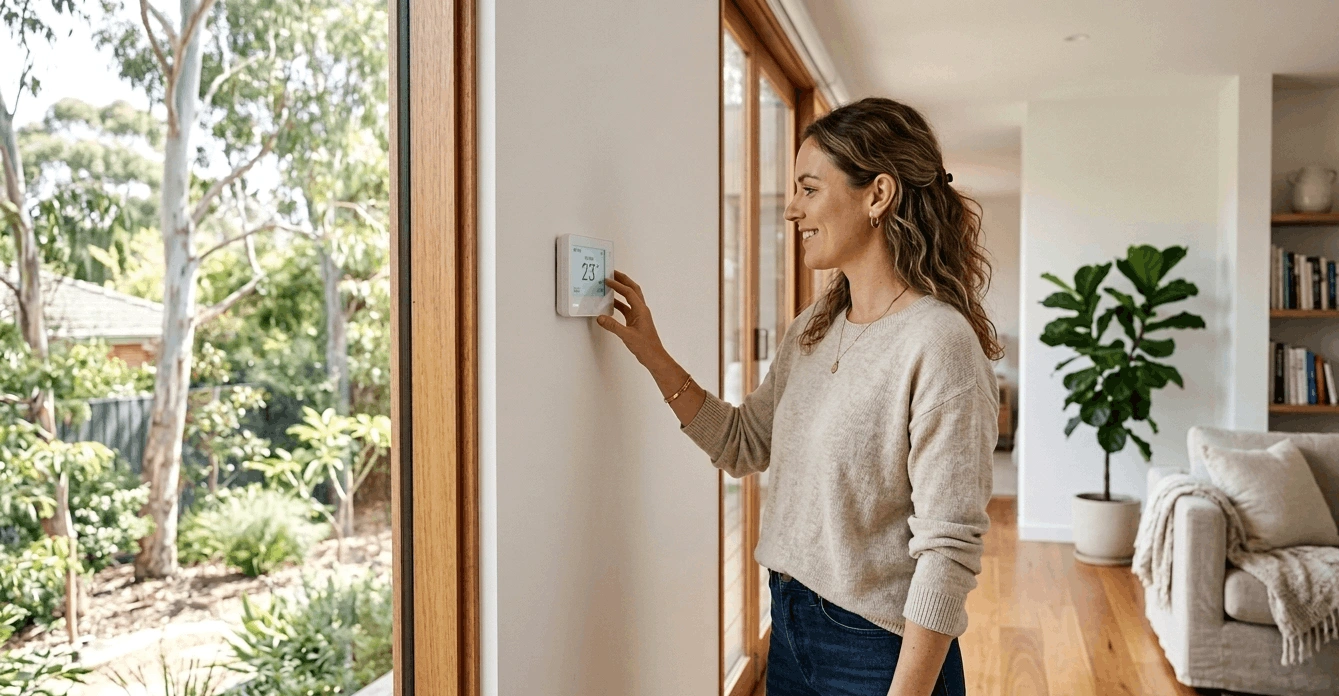
New residents sometimes interpret this slowness as a fault. They turn heating or cooling to maximum, expecting a rapid response, and end up overshooting the comfortable range. The better approach is to make small adjustments and allow time for the building to respond. In most cases, the building will reach and hold a comfortable temperature with very modest input from any heating or cooling system.
Passive house builders in Australia will often walk through this behaviour with new occupants at handover. If that conversation did not happen when you moved in, it is worth asking your passive home builder or the building’s designer for guidance on operating the specific systems in your home.
Manage internal heat gains
Every heat-generating appliance in the home contributes to the internal temperature. In a standard home, this contribution is quite low relative to the heating and cooling load. In a passive building design, where the heating load is very small, internal gains from cooking, appliances, lighting and the number of people in the space become proportionally higher.
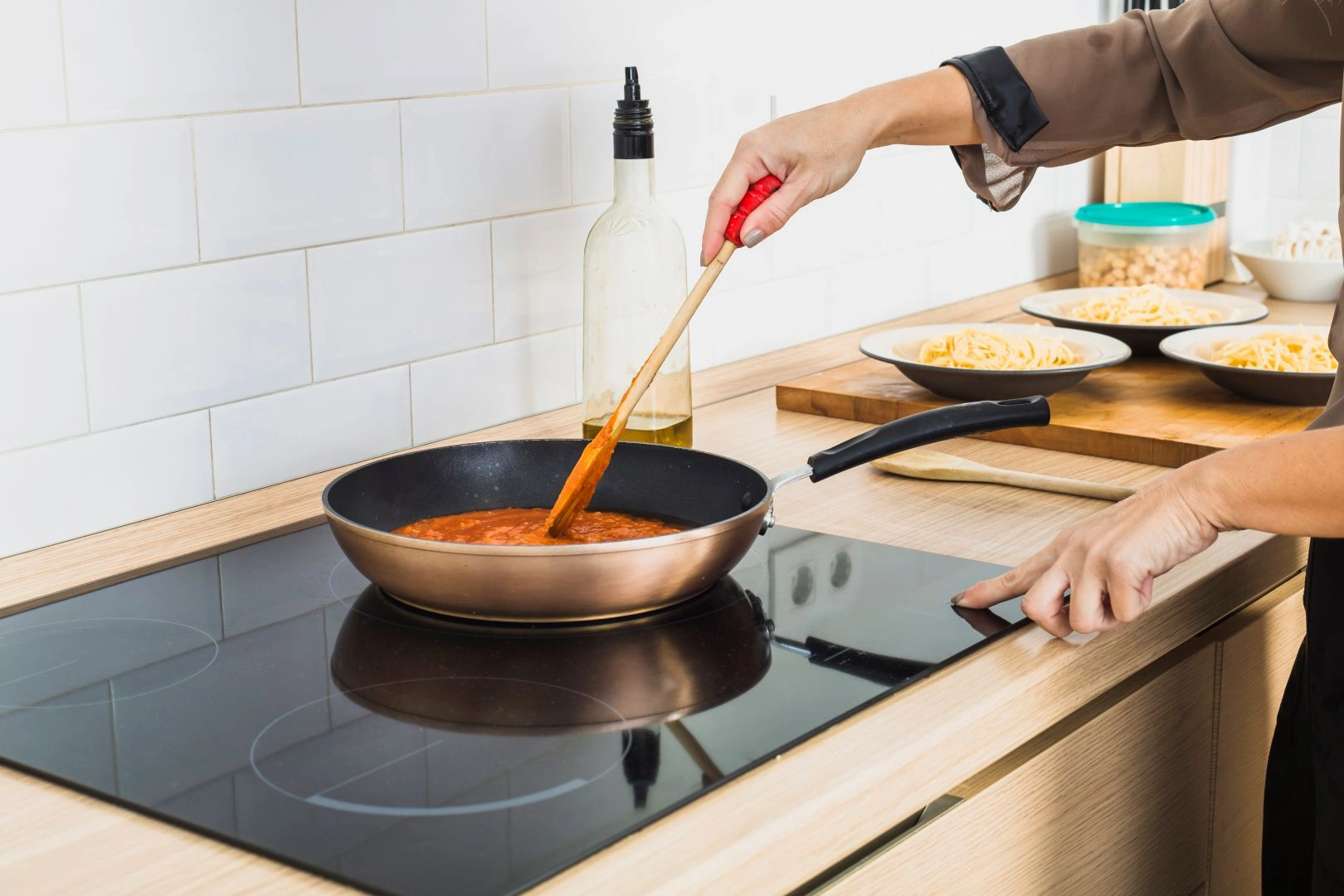
This can be a benefit as body heat and appliance heat reduce the need for mechanical heating in winter. But in summer, it works the other way. Running the oven, the dishwasher and multiple devices simultaneously on a hot day adds a meaningful heat load to a well-sealed space. Scheduling high-heat activities for cooler parts of the day, using your extraction devices when cooking and choosing energy-efficient appliances are all habits that support the performance of passive house designs in Australia.
Keep internal doors balanced
Many passive house designs rely on a balanced airflow throughout the home. The ventilation system supplies fresh air to living areas and bedrooms while extracting air from kitchens and bathrooms. This is why many passive houses in Australia are built in an open-plan design.
But, in homes that are more closed off or with more rooms, keeping internal doors slightly open can help maintain this airflow pattern. Some homes include transfer grilles or door undercuts to allow air to move freely between rooms.
Your passive home builder or ventilation installer will normally provide guidance on how the airflow system works. Following these recommendations helps maintain consistent air quality in every part of the home.
Don’t overlook maintenance
A passive house design delivers its performance through the building envelope and mechanical systems working together. The envelope, including the insulation, airtightness and glazing, requires very little ongoing attention. The mechanical systems require periodic maintenance to keep performing well.
Your main tasks should be cleaning filters, annual checks of the ventilation system and keeping drainage clear around the building. Passive house builders in Australia typically provide a maintenance schedule at handover.
The habits that matter most in a passive home building project are not dramatic. They are small, consistent and easy to maintain once you understand why they matter.