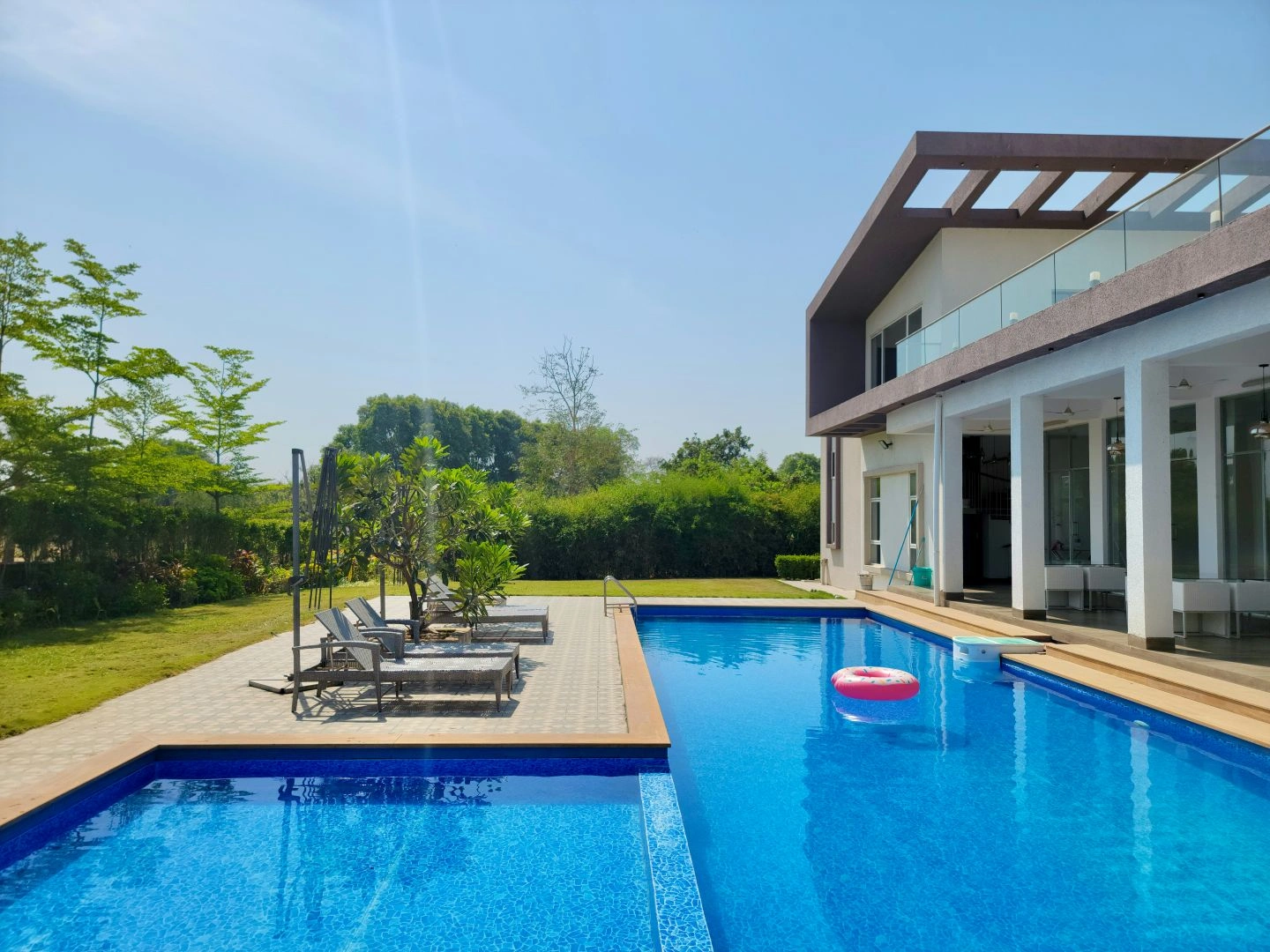
Everything you need to know about passive houses and indoor plants
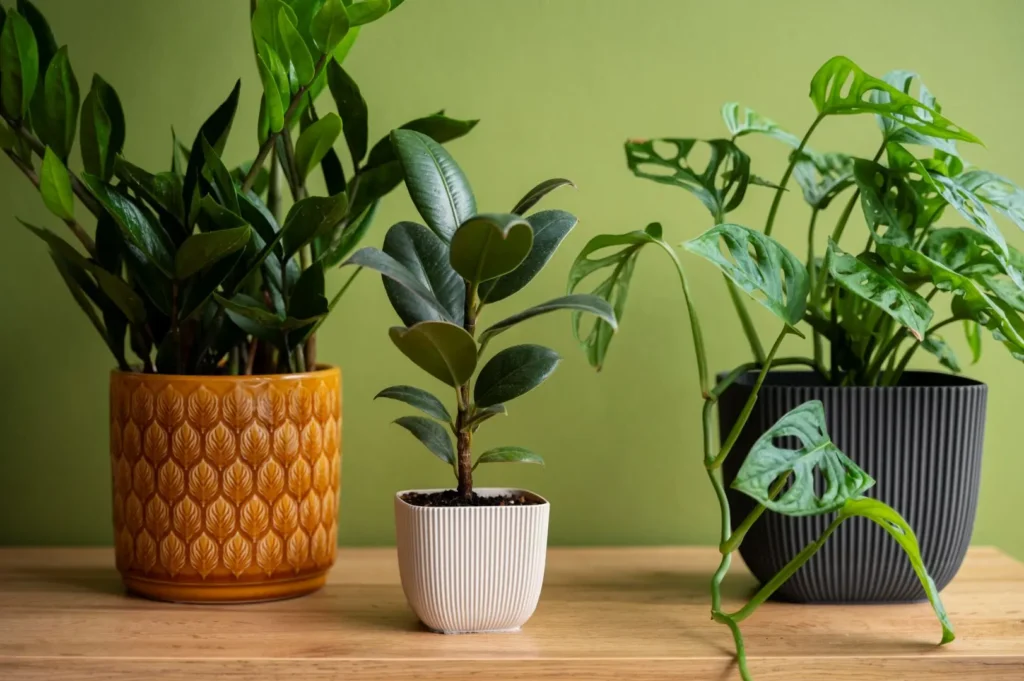
A certified passive home is built around air quality. The whole system – the airtight envelope, the heat recovery ventilation unit, the carefully managed airflow – exists to give you a stable, clean indoor environment.
So, it’s a reasonable question to ask where indoor plants fit into that picture. Do they help? Do they interfere? And are there things worth knowing before you fill your passive home with greenery?
The short answer is that indoor plants and passive house design are broadly compatible – but there are a few things worth understanding before you treat your home like a greenhouse.
What the ventilation system is already doing
In a certified passive design house, fresh air is supplied continuously through a mechanical ventilation with heat recovery (MVHR) system. This filters incoming air, removes stale air and manages humidity levels across the whole building. The system runs quietly in the background, exchanging the air in the home several times a day.
This is important to know because one of the most commonly cited reasons for keeping indoor plants – improving air quality – is already being handled very effectively by the ventilation system. The research suggesting that plants remove toxins and volatile organic compounds (VOCs) from indoor air, while true, applies more to sealed environments with poor ventilation. In a certified passive house design in Australia, the ventilation system is doing that work continuously and at a scale that a handful of pot plants can’t match.
That doesn’t mean plants have no role. It means their contribution to air quality in a passive home is more modest than the headlines around indoor plants sometimes suggest.
Humidity is the main consideration
The more relevant question for passive home building is humidity. Plants transpire, which means they release moisture into the air as part of their normal biological process. In a standard home with variable ventilation and plenty of air leakage, that moisture disperses without much consequence. In an airtight passive home, it accumulates more predictably.
This is not necessarily a problem. The MVHR system in a certified passive home is designed to manage indoor humidity within a comfortable range. A modest collection of indoor plants is unlikely to push that beyond what the system can handle. A very large number of plants – or particularly moisture-heavy species like large tropical varieties that are frequently watered – can add enough humidity to require the system to work harder.
To prevent any unnecessary additional humidity, keep plants in well-ventilated rooms where the air exchange rate is good, avoid overwatering and be mindful of clustering large numbers of plants in spaces where the ventilation is less active, such as corners or enclosed hallways.
Soil, pots and indoor air quality
One area where indoor plants can genuinely affect air quality in a passive design home is through the soil. Damp potting mix can harbour mould and bacteria, which release spores into the indoor air. In a home with good air filtration, this is less of a concern, but it is worth being aware of.
Using well-draining potting mixes, allowing soil to dry appropriately between watering and choosing pots with drainage are all sensible habits in any home. In a certified passive home, where the air quality standard is higher than average, this should be a key focus of plant care.
Thermal comfort
Indoor plants have a very modest effect on the thermal environment of a room. Transpiration releases moisture, which has a very slight cooling effect on the surrounding air. In a passive house design in Australia, where the thermal environment is already carefully managed, this effect is minor. It is not something that needs to be designed around or worried about, but it is a reason to be thoughtful about plant placement near temperature sensors or ventilation inlets, where localised humidity could affect readings.
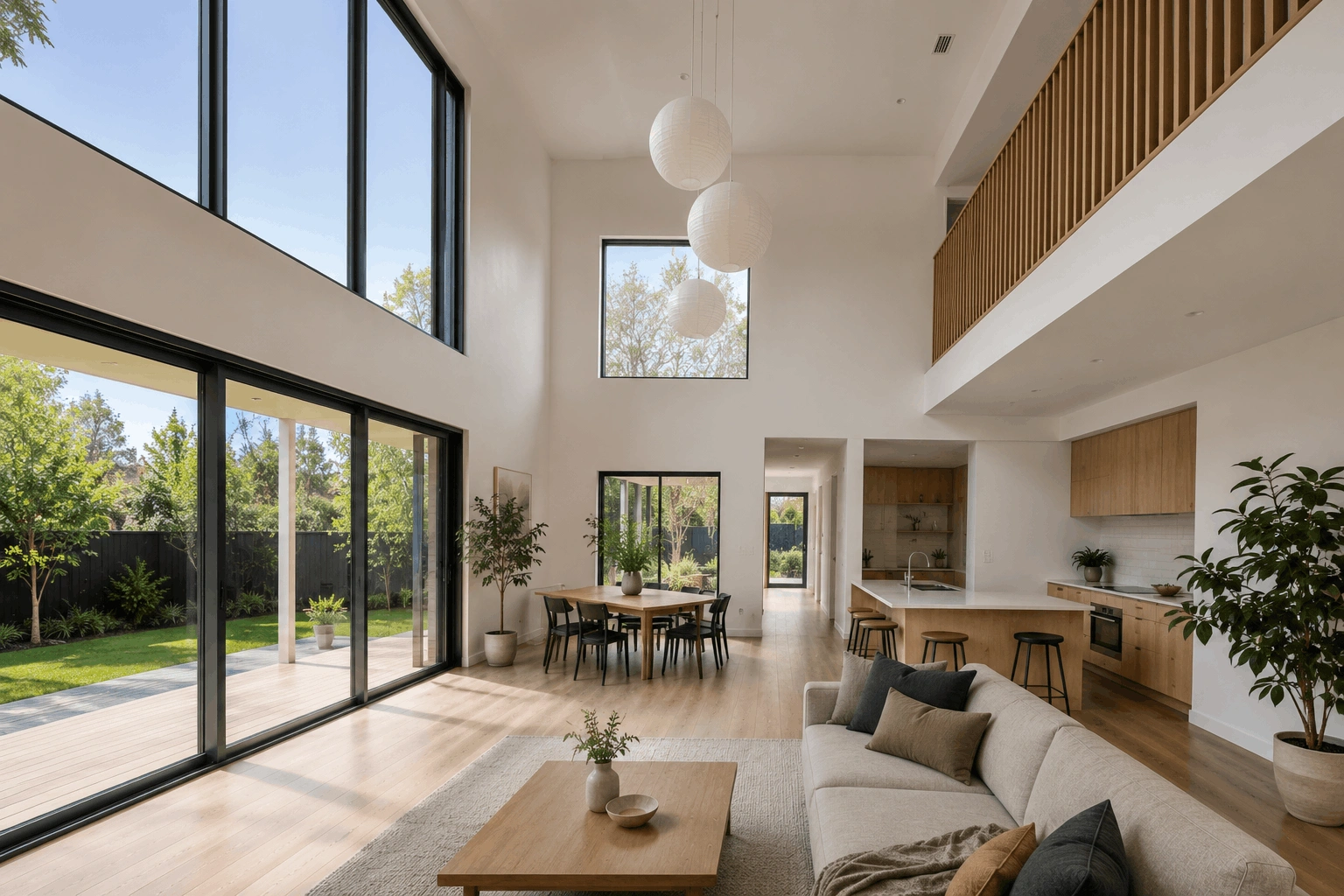
Large plants positioned near north-facing windows can also provide a small amount of shading in summer, which is consistent with the shading principles that underpin good passive house designs. This is a minor benefit rather than a design strategy, but it points to the broader idea that plants and passive house principles are working towards the same goals.
Frequently Asked Questions
The air quality in a certified passive house design is already managed by the heat recovery ventilation system, which filters and exchanges the air continuously. Plants contribute modestly to air quality in poorly ventilated spaces, but that benefit is less significant in a passive home where ventilation is already doing that work effectively. Plants are still a welcome addition – just don't rely on them as an air quality strategy in a certified passive home.
There is no fixed number, but the key variable is humidity. A modest collection of well-maintained plants is unlikely to affect the performance of the ventilation system. A large number of frequently watered, moisture-heavy plants in a small space can add enough humidity to require the system to work harder. If you're planning a significant indoor garden, mention it to your passive house designers in Australia so they can confirm the ventilation specification is appropriate.
It can be, though the risk is manageable. Damp potting mix can harbour mould spores, which affect indoor air quality in any home. In a passive building design where air quality standards are high, it is better to use well-draining potting mixes, avoid overwatering and choose pots with good drainage. These are sensible habits regardless of the type of home you live in, but they are worth being consistent about in a certified passive home.