Australia’s first passive house retirement villa opens in Canberra
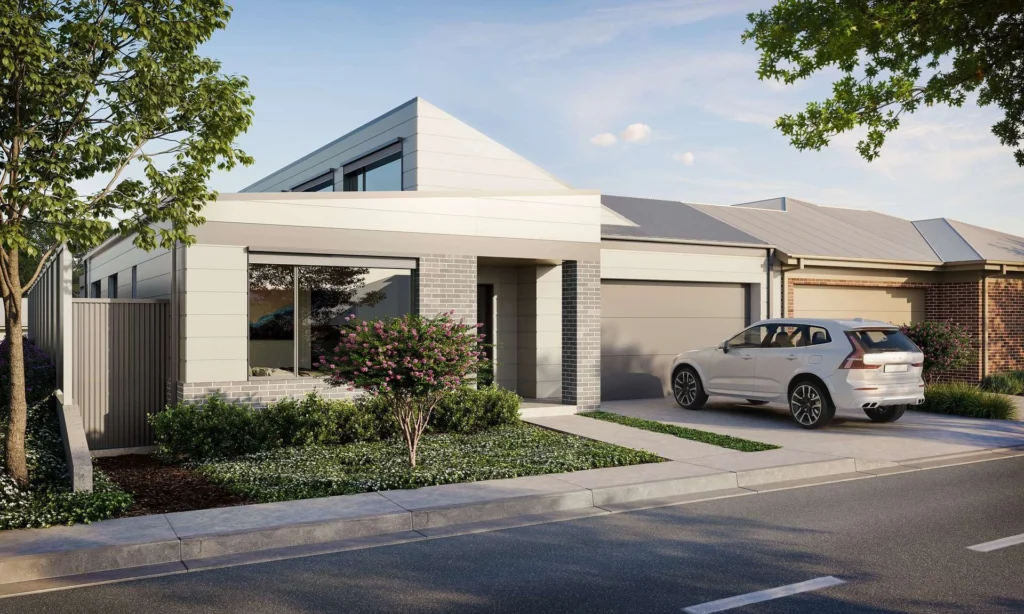
Key features of the design
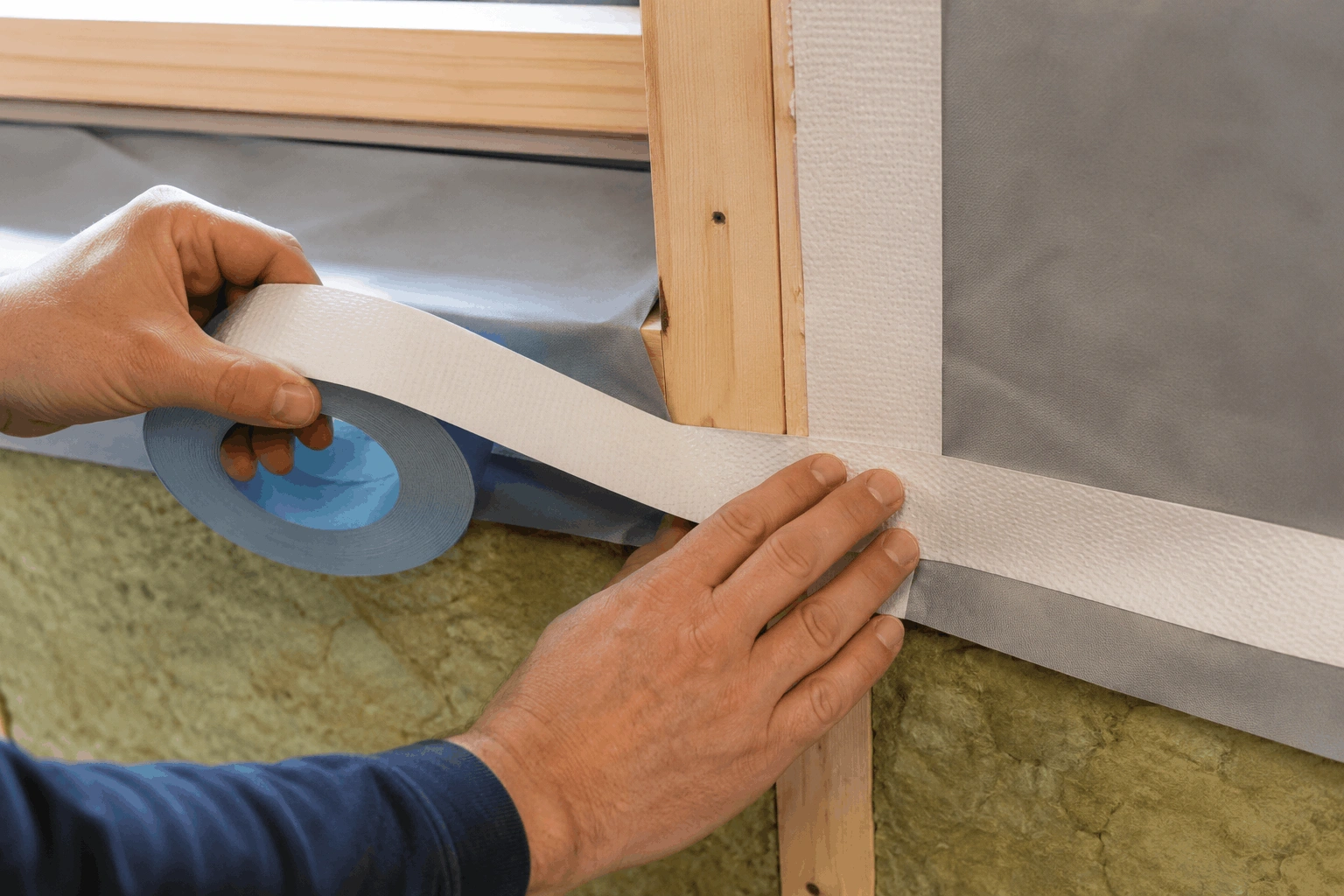
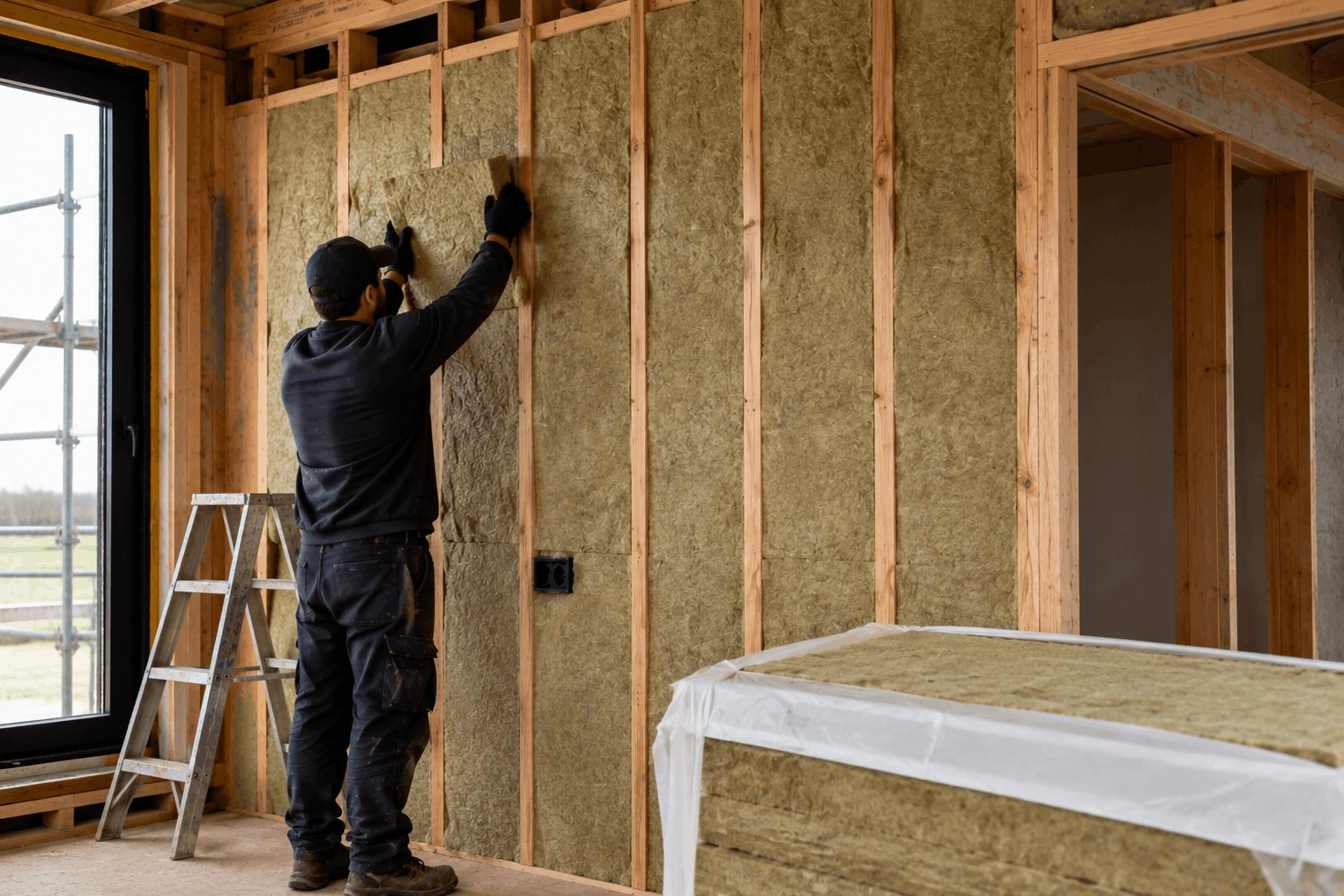
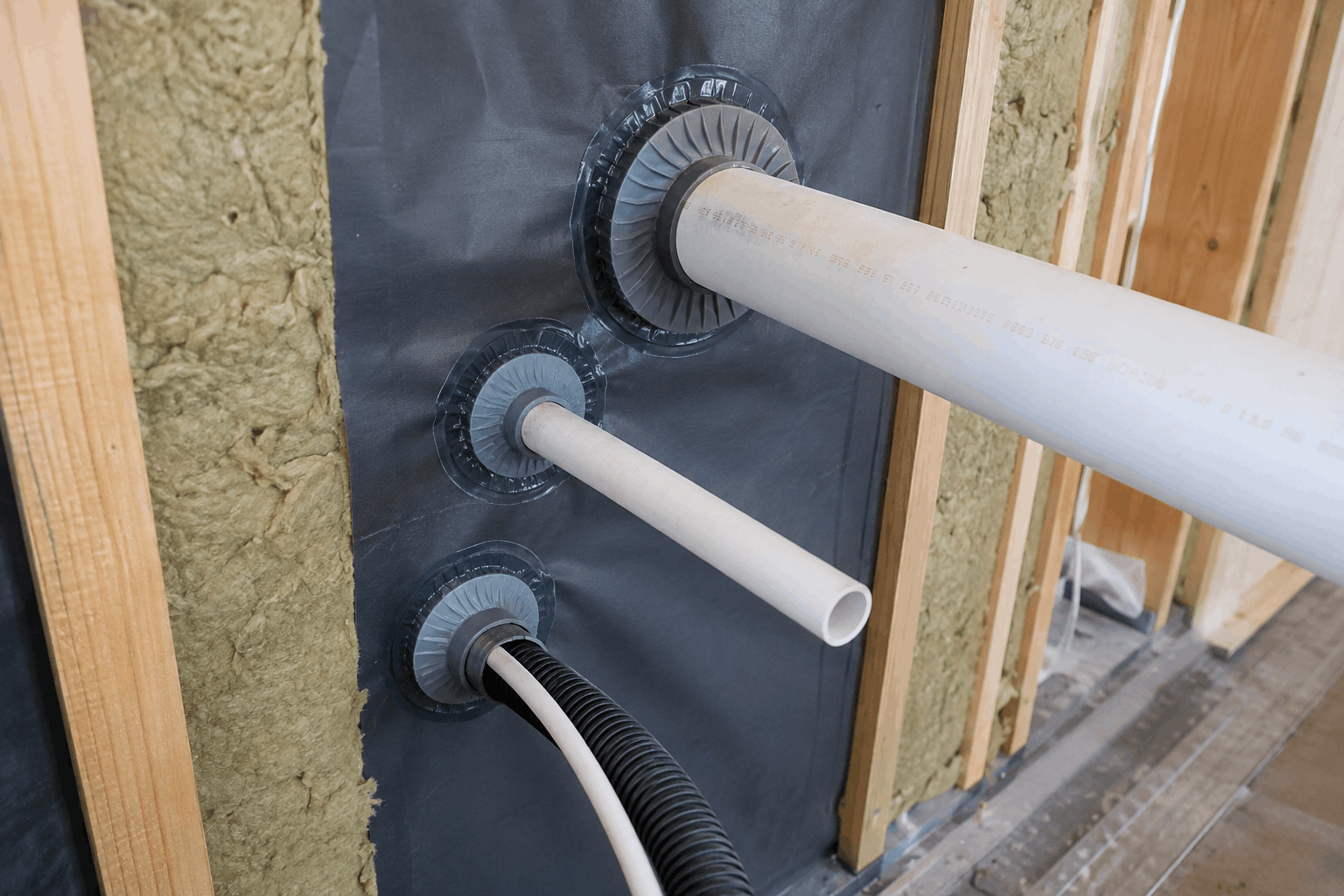
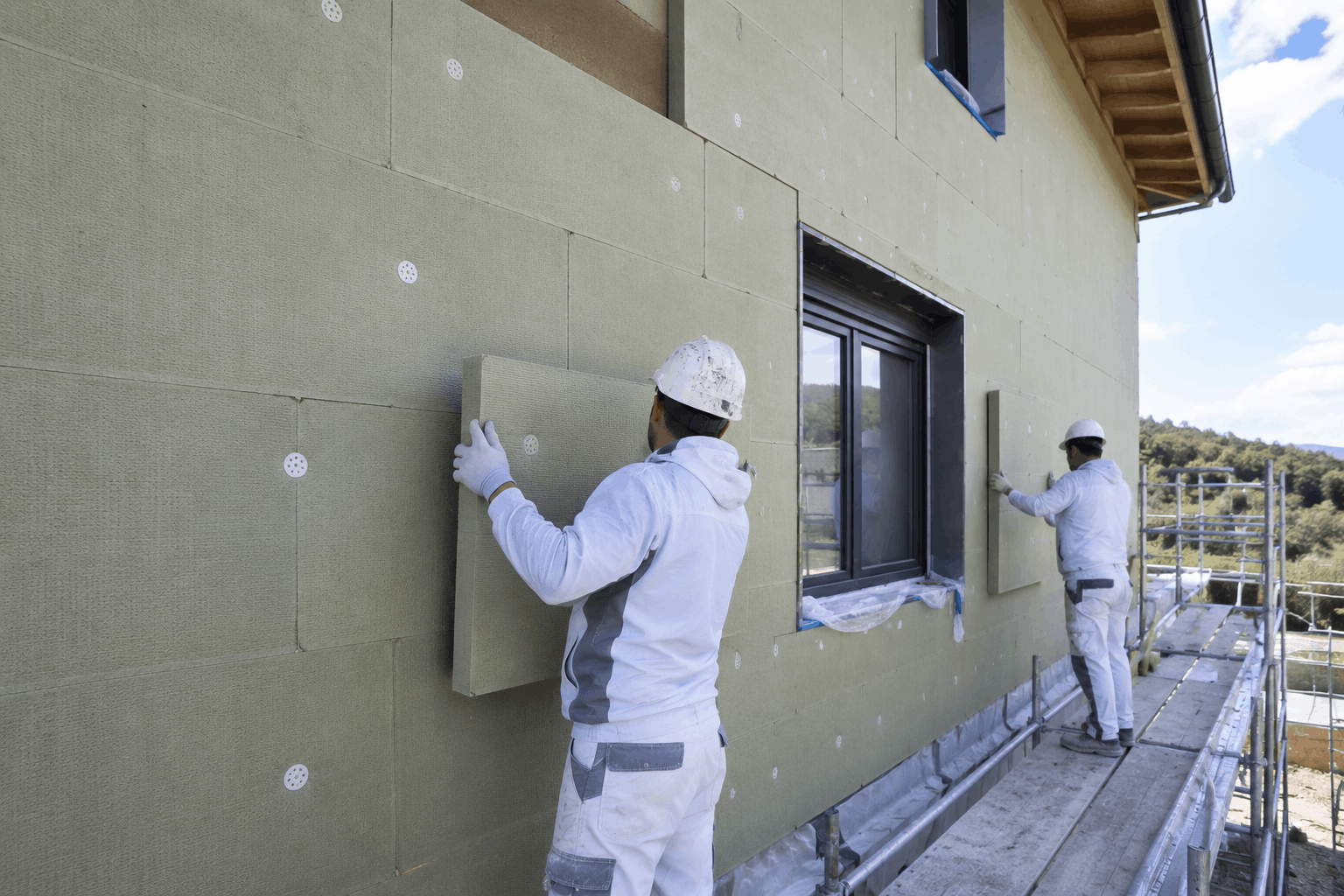
- Airtight construction that prevents draughts and heat loss
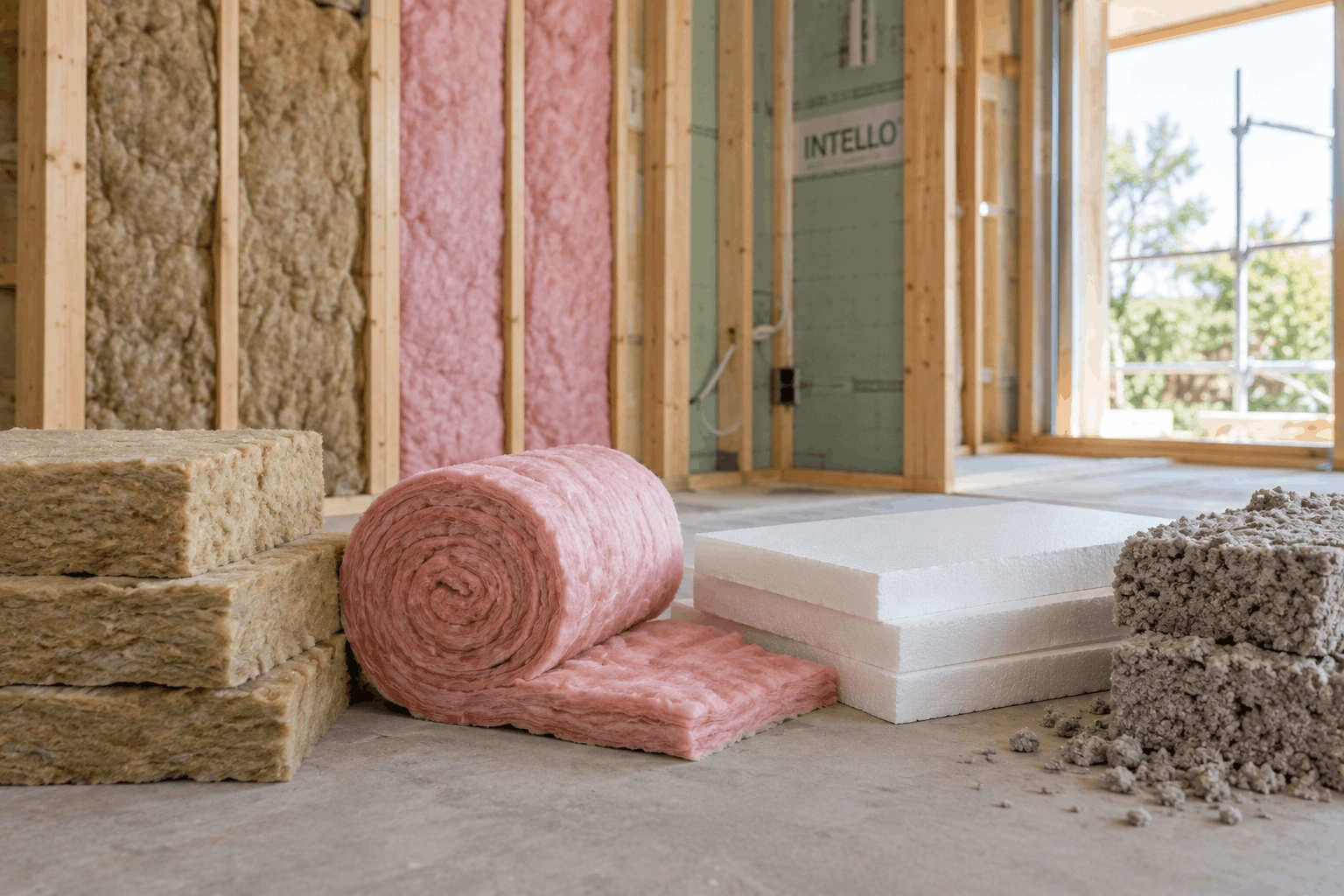
- High-performance insulation that maintains thermal stability
- Triple-glazed windows provide exceptional thermal performance
- Mechanical ventilation system with heat recovery ensures fresh air without losing warmth
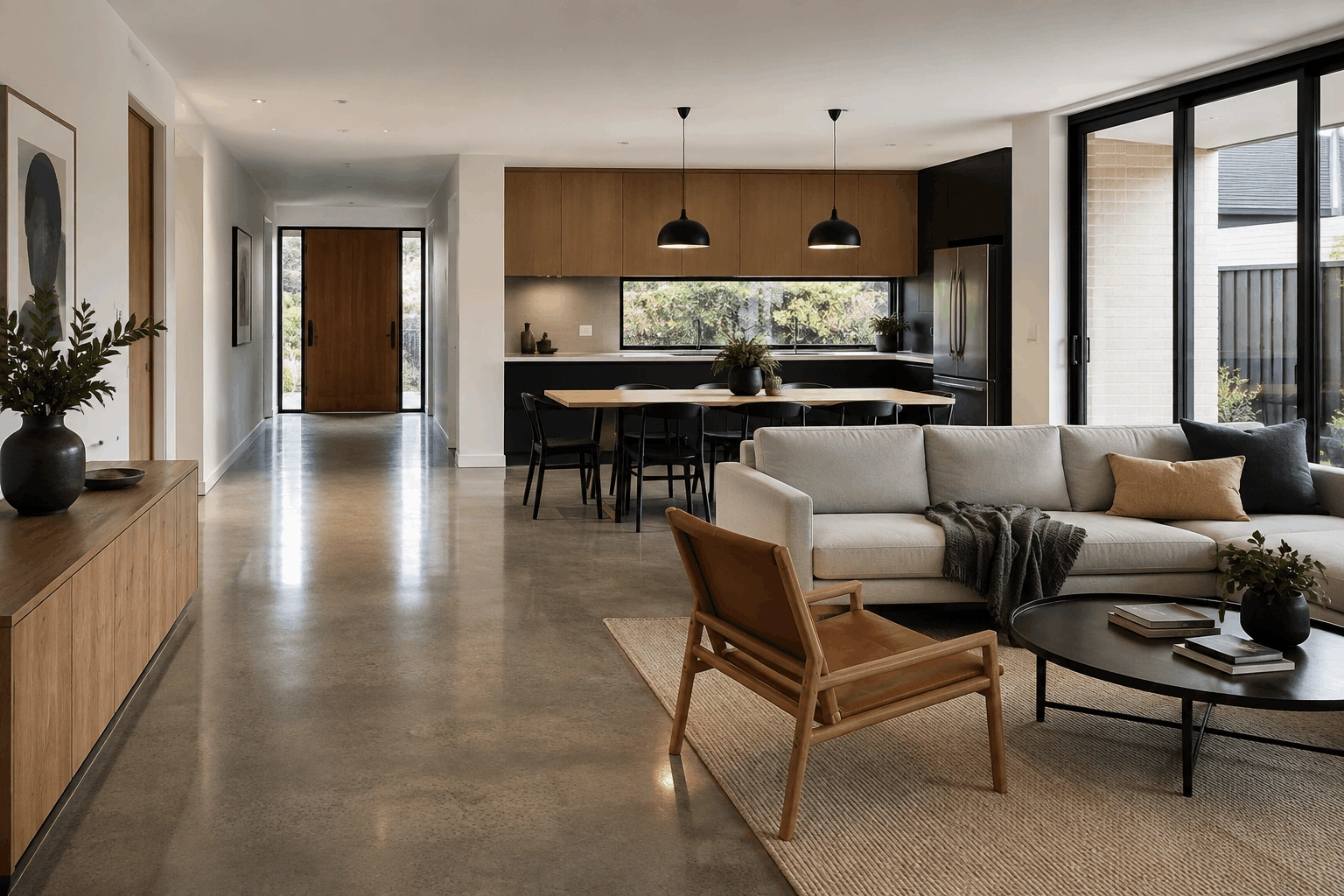
These elements work together to minimise energy use, lower running costs and maintain a comfortable, healthy environment for occupants.
This development forms part of an expanded retirement village, which includes additional villas and an on-site aged care facility. The villa also complements the site’s broader sustainability features, such as solar panels, heat pump hot water systems and double-glazed windows.
Beyond energy efficiency
While reduced energy bills provide a clear financial benefit to residents, the health and well-being advantages represent the primary motivation for applying passive house design principles to retirement living. Older Australians spend significant time at home and are more vulnerable to poor indoor air quality and temperature extremes.
As Australia’s population ages, the combination of sustainable building and retirement living becomes more relevant. The Grove project demonstrates that high-performance building standards do not need to be limited to individual homes or commercial buildings but can be adapted for retirement communities and other multi-dwelling facilities.
Main image credit: Keyton