How to use green roofs in passive house design
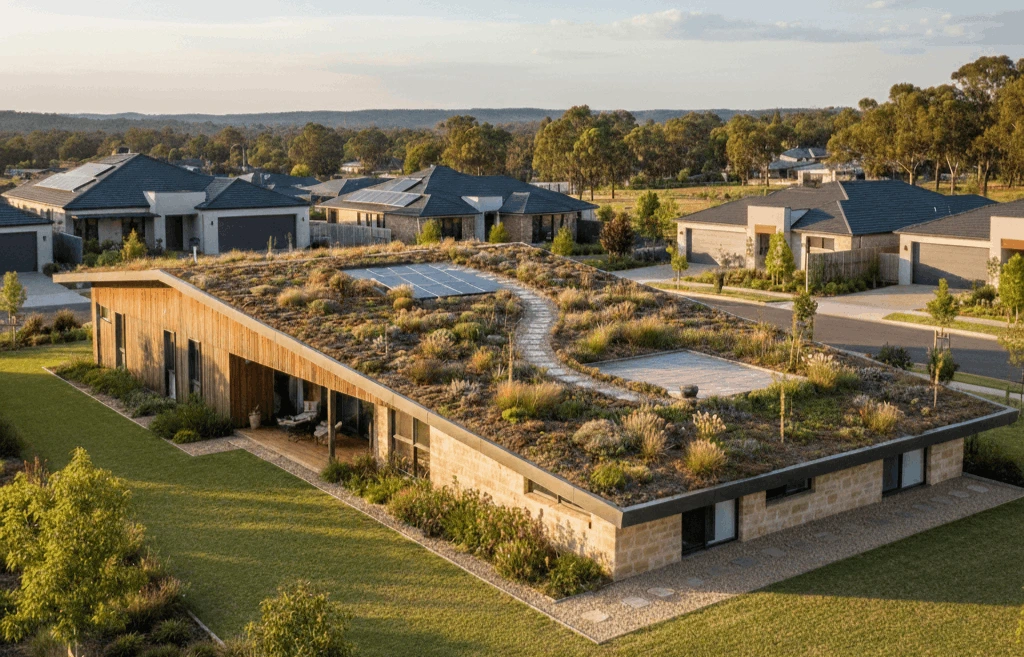
What is a green roof?
Benefits of green roofs
Green roofs offer multiple benefits for passive house designs in Australia:
- Thermal performance: The soil and plants provide additional insulation, helping maintain stable indoor temperatures.
- Stormwater management: Green roofs absorb rainwater, reducing runoff and pressure on drainage systems.
- Air quality: Plants filter dust and pollutants, improving indoor and outdoor air quality.
- Noise reduction: Vegetation can dampen external noise, improving acoustic comfort.
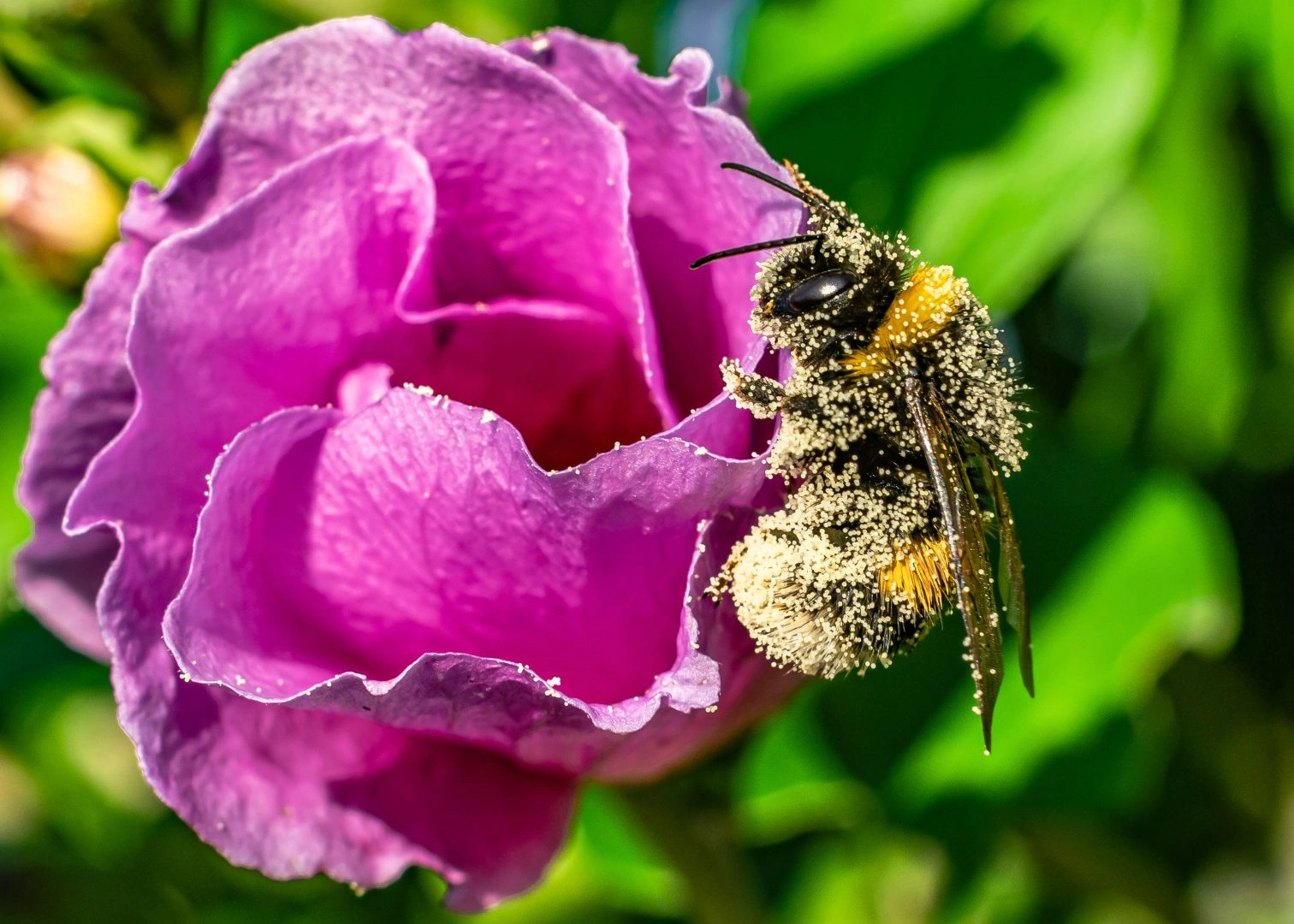
- Biodiversity: Green roofs provide habitats for birds, insects and other wildlife.
- Aesthetics: They create attractive living spaces and improve the connection with nature.
Planning for a green roof
Before installing, careful planning is essential. Consider the structural capacity of the building. Green roofs add substantial weight to the building structure. Saturated growing medium, plants and retained water can add 100-300 kg per square metre, depending on the system depth. When designing a passive house, this loading must be accommodated in the structural design from the outset. Retrofitting green roofs to existing buildings is often impossible due to inadequate structural capacity.
The weight consideration affects costs significantly. Stronger structural systems increase both material and labour expenses, which must be weighed against the benefits when evaluating whether to include a green roof on your passive house.
Waterproofing and drainage
When introducing vegetation and retained moisture above occupied spaces, waterproofing becomes even more important. The membrane must be completely reliable as any leakage can damage insulation, compromise airtightness and create moisture problems within the building envelope.
Many passive house builders specify a primary waterproofing membrane with a secondary drainage layer above it. Root barriers prevent plant roots from penetrating the waterproofing system over time.
You must also prepare for drainage that removes excess water but maintains enough to keep your plants healthy. The drainage layer beneath the growing medium directs water to outlets without creating ponding that could overload the structure or stress the waterproofing.
Insulation and thermal performance
Green roofs add thermal resistance through the growing medium and vegetation, but this varies seasonally and should not replace the continuous insulation layer required in passive building design. The roof structure must still include adequate insulation to meet passive house thermal performance requirements.
A green roof can also protect the insulation and structure from temperature extremes and UV exposure.
The thermal mass of saturated growing medium can moderate temperature swings. This can be particularly beneficial in climates with large temperature variations, reducing peak cooling loads during summer. However, the benefit varies with climate zone and system design.
Plant selection
plants adapted to the harsh rooftop environment. Australian native sedums, grasses and groundcovers may perform better than exotic species. But, passive house designs in different climate zones require different plant palettes.
Your plant selection will also depend on the size and depth of your green roof. Intensive systems with deep growing medium can support large plants but add substantial weight and maintenance requirements.
Irrigation and maintenance
Green roofs require irrigation, especially during establishment. Efficient irrigation systems reduce water use and ensure plants thrive without overloading the building’s energy or water systems.
Regular maintenance is also necessary to manage plant health, remove debris and check waterproofing. Your passive house designer should include access to the system from the beginning. Safe access for roof maintenance ensures work can be performed easily and regularly. Some passive design house projects include rooftop access that allows the green roof to become usable outdoor space while facilitating maintenance.