Integrating home automation with passive house principles
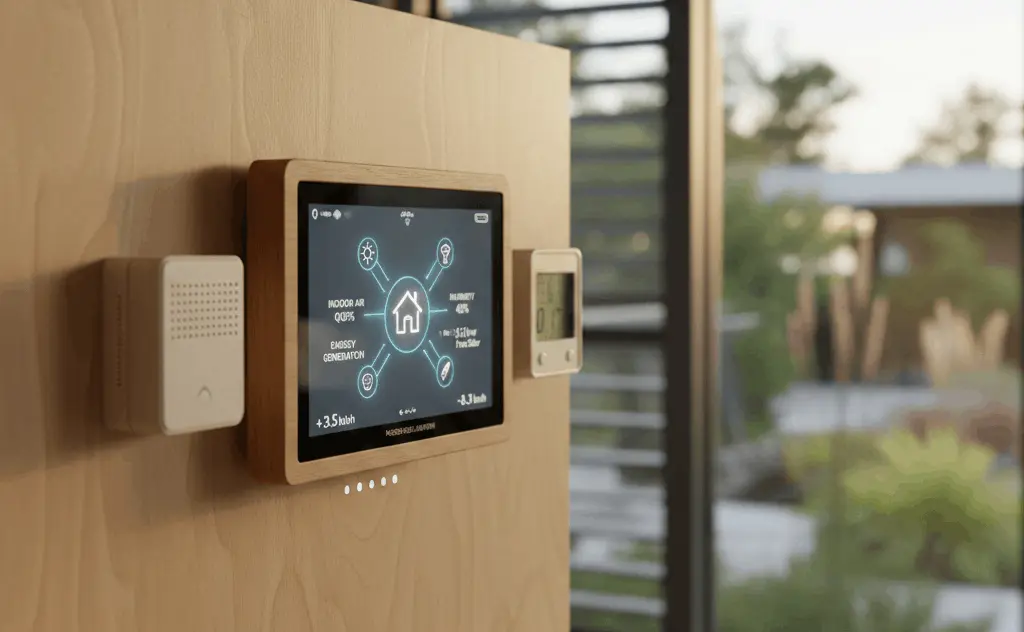
Integrating home automation with passive house principles is about making your home more comfortable, efficient and responsive. Passive houses rely on airtightness, high insulation, thermal bridge-free construction and controlled ventilation. Adding automation can enhance these benefits while maintaining low energy use.
Understand the goals first
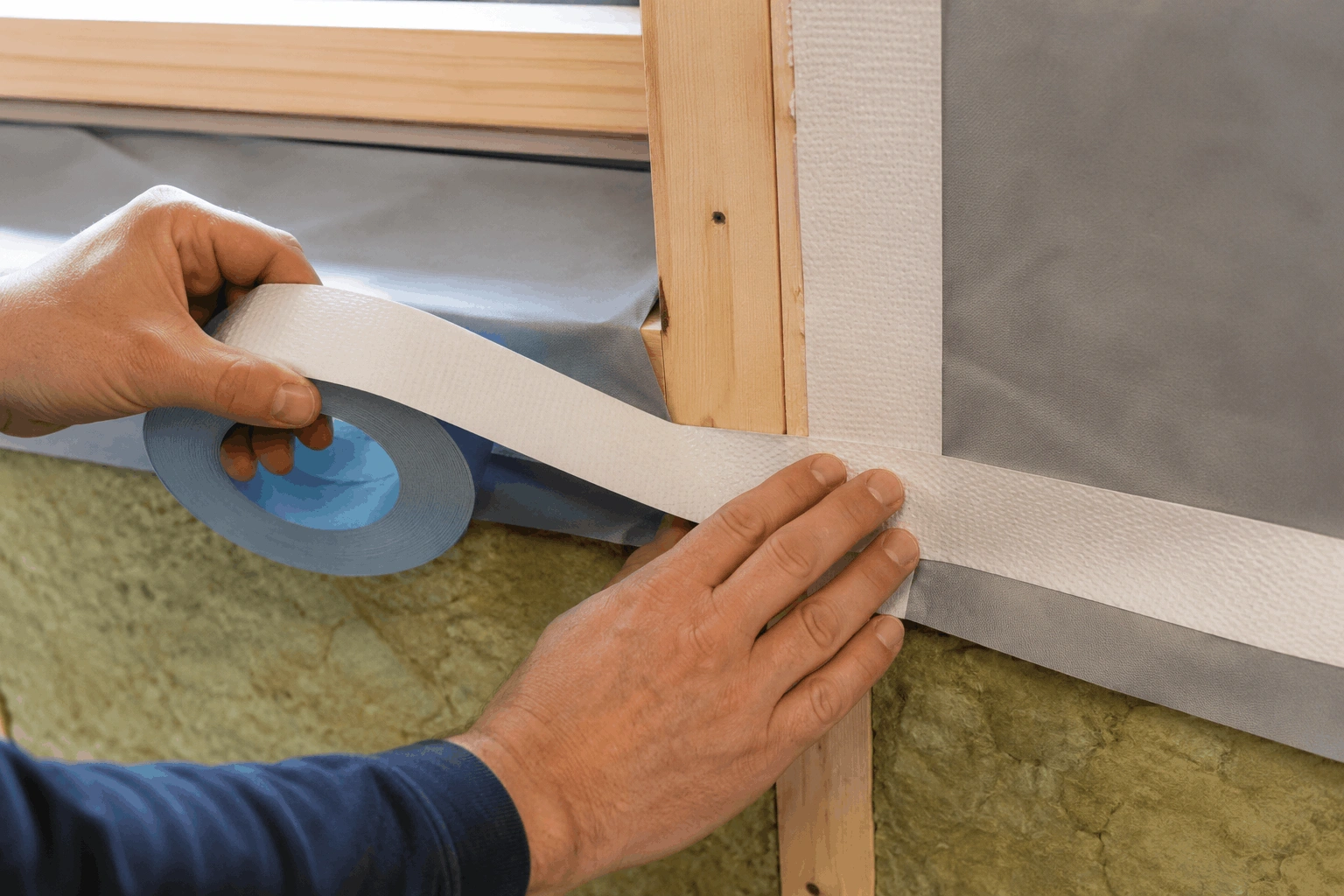
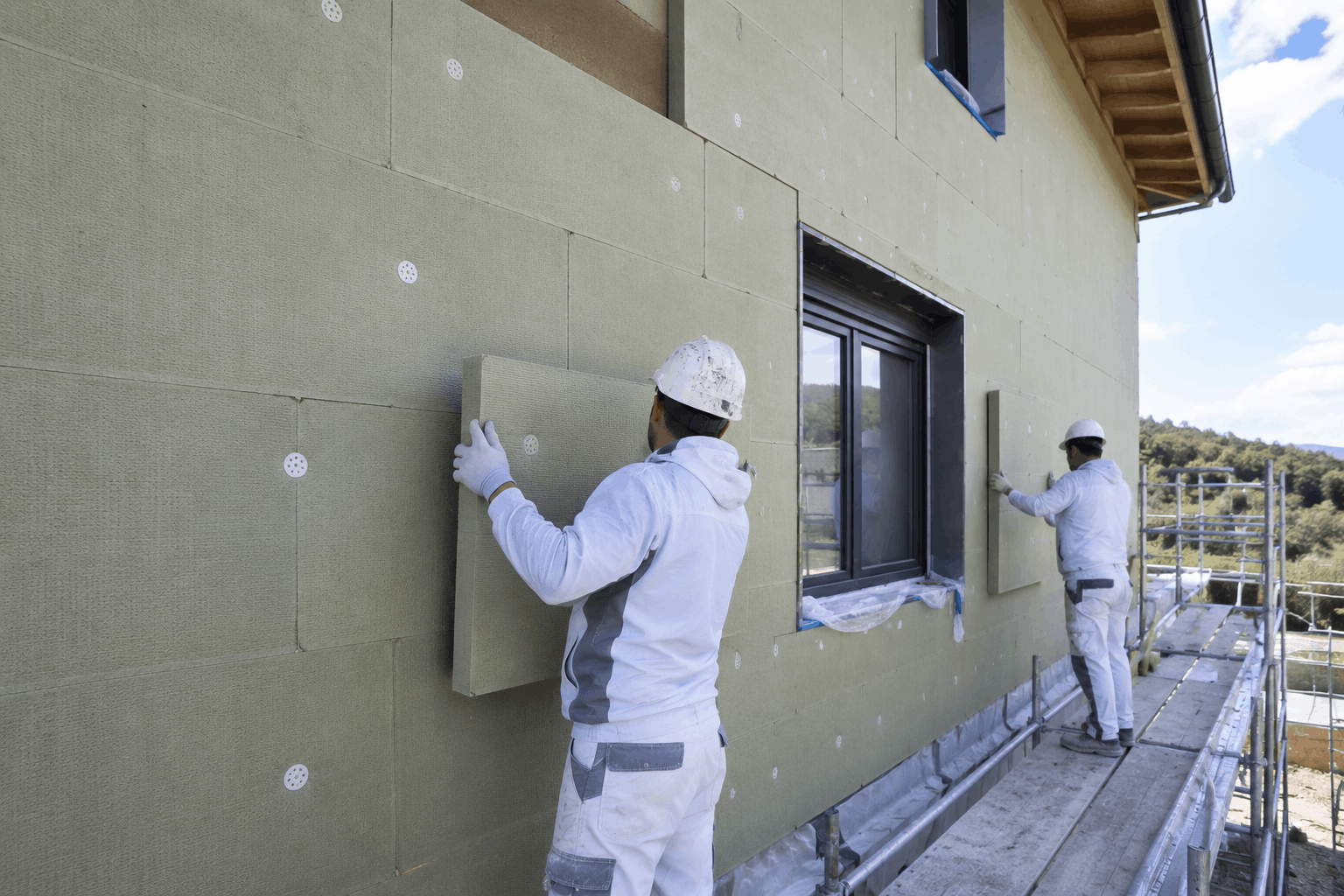
When designing a passive house, it is essential to adhere to the core principles. Airtightness, insulation, thermal mass and mechanical ventilation with heat recovery are central to passive building design. Home automation should support these principles rather than replace them.
Automation can control heating, cooling, lighting, shading and ventilation in a way that responds to the environment and occupancy. This improves comfort and can reduce energy use further. Passive home building projects benefit most when automation is integrated from the start rather than added later.
Ventilation and indoor air quality
Mechanical ventilation with heat recovery is a cornerstone of passive house design. Home automation can improve performance by adjusting airflow based on indoor air quality sensors or humidity levels.
For example, a smart system can boost ventilation when cooking or showering, then return to low levels when spaces are unoccupied. This helps maintain fresh air without creating energy loss. Integrating automation with ventilation supports the airtightness and passive building design standards expected from reputable passive house builders in Australia.
Lighting and shading
Automated lighting can reduce energy use while improving comfort. Motion sensors, dimmers and schedules can adjust lights based on occupancy and daylight.
Shading is equally important. Automated blinds or external shutters can respond to sun angle and weather conditions. In passive houses in Australia, this can prevent overheating in summer and let sunlight in during winter. Coordinating lighting and shading with building orientation and insulation enhances the benefits of passive house designs.
Energy monitoring and smart appliances
Home automation allows real-time energy monitoring. Smart meters and connected appliances provide feedback on energy use, helping residents make informed choices.
In a passive design house, energy demand is already low, so small gains from efficient appliances and behavioural adjustments are noticeable. Appliances can be scheduled to run when renewable energy is available or when the overall load is low. This approach supports the goals of passive house projects, where energy efficiency and comfort are equally valued.
Integration with renewable energy
Most passive house designs in Australia incorporate solar panels or other renewable sources. Automation can manage generation, storage and consumption to maximise efficiency.
For example, smart systems can charge batteries during peak solar output or run high-energy appliances when electricity is cheaper. This reduces reliance on the grid and complements the energy efficiency already achieved through passive home building.
Choosing the right system
Not all home automation systems are suitable for passive houses. The key is integration and simplicity. Overly complex systems can fail or increase energy use rather than reduce it.
When working with passive house designers in Australia, choose systems that communicate across heating, cooling, ventilation, lighting and shading. This ensures the automation supports the building’s passive performance rather than undermining it.
Maintenance and long-term performance
Automation systems require maintenance and occasional updates. In a passive design house, regular checks of the sensors help maintain efficiency and comfort.
Experienced passive house builders and designers will include automation planning in the construction process, making maintenance easier and ensuring the system continues to meet passive house standards over time.
Cost and value considerations
Automation adds upfront cost, but the long-term value can be significant. Better energy control, improved comfort and reduced maintenance all support the goals of passive houses in Australia.
When integrated properly, automation is part of the overall passive house design rather than an add-on. This approach ensures the home performs to expectations and maximises energy efficiency while enhancing daily living.
Future planning
Home automation in passive house design is changing. Artificial intelligence can learn your routines and adjust heating, cooling, ventilation, shading and lighting automatically for comfort and efficiency.
In passive houses, this could include predictive control of blinds, smart ventilation during cooking or showers and managing solar energy use. AI can also track energy patterns and help reduce waste.
Frequently Asked Questions
Yes. Automation can optimise heating, cooling, ventilation, lighting and shading, supporting comfort and energy efficiency in a passive design house.
It is strongly recommended. Planning early ensures automation integrates with airtightness, insulation and mechanical systems, which are central to passive building design. Smart tools can be added retrospectively, but including them from the beginning makes integration easier, reduces costs and ensures the system fully supports the home’s performance.
No. Home automation does not prevent certification as long as it supports the core principles of passive house design. Systems should be planned to work with airtightness, insulation, ventilation and shading. Proper integration with guidance from a passive house designer in Australia ensures that automation enhances comfort and efficiency without affecting certification.