How to furnish a passive house without blocking ventilation
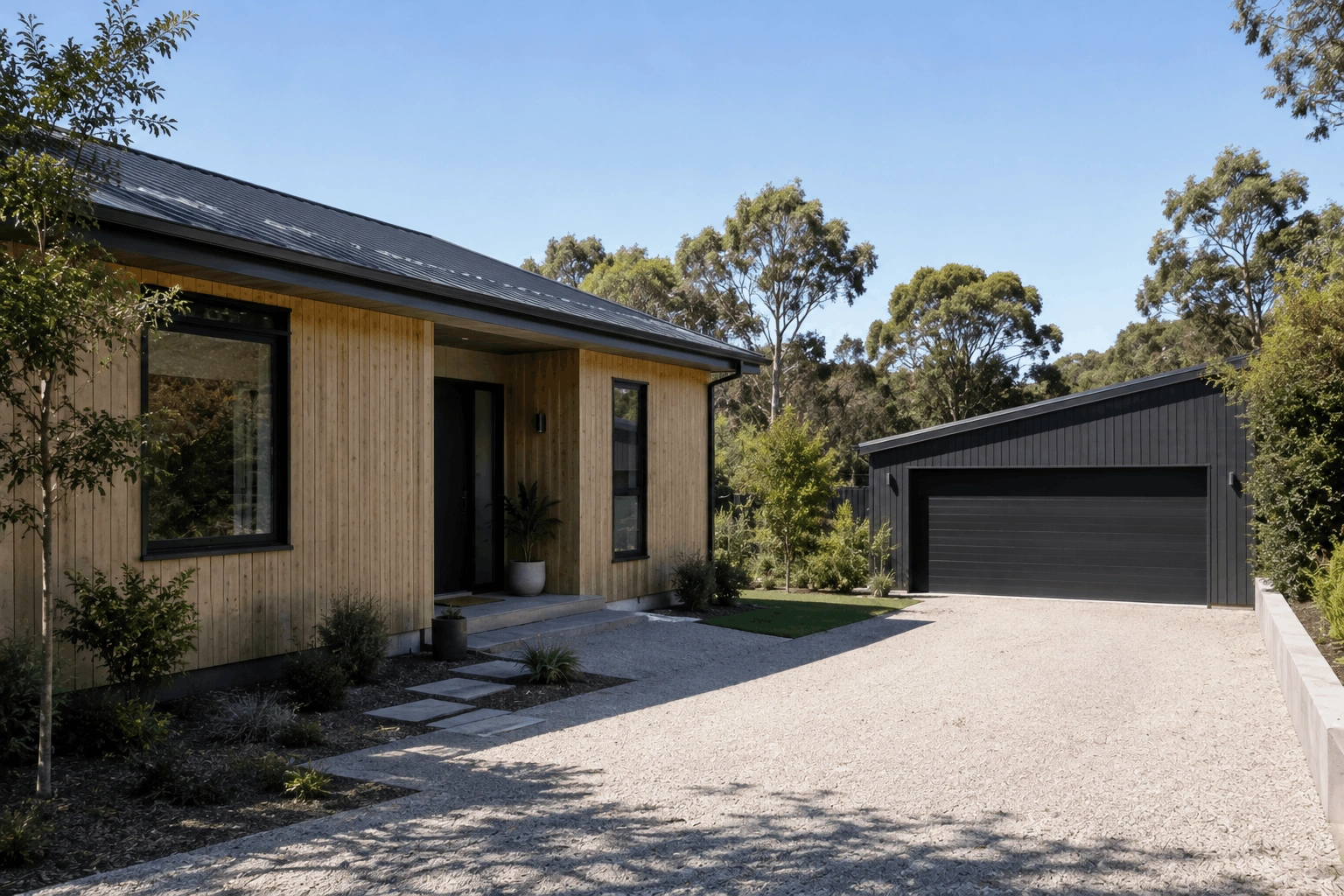
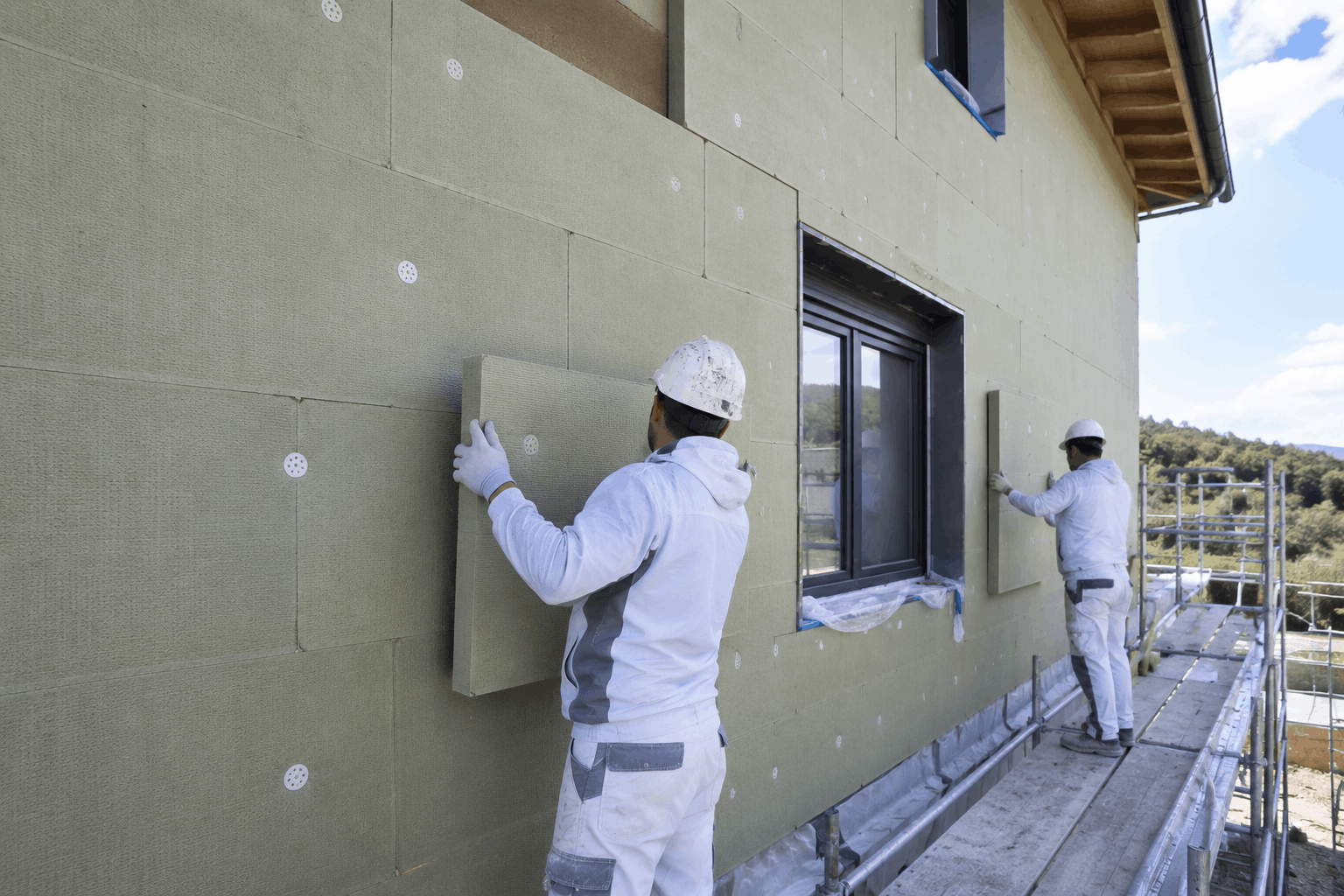
A passive house in Australia is a high-performance space designed for maximum comfort and minimal energy use. Achieving this standard involves careful passive house design focusing on airtightness, insulation and, critically, continuous fresh air supply via the mechanical ventilation with heat recovery (MVHR) system.
So, when the time comes to furnish your passive house, it must be done in such a way that maintains the integrity of the entire passive house system.
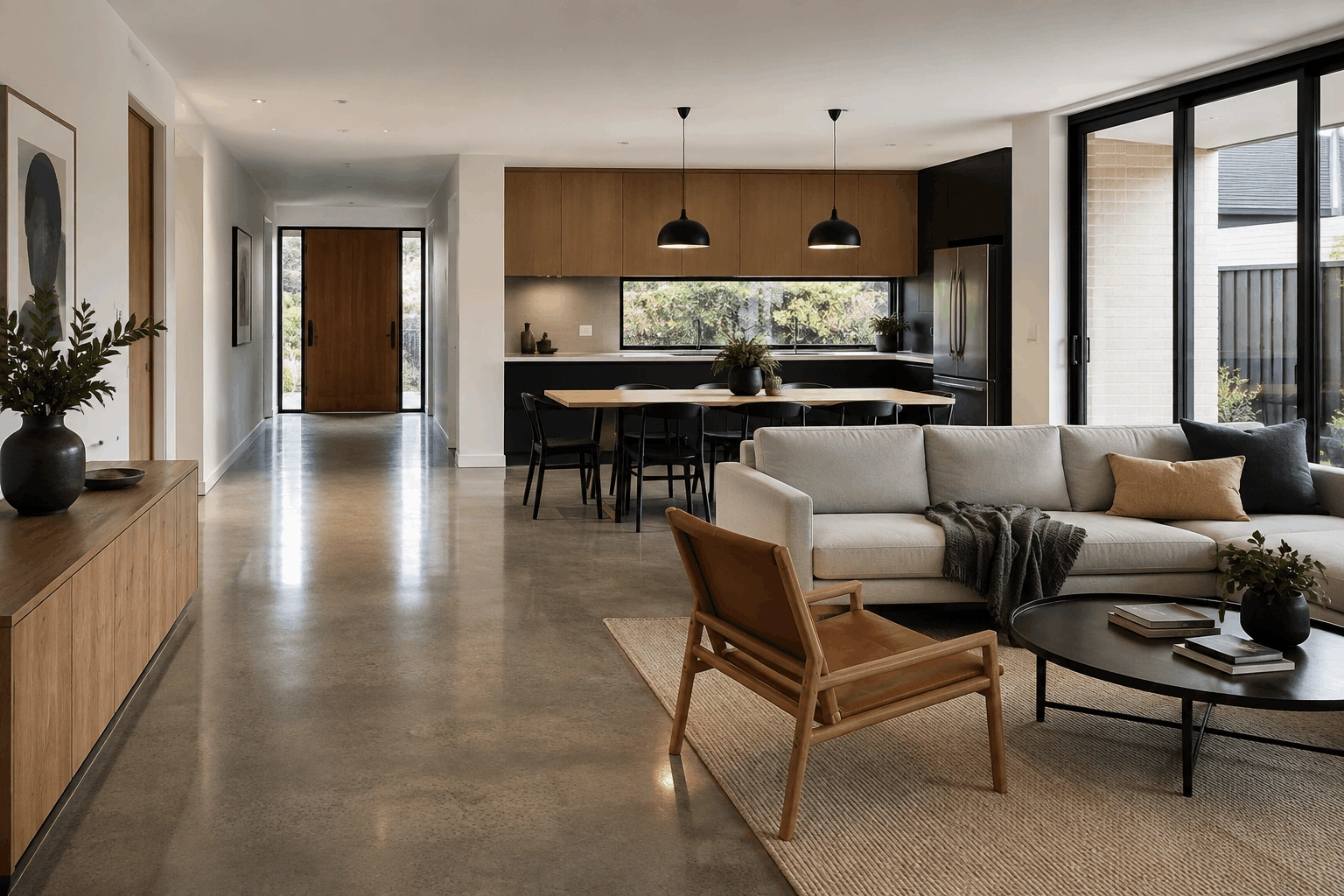
Placing furniture incorrectly can accidentally block air movement, reduce the efficiency of the MVHR and even compromise the overall performance of your passive home. Furnishing a passive design house requires a careful approach that ensures air can move freely across the floor and walls.
Understanding your ventilation system
Before arranging furniture, you need to understand how your passive house ventilation works. Your MVHR system continuously supplies fresh air whilst extracting stale air. The system typically includes supply vents in living spaces and bedrooms, and extract vents in kitchens, bathrooms and utility rooms.
The supply vents introduce filtered, temperature-conditioned fresh air into your rooms. This air then travels through the home – often passing under doors or through transfer grilles – before being extracted in ‘wet’ rooms like kitchens, bathrooms and laundry. Passive house builders in Australia design this airflow pattern to ensure every space receives adequate fresh air without draughts or dead zones.
When furniture blocks these vents, the carefully planned airflow pattern breaks down. Rooms may become stuffy, humidity levels can rise and the energy efficiency of the entire system decreases. Passive house designers in Australia spend considerable time planning ventilation layouts, so it’s important to incorporate their design intent when furnishing your home.
Locating your vents
Your first task is to identify all ventilation points in your home. Supply vents in passive house designs are often located near windows or on external walls, typically mounted on walls rather than ceilings or floors. Extract vents are usually positioned in the ceilings of wet rooms.
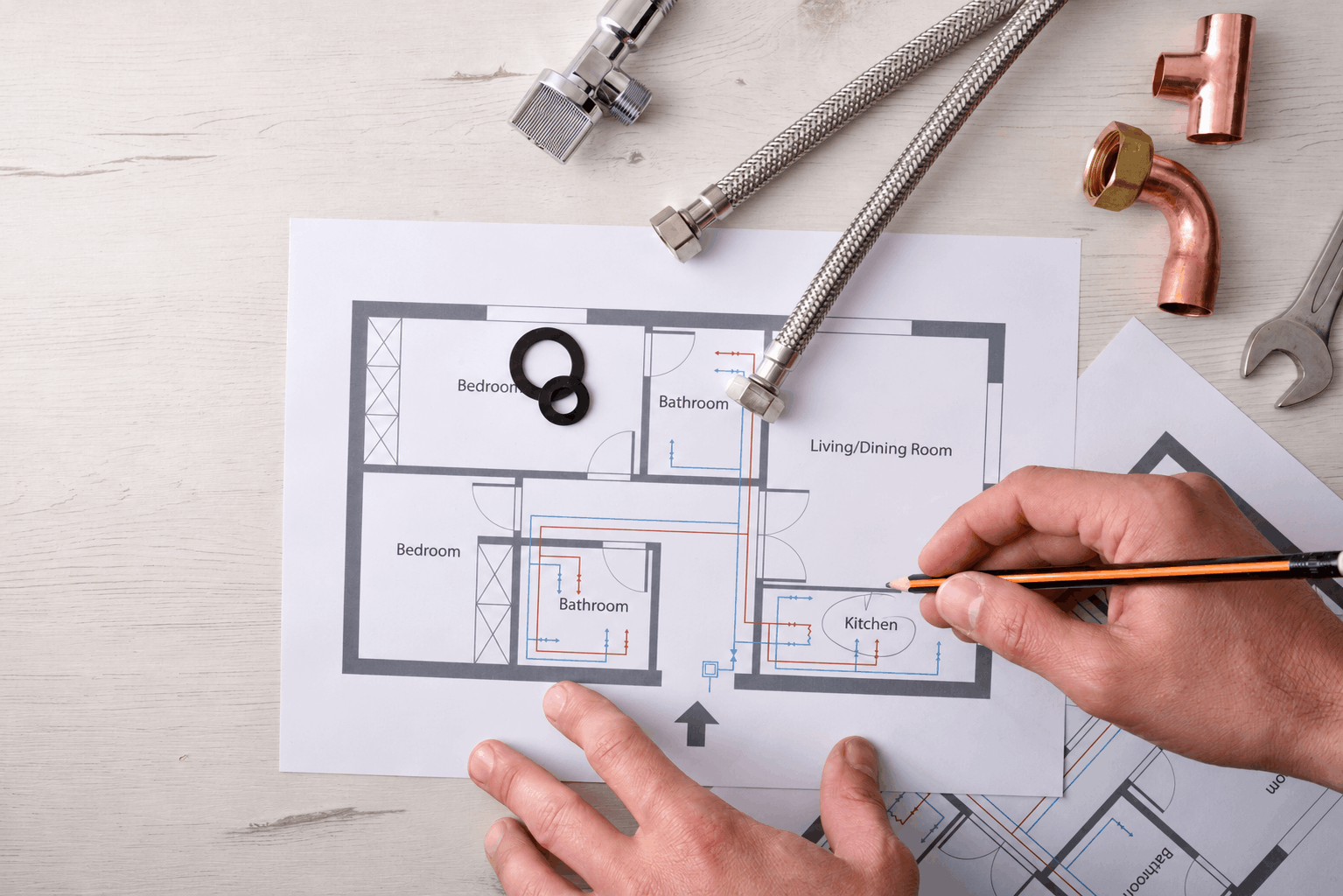
Mark these locations on your floor plan before shopping for furniture. Photograph each vent and note its dimensions and clearance requirements. Most passive building design specifications recommend maintaining at least 30 to 50 centimetres of clear space around supply vents, though your specific system may have different requirements.
You also need to look at your transfer grilles – the vents that allow air to move between rooms when doors are closed. These are often found at the bottom of doors or in walls near doorways. Your furniture arrangement should never block these crucial airflow pathways.
Using wall clearance
This is one of the most overlooked aspects of furnishing a high-performance, airtight home. In a highly insulated passive house in Australia, the surface temperature of the walls is very stable. However, if you push a large piece of furniture (like a sofa or bookshelf) flush against an exterior wall, you can create a stagnant pocket of air behind it. This pocket can sometimes be slightly cooler than the wall surface, potentially raising the relative humidity just enough to risk mould growth, particularly in Australian coastal areas.
Experienced passive home builders often recommend leaving a small gap – at least 20 millimetres, or a finger’s width – between large pieces of furniture and exterior walls. This allows the air supplied by the MVHR to circulate slowly behind the furniture, keeping the wall surface and the air pocket dry and at a stable internal temperature.
Focusing on material
Beyond airflow, furnishing a passive house in Australia offers a chance to maximise indoor air quality. Because the MVHR system is so effective at filtering external pollutants, it is important not to introduce internal ones.
Many new furniture pieces, especially those made from particleboard or containing certain glues, fabrics or paints, can emit volatile organic compounds (VOCs) for months. In a standard home, these gases might dissipate via uncontrolled draughts. But in an airtight passive house, they are contained within the living space.
Instead, opt for different furniture. When choosing new items for your passive house in Australia, look for solid wood, natural fabrics or products explicitly labelled as low-VOC or zero-VOC. This ensures that the passive house principle to provide clean air is not undermined by your interior choices.
Working with built-in storage
Built-in wardrobes and storage units are popular in passive home building projects, but they require coordination with the ventilation design. If you’re planning built-ins, discuss your goals with your passive house architect during the design phase, rather than adding them later.
When built-in furniture is necessary near vents, your passive home builder can incorporate ventilation grilles or ducting within the cabinetry. This allows the furniture to be installed without compromising airflow. However, this needs planning – retrofitting ventilation around existing built-ins is far more complex and expensive.
Maintaining system performance
Regular cleaning of vents and transfer grilles is essential. Dust accumulation reduces airflow efficiency, forcing your system to work harder. When arranging furniture, ensure you can still easily access vents for cleaning and filter changes.
Passive house systems can include sophisticated controls that monitor air quality and adjust flow rates accordingly. If you notice the system running more frequently or struggling to maintain comfortable conditions, check whether furniture repositioning might have disrupted airflow patterns.
Ask a professional
If you’re uncertain about furniture placement, consult your passive house builder in Australia or the designers who created your home. They can provide guidance based on your specific ventilation system’s design and help you understand which areas require the most clearance.
Some homeowners request ventilation system diagrams showing airflow patterns, which can be invaluable when planning furniture layouts. This documentation should be part of your handover package when completing a passive home building project.
Frequently Asked Questions
You have flexibility provided you maintain clear space around supply and extract vents and don't block transfer grilles. The key is understanding your system's layout and respecting the designed airflow patterns.
Blocking a single supply vent won't immediately damage your system, but you'll likely notice reduced comfort in that room and potentially increased humidity. The ventilation system will continue operating but won't deliver the intended performance. If you realise you've blocked a vent, simply rearrange furniture to restore proper airflow.
Yes. Rugs or mats placed over floor vents can obstruct airflow. Position them slightly away from vents or use vent covers that allow air to pass through while protecting surfaces.
No, you do not need special furniture in terms of shape or function, but you should strongly consider materials that are low in volatile organic compounds (VOCs). Because the home is airtight, harmful emissions from glues, finishes and synthetic fabrics will be contained within the living space. For the healthiest indoor air quality, opt for solid wood furniture, natural fabrics and products explicitly labelled as low- or zero-VOC.