Understanding the maintenance needs of a passive house
Passive houses deliver exceptional energy efficiency and comfort, but before buying or building one, prospective homeowners may wonder about any ongoing maintenance requirements.
The good news is that passive house designs often require less maintenance than conventional homes in several key areas. However, they do demand attention to specific systems that ensure their superior performance. Understanding these maintenance needs helps protect your investment and maintain the benefits that attracted you to passive house design in Australia in the first place.
Why maintenance matters in a passive home
When designing a passive house, every detail supports energy savings, indoor comfort and durability. Airtightness, insulation, glazing, shading and ventilation all work together. This is different from regular homes, where performance varies widely. In a passive design house, planned maintenance keeps the building working as intended and ensures the systems meet the strict standards the home was built to.
Because the building envelope is so well sealed, maintenance is not about fixing drafts or dealing with weather damage. Instead, it focuses on caring for the mechanical ventilation system, protecting the insulation layers, and preserving the windows and doors that make up the high-performance envelope.
Maintaining the ventilation system
The mechanical ventilation with heat recovery (MVHR) system is a central part of passive building design. It supplies filtered fresh air and removes stale air from the home. To keep this system operating correctly, residents should:
- Replace filters regularly
- Keep vents clean and unobstructed
- Arrange a yearly service with a technician
These simple steps ensure that airflow remains balanced and indoor air quality stays consistent. They also support energy efficiency because a clean system does not need to work as hard to move air.
Most passive house builders in Australia provide maintenance instructions and guidance on filter types. Many also offer ongoing servicing to protect the performance of the system.
Looking after windows and doors
The windows and doors in passive house designs are high quality and include double or triple glazing, airtight seals and insulated frames. These elements support the thermal performance of the home, and looking after them is important.
Maintenance usually includes:
- Checking seals for wear
- Cleaning drainage channels
- Keeping tracks free from debris
- Ensuring hinges and handles operate smoothly
These tasks help the building envelope stay airtight, which reduces heat loss and prevents uncontrolled airflow. They also extend the life of the components, which means fewer replacements over time.
Protecting the building envelope
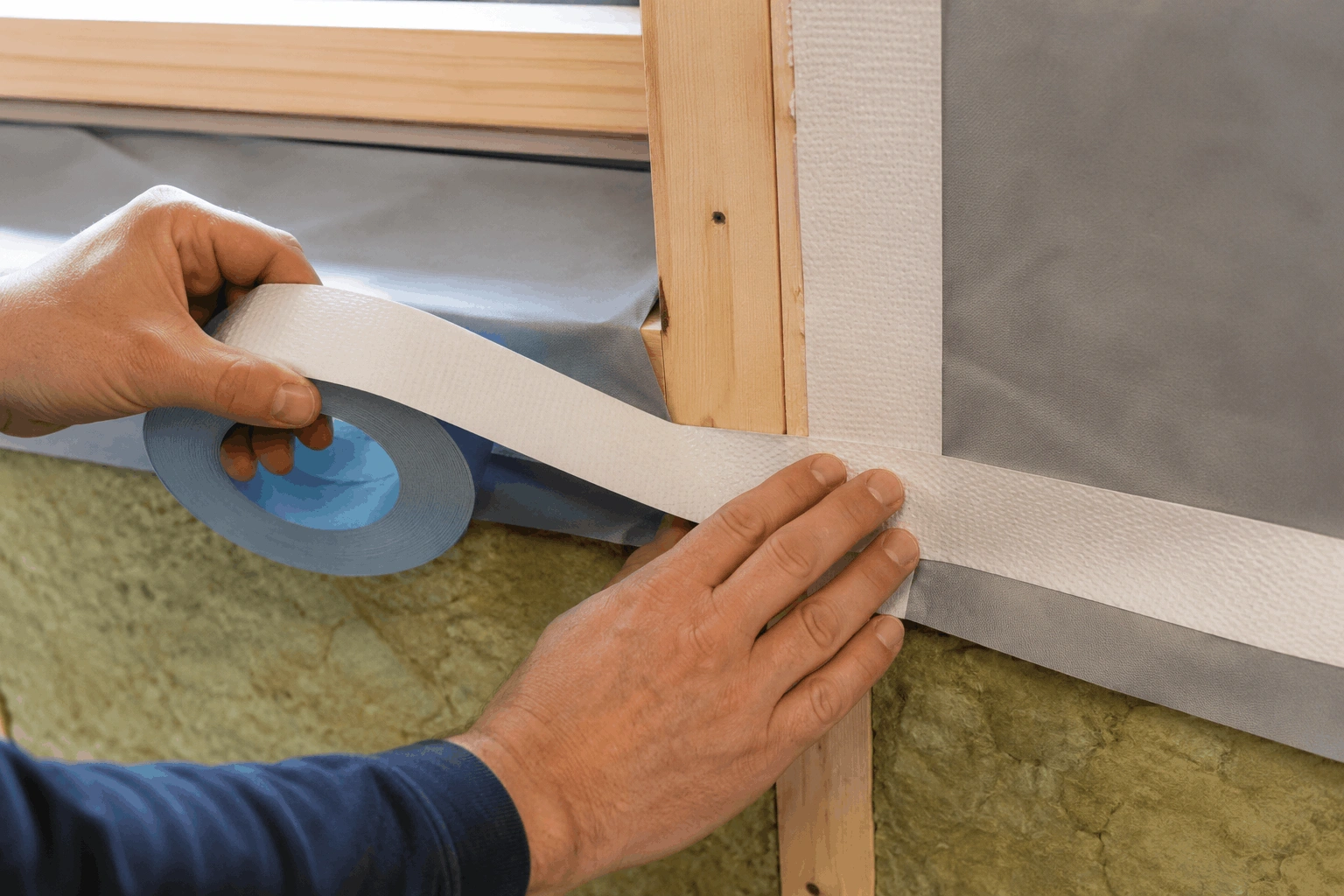
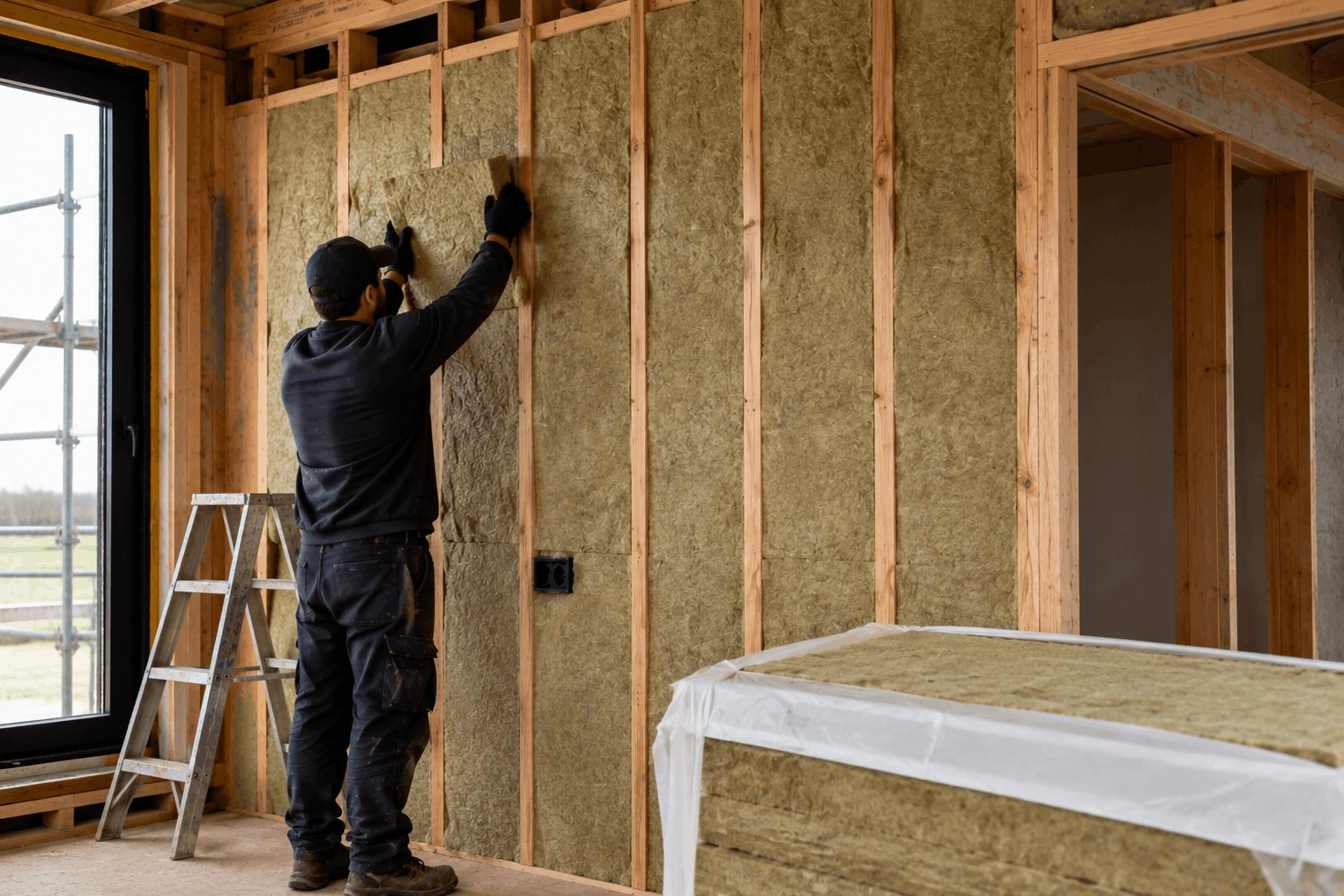
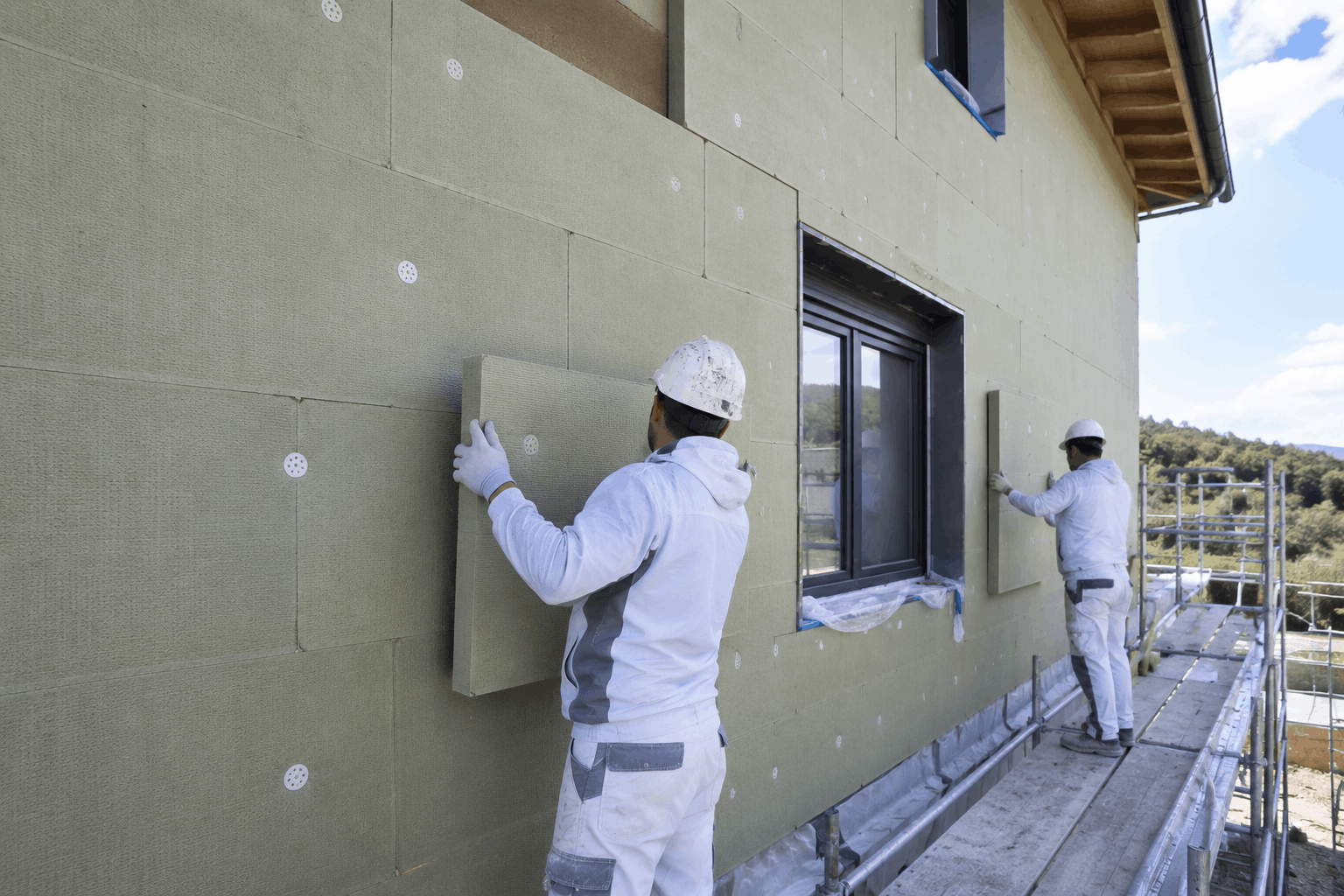
The building envelope is one of the most important elements of a passive home. It includes insulation, membranes, airtight layers and cladding. These parts work together and must stay intact.
You should watch for:
- Penetrations from new installations
- Moisture issues
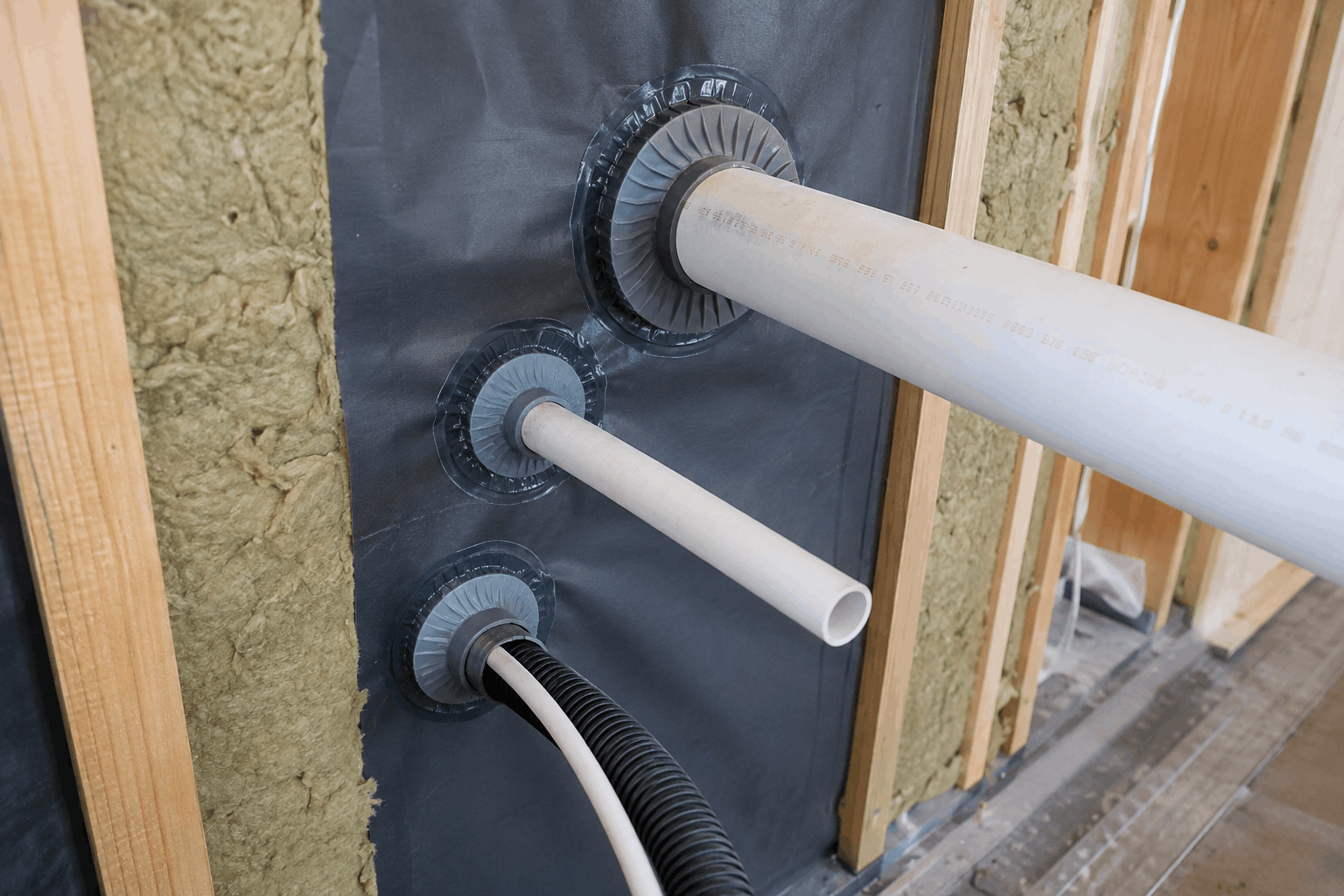
- Unplanned openings around services
If changes are needed, it is recommended that you involve a passive home builder or an expert familiar with passive house designs in Australia. This prevents accidental damage to the airtight layer or insulation. Even small gaps can affect comfort and efficiency.
Monitoring system performance
Many passive house projects include monitoring systems that track energy consumption, indoor temperature, humidity and air quality. These systems provide early warning of performance issues. Sudden increases in heating or cooling energy use might indicate seal failures, whilst humidity problems often signal ventilation issues.
Homeowners should familiarise themselves with their home’s normal operating parameters. Passive house designers in Australia typically provide documentation showing expected energy consumption and comfort levels. Significant changes or deviations from these benchmarks should raise alarm bells and require investigation.
Some homeowners arrange annual performance checks with their passive house builders during the first few years of occupancy. These checks verify that the home continues to perform as designed and catch any emerging issues early.
Seasonal maintenance tasks
Australian climates vary significantly, and passive house maintenance needs reflect local conditions. In bushfire-prone areas, keeping vegetation clear of the building and ensuring ember protection measures remain intact is essential. Bushfire season also means more frequent filter changes as smoke and ash load your MVHR filters quickly.
In tropical and subtropical regions, checking for any moisture infiltration around penetrations becomes important during the wet season. The high-quality construction of passive house designs provides excellent weather resistance, but annual checks ensure everything remains sealed properly.
In temperate zones, pre-winter checks of door and window seals ensure the home is ready for heating season. Pre-summer inspections verify that shading devices and any mechanical cooling systems are ready for warmer months.
Maintenance during passive home upgrades
Sometimes residents want to upgrade features or improve energy performance further. This is common as technologies change and as families grow. But any upgrade in a passive home building needs careful planning so that your additions or changes fit within the passive house standards.
When installing a new appliance, adding services or renovating, it is important to work with a passive house designer in Australia and experienced contractors. They understand how the components interact and protect the airtight envelope during the work.
This approach supports long-term durability and maintains the standards expected in a home built to passive house requirements.
Frequently Asked Questions
No. Most passive house builders design these homes to be durable and low-maintenance. The main extra task is looking after the MVHR system, which is simple and predictable.
Yes, but it should be done carefully. Any work that affects the building envelope or ventilation system should involve a passive house builder and designer trained in passive building principles.
Many maintenance tasks are straightforward – filter changes, cleaning vents and basic inspections can all be handled by homeowners. Your passive home builder should provide training on these routine tasks. However, professional servicing of the ventilation unit, ductwork cleaning and any repairs affecting the building envelope are best handled by professionals familiar with passive house designs to ensure performance isn't compromised.
No. A passive house in Australia does not require special cleaning products. However, using low-VOC products can support healthier indoor air. Low-VOC products contain fewer volatile organic compounds, which are chemicals that evaporate into the air during use. Choosing these products helps reduce indoor pollutants and supports the home’s high air quality.
Mould is less likely in passive homes in Australia because controlled ventilation manages indoor moisture. Still, filters and vents must be kept clean to support this.