What to consider when renovating a passive house
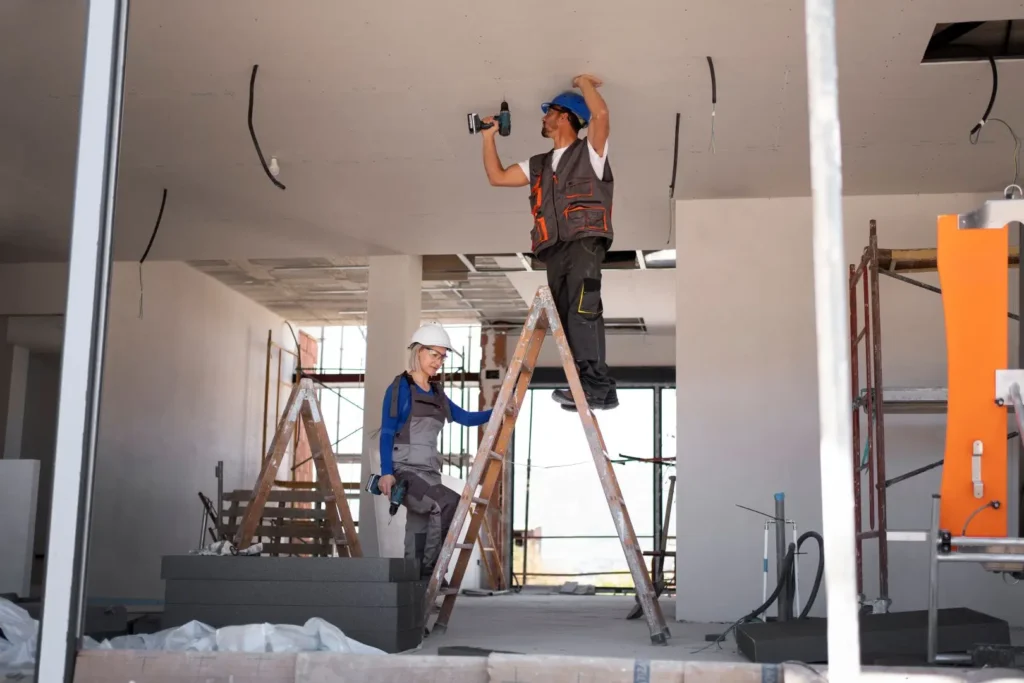
Renovating a home built to the passive house standard requires careful planning. Unlike a standard renovation, where minor changes rarely impact the fundamental performance of the building, any intervention on a passive house in Australia risks compromising the carefully engineered systems that deliver its energy efficiency and comfort.
The goal of any renovation should be to protect, and ideally build on, the five core principles of passive house design: insulation, airtightness, thermal bridge-free construction, high-performance windows and mechanical ventilation.
Maintaining the building envelope
The building envelope – the barrier between conditioned and unconditioned space – is the heart of any passive design house. During renovations, this envelope must remain intact and continuous. If you’re adding an extension, the new construction must meet the same standards as the original building.
Airtightness is equally important. Passive house builders know that achieving the required 0.6 air changes per hour at 50 Pascals pressure is challenging in new construction and even more demanding in renovations.
Even for minor renovations, it’s recommended to perform a mid-construction blower door test. This test, conducted by a certified technician, confirms the passive home builder hasn’t inadvertently created leaks. This proactive approach prevents costly fixes later.
Windows and doors
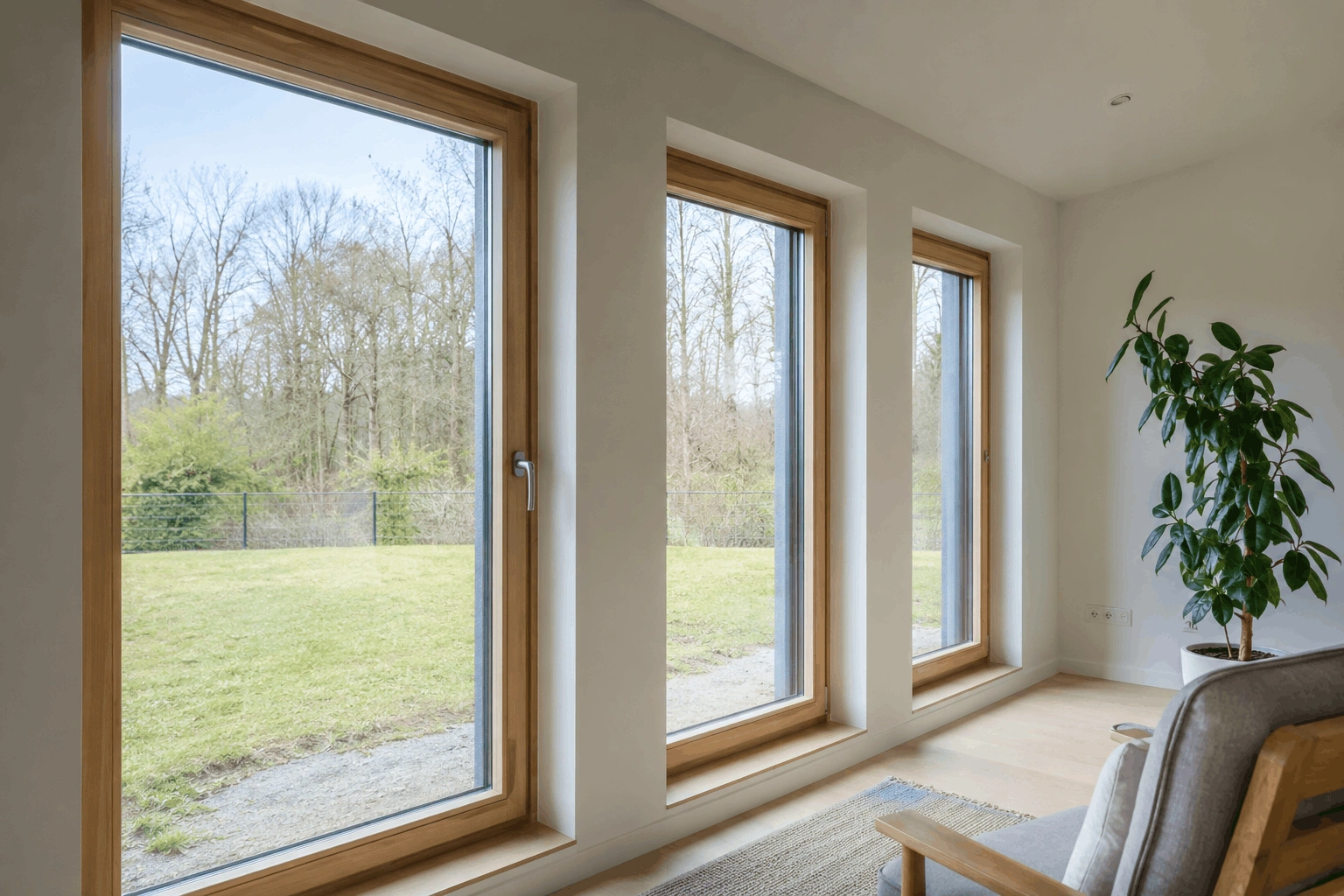
Windows are often a weak point in building envelopes, but passive home building requires triple-glazed windows with insulated frames as standard. If your renovation involves replacing or adding windows, you’ll need to source products that meet passive house specifications.
Installation is just as important as the product itself. Windows must be positioned correctly within the wall assembly, typically closer to the insulation layer, and the connection must be airtight. Passive house builders use specialised tapes and membranes to achieve this seal.
Penetrations
Every time you penetrate the building envelope – for electrical conduits, plumbing pipes or structural elements – you create potential weak points. Passive building design requires meticulous attention to these details. Use airtight electrical boxes, seal all penetrations and consider routing services within the conditioned space rather than through the envelope wherever possible.
Superior insulation
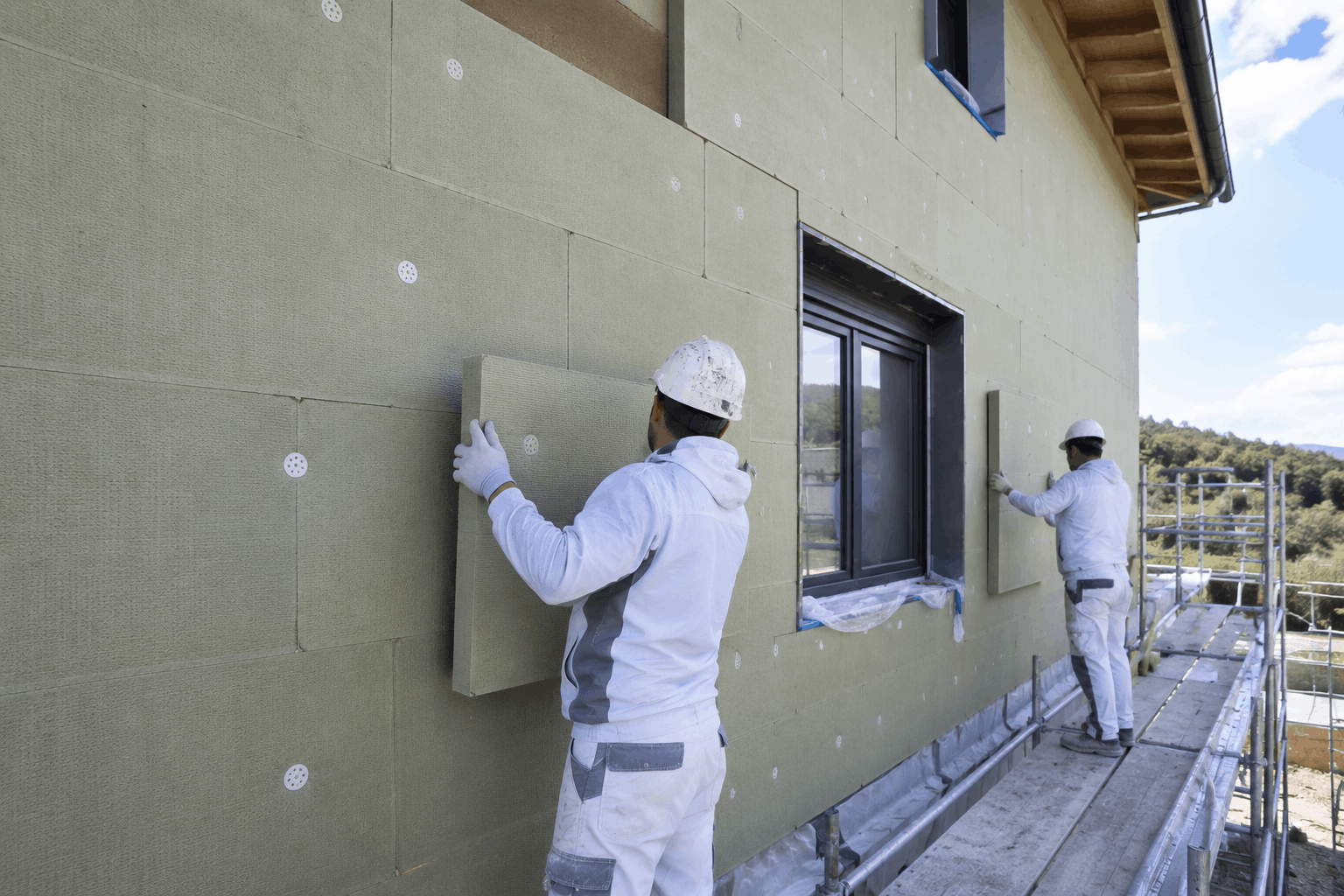
Insulation levels in passive house designs in Australia typically far exceed standard building code requirements. When renovating, you’ll need to match or improve the existing insulation values. This might mean using thicker walls, high-performance insulation materials or both. The transition between old and new construction requires particular attention to avoid thermal bridges – areas where heat can escape more easily. Any change to the exterior cladding or internal lining could affect its integrity.
If exterior finishes are being updated, it is an opportunity to add further insulation, particularly if the original passive house design was built to the minimum standard.
When installing new services or internal fittings, ensure the existing insulation is not crushed or compressed. Compressed insulation loses its effectiveness and creates a cold spot, or thermal bridge, which wastes energy.
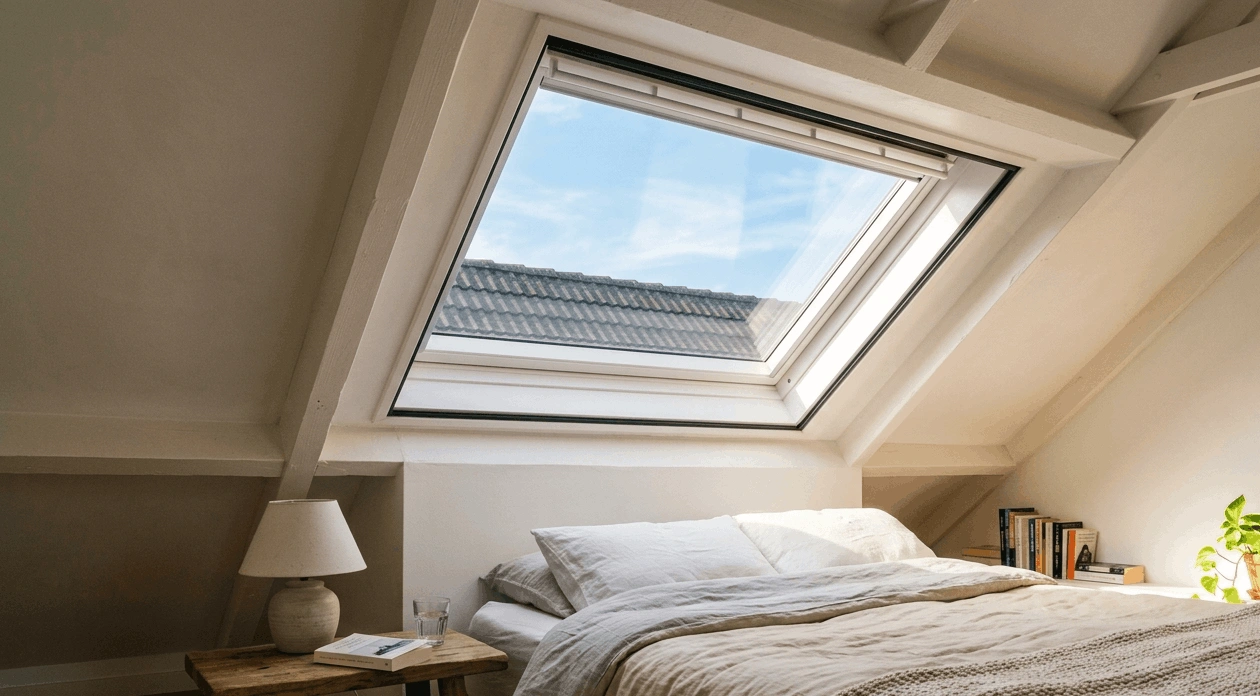
During roof replacements or skylight installations, the builder must ensure the continuity of the insulation layer (usually above or below the rafters) is not interrupted.
Ventilation systems
The mechanical ventilation system with heat recovery (MVHR) is what allows passive houses to maintain air quality while minimising energy loss. If your renovation affects the building’s floor plan or adds new rooms, you’ll need to reconfigure the ventilation system accordingly. Your passive house builder and designer can recalculate the system’s capacity using the Passive House Planning Package (PHPP) software to ensure it still delivers the required air changes per hour.
If internal walls or ceilings are moved, the MVHR ducting paths may be affected. The ducts must remain free of kinks, debris or blockages, and their airtight seals must be maintained.
Planning for energy performance
Renovations provide an opportunity to improve energy efficiency further. Some options include:
- Upgrading to energy-efficient lighting and appliances
- Installing renewable energy systems, such as solar panels, to complement the low energy demand of a passive house design in Australia
- Improving shading, glazing or insulation to enhance thermal comfort
Working with professionals
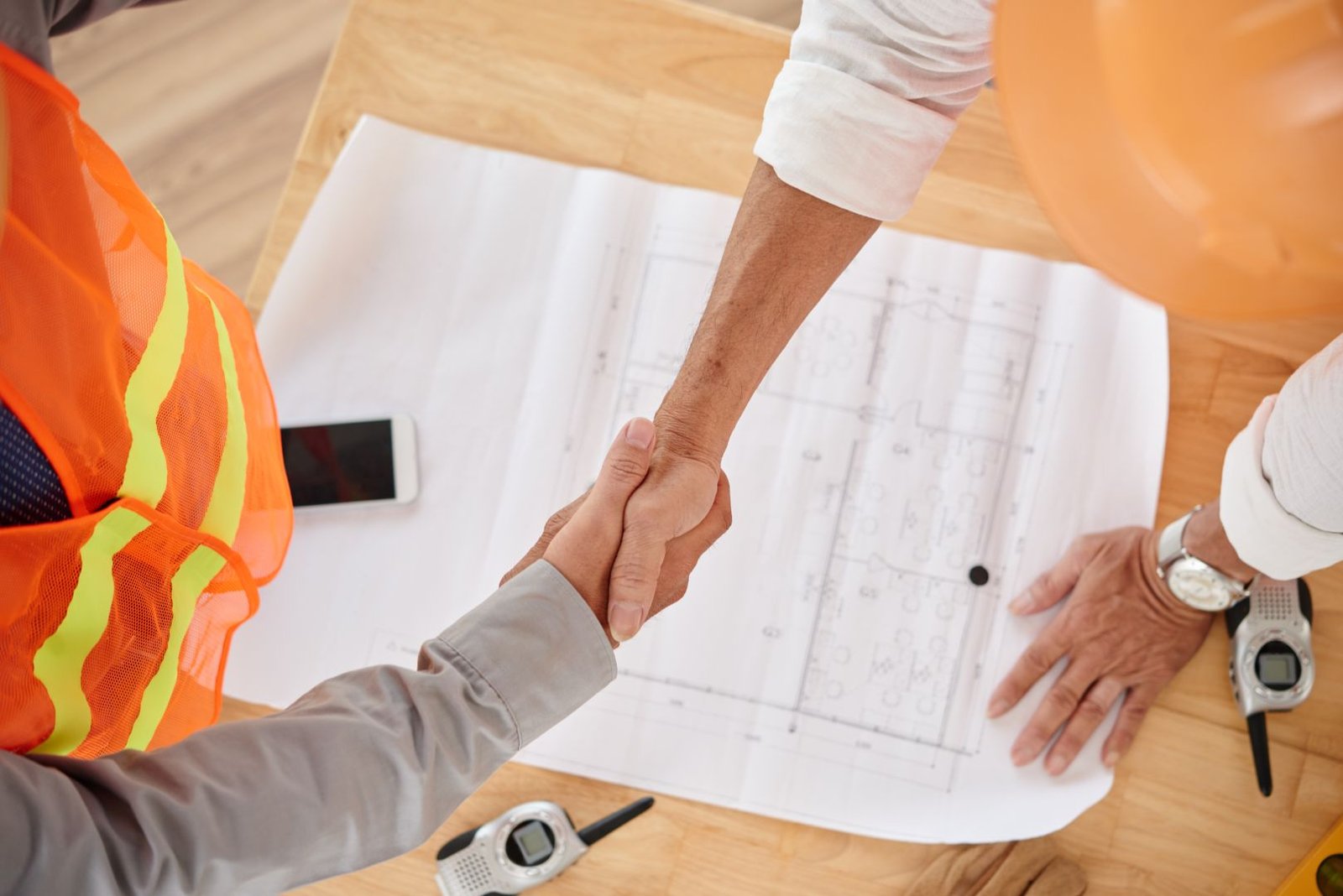
Renovating a passive house is not a DIY project. Experienced passive home builders in Australia understand the standards and certification requirements. Start by consulting your original passive house designers in Australia or find new ones with certified experience. They will use the original PHPP model to simulate the impact of the renovation before any physical work begins, ensuring the home retains its certification standards.
You also need passive house builders and tradespeople who understand airtightness and the critical nature of thermal bridge-free construction. Standard house builders are usually not equipped to manage the exacting standards required for a high-performance envelope.
Keep comprehensive documentation of all changes, noting where the airtight layer was breached and how it was re-sealed. This information is invaluable for future maintenance and any subsequent renovations.
Frequently Asked Questions
A renovation does not automatically void the certification, but poorly executed work that compromises the building's envelope can cause it to fail the performance standard.
Yes, but structural changes must respect the building’s insulation, airtightness and ventilation systems. Consulting passive house designers and builders in Australia is essential to avoid compromising performance.
Materials that maintain insulation, airtightness and thermal performance are critical. Using standard building products may reduce the efficiency of a passive design house, so professional guidance is recommended.
Yes, though it's more challenging than new construction. The feasibility depends on your existing building's condition, orientation and structural system. A thorough assessment by passive house designers in Australia will help determine what's possible and cost-effective for your specific situation. The passive house standard for a retrofit is called EnerPHit.