The impact of passive houses on the environment
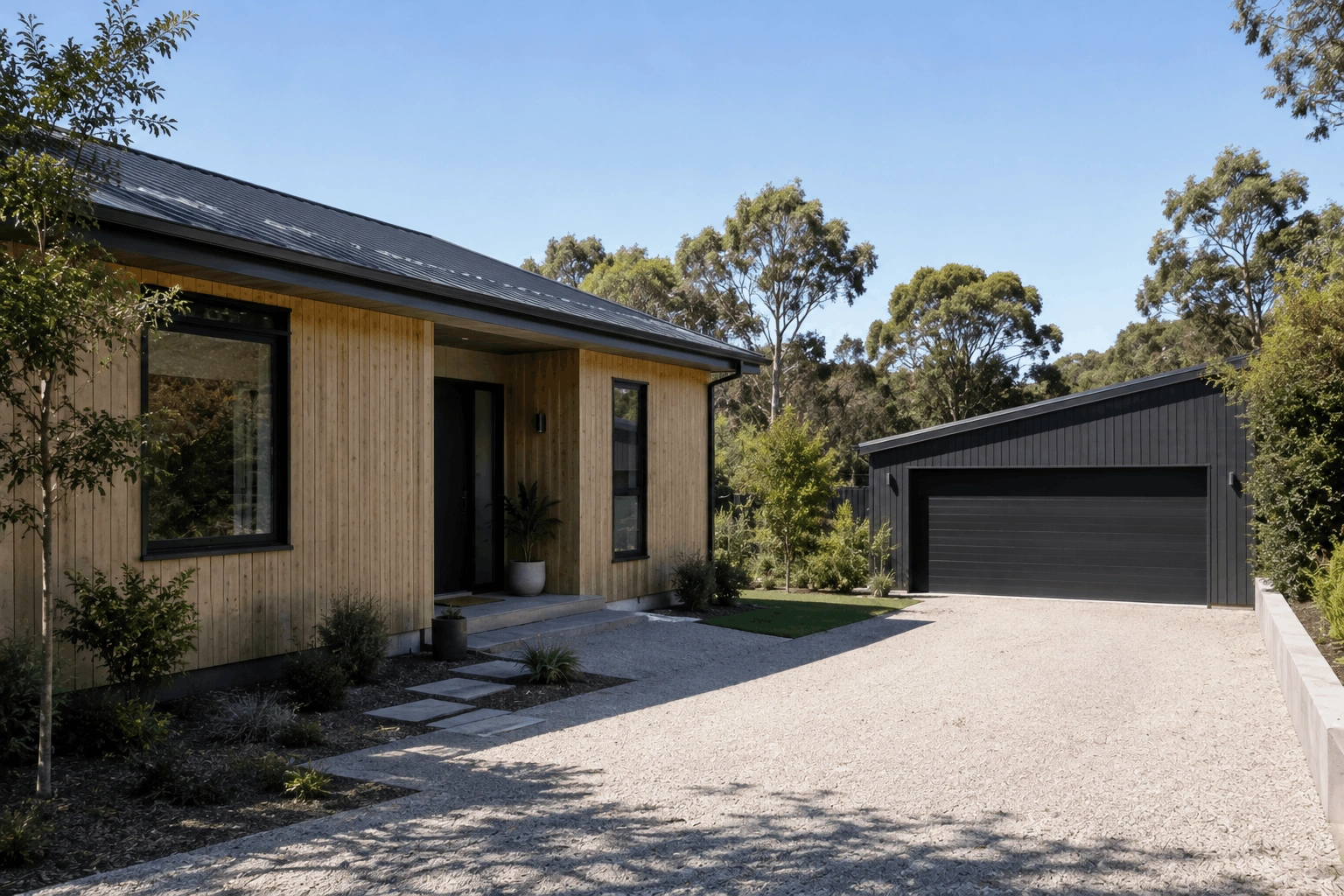
The passive house standard is celebrated for creating comfortable and energy-efficient homes. While the benefits to occupants – like stable indoor temperatures, superior air quality and dramatically reduced energy bills – are widely recognised, the environmental impact of passive house projects extends beyond individual comfort.
These homes are designed to work with natural conditions, not against them, and the result is a lighter footprint that benefits both residents and the planet.
Lower energy use
The most substantial environmental benefit of passive house designs comes from drastically reduced energy consumption. These buildings use up to 90% less heating and cooling energy compared to traditional Australian homes. This reduction translates directly into lower greenhouse gas emissions, particularly in regions where electricity generation relies heavily on fossil fuels.
Adaptability
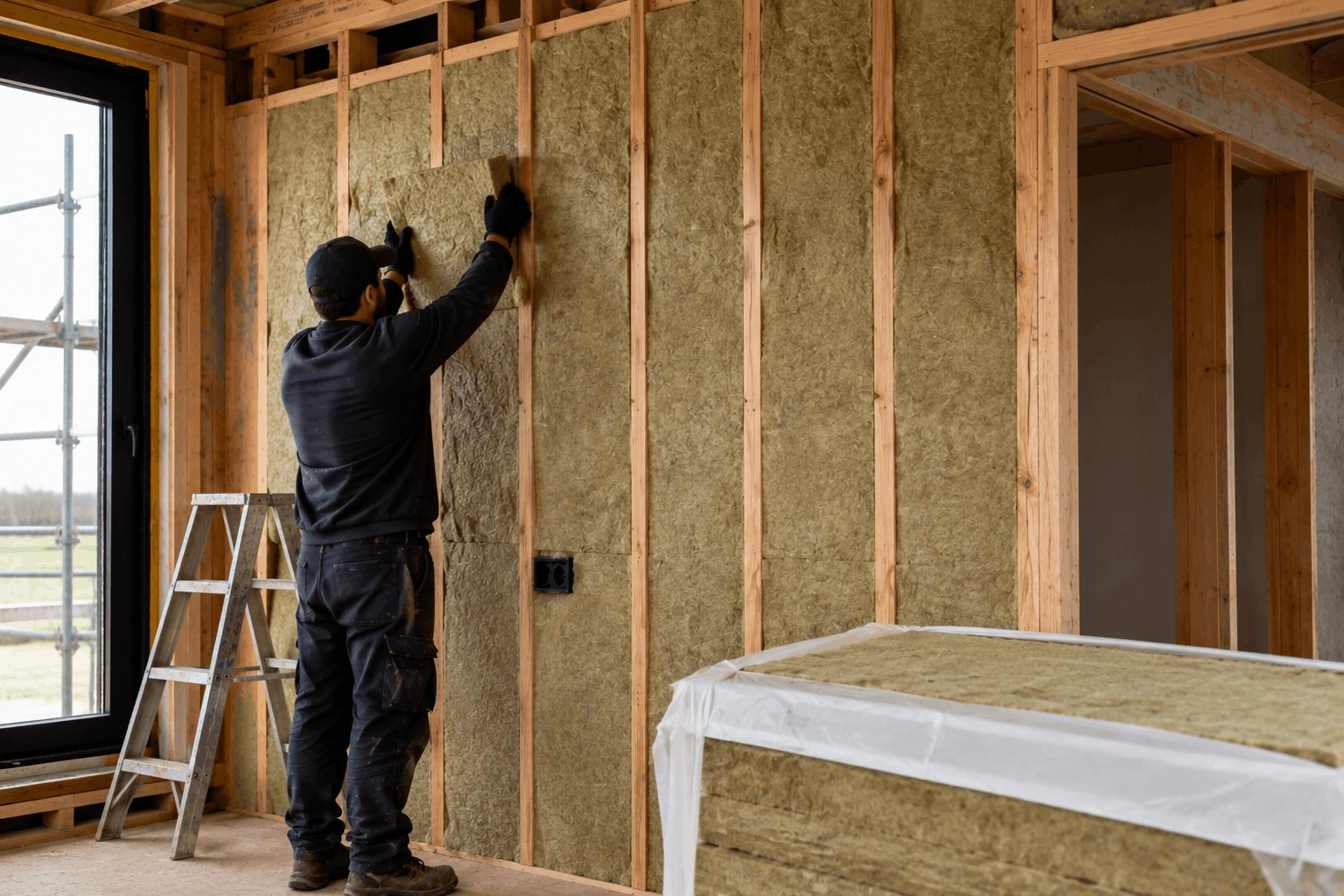
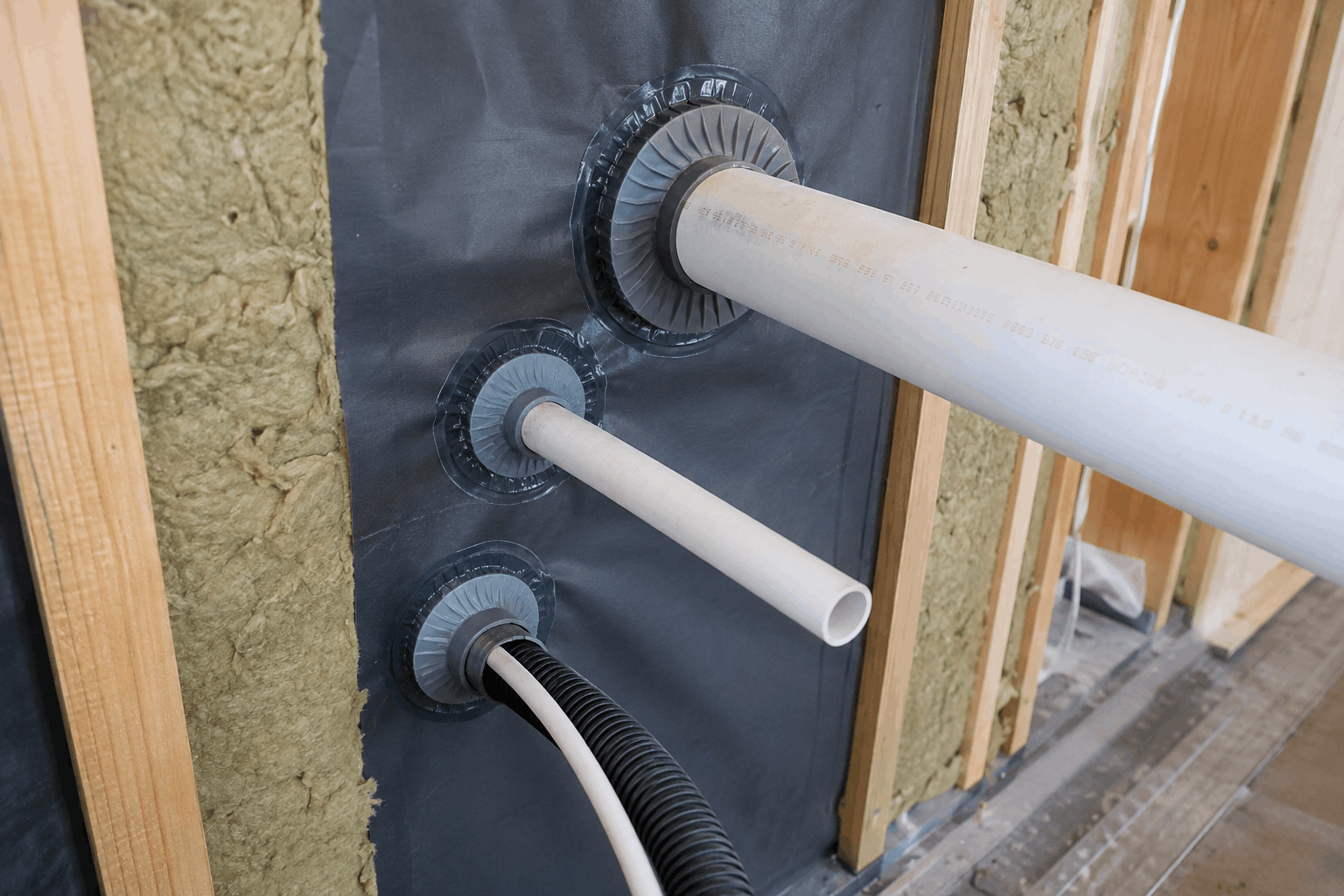
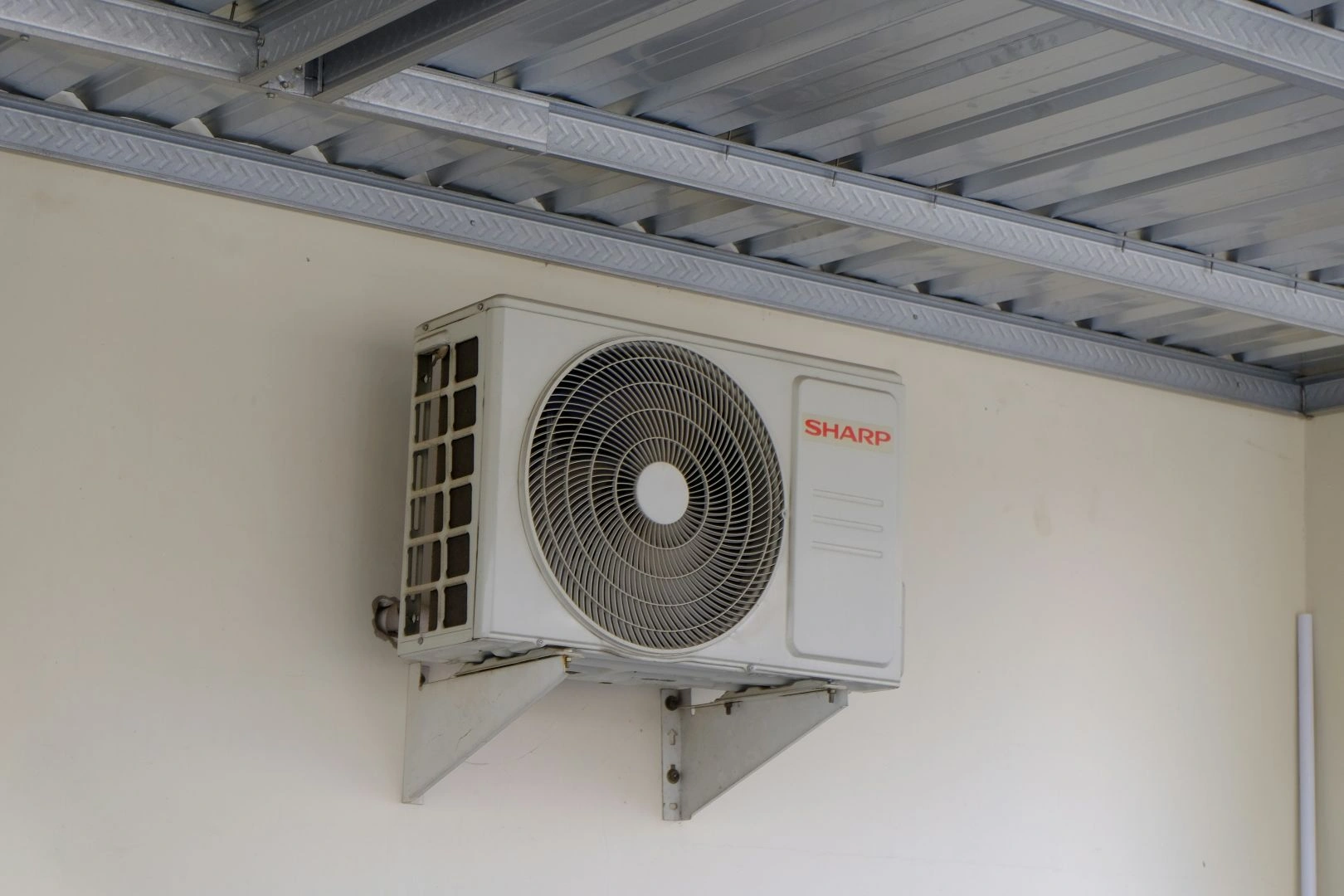
Beyond simply reducing energy use, passive houses in Australia are more resilient and easily adaptable. The insulated and airtight envelope means a passive design house can maintain stable, comfortable indoor temperatures for extended periods, even if the outdoor temperature is fluctuating or extreme. Without having to employ air conditioning to either heat or cool the indoor air for long periods, passive houses can better adapt to climate and environmental changes.
Renewable energy integration
The low energy requirements of passive house designs in Australia make these buildings ideal candidates for net-zero or net-positive energy performance. Even a modest solar photovoltaic system can meet the entire annual energy needs of a certified passive house. This pairing creates buildings that generate as much or more renewable energy than they consume.
Conventional homes require much larger solar installations to achieve similar outcomes, making net-zero performance economically challenging for many households. The passive design house approach prioritises reducing demand first, then meeting remaining needs with renewables. This sequence represents the most cost-effective and environmentally sound path to zero-carbon housing.
Efficient use of resources
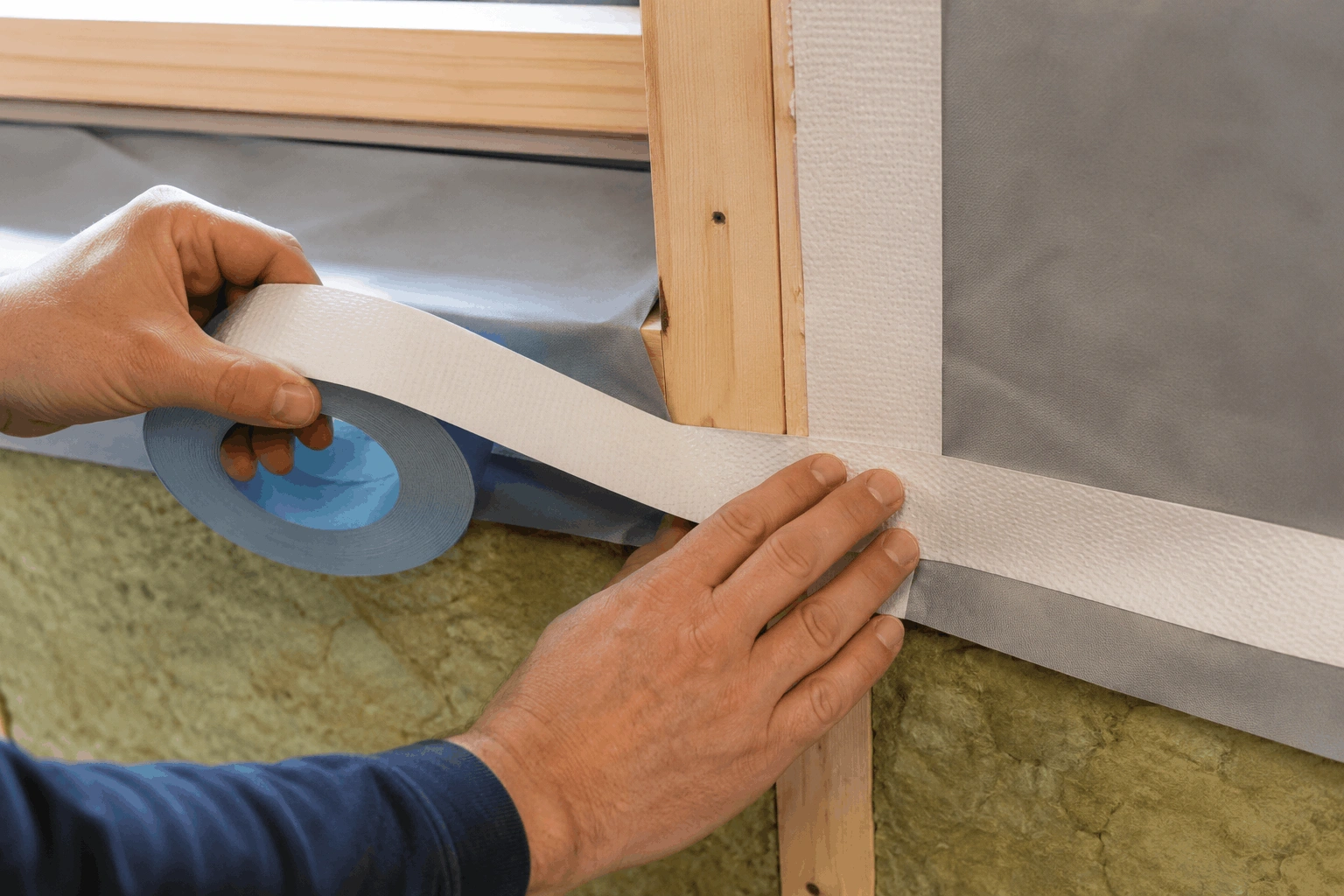
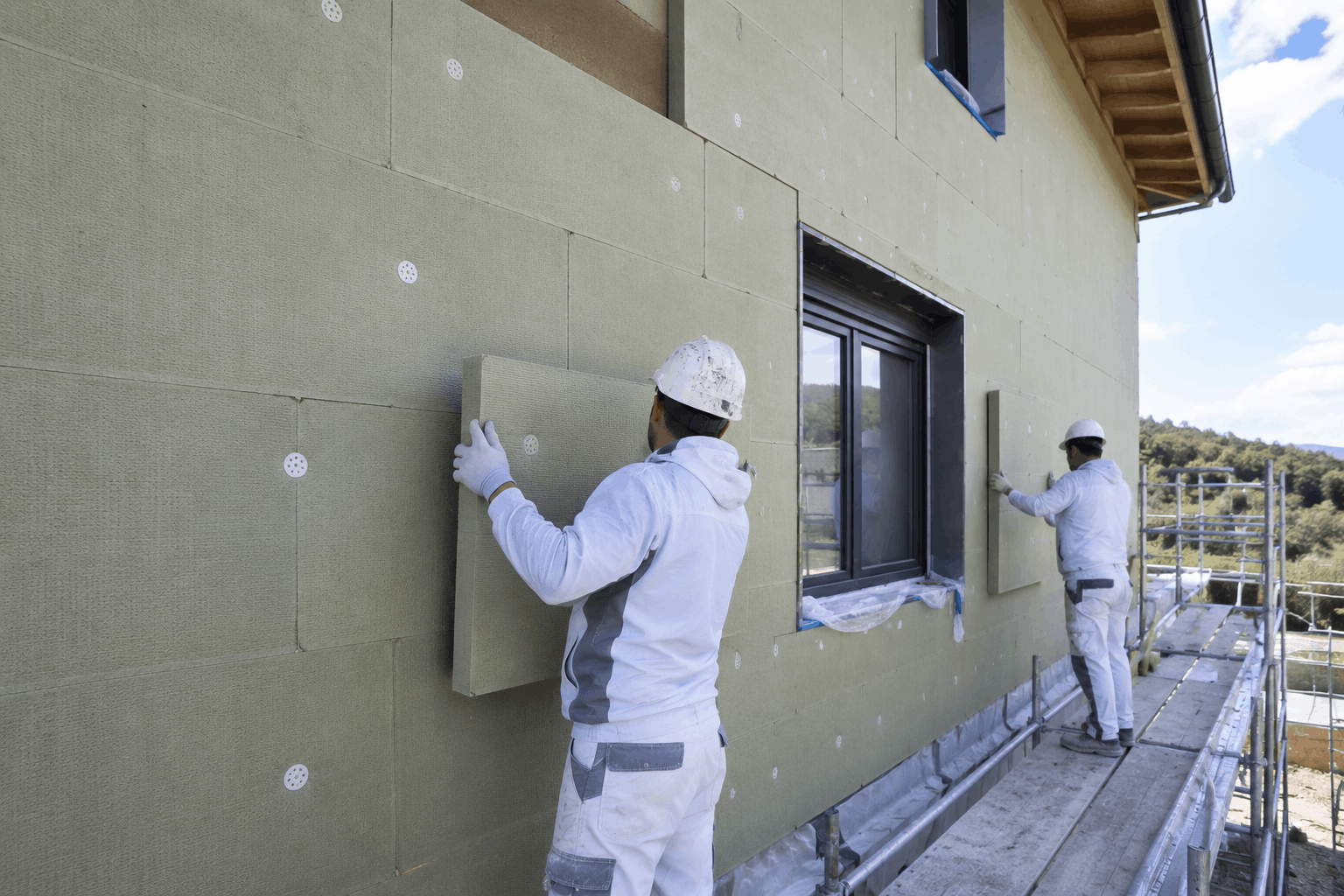
The particular construction required for passive building design creates very durable buildings. For instance, the airtight envelope prevents moisture infiltration that causes timber decay, corrosion and material degradation. High-quality windows, doors and materials specified by passive house designers in Australia typically outlast conventional building components.
A durable home has environmental benefits. Years of poor construction practices have led to buildings that require repairs, renovations and replacements sooner than they should. This creates construction waste and increases emissions from manufacturing new materials.Additionally, while not a direct part of the certification, many passive house builders in Australia often choose to incorporate low-embodied carbon materials (like timber, recycled content materials) into their passive home building projects. This approach addresses the carbon footprint associated with the manufacturing, transport and construction of materials, further adding to the environmental credentials of the home.
Healthier indoor environments
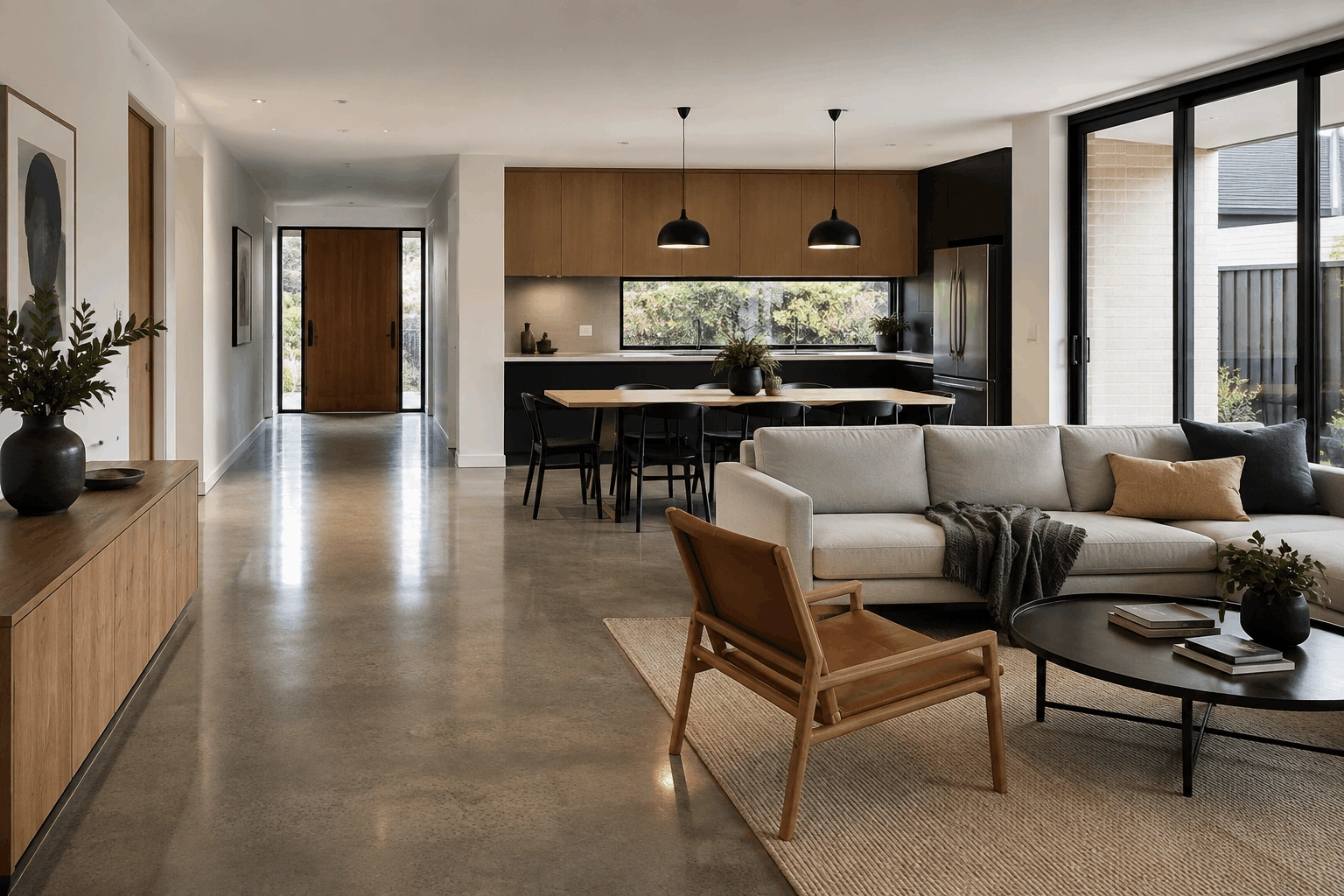
Environmental sustainability is also linked to human health. Passive houses deliver better indoor air quality through continuous mechanical ventilation with heat recovery (MVHR) and filtration. This system removes indoor pollutants, allergens and excess moisture while supplying fresh, filtered air to living spaces.
Conventional Australian homes often trap indoor air pollution from cooking, cleaning products, off-gassing materials and occupant activities. Poor ventilation allows these pollutants to accumulate, creating health risks particularly for children, elderly people and those with respiratory conditions. The health burden from poor indoor air quality can create a significant environmental and social cost.
This is also particularly relevant in Australia, where climate change has had an impact on bushfires and dust storms. The MVHR system’s ability to filter incoming air is an important environmental and health benefit in a changing climate.
Future environmental impact
Passive houses also contribute to long-term environmental resilience. As Australia moves towards stricter energy standards and lower-emission construction practices, homes built to the passive house standard are already prepared for the future. A well-executed passive house design maintains performance over decades, which means fewer upgrades are needed to meet changing regulations or rising energy prices. This forward-looking approach supports national emissions targets and reduces pressure on the energy grid during peak demand. As more households choose passive home building, the combined effect can lead to meaningful reductions in Australia’s residential carbon footprint and improved environmental outcomes across communities.
Frequently Asked Questions
A certified passive house can reduce its energy demand for heating and cooling by up to 90% compared to a conventional new build and save over 75% on total primary energy demand. This means significantly lower energy bills and a much smaller environmental footprint from reduced energy consumption.
While the passive house standard itself primarily focuses on energy performance and does not mandate specific materials, the philosophy of passive building design strongly encourages sustainable choices. Many passive house designers in Australia choose to incorporate low-embodied carbon, non-toxic and locally sourced materials to further boost the environmental credentials of the home.
In many mild Australian climates, a well-designed passive house may not need traditional air conditioning or heating because the highly insulated and airtight building fabric keeps the interior temperature stable year-round. However, in hot or humid climates, a small, highly efficient cooling system is often integrated. The key difference is that the system is used minimally and is primarily sized to handle dehumidification, not raw cooling power, due to the house's exceptional efficiency.