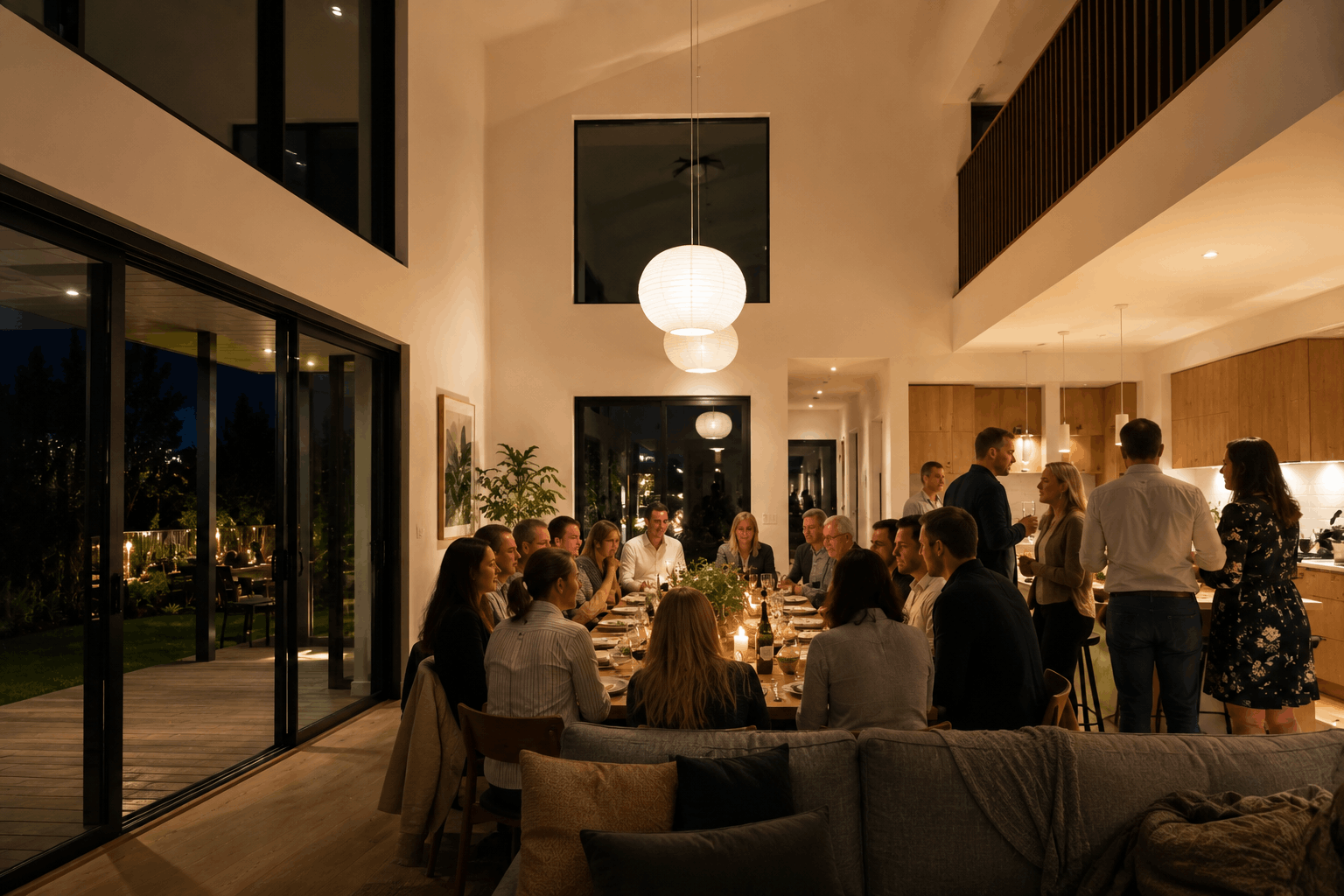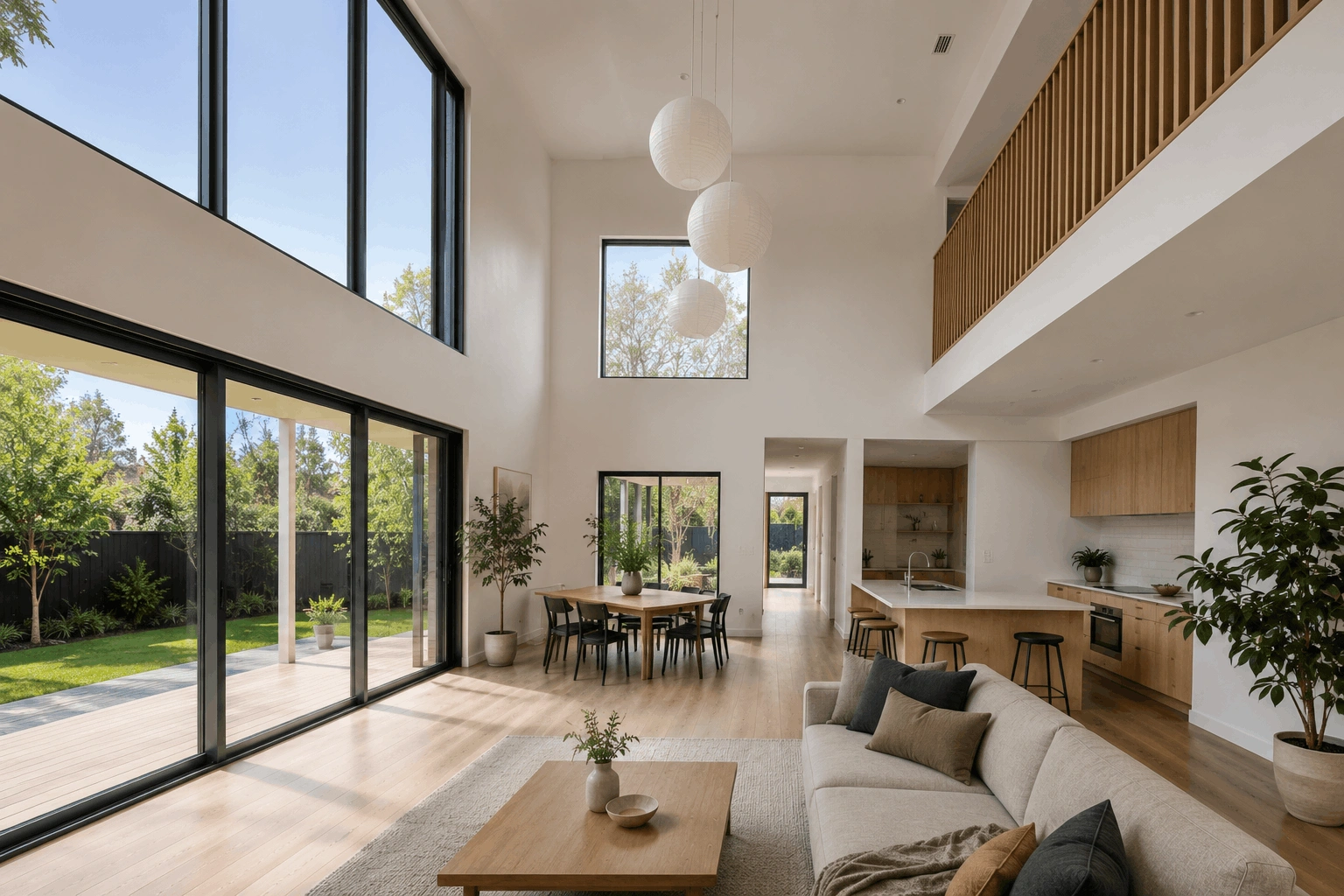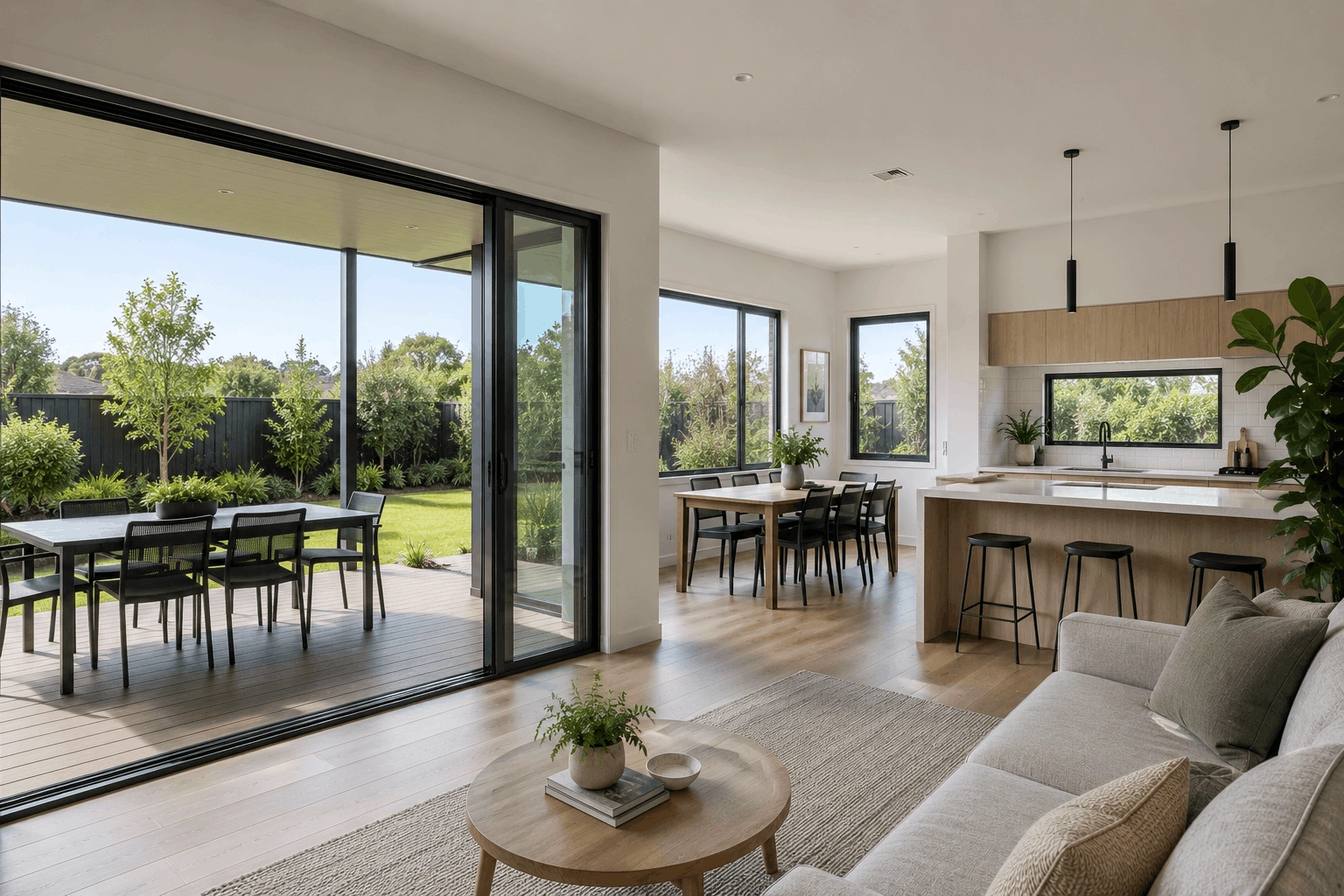
The benefits of passive houses for people with allergies
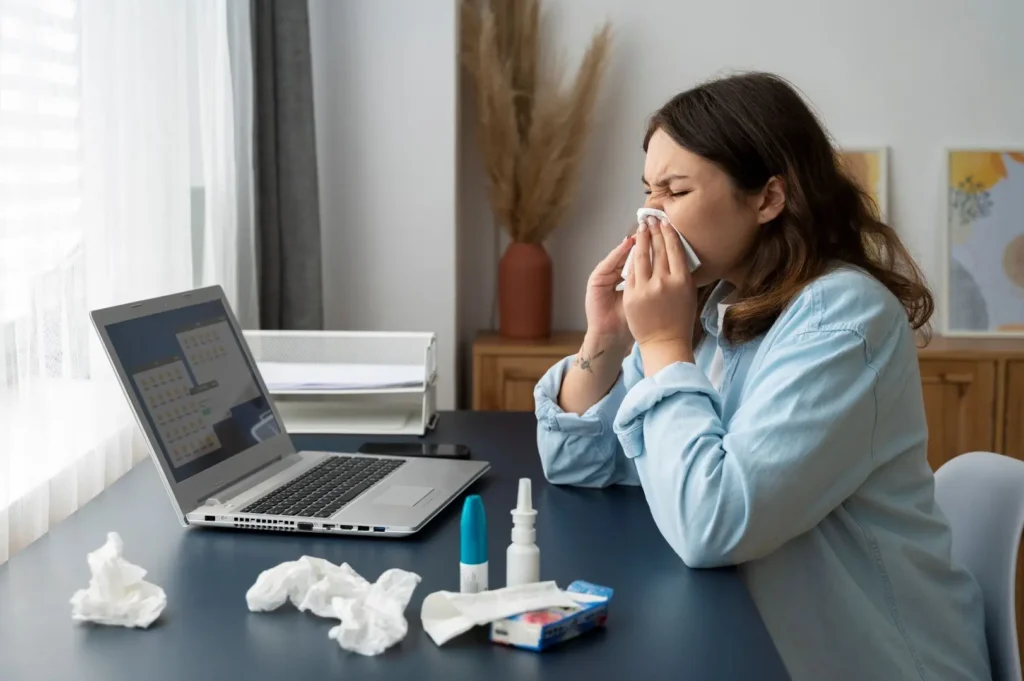
Living with allergies is more common than many people think. According to the Australasian Society of Clinical Immunology and Allergy, around one in five Australians live with at least one allergic condition such as hay fever, asthma or eczema.
Poor indoor air quality can make these symptoms worse. And since Australians spend about 90% of their time indoors, according to the Department of Climate Change, Energy, the Environment and Water, the air inside our homes plays a major role in overall health. That’s why passive houses in Australia are gaining attention not just for energy efficiency, but also for their health benefits.
What is passive house design?
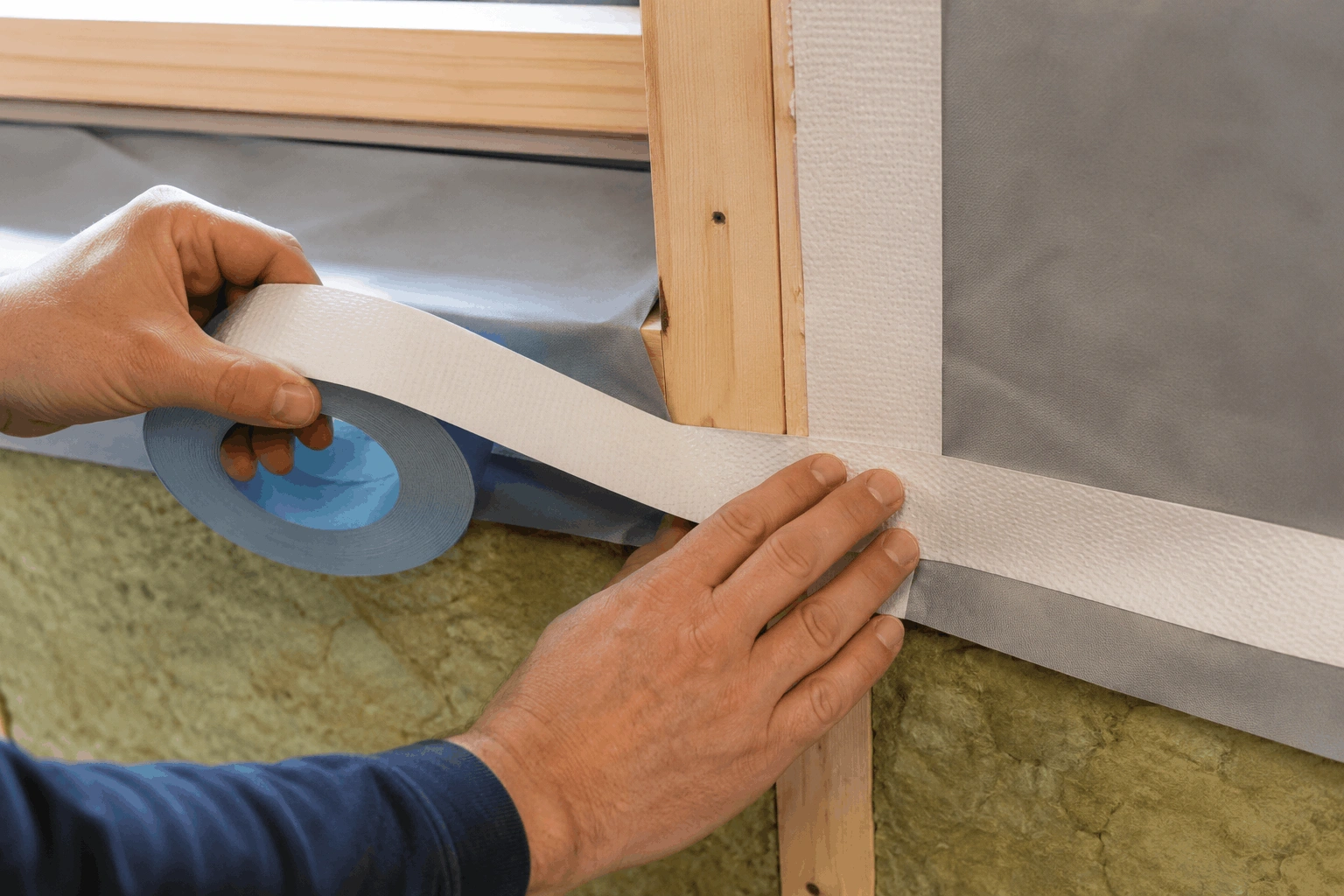
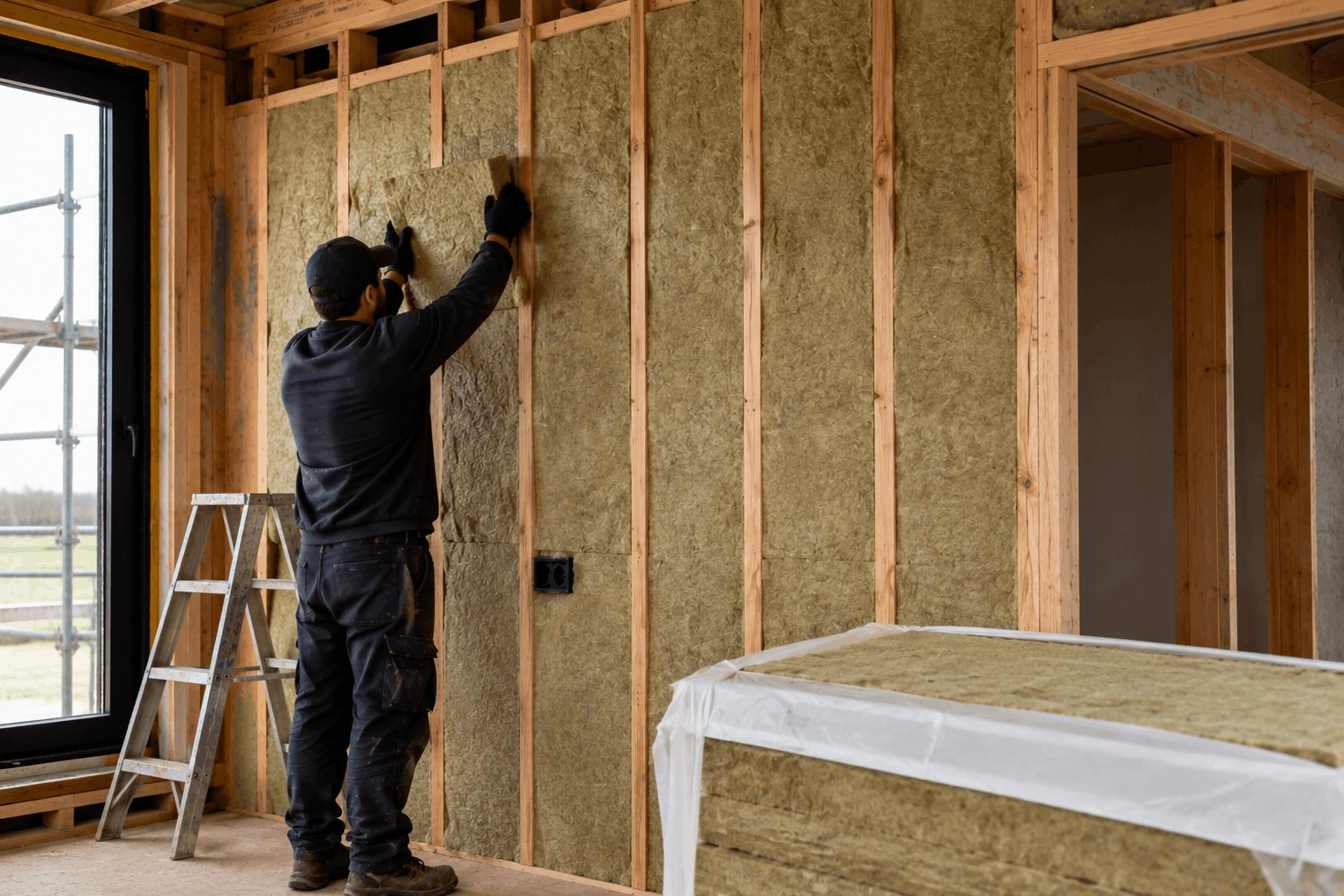
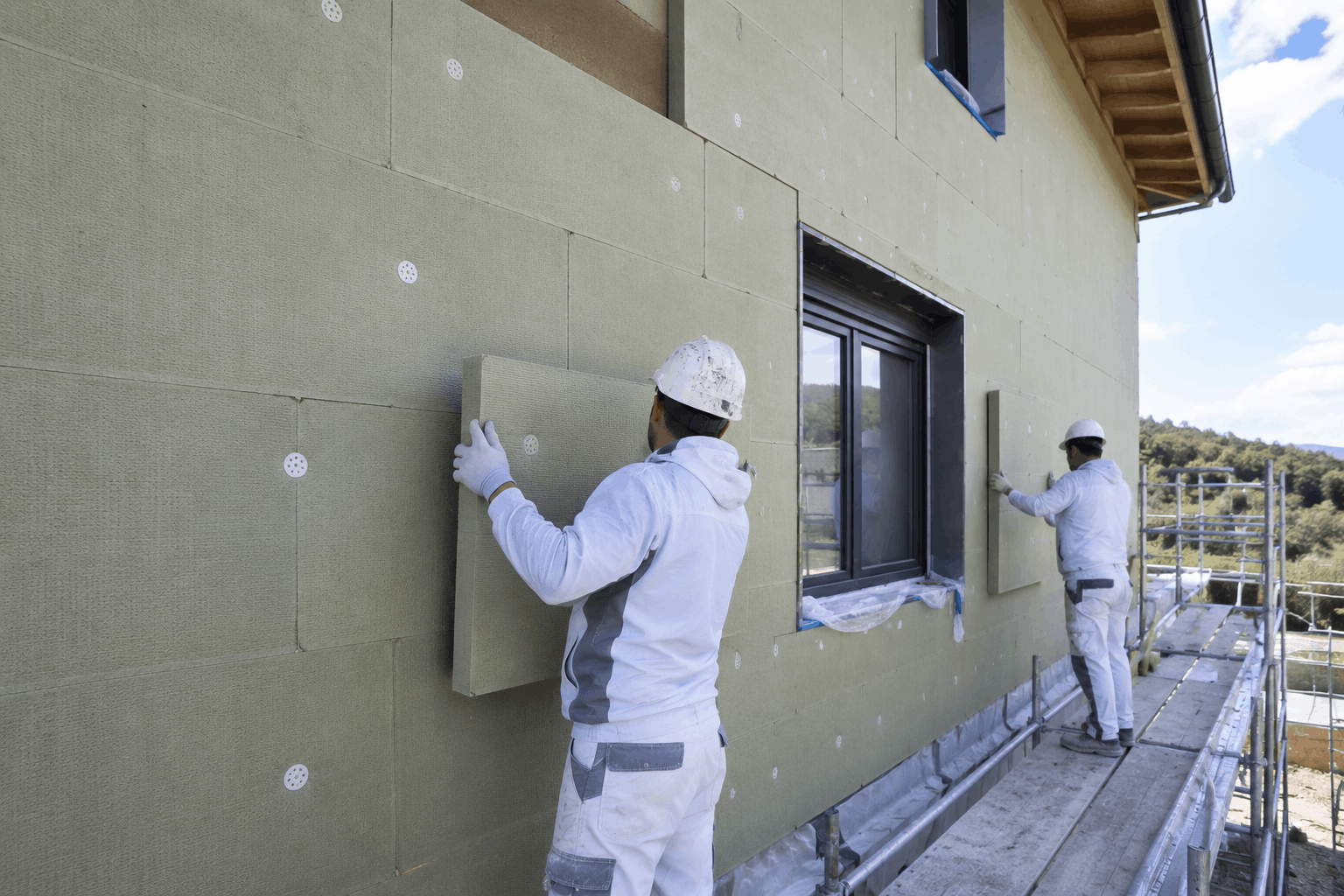
A passive house focuses on creating an ultra-energy-efficient building that maintains consistent temperature and air quality with minimal mechanical heating or cooling. The principles behind passive house design in Australia include superior insulation, airtight construction, high-performance windows and a sophisticated ventilation system that continuously filters and refreshes indoor air.
Cleaner indoor air
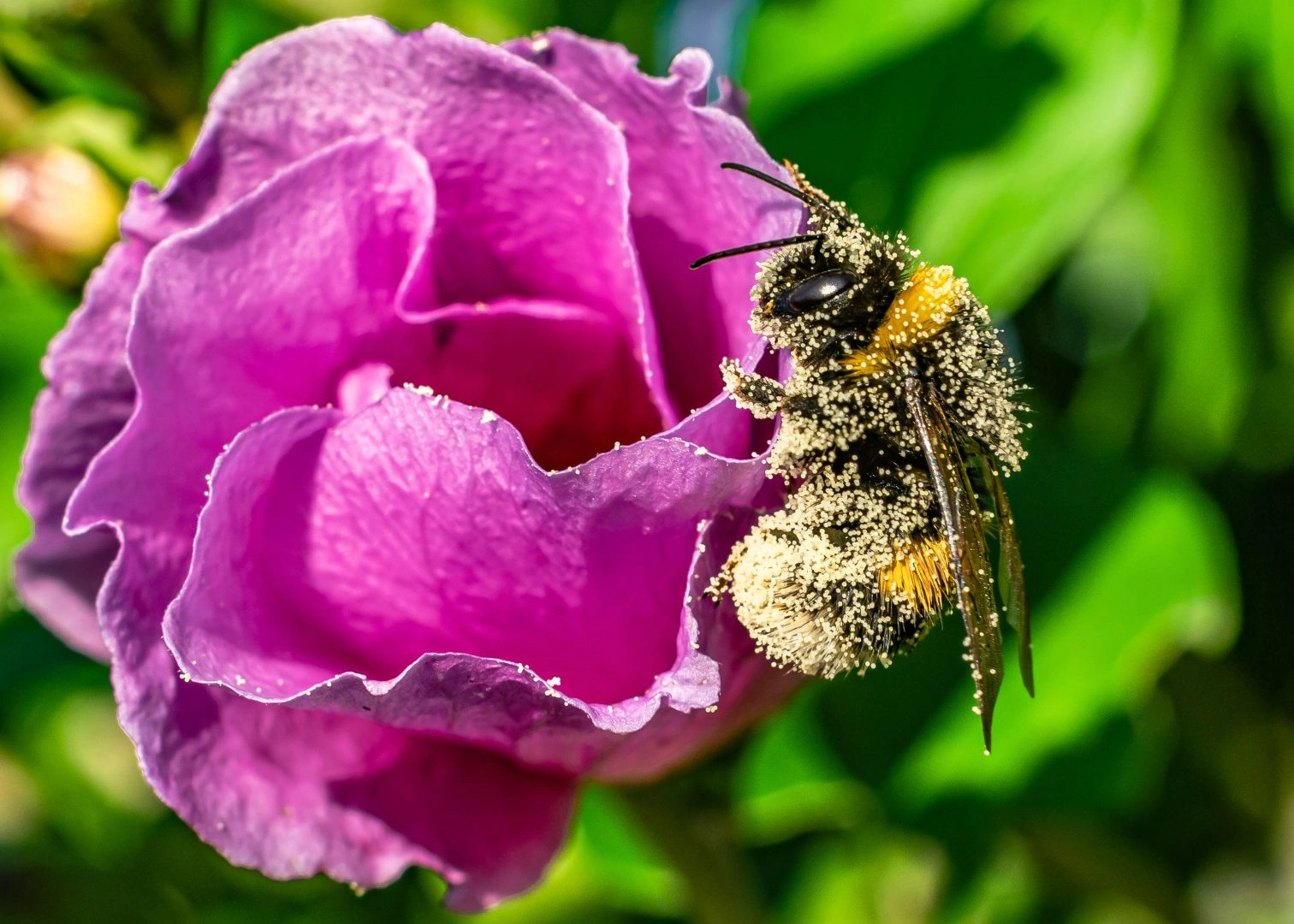
For allergy sufferers, the ventilation component of a passive house is particularly important. In a traditional Australian home, stale air exits and fresh air enters via uncontrolled leaks and open windows, bringing with it dust, smog, mould spores, and – most significantly – pollen.
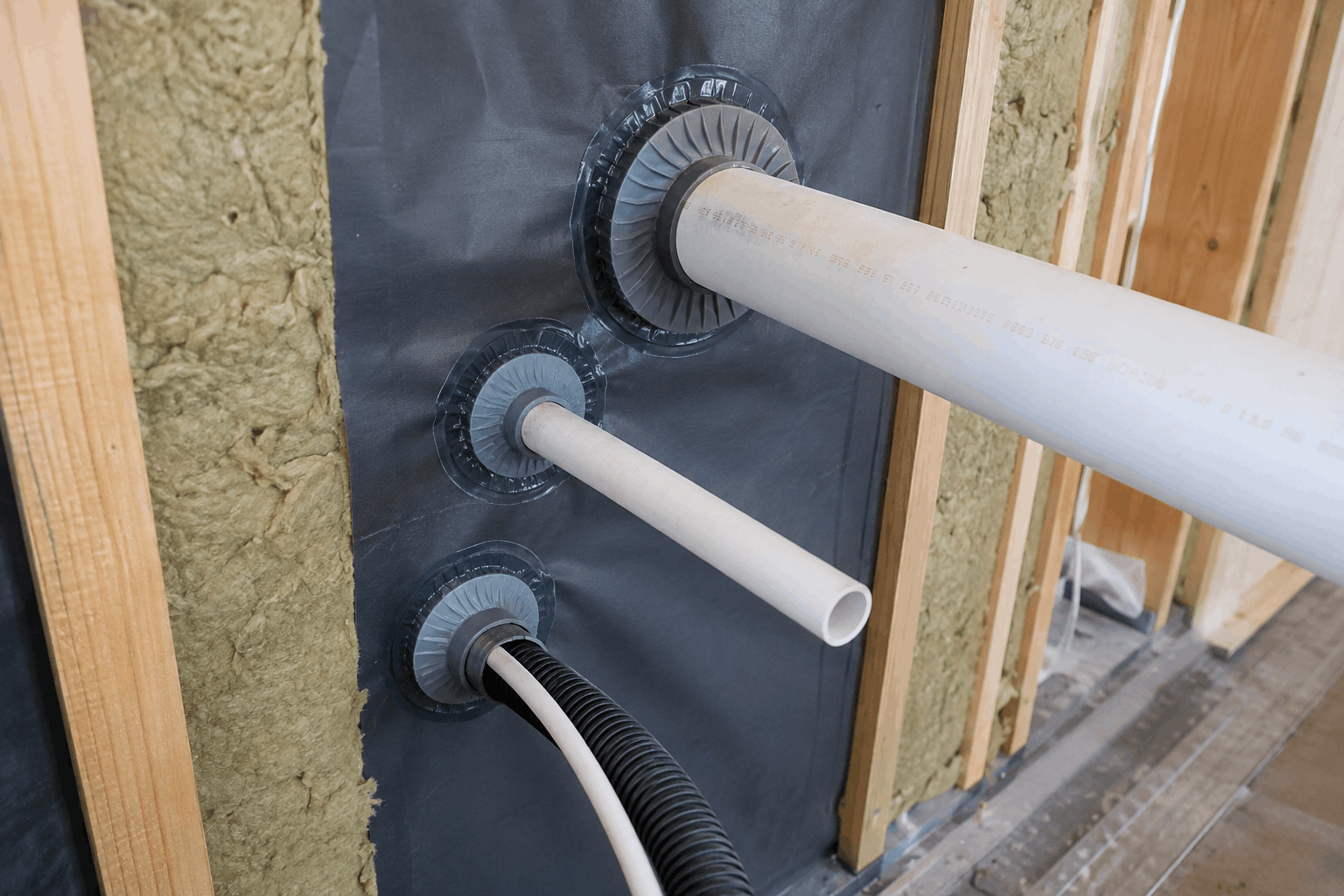
In a passive house in Australia, the airtightness means that all the ventilation is controlled with no leaks in the building envelope, allowing outdoor air in (along with its pollutants).
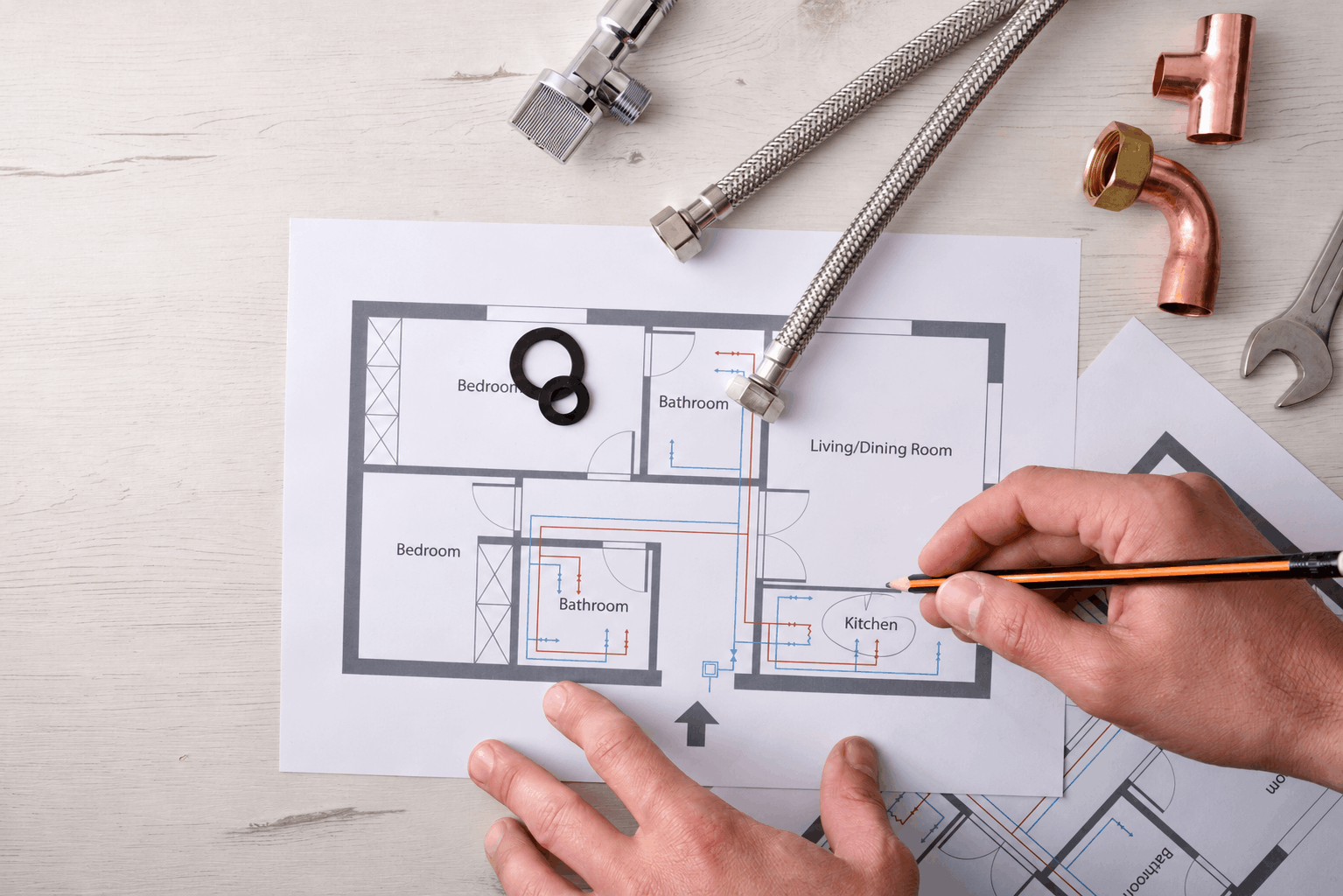
But if there’s no air coming in, how do you prevent the indoor air from becoming stale? A passive design house uses mechanical ventilation with heat recovery (MVHR) systems. These systems filter incoming air through high-quality filters, removing much of the airborne particles, including pollen, dust mites and pollution. The Passive House Institute typically requires at least an F7 grade filter on the supply air, which is capable of trapping nearly all of the fine particulate matter and allergens.
The MVHR system also works in the other direction, extracting stale, moist air from wet areas like kitchens and bathrooms and simultaneously supplying fresh air to living spaces and bedrooms.
The heat recovery element of an MVHR means that as the outgoing stale air passes the incoming fresh air, the heat (or coolness) is transferred, so you get all the health benefits without the energy penalty.
Reduced mould and moisture
The National Asthma Council Australia estimates that up to 40% of people with asthma experience worsening symptoms when exposed to mould spores.
Dampness and condensation create ideal conditions for mould to grow, especially in poorly ventilated homes or humid climates.
A passive house design directly tackles this problem by maintaining stable temperature and humidity levels throughout the building. The MVHR system extracts humid air from bathrooms, laundries and kitchens, replacing it with filtered, dry air from outside.
The result is a consistent indoor climate where surfaces stay dry and condensation rarely forms. This greatly reduces the risk of mould spores developing on walls, windows and ceilings. In addition, passive home building uses high-performance insulation and thermal bridge-free construction to prevent cold spots where moisture can collect.
Fewer toxic building materials
Another major advantage of passive home building is the focus on materials that promote a healthier indoor environment. Traditional building materials, paints and finishes often contain volatile organic compounds (VOCs) – chemicals that can slowly release into the air, a process known as off-gassing. Common VOCs include formaldehyde, found in many pressed wood products and glues, and benzene or toluene, often present in certain paints, varnishes, and sealants.
For people with allergies and chemical sensitivities, exposure to these VOCs can trigger headaches, dizziness and respiratory irritation.
A passive building design aims to minimise these risks by using low-emission or non-toxic products wherever possible. Many passive house builders in Australia choose natural or certified low-VOC materials such as water-based paints, non-toxic adhesives and sustainably sourced timber.
By reducing exposure to harmful chemicals, the home’s air remains cleaner and safer, particularly for those with chemical sensitivities or respiratory conditions.
Additionally, because the MVHR system continuously circulates and filters the air, any remaining trace emissions are also diluted and removed more quickly. The result is a home that not only conserves energy but also supports long-term health and well-being.
Frequently Asked Questions
No, the MVHR system is only one part of the passive house design. The system can only work effectively because of the other elements, especially the airtightness and super insulation. Without an airtight envelope, the MVHR system would just be pulling in unfiltered air through leaks, and without insulation, it would be expensive to run. The standard is a complete building science approach, best achieved by following the Passive House certification process.
You can absolutely open your windows in a passive house. The MVHR system simply manages the baseline, continuous ventilation needed for a healthy home. You might choose to open windows for a short 'purge' of air, or just to enjoy the breeze when the outside air quality is good, like a conventional home. However, during peak pollen, bushfire smoke or high-traffic periods, you can keep them closed, relying on the clean, filtered air from the MVHR system.
Yes, passive house principles can be adapted to all Australian climates. Qualified passive house designers understand how to modify designs for local conditions whilst maintaining the core benefits of superior air quality and energy efficiency. The specific strategies used will vary depending on whether your location requires more heating, cooling or humidity control. Currently, there are certified passive houses operating successfully in climate zones around Australia.