The importance of continuous insulation in a passive house
A passive house is a home designed to provide maximum comfort with minimal energy use. It follows five key principles – excellent insulation, airtight construction, high-performance windows, heat recovery ventilation and careful solar orientation. Together, these elements create a home that stays warm in winter, cool in summer and maintains consistent indoor air quality without relying heavily on traditional heating or cooling systems.
Among these principles, insulation plays a central role – and ensuring it’s continuous is critical to achieving the building’s performance goals in any passive house design.
In Australia, insulation performance is measured using an R-value. The R-value shows how well a material resists heat flow – the higher the number, the better the insulation. Passive house standards require much higher R-values than typical building codes, as every part of the building envelope must work together to maintain consistent indoor temperatures.
Why is continuous insulation so important?
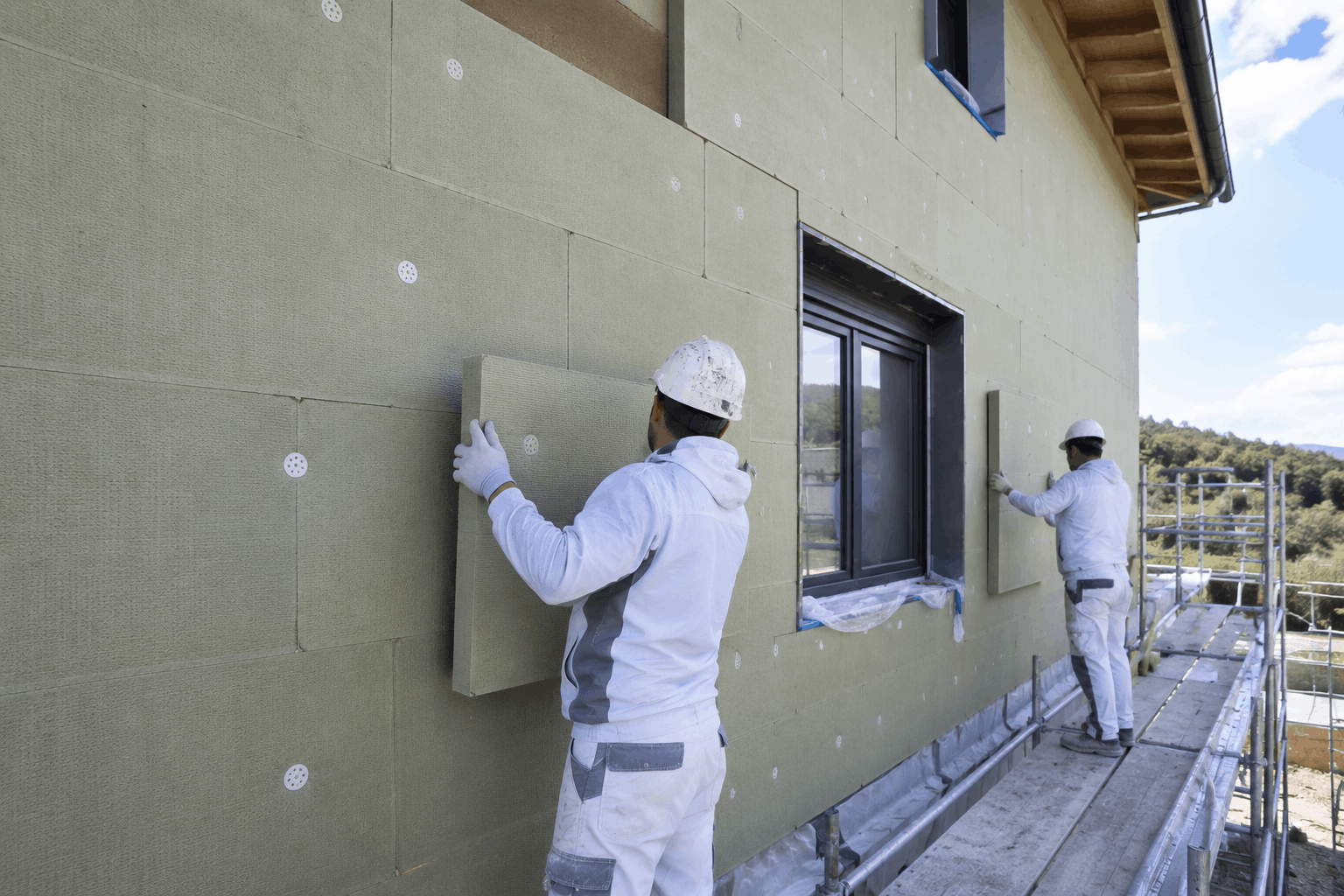
Continuous insulation means that insulation materials cover the entire building envelope without breaks or gaps. Walls, roofs and floors all receive uninterrupted layers of insulation. Unlike traditional construction methods that allow thermal bridges – areas where heat can escape or enter through structural elements – passive building design demands complete thermal protection.
The principle is straightforward: heat follows the path of least resistance. In conventional buildings, insulation often stops at structural elements like studs, joists and lintels. These gaps create thermal bridges that significantly reduce the overall insulation performance of the building envelope.
In conventional Australian construction, thermal bridges are common and largely unaddressed by minimum building codes. These weak points act as “heat highways”, allowing heat to easily bypass the bulk insulation. In winter, they become spots where heat rapidly escapes, leading to cold internal surfaces, discomfort and increased energy use for heating. In Australia’s hot summers, they allow unwanted heat to stream into the home, placing a greater load on cooling systems. This is one of the key issues that passive house builders in Australia work hard to eliminate.
Benefits of continuous insulation
When structural elements penetrate the insulation layer, they create pathways for heat transfer. As we’ve already discussed, this can result in heat loss in winter or heat gain in summer – both of which can lead to inefficient mechanical heating or cooling. With continuous insulation, you’ll have lower energy bills, consistent indoor temperatures, quieter interiors and greater comfort – hallmarks of an effective passive design house.
But the impact of thermal bridging extends to the structure itself. Thermal bridges create cold spots on interior surfaces, which can lead to condensation and potential mould growth. This is particularly problematic in Australia’s humid coastal regions, where Passive house designers in Australia must account for both temperature and moisture control.
Common insulation materials used in passive houses in Australia
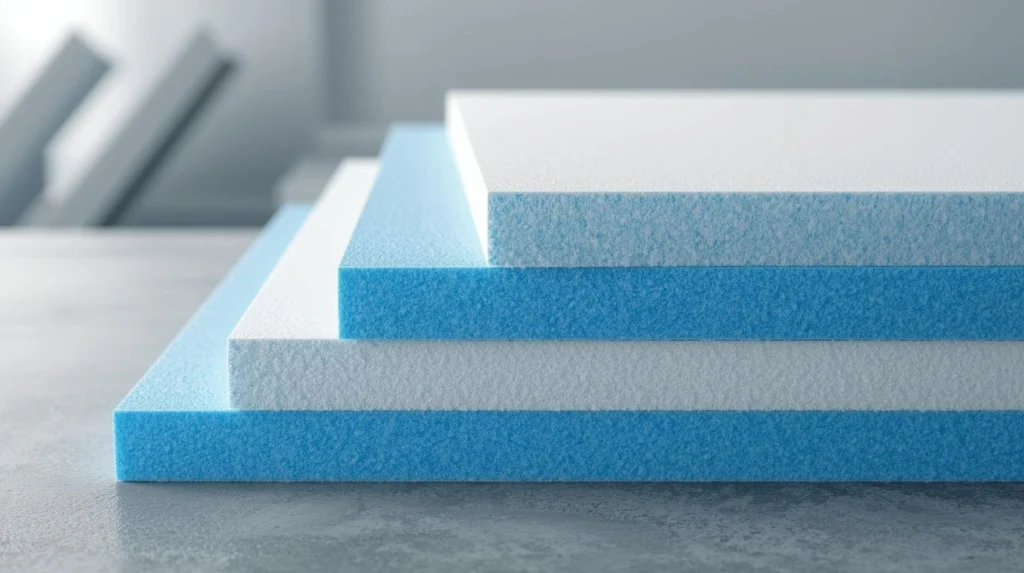
- Rigid foam boards: Commonly used for exterior, non-structural insulation. Materials include:
- Expanded polystyrene (EPS) and graphite-enhanced polystyrene (GPS or Neopor): Lightweight, affordable and effective, with GPS offering higher thermal performance. Often used as external wall wraps or under slabs to reduce thermal bridging.
- Extruded polystyrene (XPS) and polyisocyanurate (PIR): Their high R-values make them ideal where space is limited. XPS resists moisture, making it suitable for slab edges and foundations in passive house design.
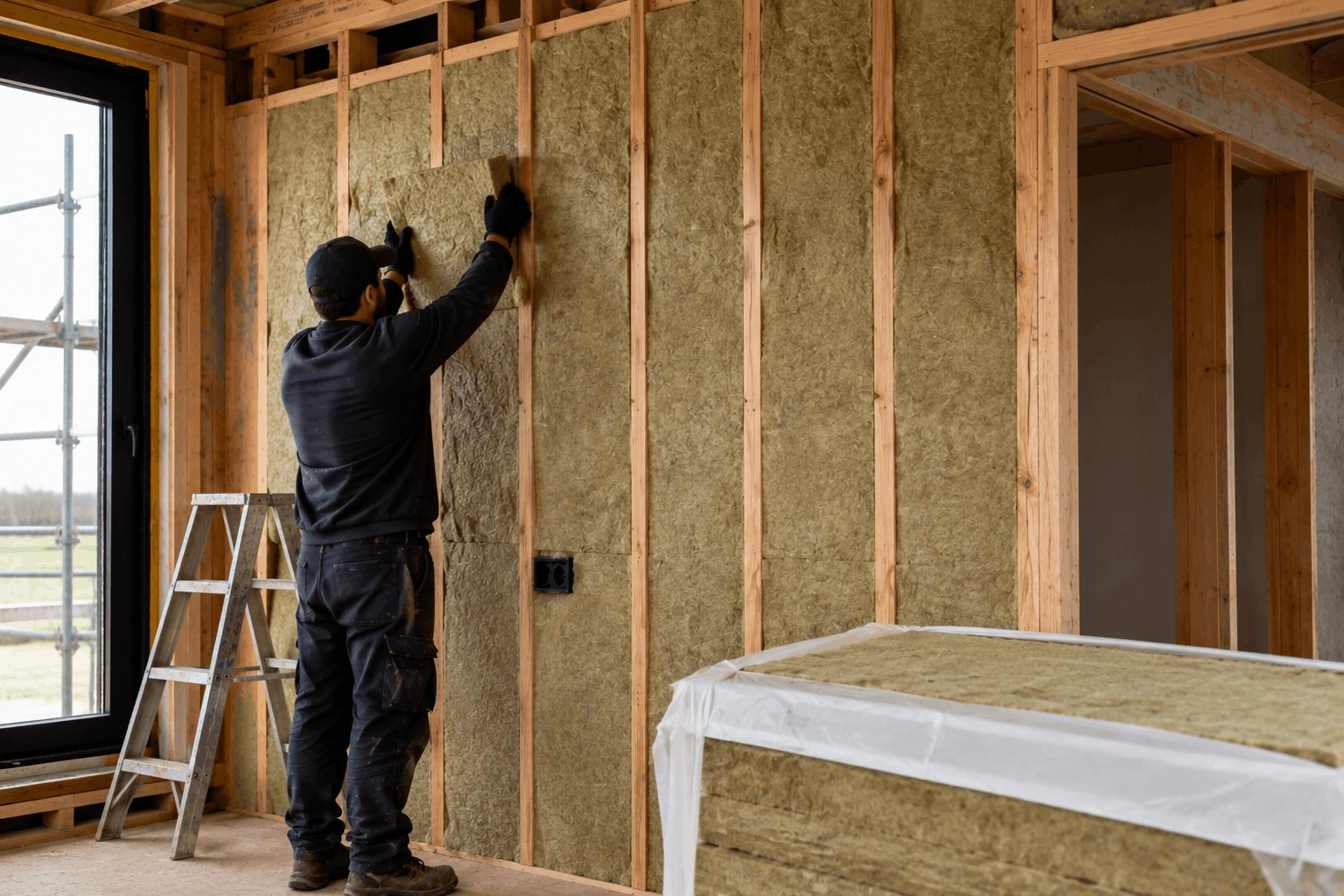
- Mineral and glass wool: These fibrous materials, such as glass wool or stone wool, are primarily used to densely fill internal stud cavities. While not used for the external continuous layer, they contribute to the overall R-value. Stone wool, in particular, offers good non-combustibility and vapour permeability, which are important considerations for many passive house designs in Australia.
- Cellulose insulation: Made from recycled paper treated with fire retardants, cellulose provides effective thermal performance and is popular for sustainable passive home building projects.
- Structural insulated panels (SIPs): SIPs combine the structural frame, the insulation core (often EPS, XPS or polyurethane (PUR)) and the sheathing into one prefabricated panel. This inherent design provides exceptional airtightness and a naturally continuous layer of insulation, significantly simplifying the process for passive home builders.
- Wood fibre insulation: Although a newer entrant to the Australian market, natural materials like compressed wood fibre are used in some projects. They offer a good R-value, high thermal mass and vapour permeability, which helps to buffer temperature and moisture fluctuations, providing a natural and sustainable option for passive house design in Australia.
Integrating insulation into passive house design
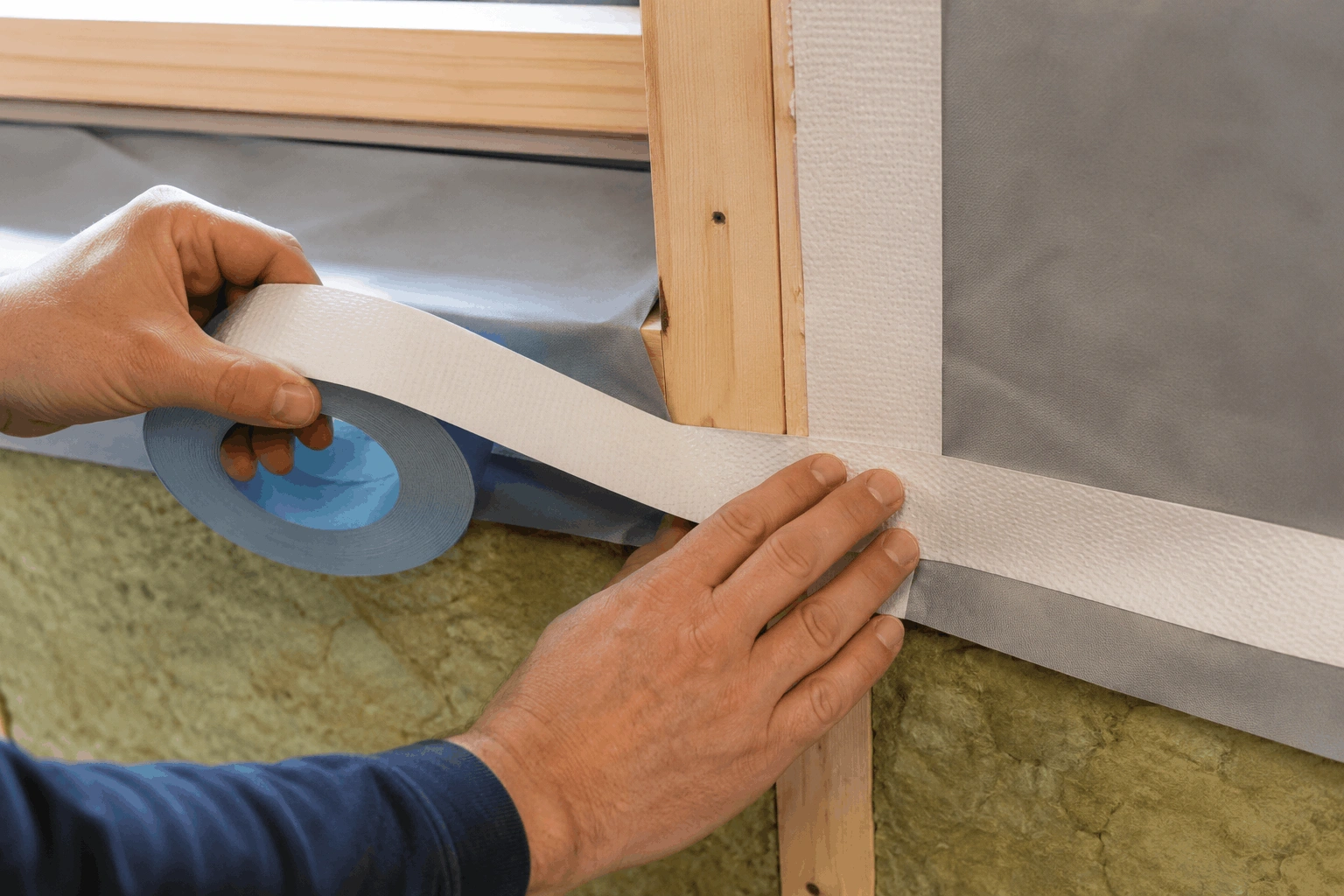
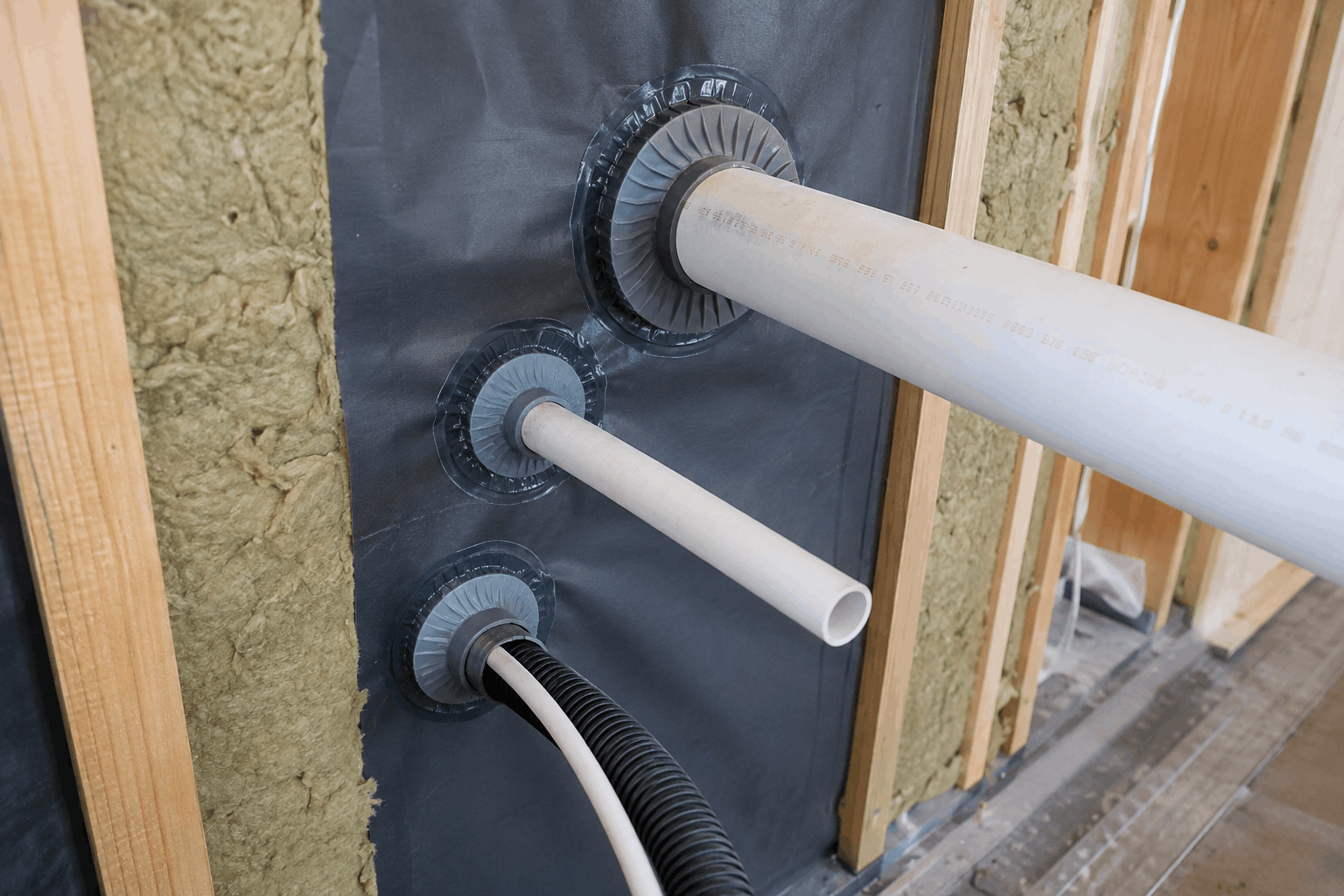
When designing a passive house, insulation must be planned from the outset. Passive house designers in Australia recommend combining insulation with airtightness measures to create a complete thermal envelope. Even minor gaps or compression in insulation can compromise the performance of a passive house design.
There are several options for ensuring your insulation is continuous and eliminating thermal bridges. One approach involves external insulation systems. By placing insulation on the outside of structural elements, the load-bearing frame remains protected within the thermal envelope. This method works well for passive house builders in Australia using timber or steel framing.
Other options include double-stud walls or structural insulated panels (SIPs). Each method has advantages depending on the specific project requirements. What matters most is that passive house design principles are followed consistently, creating that crucial unbroken thermal barrier.
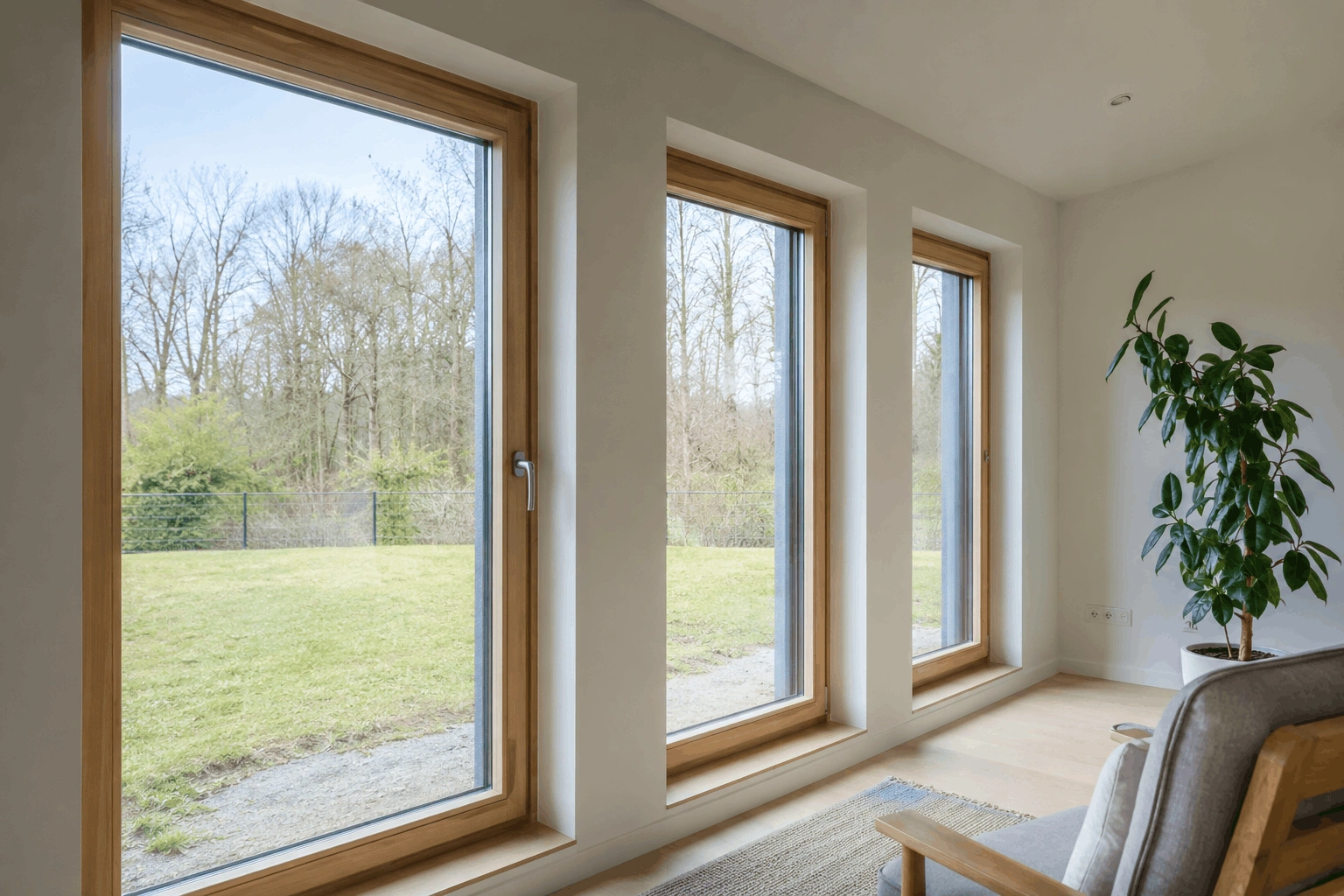
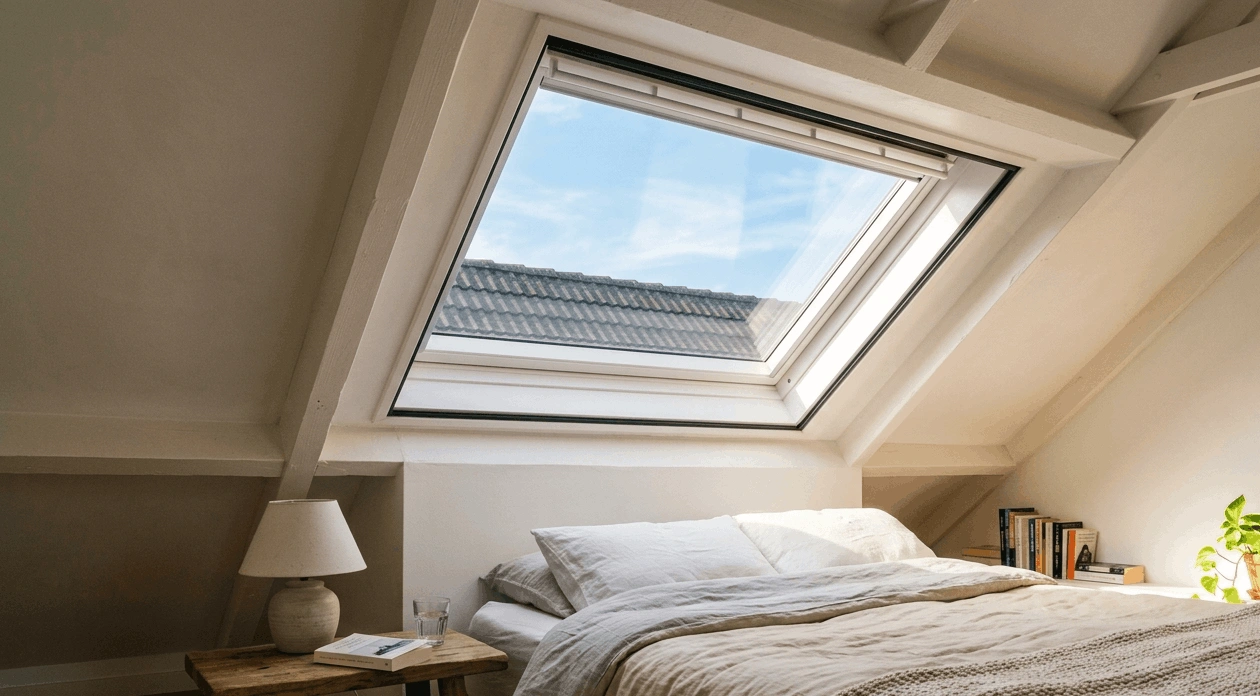
Window and door installations also present challenges. These openings must integrate seamlessly with the continuous insulation layer. Passive house projects in Australia often specify high-performance windows installed within the insulation depth, ensuring no thermal bridges occur at reveals or sills.
Foundation details require equal attention. Ground contact can be a significant thermal bridge in many buildings. Designing a passive house in Australia means insulating under slabs and around slab edges, maintaining continuity between foundation and wall insulation systems. These details are what distinguish a high-performing passive house premium Australia project.
Frequently Asked Questions
Standard insulation is typically placed between structural elements like timber studs, which themselves are poor insulators and create thermal bridges. Continuous insulation is an unbroken layer of insulation placed on the exterior or interior of the structural frame, effectively wrapping the whole building and eliminating those thermal bridges to achieve a much higher effective R-value for the entire assembly.
Retrofitting continuous insulation is possible but challenging. External insulation systems can be added to existing walls, though this affects the home’s appearance and may require planning approval. Internal insulation is another option, but it can reduce floor space. Most passive house builders in Australia recommend implementing continuous insulation during new construction or major renovations when structural work is already underway.
The best insulation materials depend on climate, location and design. Common options include rigid foam boards such as expanded polystyrene (EPS), graphite-enhanced polystyrene (GPS), extruded polystyrene (XPS) and polyisocyanurate (PIR), along with mineral wool, cellulose, structural insulated panels (SIPs) and wood fibre insulation. Many passive house builders in Australia combine these materials to deliver optimal performance across varied climates and building types.