The pros and cons of passive houses in Australia
Australia’s climate can be unforgiving, with freezing winters in some regions and scorching summers in others. As energy costs continue to rise and environmental concerns grow, many Australians are turning to passive house design as a solution. But what exactly are passive houses, and are they right for the Australian market?
What makes a passive house design different?
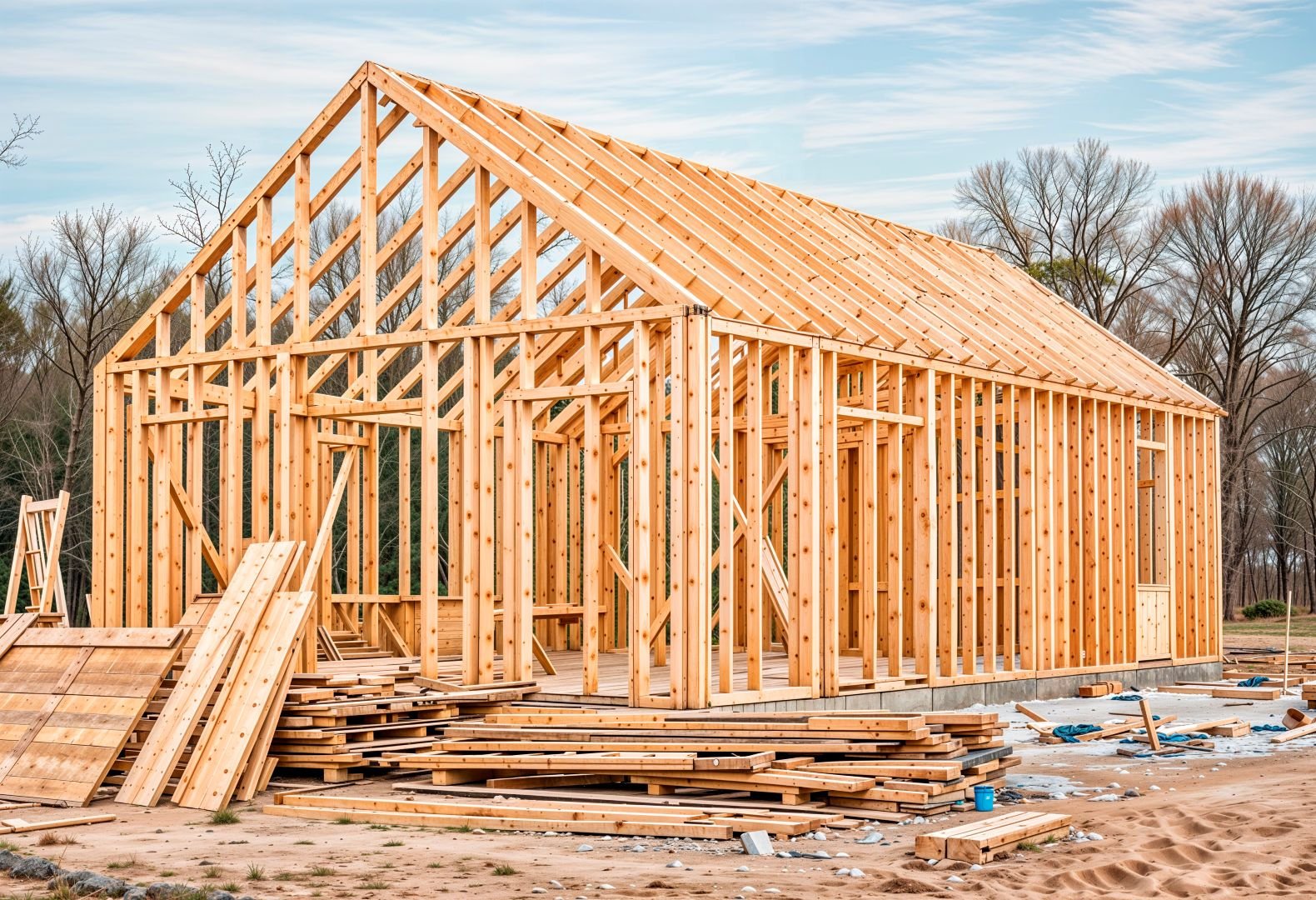
A passive design house is a building that requires very little energy for heating and cooling, yet maintains an internal temperature between 20–25 degrees Celsius all year round. The principles of passive building design rely on five core elements:
- Airtightness
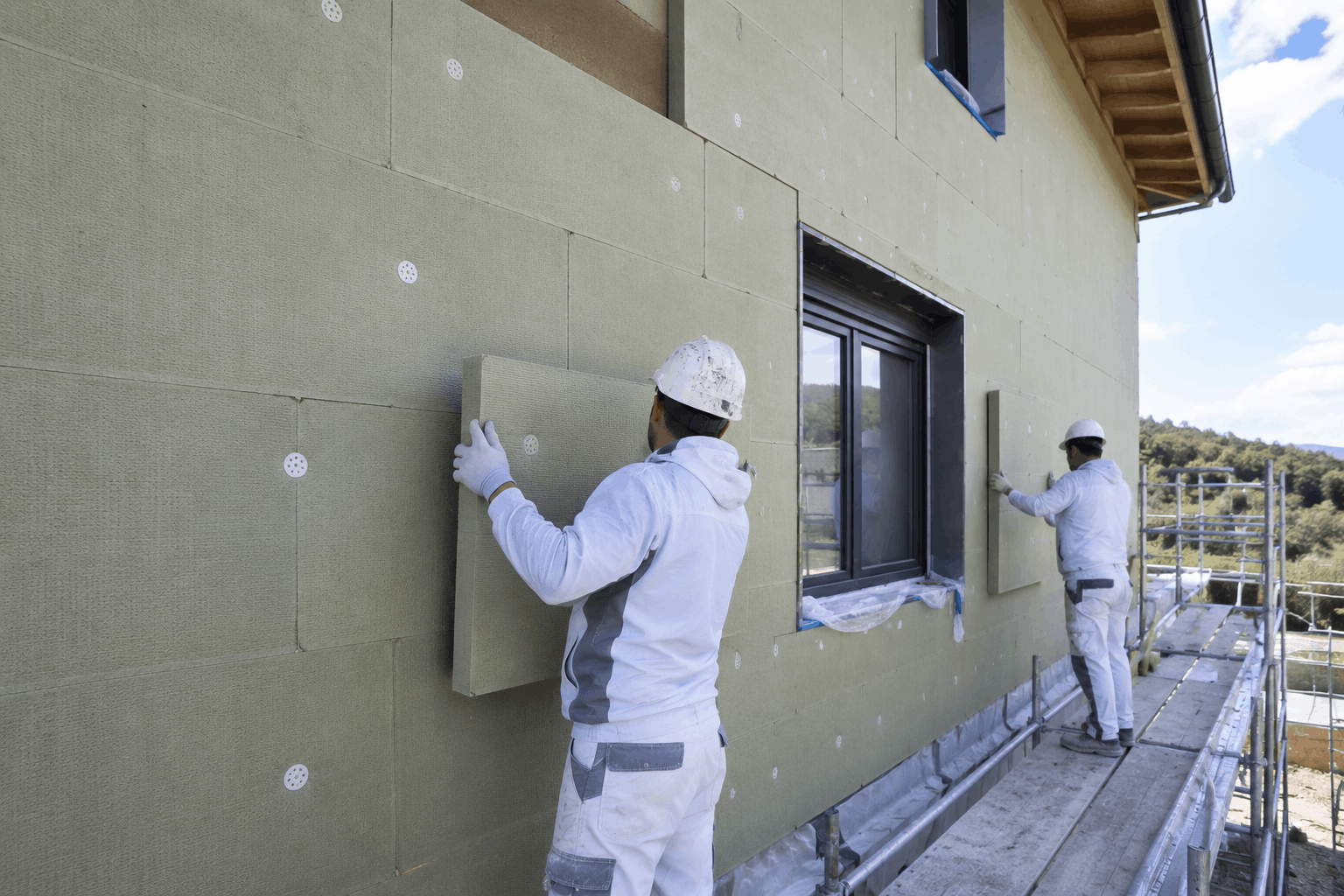
- Superior insulation
- Excellent ventilation (usually mechanical)
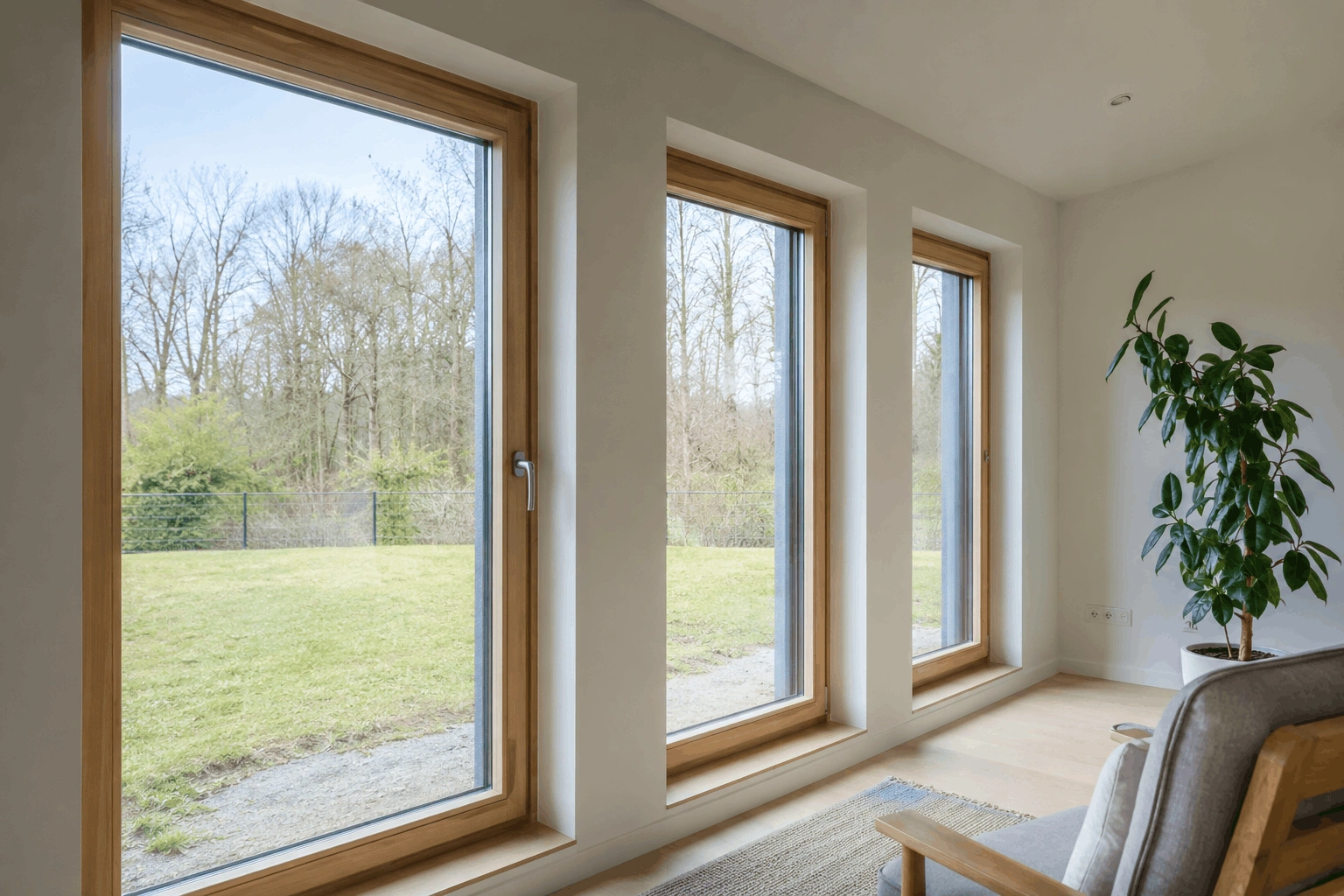
- High-performance windows
- Thermal-bridge-free construction
Ryan Moody, who recently moved into a passive home in Rye, Victoria, shared his experience on Grand Designs Australia. “Without any heating, it feels easy to slide out of bed and start your day,” he told the ABC.
The pros of a passive house in Australia
Superior comfort and soundproofing
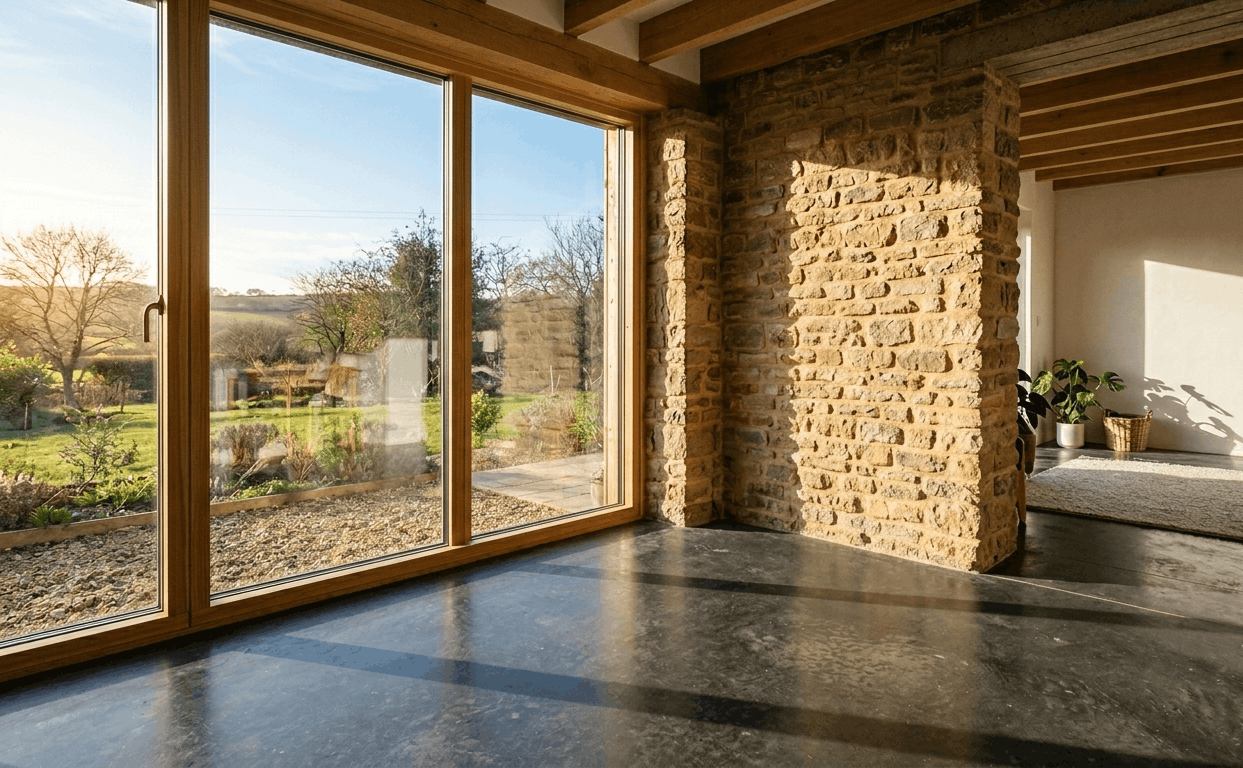
The most celebrated benefit of passive house designs is their ability to maintain consistent, comfortable temperatures without relying on traditional heating and cooling systems. Passive homes feature floors, walls and ceilings that are far more insulated than standard houses, combined with high-quality windows and draught-free construction.
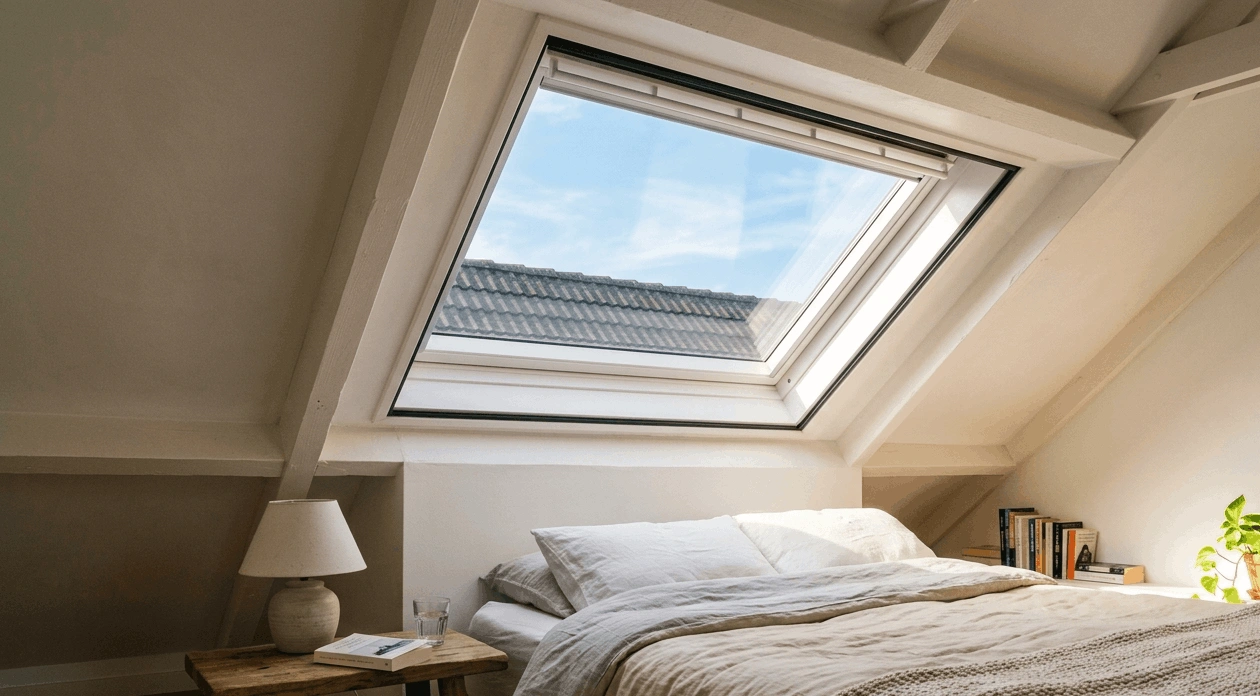
While comfortable temperatures often dominate discussions about passive home building, Mr Moody believes the noise-cancelling capabilities deserve equal attention. “A lot of external traffic noise is cancelled out when you have triple-glazed windows in an air-tight home,” he noted. The soundproofing is so effective that without skylights, he wouldn’t hear rain on his roof at all.
Significant energy savings
The passive design house approach means substantially less fuel is burned for heating and cooling. For homeowners, this translates to dramatically lower energy bills – a crucial consideration as Australian energy costs continue to rise. While the initial investment is higher, passive houses can reduce heating and cooling energy consumption by up to 90% compared to conventional homes. This not only saves money over time but also reduces the household’s carbon footprint, making it a significant advantage in Australia’s increasingly environmentally conscious market.
Improved air quality
Passive house builders in Australia incorporate heat recovery ventilation units (HRVs) that do more than regulate temperature. These systems provide continuously filtered fresh air, which means bushfire smoke, pollen and pollution don’t enter the home. Stale air from bathrooms and kitchens is efficiently removed. This feature proves particularly beneficial for people with allergies or asthma and is an advantage in Australia’s bushfire-prone regions.
The cons of a passive house in Australia
Higher initial costs
The primary barrier to passive house designs in Australia is the upfront investment. Mr Moody estimated that designing a passive house typically costs around 20% more than conventional construction. His own project, originally budgeted at $1 million, ultimately cost twice that amount – partly due to rising construction costs and the home’s size.
Many passive house builders in Australia must import specialised components, which further increases prices. For most Australians, this passive house premium represents a significant financial hurdle.
Complex certification process
Passive house design in Australia requires careful planning and certification. At the design stage, everything must be calculated to ensure the building will maintain its temperature performance. The drawings require approval from a passive house certifier in addition to standard planning permissions, which limits design flexibility during construction.
This means that adding something as simple as a skylight mid-build that wasn’t previously accounted for could throw the entire house’s performance out of balance, making certification more difficult or costly to achieve.
Additionally, near completion, certifiers conduct airtightness tests, and failures can be expensive to rectify, especially if leaks are discovered after cladding installation.
Longer construction timelines
Passive home projects often take longer than conventional builds. For instance, Mr Moody’s house took three years to complete instead of the anticipated 12 months, largely due to design changes along the way. While he acknowledges he likely would have finished in 18 months without modifications, the certification requirements and specialised construction techniques inherently add time to the building process.
Is a passive house right for you?
A passive design house may suit those who value comfort, energy efficiency and sustainability. If you are planning a new home or major renovation and can invest in the upfront costs, a passive house could deliver long-term savings and a healthier living environment. Families with children, people with allergies or those living in noisy areas may particularly benefit from the consistent temperature and quiet interiors.
However, a passive house in Australia may not be ideal if budget constraints are tight or if flexibility in design is important. Modifications during construction can affect certification, and the complexity of passive home building requires careful planning and an experienced passive home builder.
But, for those unable to commit to full certification, adopting passive house design principles in parts of a home, such as extra insulation, better glazing, or improved ventilation, can still offer many benefits.
Frequently Asked Questions
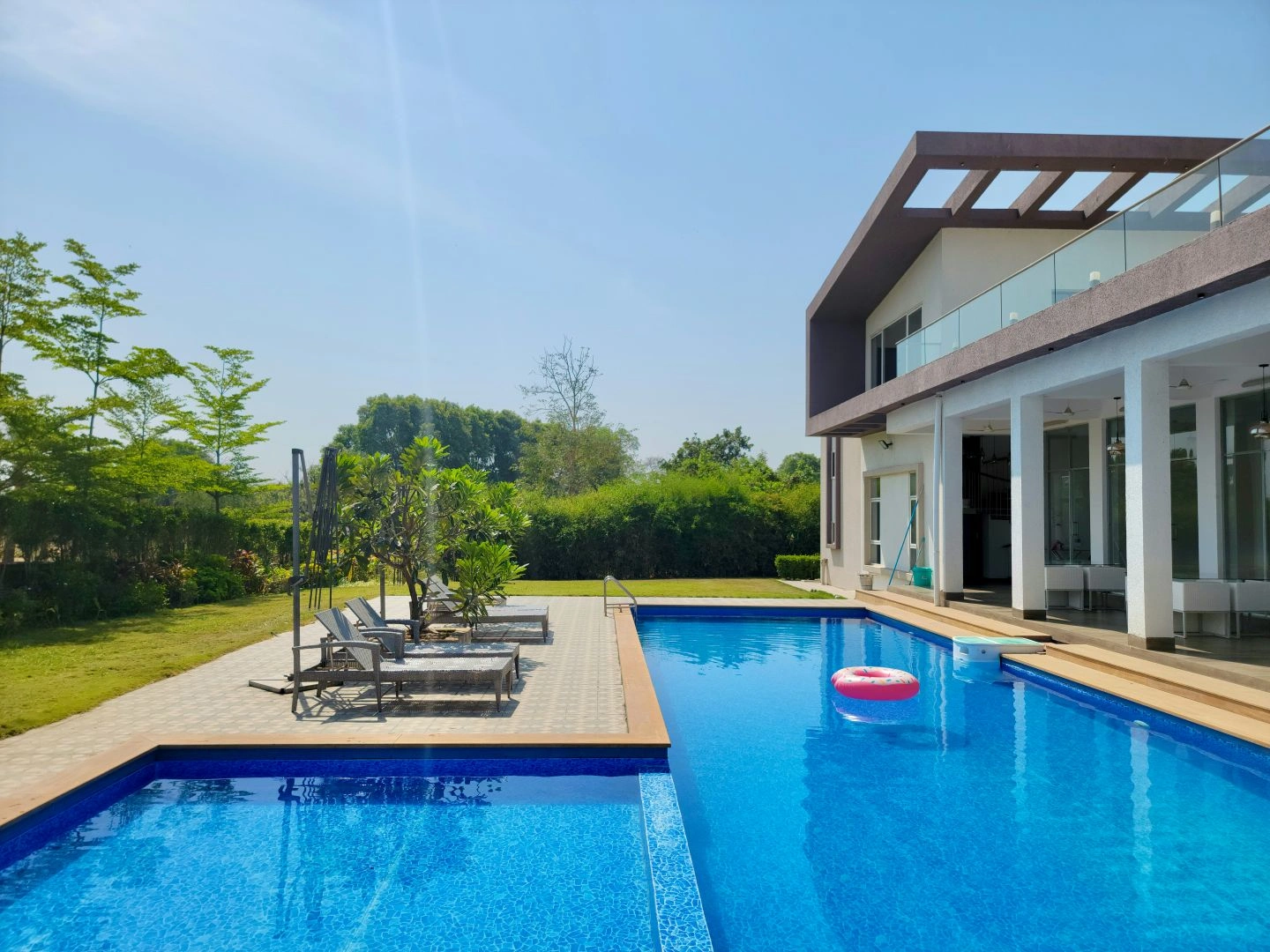
Absolutely not. While some people associate the design with a stereotypical aesthetic, certified passive house designs can be built in any architectural style. Homes can be modern, traditional or highly creative. Passive house designers in Australia adapt the principles of insulation, airtightness and ventilation to suit a wide range of architectural styles.
Yes, absolutely. Despite their air-tight construction, passive houses are designed to allow windows and doors to be opened whenever needed, in any season. The ventilation system operates independently of window operation, so homeowners can enjoy fresh air directly from outside while maintaining the home's energy efficiency. The airtightness primarily prevents unwanted draughts and heat loss when windows are closed.
Yes, existing homes can be retrofitted to the certified standard, or to a similar high-performance level. While it's generally easier and less costly to achieve the full standard when starting with a new build, many passive house designers in Australia can offer retrofits that can dramatically improve the energy efficiency and comfort of older, 'leaky' homes.