How passive houses can help meet Australia’s energy goals

Australia has taken an ambitious step toward reducing its greenhouse gas emissions. The federal government’s Net Zero Plan sets a goal to cut emissions by 62–70% below 2005 levels by 2035, and to reach net zero by 2050. Achieving this target means transforming how we power our homes, offices and cities – and that includes rethinking how we design and build.
One of the most effective and achievable ways to contribute is through passive house design.
What is a passive house?
A passive house is a rigorous, performance-based standard for energy efficiency in buildings. The core idea behind passive house design is to minimise the need for active heating or cooling systems. Instead, the building uses a combination of natural principles – hence the term passive design house – to maintain comfortable internal temperatures year-round. This leads to dramatic reductions in energy use, often by up to 90% compared to typical homes.
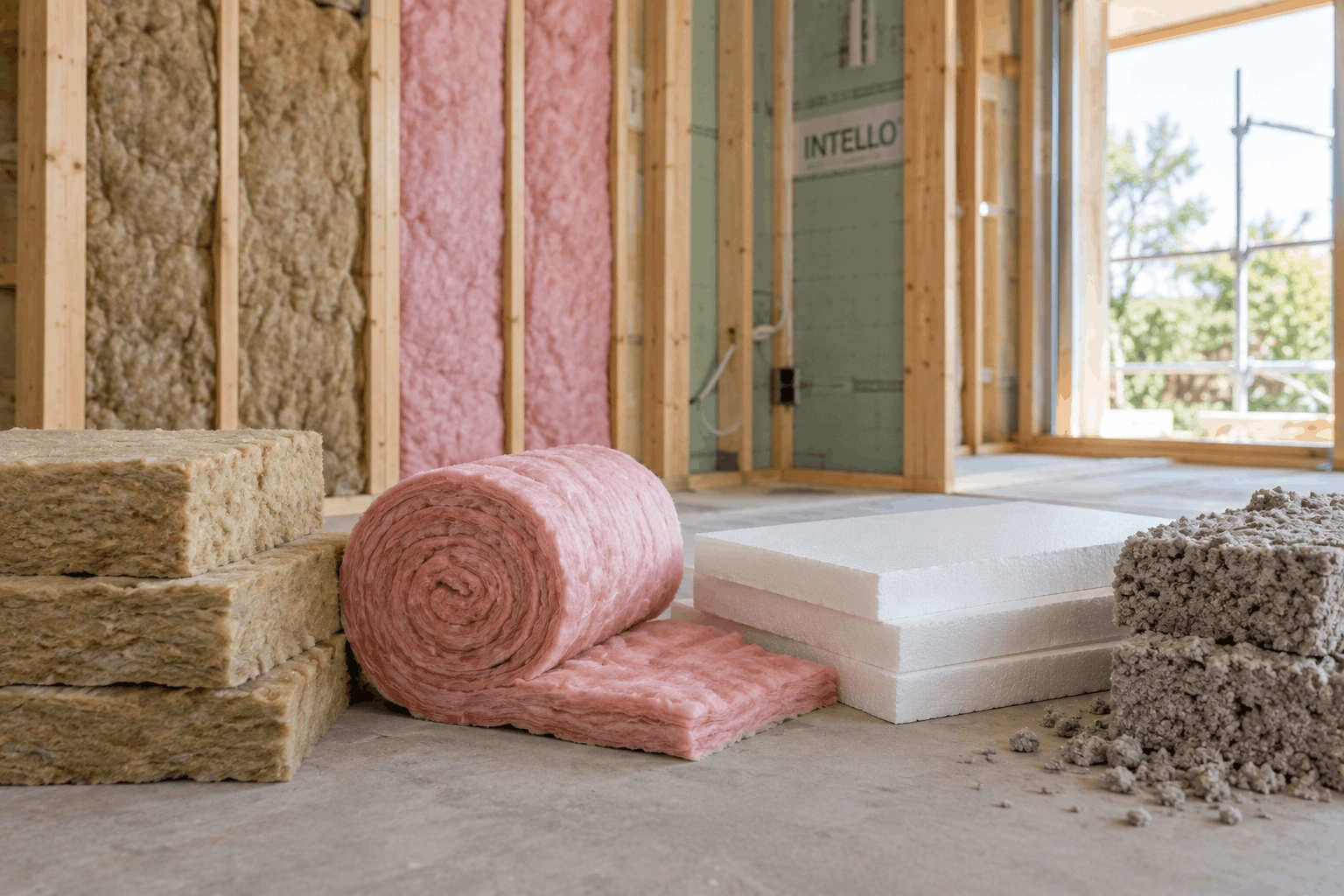
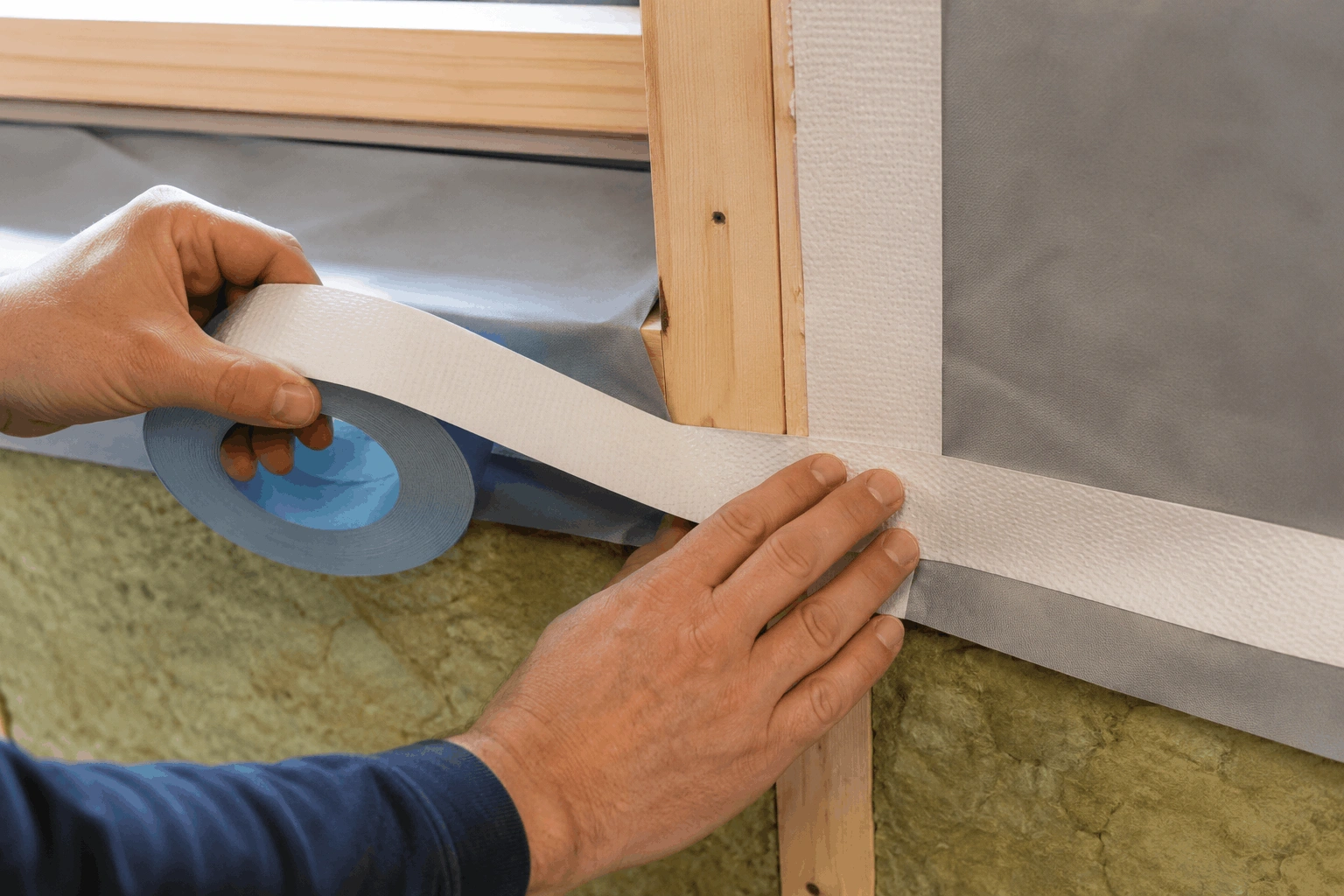
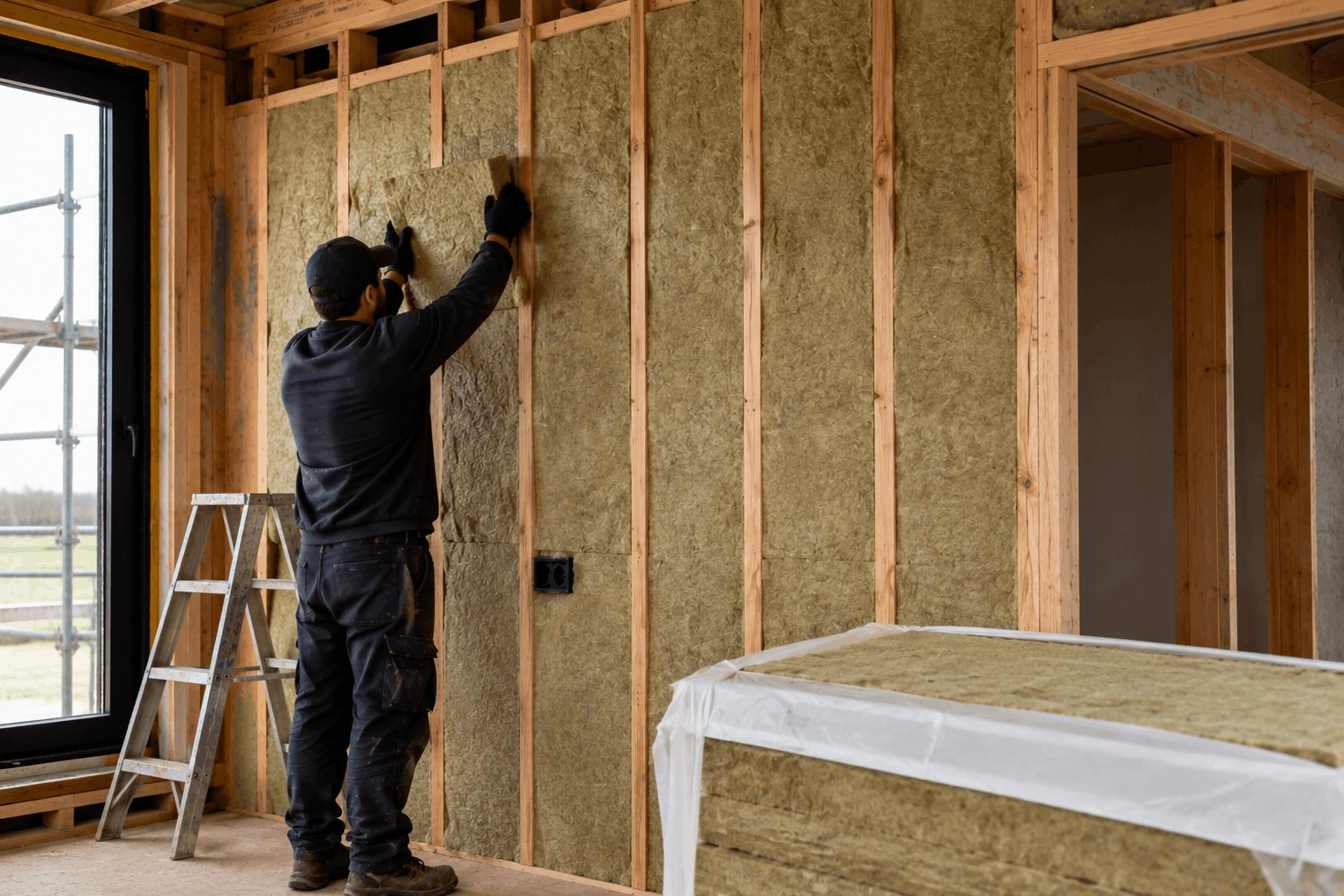
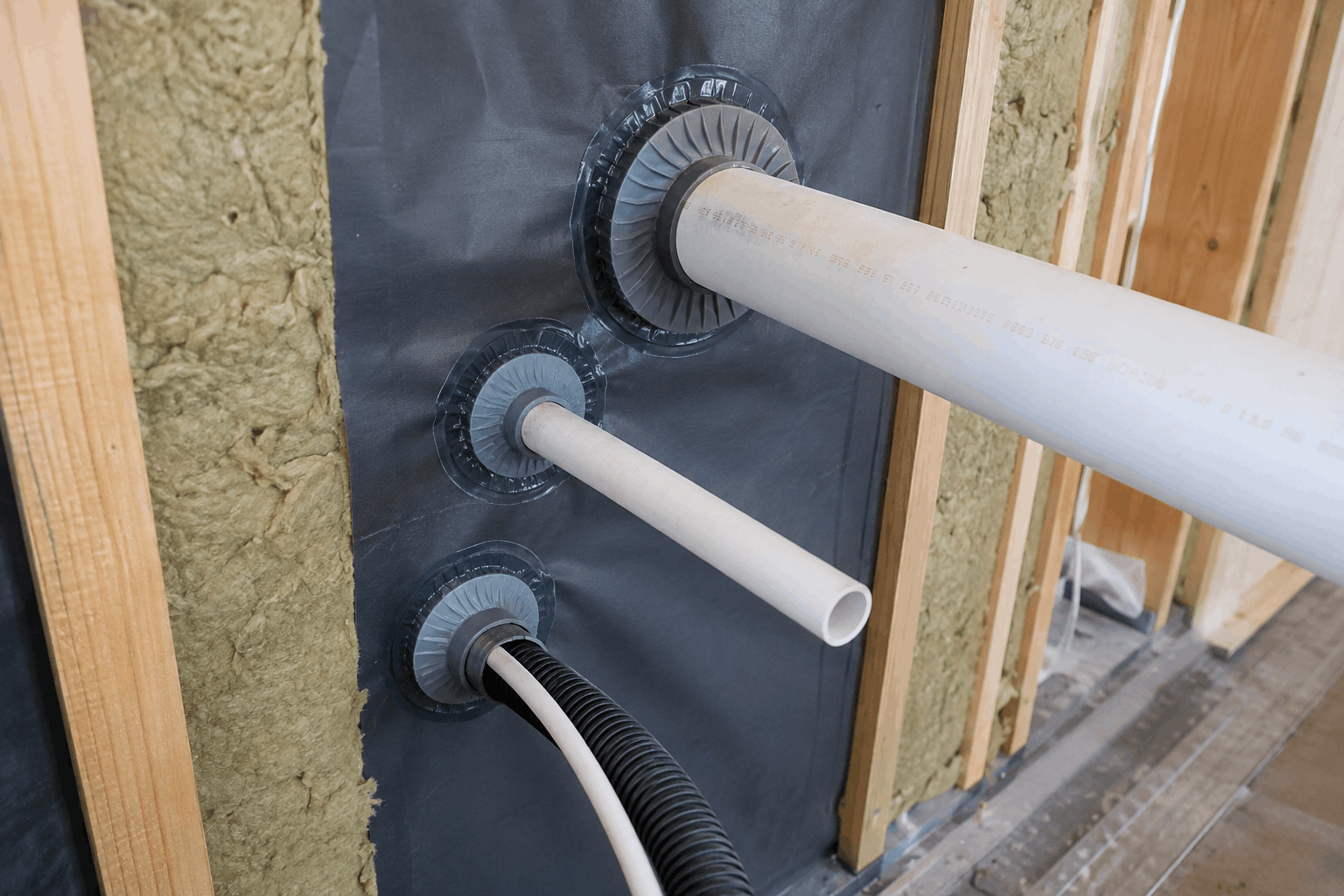
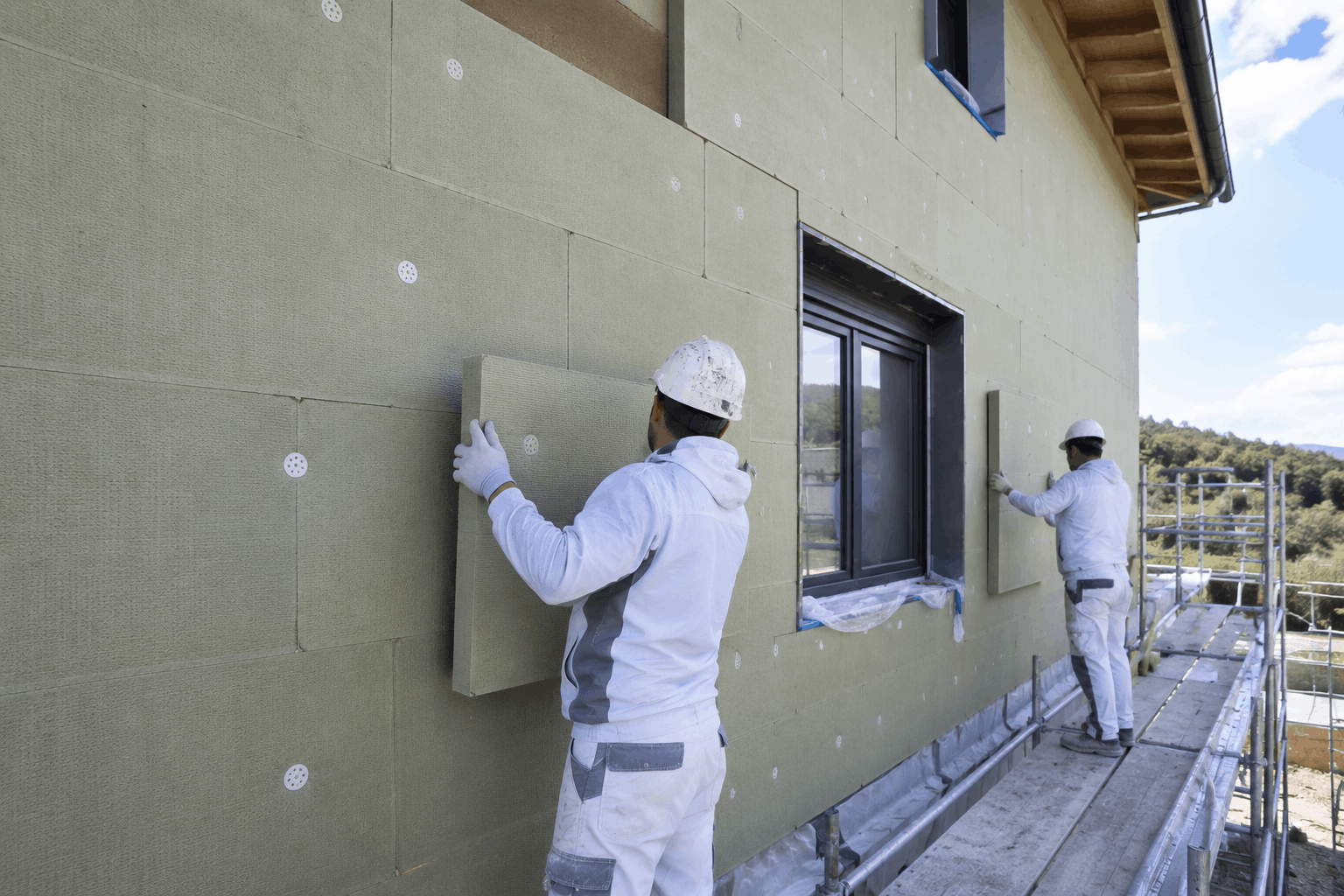
This is achieved through five key elements: superior insulation, airtight construction, high-performance windows, thermal bridge-free design and mechanical ventilation with heat recovery.
Energy savings come from the way the building manages heat and airflow. Superior insulation keeps warmth inside during winter and outside during summer. Airtight construction prevents drafts and heat loss. High-performance windows control solar gain and retain indoor temperature. Thermal bridge-free design ensures heat doesn’t escape through weak points in the structure. Mechanical ventilation with heat recovery supplies fresh air while capturing warmth from outgoing air.
Together, these features mean the building relies far less on heaters, air conditioners or other energy-hungry systems, significantly cutting electricity use and associated emissions.
How passive houses support Australia’s Net Zero Plan
The built environment – our homes, offices and public buildings – is responsible for one third of Australia’s emissions. Cutting this figure is essential to meeting national targets. The government’s Built Environment Sector Plan highlights the importance of improving energy efficiency and electrification. Passive houses in Australia align closely with that approach.
When combined with rooftop solar panels, a passive house design can even achieve net-zero energy performance – generating more energy than it uses. In this way, passive home building supports the transition to clean electricity while reducing strain on the grid.
Economic benefits beyond emissions
The Net Zero Plan emphasises that Australia’s transition must grow the economy while reducing cost pressures on households and businesses. Passive house designs in Australia deliver on both fronts. While upfront construction costs are typically 5–10% higher than conventional builds, the lifetime savings on energy bills far outweigh this initial investment.
For Australian families facing cost-of-living pressures, a passive home builder can create a dwelling with dramatically lower running costs. Energy bills can be reduced by thousands of dollars annually – money that flows back into household budgets and the broader economy. This aligns with the government’s goal of creating “more liveable, resilient spaces” that support higher living standards.
Growing industry capability
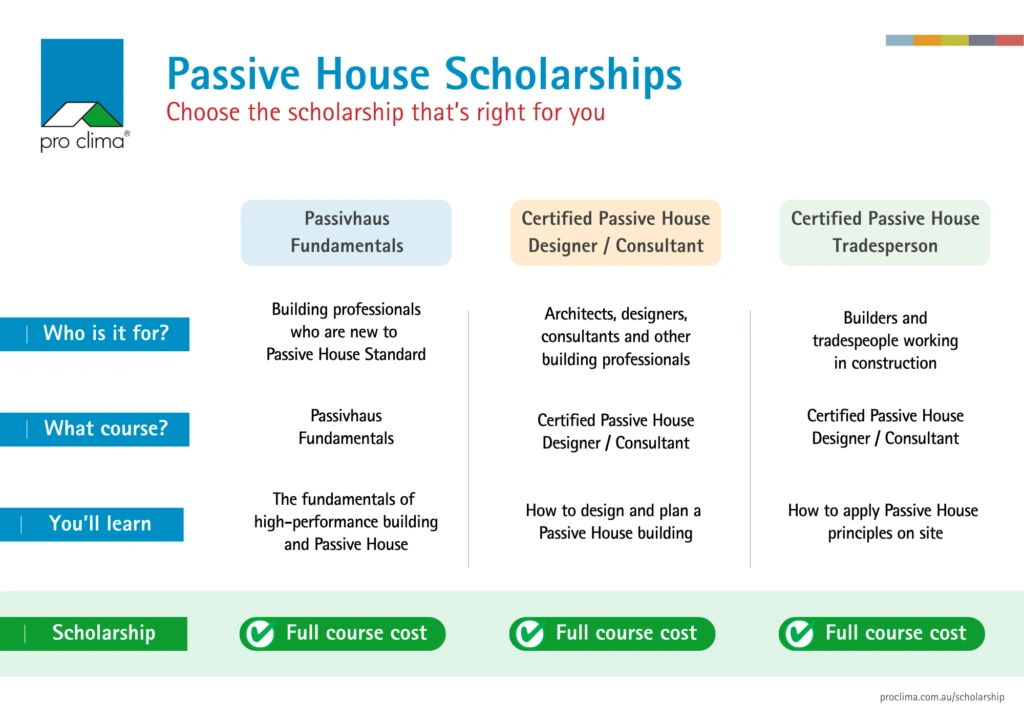
The rise of passive house builders across Australia is creating new employment opportunities and strengthening the building sector’s capability. Training programmes for passive house designers in Australia are expanding, equipping professionals with skills that will be increasingly valuable as building standards tighten and consumer awareness grows.
As more passive house builders enter the market, competition and innovation are helping drive down costs while improving quality. This creates a positive cycle – more skilled trades, better design outcomes and greater affordability for homeowners.
Passive design as part of the bigger picture
Meeting Australia’s 2035 emissions reduction target isn’t only about large-scale infrastructure or renewable energy projects. It’s also about small, local choices that add up to big results. Building and retrofitting homes to passive house design standards can play a major part in reducing energy demand and improving resilience across communities.
By investing in passive house designs, Australia can cut emissions while improving everyday living conditions. Cooler summers, warmer winters, quieter interiors and lower bills make these homes practical as well as sustainable. They also support the government’s broader Net Zero Plan by strengthening the clean economy and creating jobs for passive house builders and design services.
The transition to net zero will take time and coordinated effort. But as more Australians see the benefits of passive home building, it’s clear that the movement toward energy-smart housing isn’t just an environmental goal – it’s an economic and social opportunity too.
Frequently Asked Questions
A passive house is built to a strict, measurable performance standard focusing on five key principles: high insulation, thermal-bridge-free construction, airtightness, high-quality windows, and heat recovery ventilation. Unlike a regular energy-efficient home that might only meet minimum building codes, a certified passive house design guarantees an extremely low energy use for heating and cooling, providing superior comfort and air quality.
No, the passive house standard is highly adaptable and has been successfully implemented across all climate zones globally. The principles of superior insulation, airtightness and heat recovery are adapted for the specific local climate, ensuring the building performs optimally whether it needs to keep extreme heat out or keep essential warmth in.
The passive house design principles can be applied to both new construction and major retrofits. When applied to existing buildings, the standard is referred to as EnerPHit. This allows homeowners to upgrade their older properties to achieve a similar level of exceptional energy efficiency and comfort, helping to decarbonise Australia's existing housing stock.