How to build a passive house on a budget
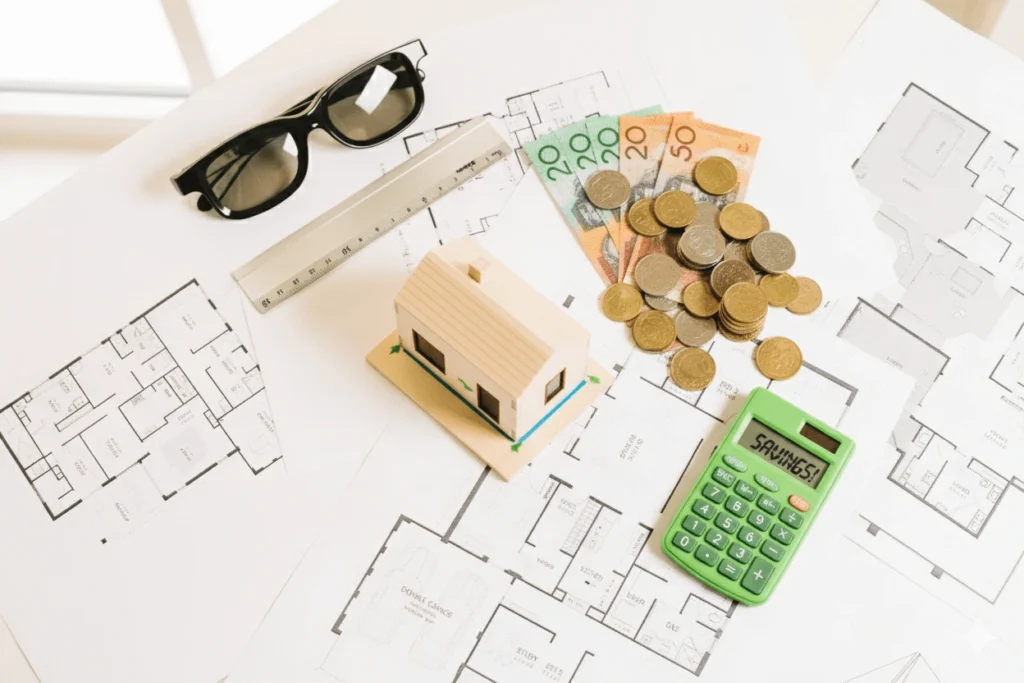
Building a passive house in Australia can seem expensive, but with careful planning, it is possible to create an energy-efficient home without overspending. A passive house design focuses on maximising natural light, reducing heat loss and improving air quality. By following simple principles, you can achieve a comfortable, low-energy home while keeping costs under control.
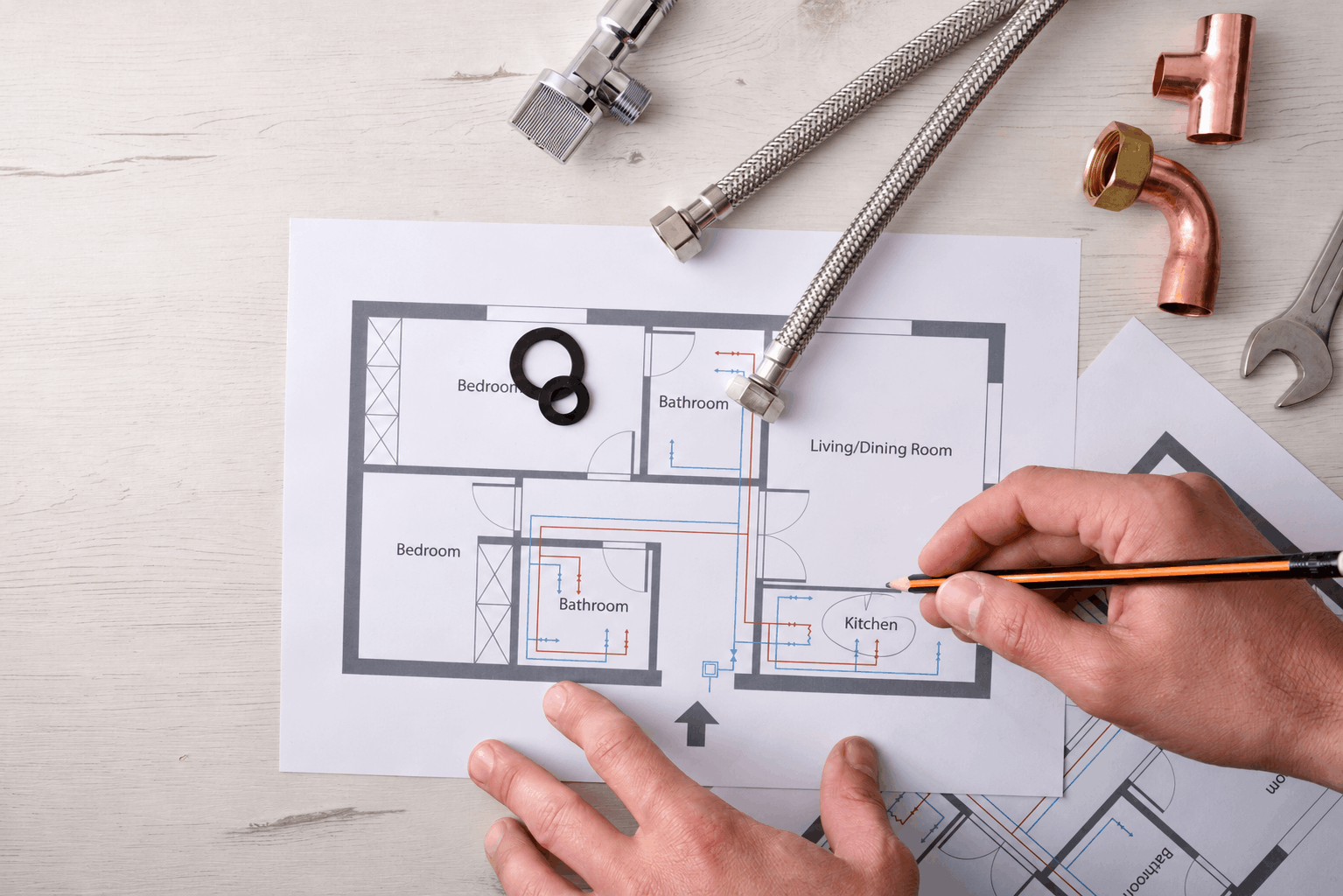
Start with smart planning
The first step to a successful passive home building project is thoughtful planning.
Optimise the form and size
The simplest shape is likely the cheapest to build and the most efficient to heat and cool. Opting for a compact, simple form like a rectangle or cube minimises the ratio of exterior wall area to internal volume.
A complex design with many corners, protrusions and varying rooflines increases the building envelope’s surface area, requiring more materials for insulation, cladding and the air barrier.
When designing a passive house on a budget, aim to build only what you need. Reducing the overall floor area is one of the quickest ways to save money, as it directly cuts costs for everything from the foundation to the roof.
Focus on north-facing orientation and glazing
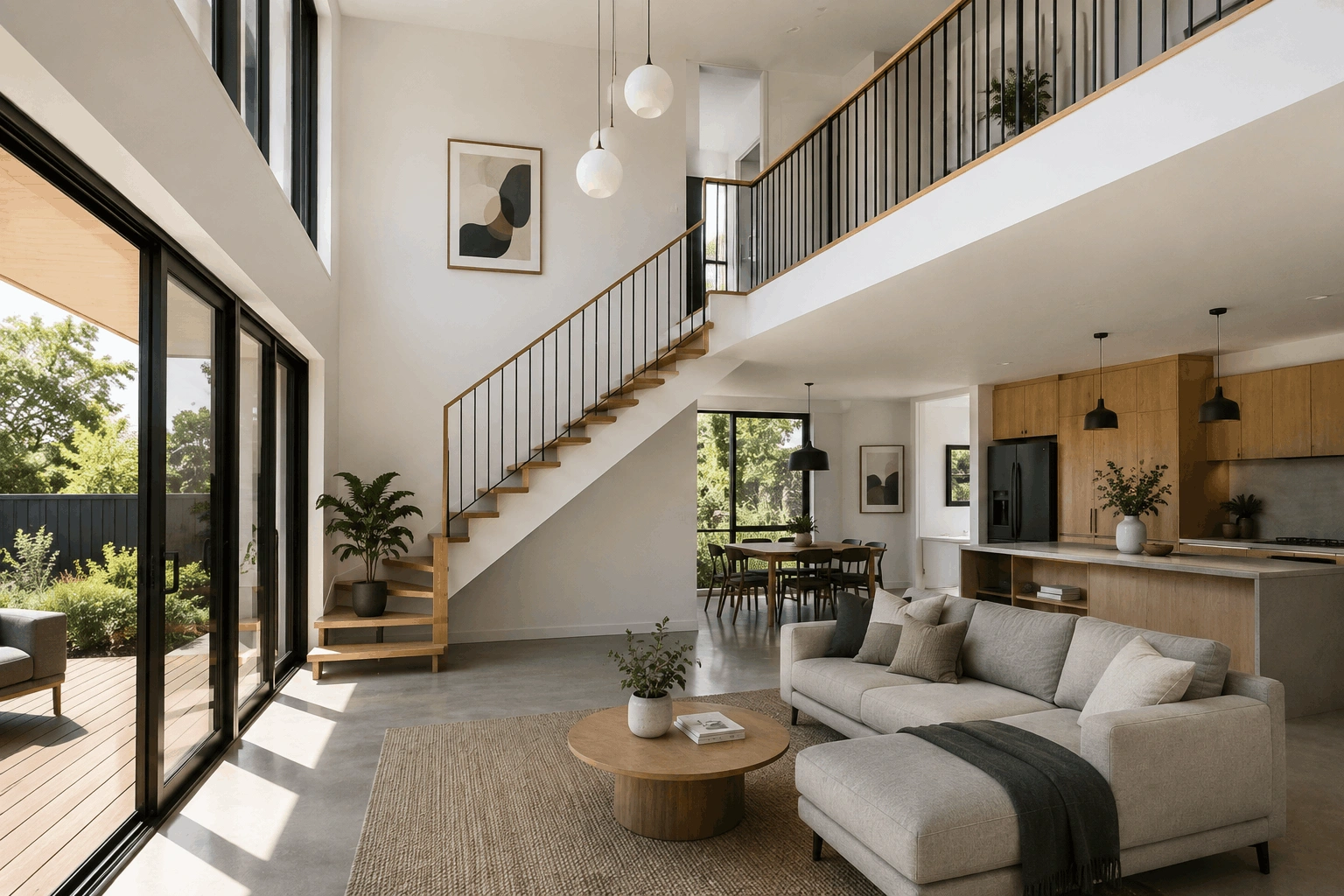
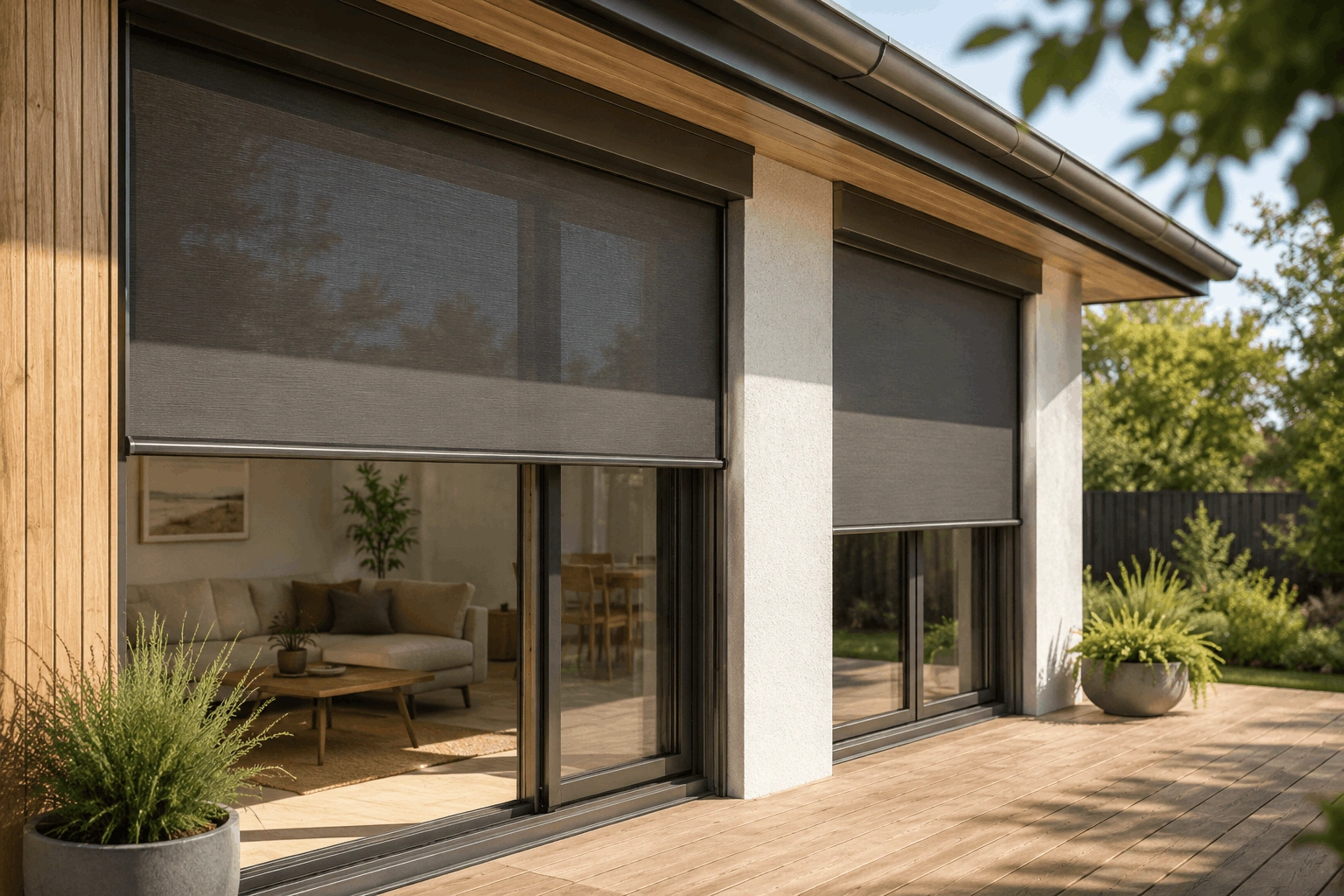
The orientation of your home is free, but crucial for an effective passive house design. Maximise windows on the north face (in Australia) to benefit from passive solar gain in winter, but use deep eaves or other shading to block the high summer sun.
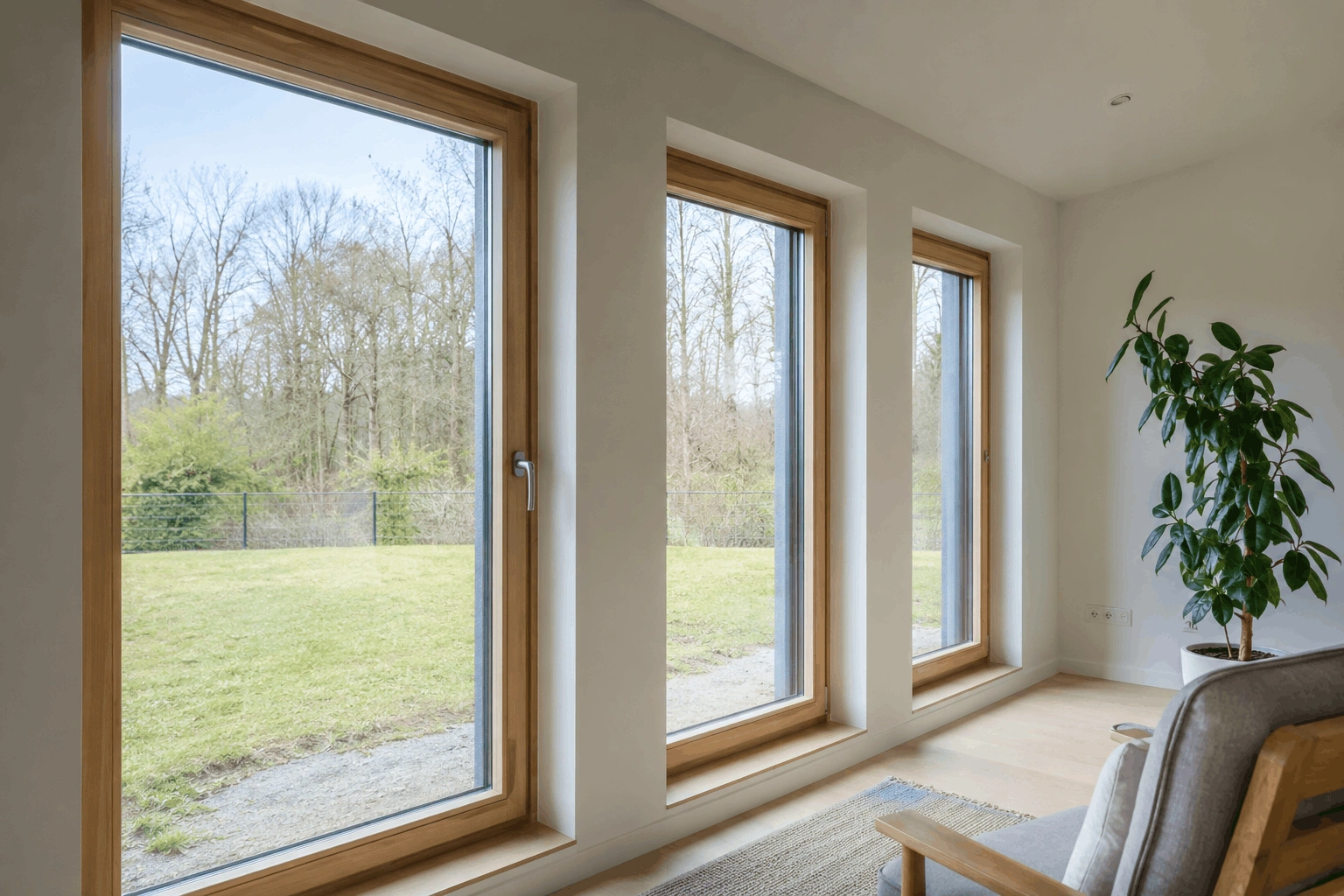
Conversely, minimise and carefully size glazing on the east and west faces to prevent overheating. High-performance triple-glazed windows and doors are a significant part of the passive house process, so getting the glazing-to-floor-area ratio right is vital. A skilled passive house designer or architect will model these choices to find the sweet spot between daylight, performance and cost.
Passive house principles on a budget
The Passive House standard is defined by five main principles: super insulation, airtightness, thermal bridge-free construction, high-performance windows and a ventilation system with heat recovery (MVHR). You can’t compromise on the performance targets, but you can be strategic with materials and methods.
Prioritise the envelope
The building envelope (the floor, walls and roof) is the most important investment. To reduce costs, consider locally common building methods. In Australia, this is often timber frame construction.
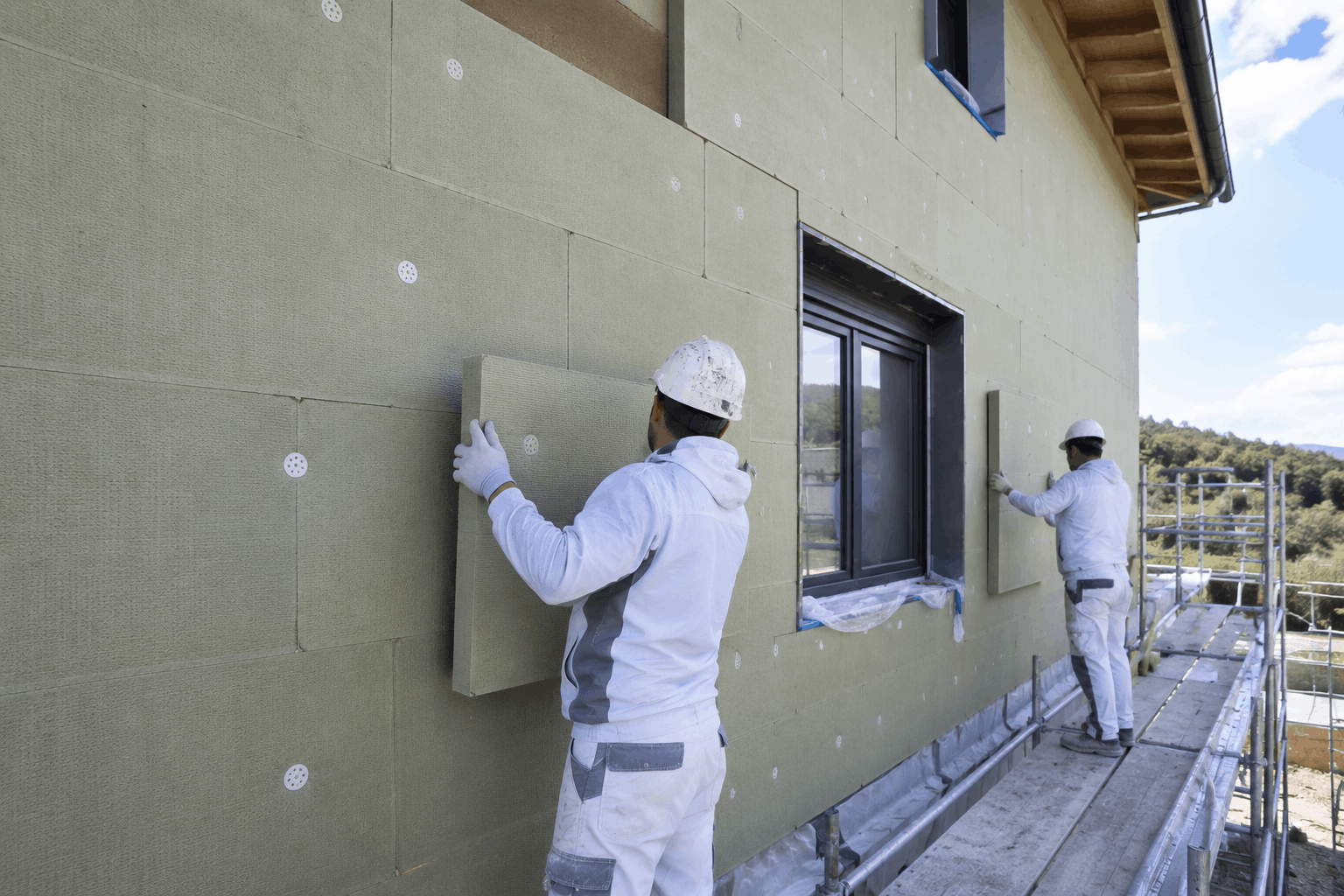
A knowledgeable passive home builder can achieve the super-insulated and airtight performance using readily available materials like standard structural timber combined with high-performance membranes and thicker layers of cost-effective insulation, such as cellulose or certain types of foam. The key is continuous insulation and meticulous detailing to ensure airtight construction.
Be smart about windows and doors
High-quality windows are often the largest single expense. While triple glazing is usually required for colder climates, some climate zones in Australia may allow for certain high-performance double-glazed units. Work with your passive house designer in Australia to specify locally sourced, certified components.
Buying windows and doors from European suppliers, despite the initial appeal, can sometimes lead to expensive issues with shipping, customs and on-site assembly, so weigh up the costs carefully.
Focus on airtightness and insulation
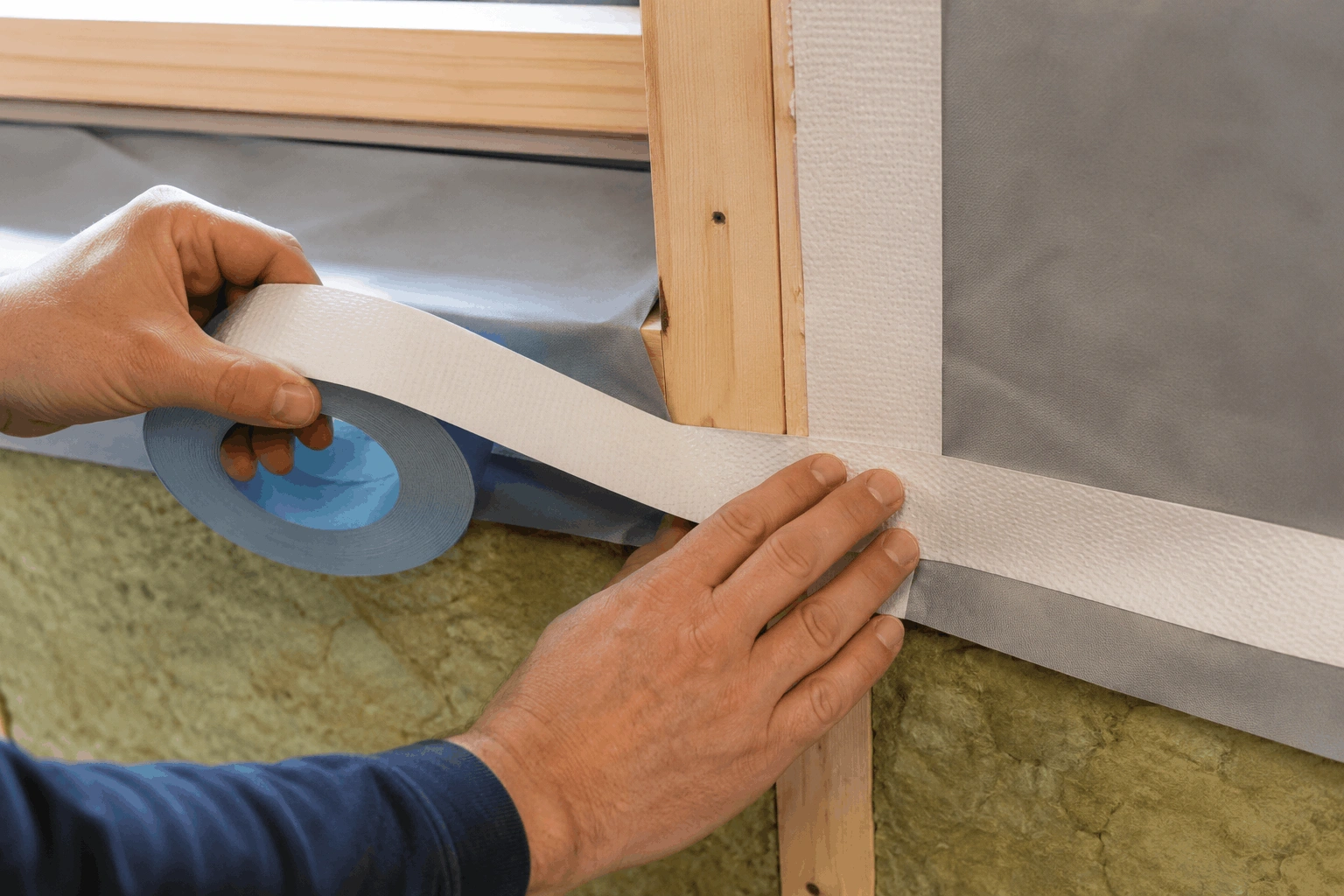
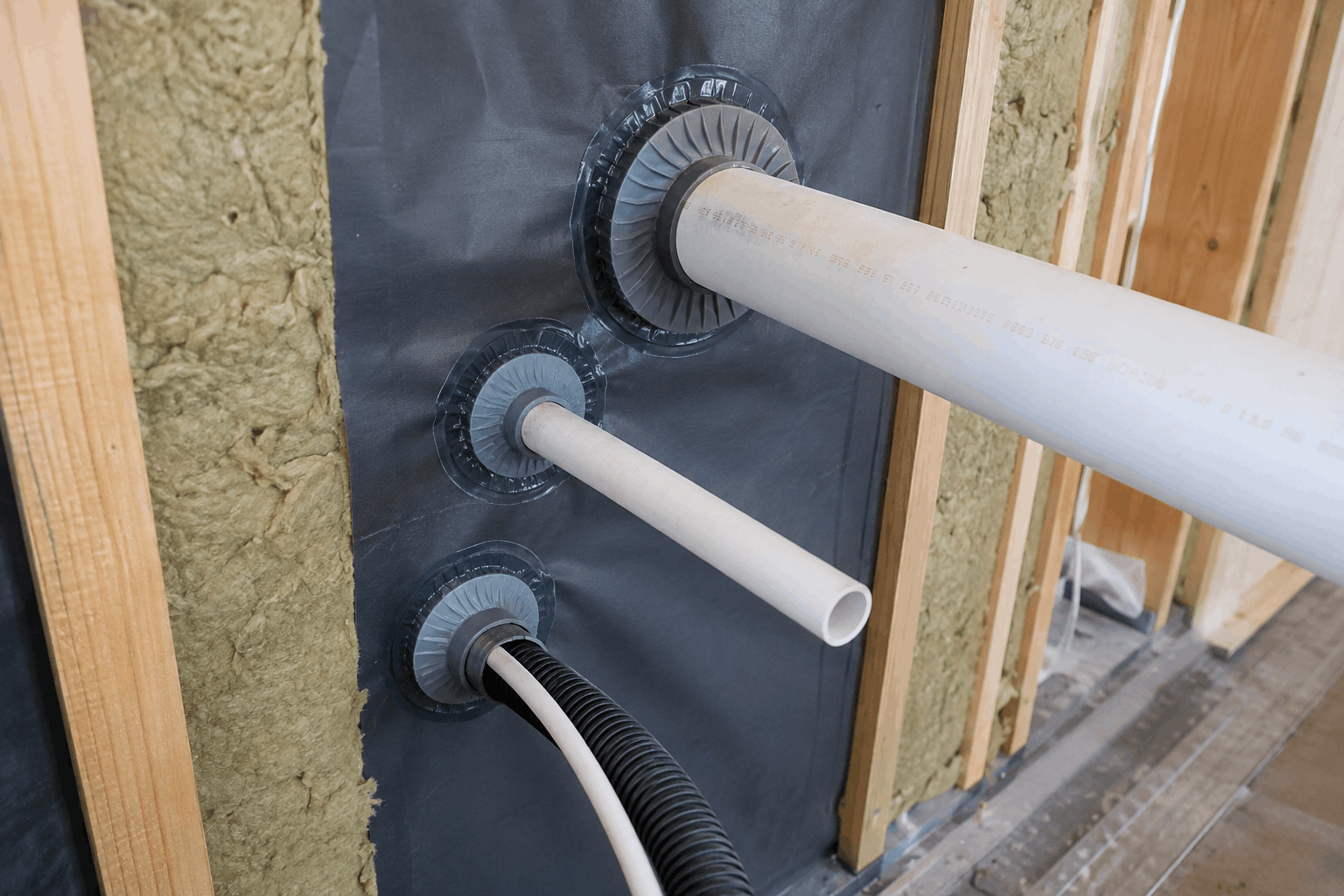
Airtightness is a crucial element of a passive home building project and one of the best areas to save money through careful labour. The materials required for the air barrier – tapes, membranes and sealants – represent only a small fraction of the overall build cost. The larger investment is time and attention to detail during construction.
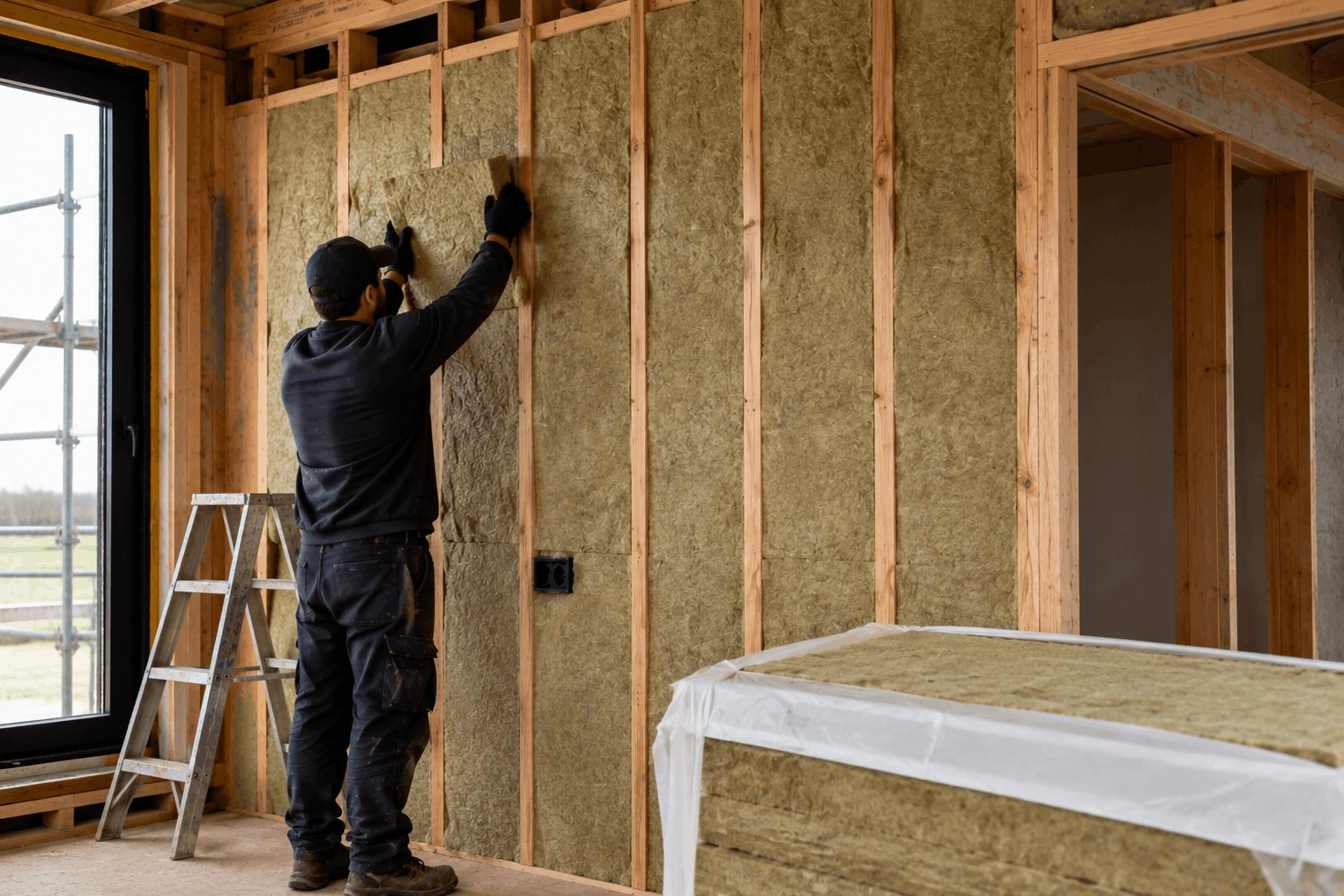
Proper insulation works hand in hand with airtightness, keeping heat in during winter and out during summer. Focus your budget on high-quality insulation for walls, roofs and floors, and ensure windows, doors and joints are well sealed.
Using a careful and experienced passive home builder pays off. Having the airtightness layer inspected and tested early in the build will prevent costly reworks later and ensure your passive house design in Australia performs as intended.
Right-size your mechanical systems
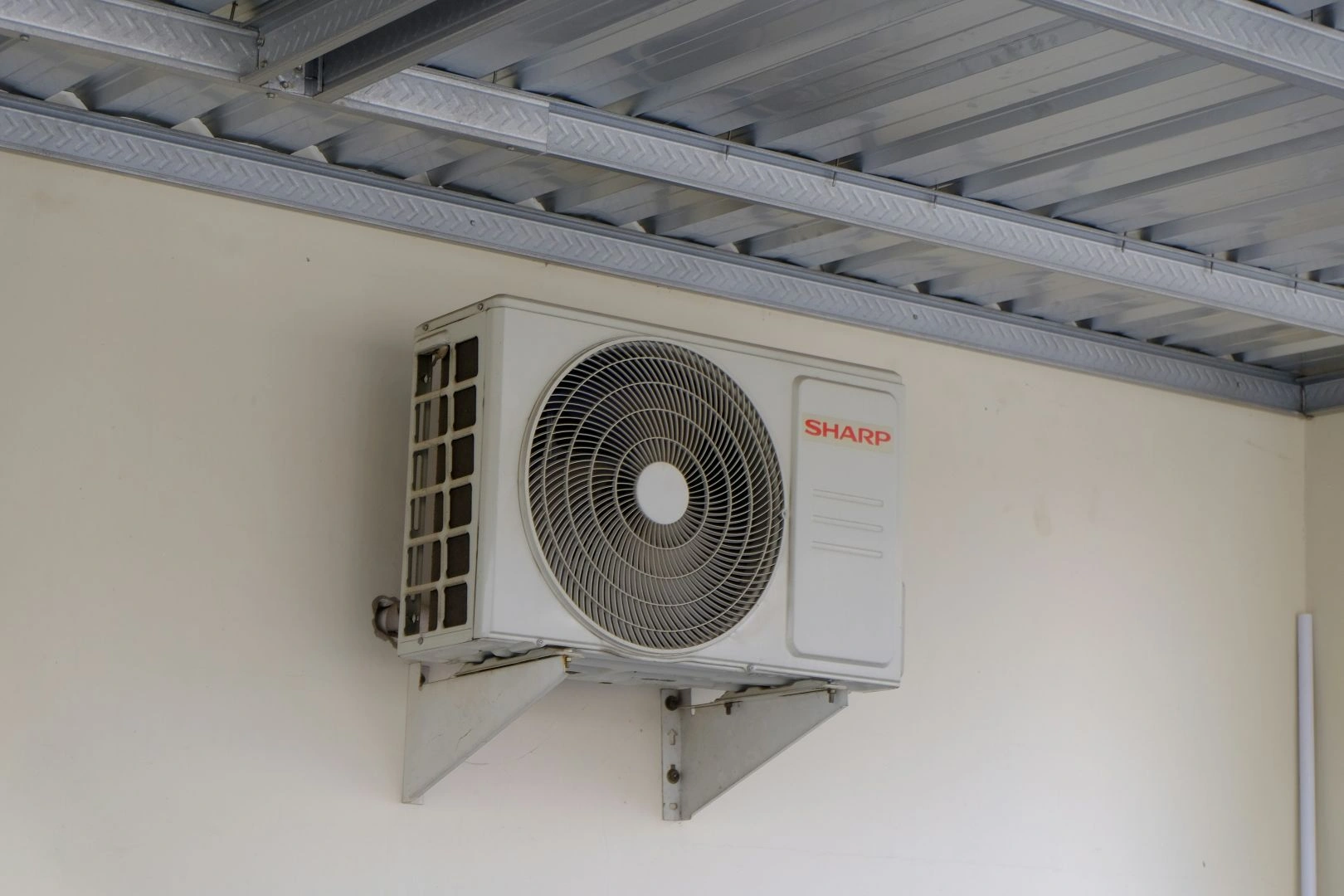
By successfully implementing the other principles, your heating and cooling demands will be very low. This means you can install a much smaller, less expensive heating and cooling unit–often a single small reverse-cycle air conditioner is all that’s needed to back up the system. This saving on mechanicals can help offset the cost of the MVHR unit and high-performance windows, reducing the overall passive house premium.
Consider owner-builder options
If you have time and some construction knowledge, owner-building certain aspects can reduce costs significantly. Even managing the project while subcontracting specialised tasks can save on margins. However, you also need to be realistic about your abilities, particularly regarding airtightness details that are critical to passive house performance.
Building a passive design house on a budget requires patience, research and careful decision-making, but it’s entirely achievable. The long-term benefits of dramatically reduced energy bills, superior comfort and environmental sustainability make the effort worthwhile.
Frequently Asked Questions
Initial construction costs for a passive house typically run 5–15% higher than conventional building, though this premium is decreasing as techniques become more mainstream. However, the investment pays back through energy savings, often within 7–10 years, depending on energy prices and climate zone.
No, you can still build a highly energy-efficient passive house using the same principles without getting official certification. However, certification is a quality assurance process that provides independent proof that the stringent performance targets have been met. It can also be a valuable selling point and provide certainty that your build is correct.
Full passive house certification through retrofitting can be challenging and expensive, but you can implement passive house principles gradually. Start with improving insulation, upgrading windows and addressing air leakage. These improvements deliver significant benefits even without achieving full certification.