Passive house interior design ideas
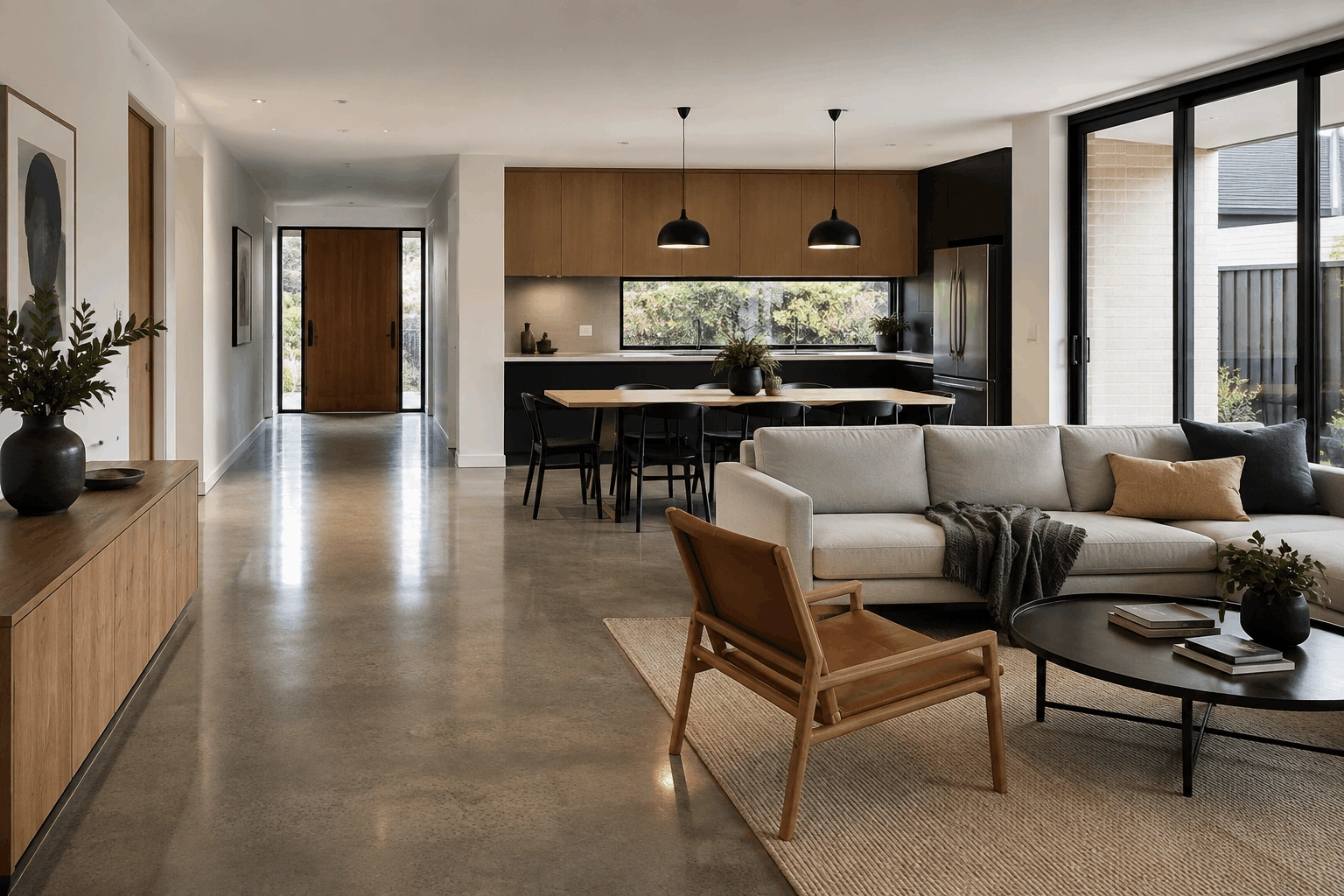
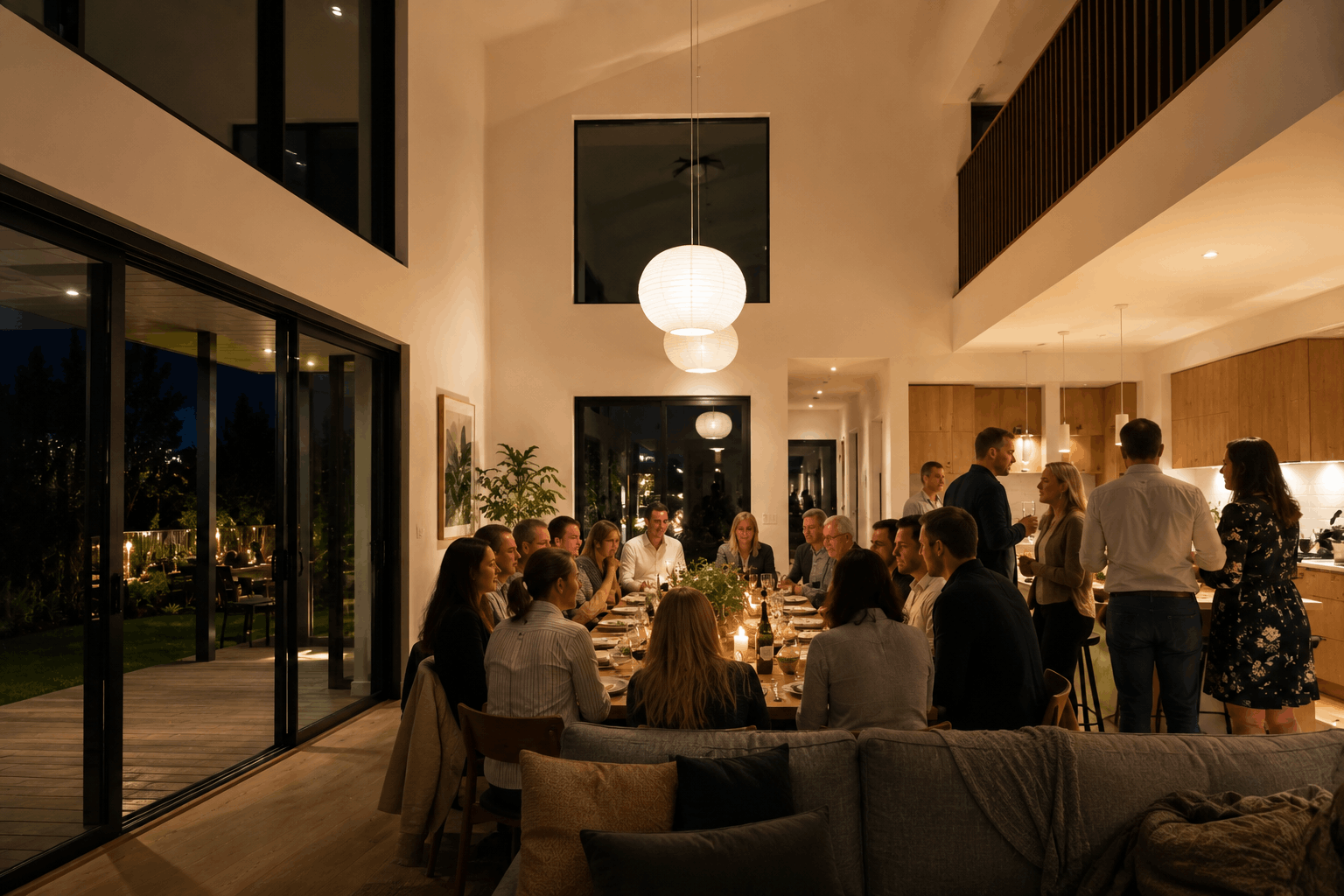
Living sustainably doesn’t mean compromising on style. The interior design of a passive design house plays an important role in making the home comfortable, stylish and functional. Thoughtful choices in lighting, layout and materials can complement the principles of passive building design while creating a warm and welcoming space.
Plan for natural light and ventilation
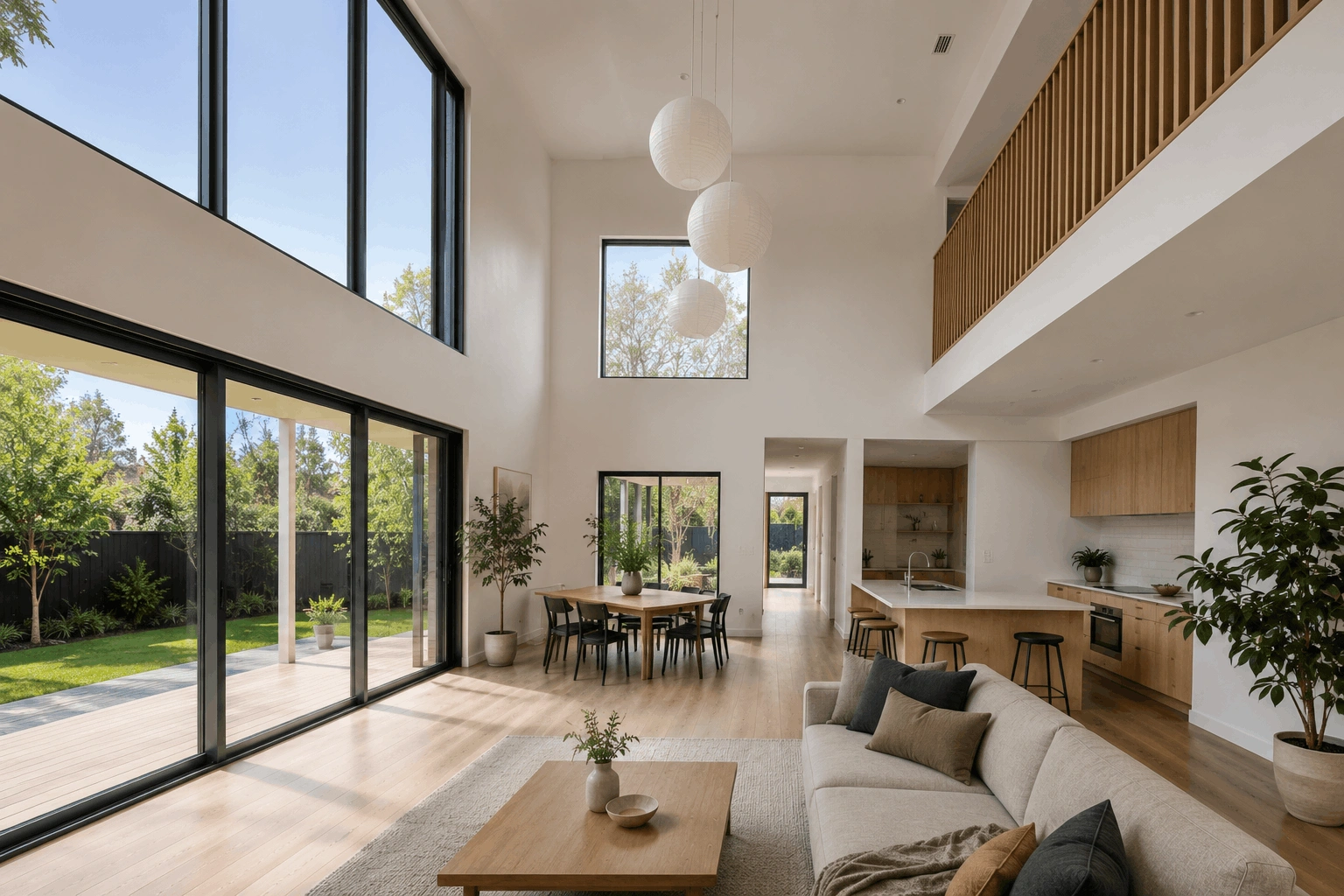
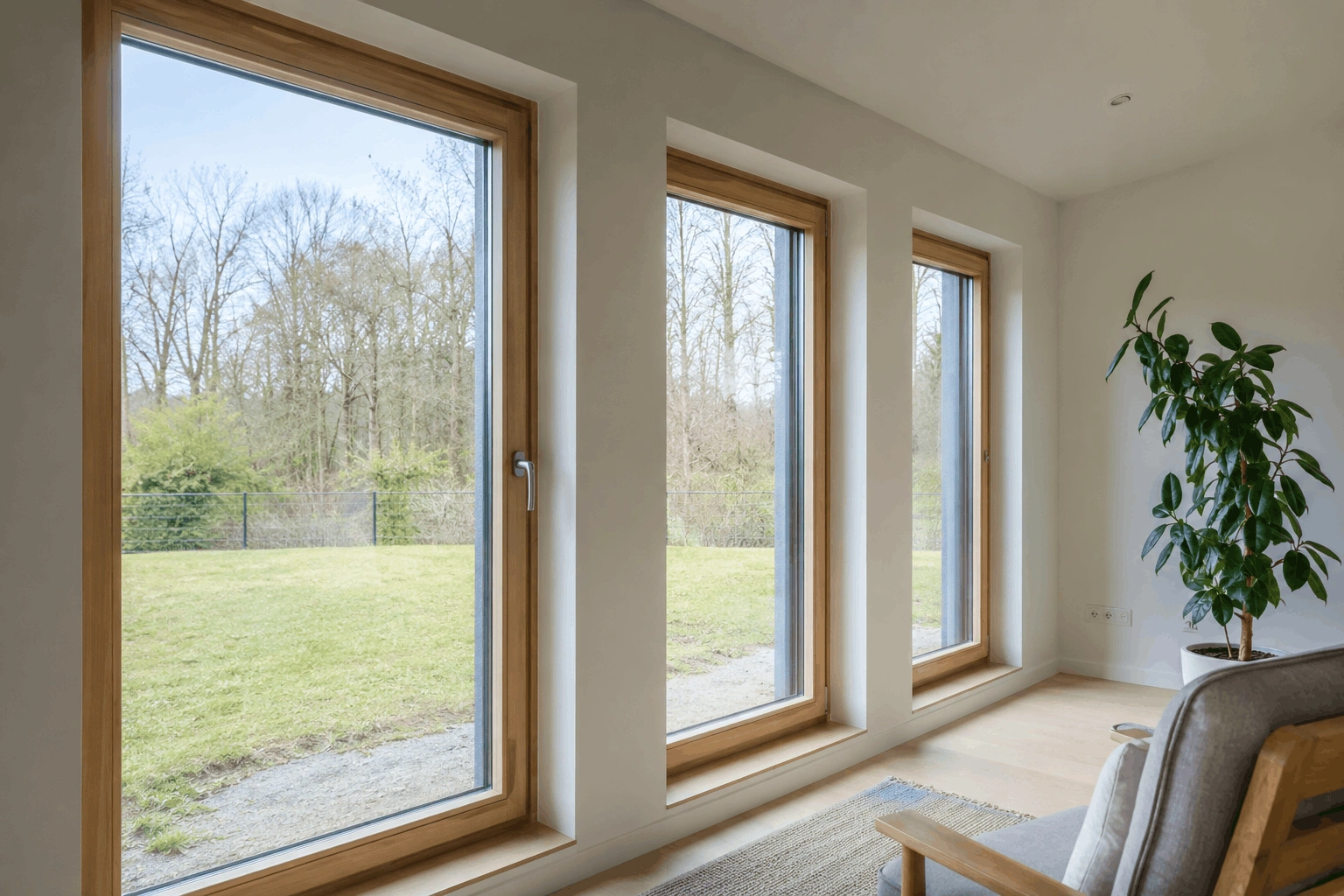
A key principle in passive home building is maximising natural light. Large, well-placed windows let in sunlight to heat rooms naturally in winter while reducing the need for artificial lighting. In summer, shading devices or carefully positioned blinds prevent overheating.
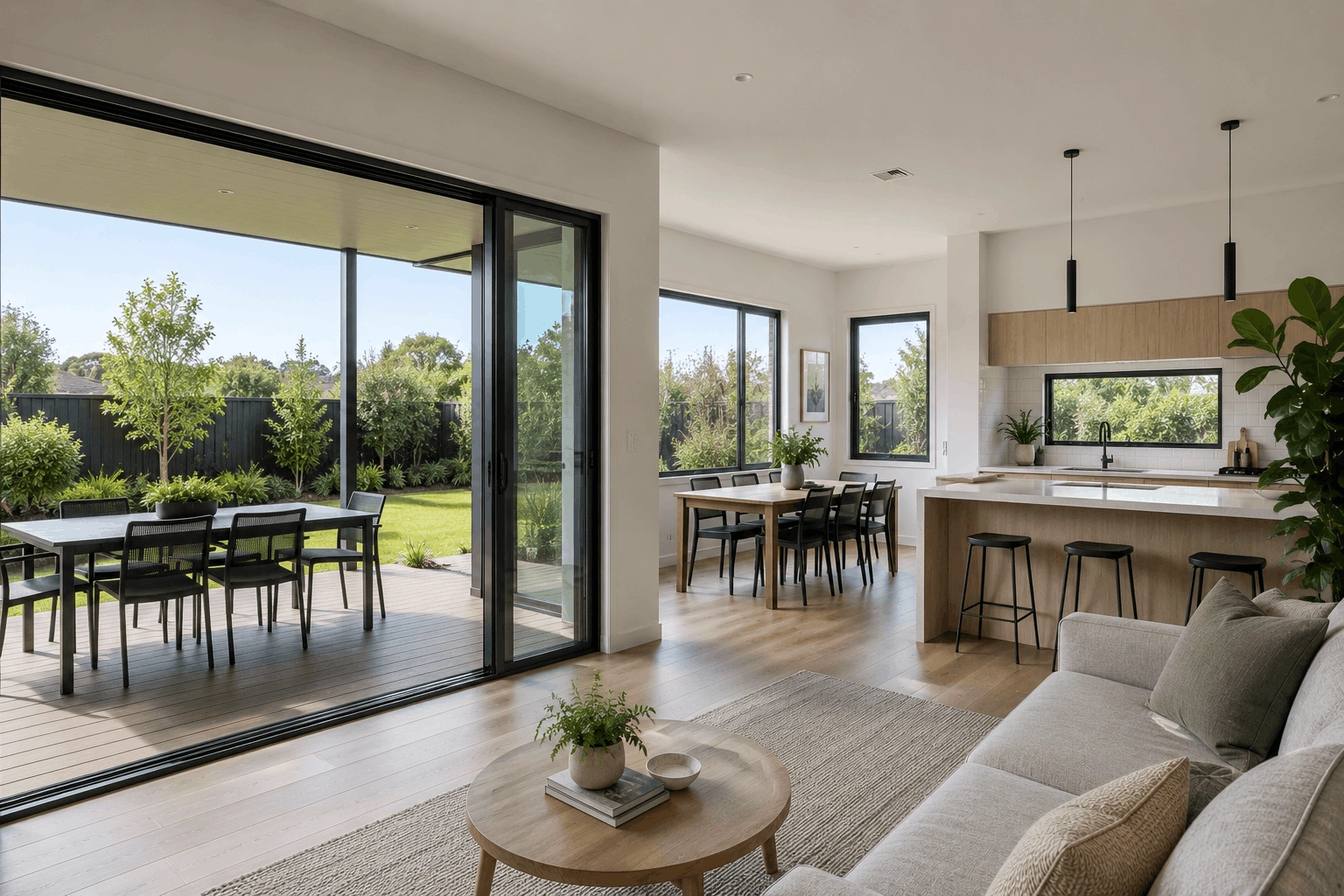
When designing a passive house, consider the orientation of living areas so that spaces you use most benefit from daylight. Open-plan layouts work well to allow light to travel freely from one room to another and support natural ventilation throughout the home.
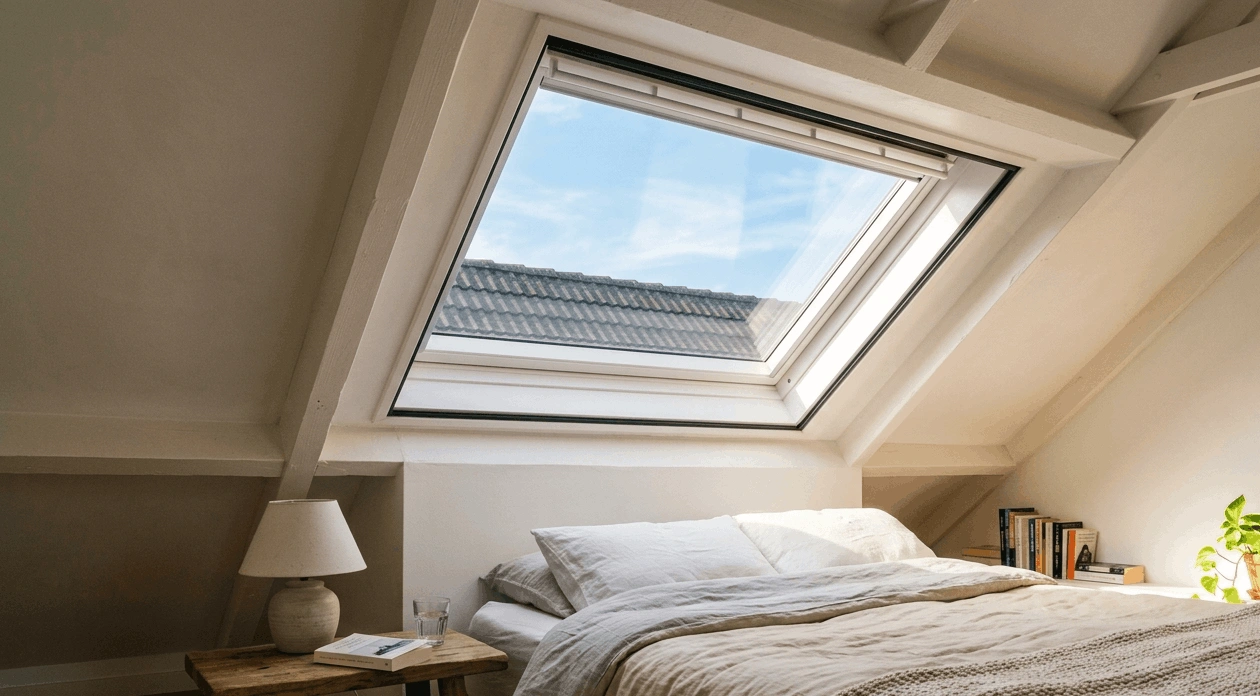
Consider skylights and clerestory windows in areas like hallways or bathrooms where privacy isn’t a concern. These features bring natural light into spaces that might otherwise require artificial illumination during the day.
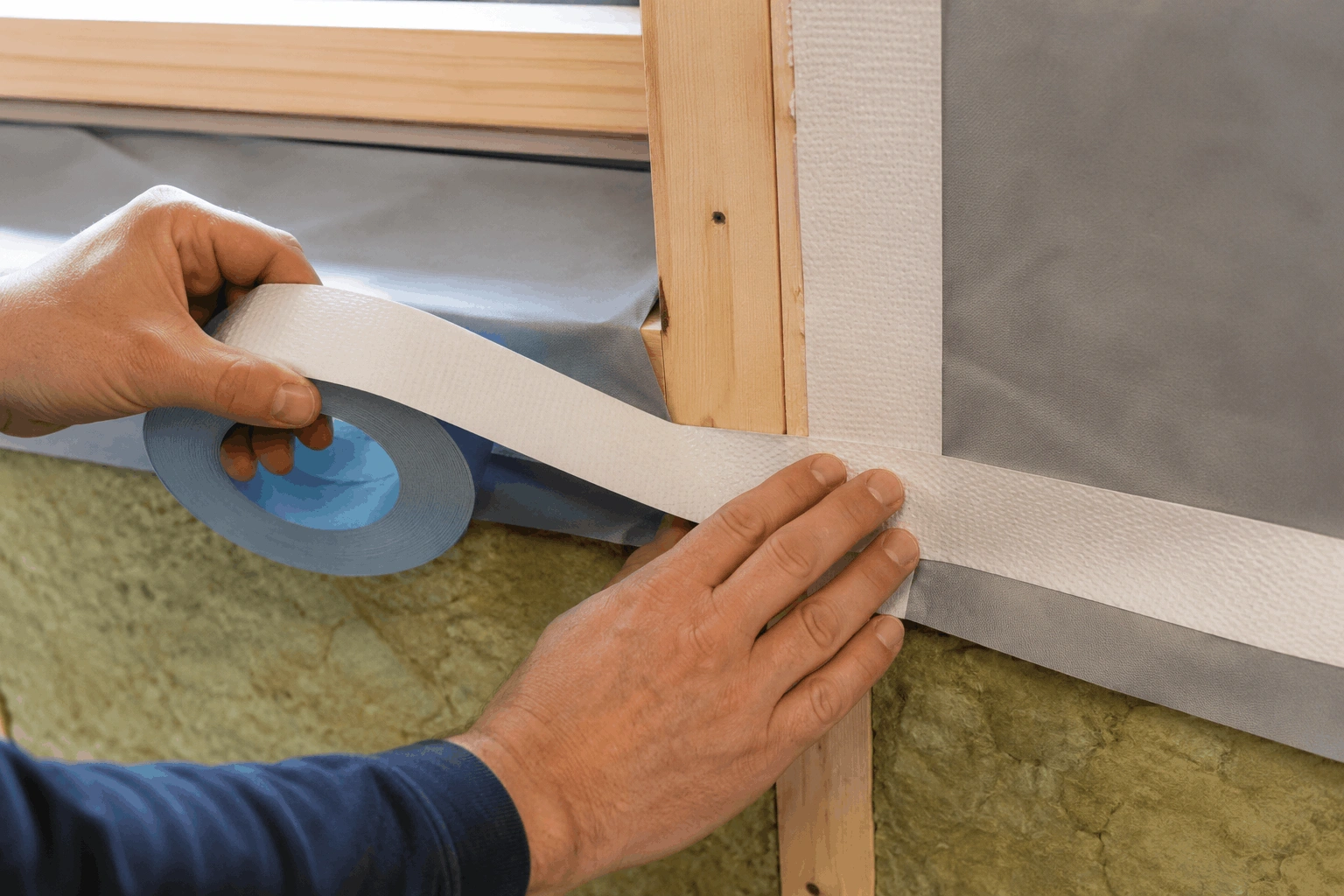
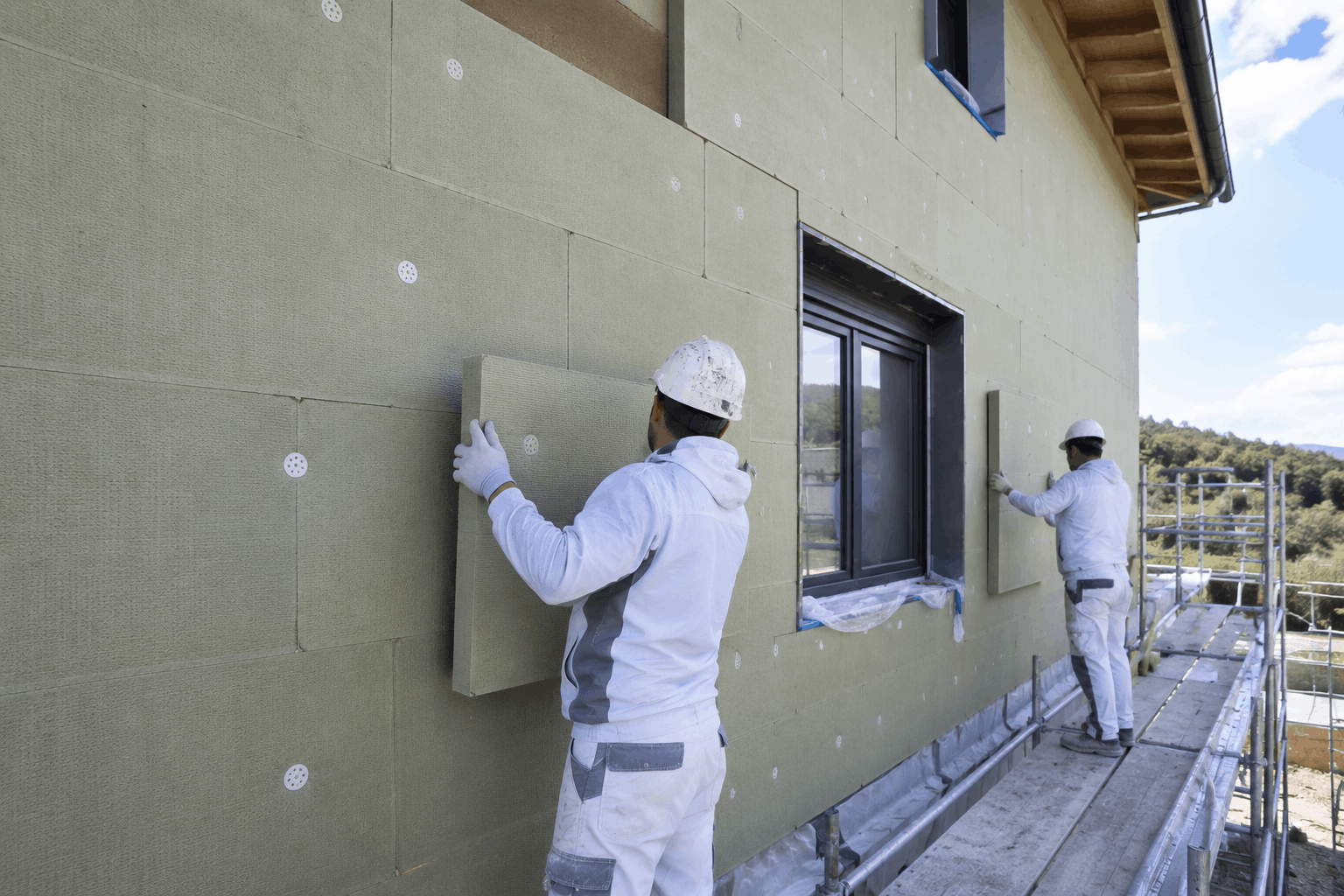
But, as one of the key principles of passive house design is thermal-bridge free construction, take care to ensure that window placement, frames and glazing do not create weak points in the building envelope.
Additionally, high-performance windows with insulated frames and double or triple glazing help maintain a consistent indoor temperature while still allowing abundant natural light.
Choose materials that support performance
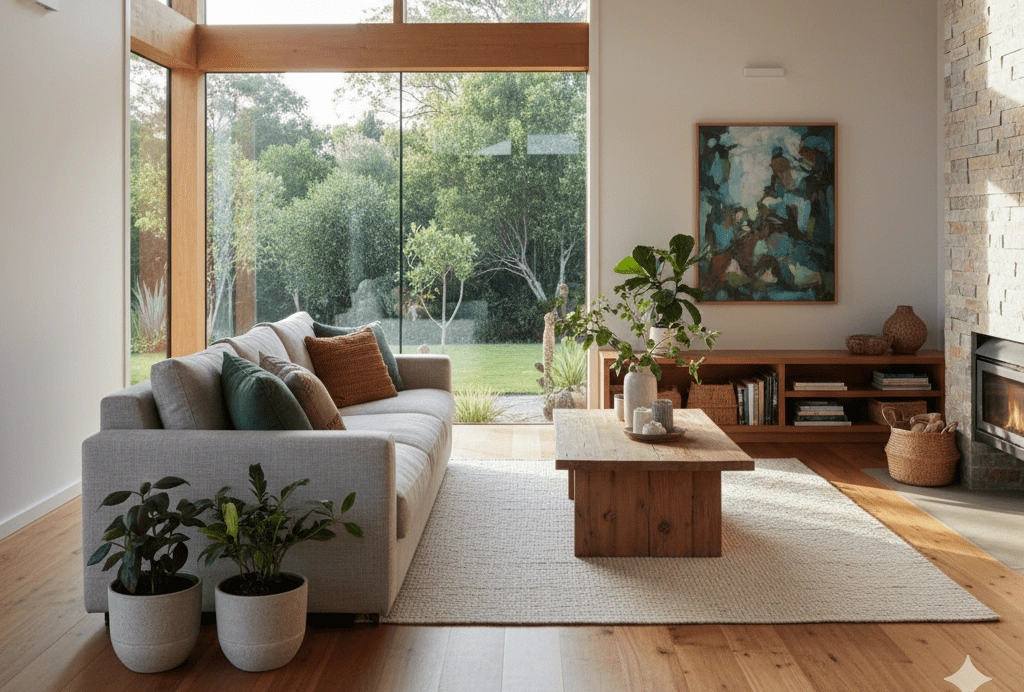
Passive building design benefits from interior materials that don’t compromise the building envelope’s performance. Natural materials like timber and stone work well in passive house interiors while still supporting the home’s environmental goals.
Timber flooring – whether solid hardwood or engineered boards – provides warmth and durability. The stable interior temperatures in passive house designs mean timber experiences less expansion and contraction, reducing maintenance needs.
For walls, consider natural plasters, limewash paints or low-VOC finishes that support healthy indoor air quality. These materials breathe naturally and don’t introduce harmful chemicals into the tightly sealed interior environment.
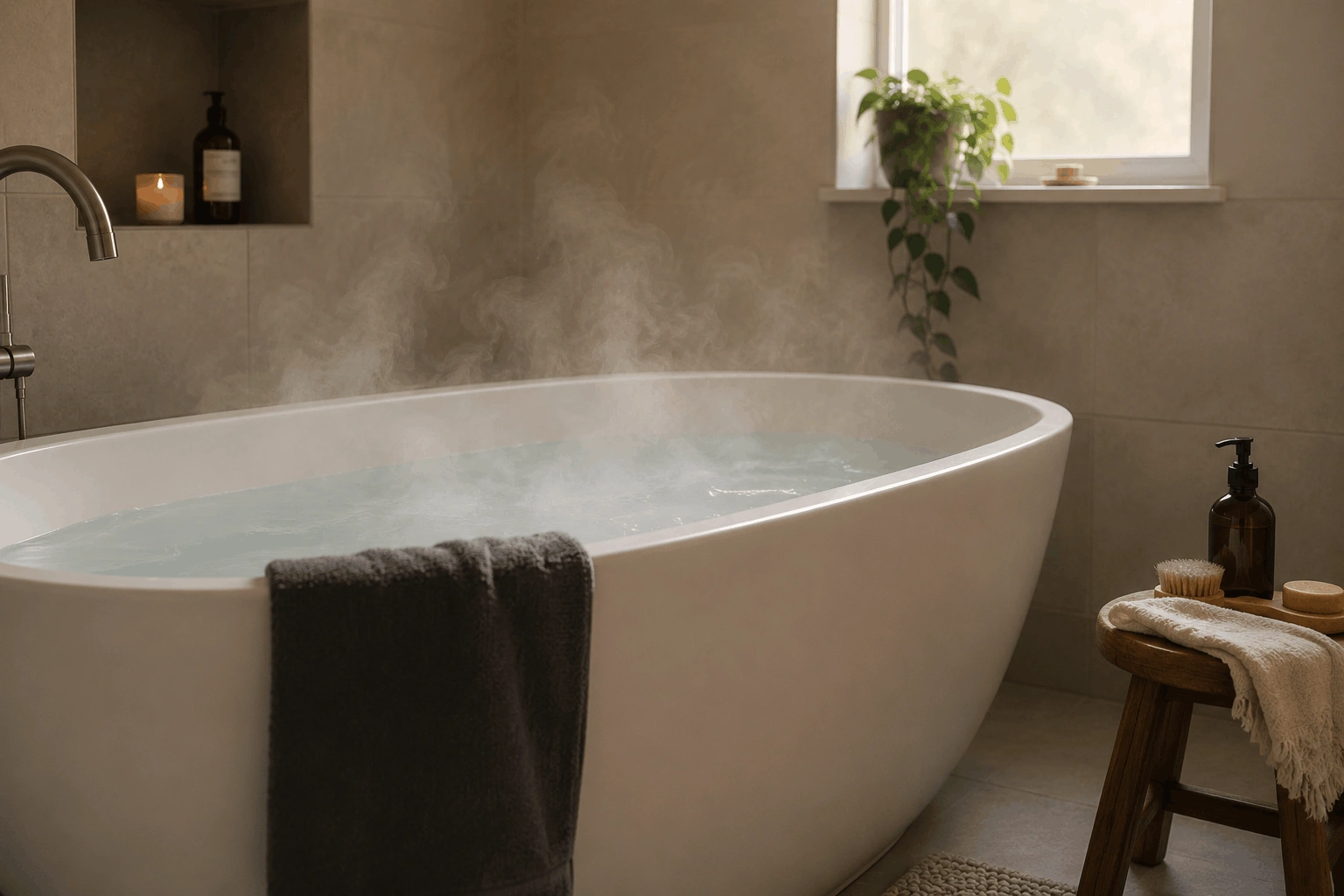
Stone or ceramic tiles work particularly well in areas like kitchens and bathrooms, providing thermal mass that helps moderate internal temperatures whilst offering practical, long-lasting surfaces.
Create a comfortable thermal environment
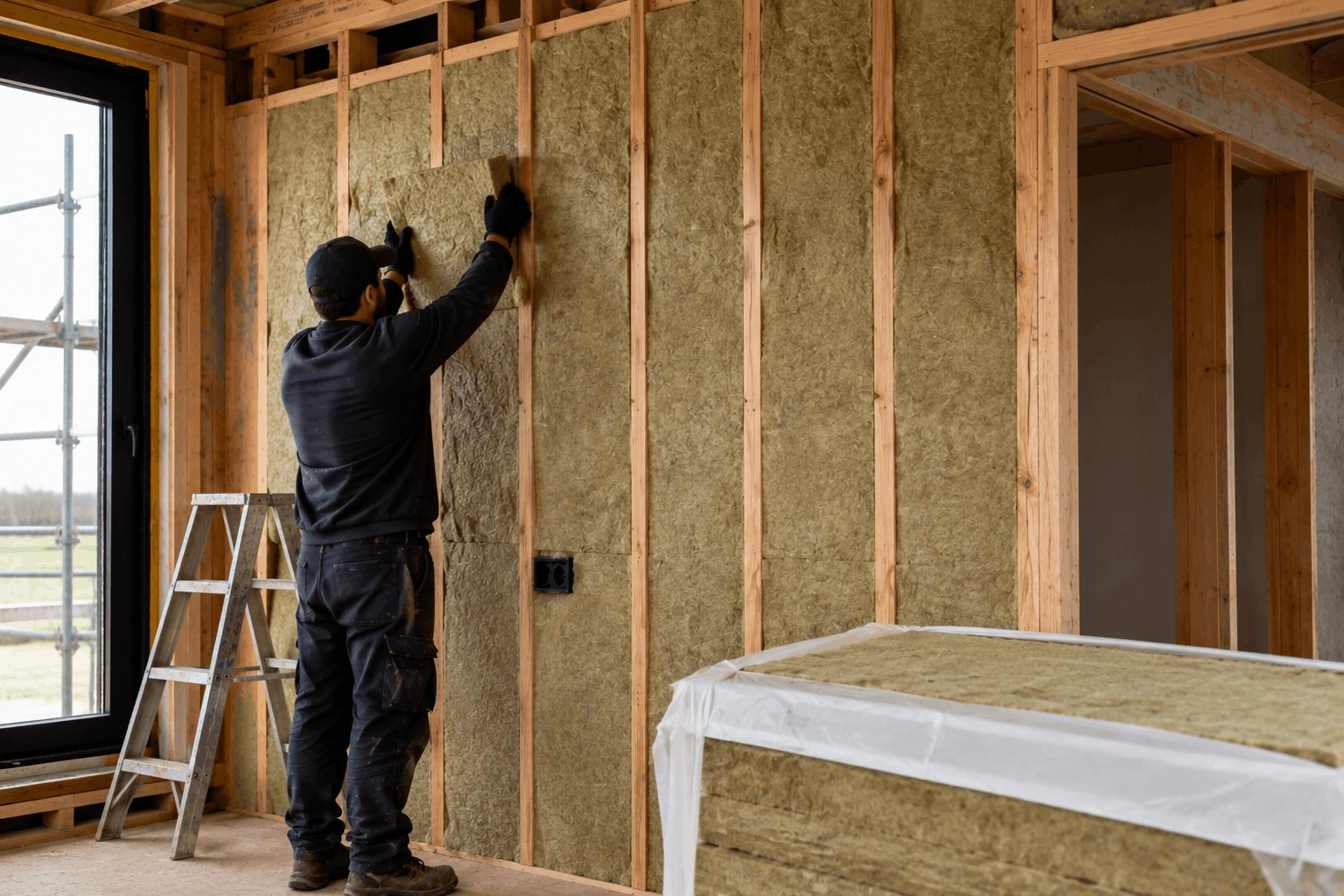
A passive house builder will design walls, roofs and floors to retain heat in winter and stay cool in summer. The interior layout should support this by allowing heat to move naturally through rooms.
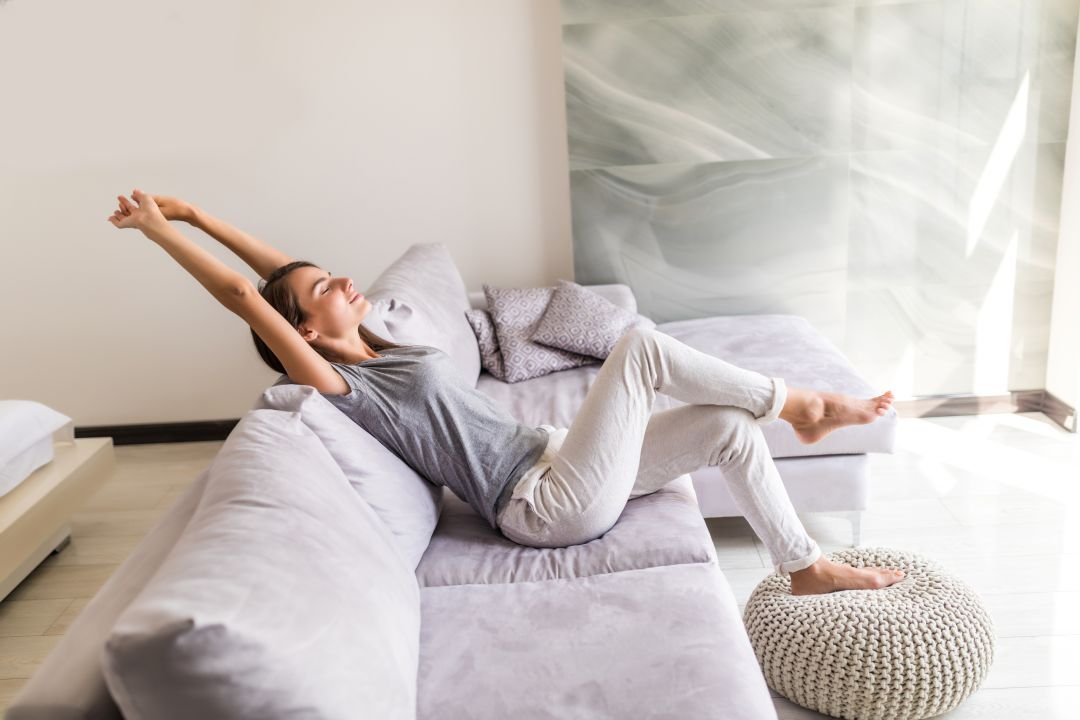
Rugs and soft furnishings can provide additional comfort and warmth. Seating areas near sun-facing windows make the most of natural heat, while cross-ventilation strategies help keep bedrooms and living areas cool when the weather is hot.
Passive home building focuses on maintaining stable temperatures, so interiors should support this with thoughtful positioning of furniture and storage.
Use natural colours and textures
The visual design of a passive design house can play an important role in creating a sense of calm and balance. Many people find that neutral colour palettes, natural timber finishes and textured fabrics bring warmth and softness to interiors. These kinds of choices can make your passive house in Australia feel inviting and comfortable, while also working with the home’s energy-efficient features.
Focus on energy-efficient lighting and appliances
While a passive design house relies largely on natural light, interior lighting remains important. LED lights and energy-efficient appliances reduce electricity use and align with the sustainability goals of passive home building.
You can also consider integrating smart technology like motion sensors, dimmers and timers to ensure lighting is only used when needed.
Selecting appliances that meet high energy standards supports the overall performance of a passive house design and keeps running costs low.
Connect interior design with outdoor spaces
A key part of passive house design in Australia is its integration with the landscape. Decks, patios and gardens positioned to capture sunlight provide additional living space and extend the indoor comfort outdoors. Large sliding doors or windows connect the interior and exterior, allowing light and fresh air to flow through the home.
Additionally, you can work with a landscaper experienced in Australian passive house design to provide shade and boost the insulation of your home. This can further improve its energy performance.
Indoor plants can bring elements of the outdoors inside, improving air quality and adding a sense of calm to living spaces. Positioning plants near windows or in sunlit corners complements the natural light strategies of a passive house. Greenery also softens interiors, adding warmth to the home.
Work with passive house designers in Australia
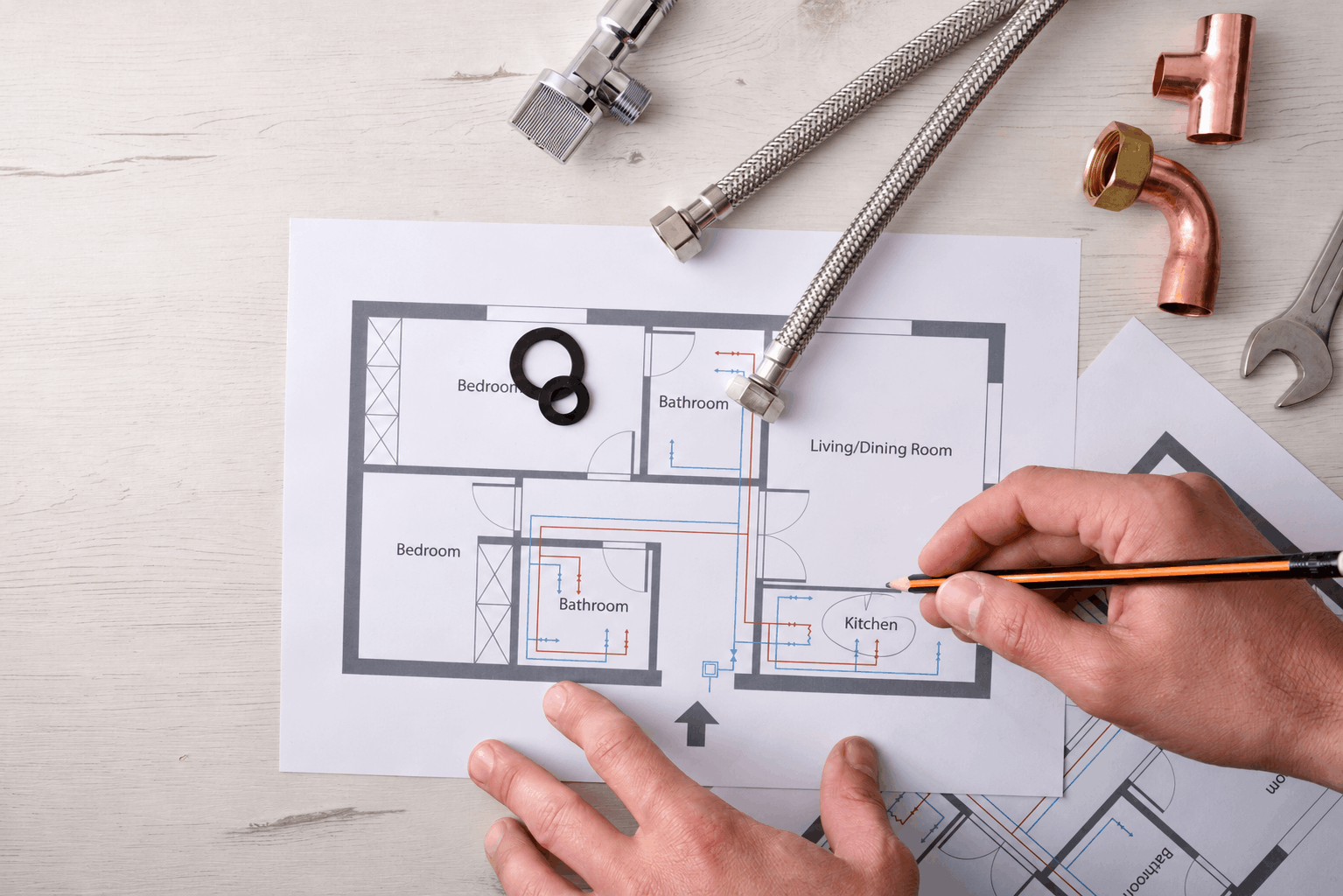
In addition to your passive house builder and architect, an experienced interior designer or space planner can help ensure the decisions you make inside your home will support the passive design principles.
They can advise on layouts that maximise natural light and airflow, select materials and finishes that maintain thermal comfort, and choose furniture and storage solutions that complement the airtight and energy-efficient structure.
Collaborating with specialists early in the process ensures the interiors work with the building’s performance goals, creating a home that is both beautiful and efficient.