How to design a small passive house in Australia
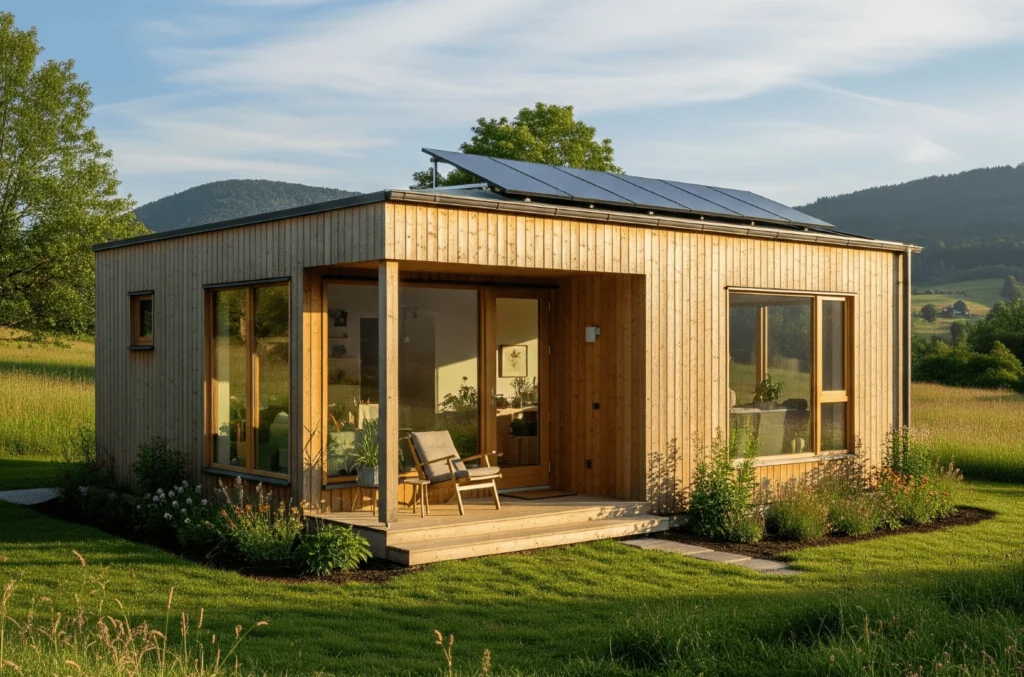
Building a home is often seen as a race for more square footage, but what if smaller is actually smarter?
A small home offers a host of advantages: it’s more affordable to build, cheaper to maintain and easier to clean. When combined with passive house design principles, these benefits are amplified.
By integrating a passive house design into a small home, you can create a space that is not only compact and efficient but also comfortable, healthy and low-energy.
What are the principles of passive house design?
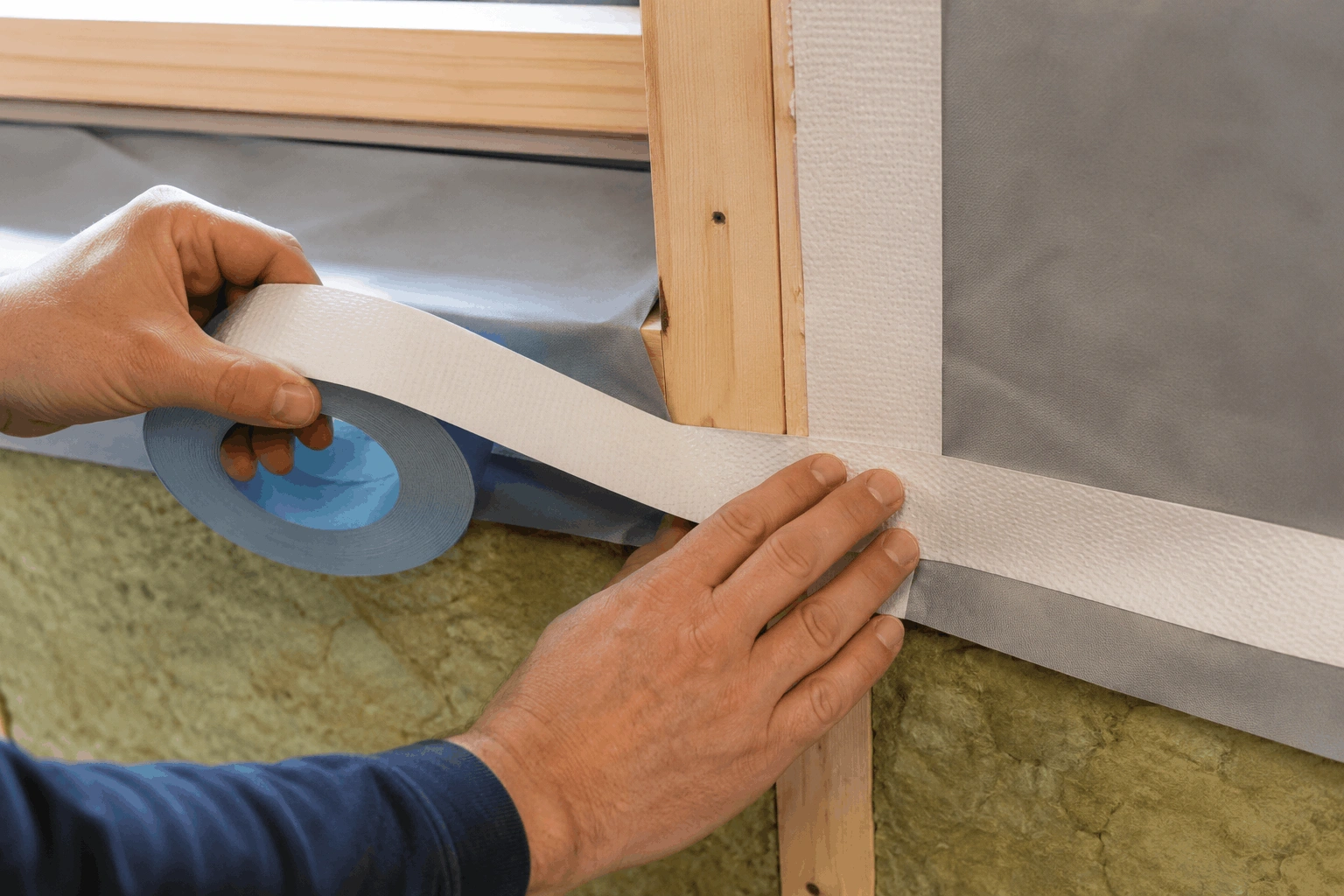
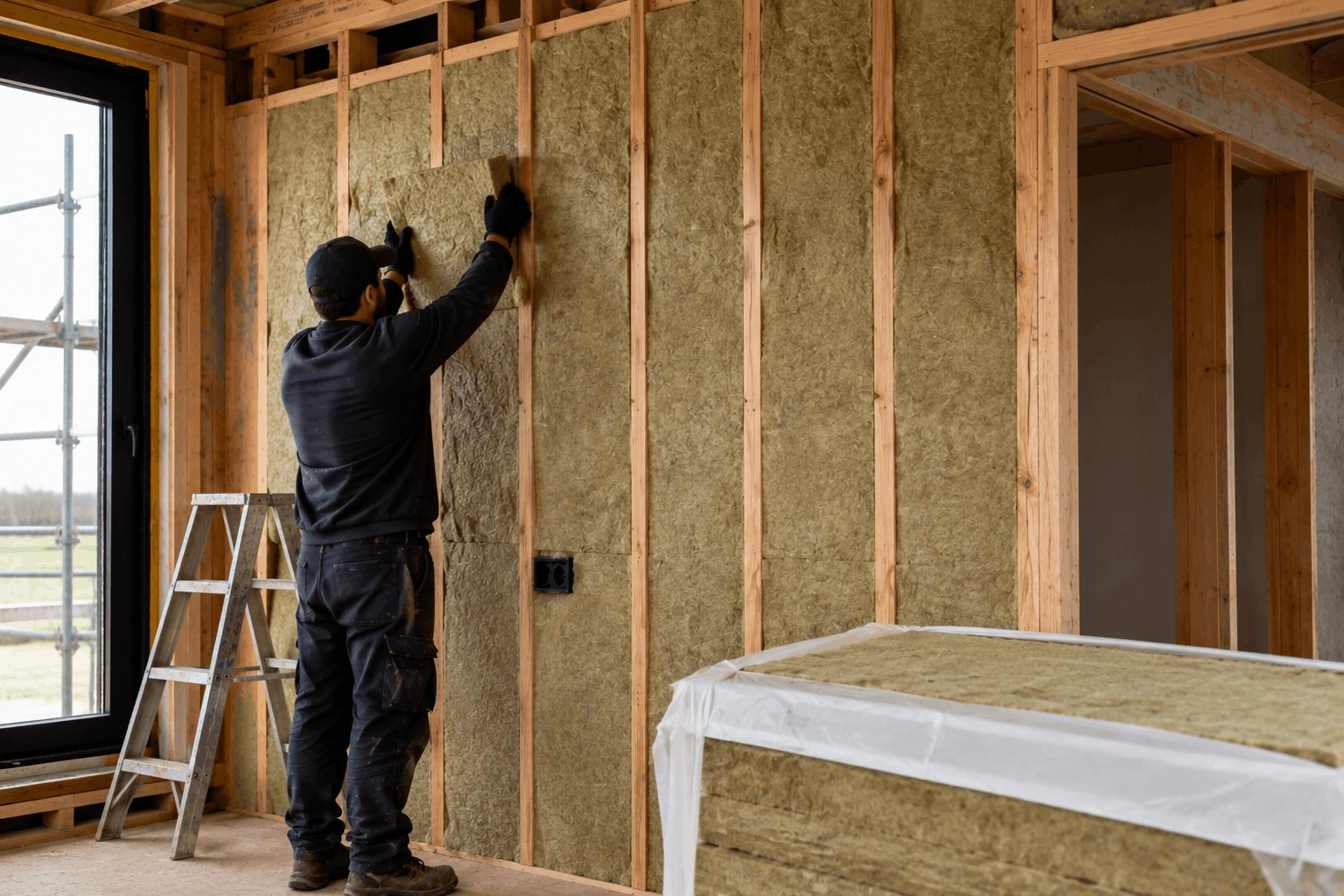
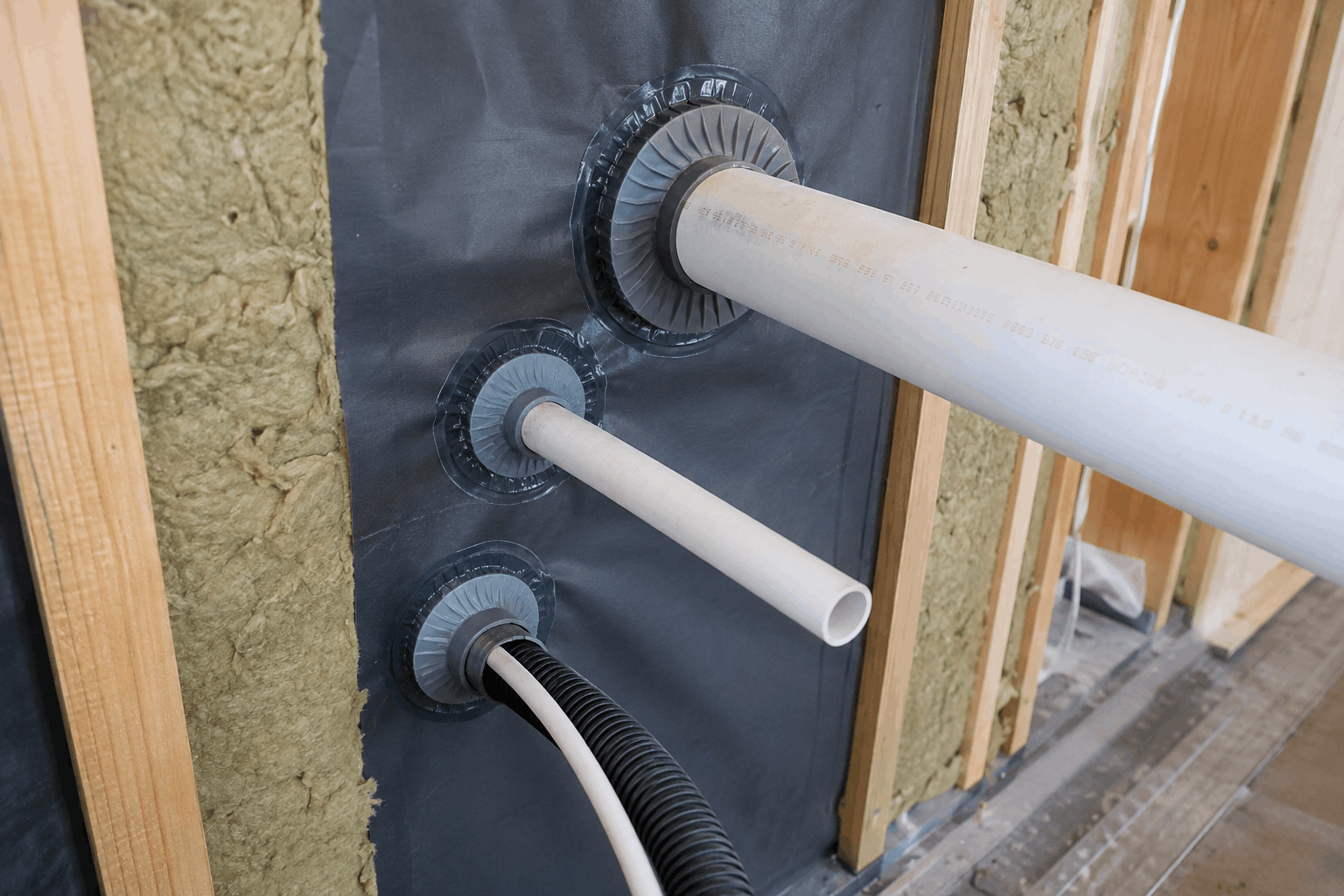
At its core, passive house design is about energy efficiency. The key is creating a building envelope that is airtight and well-insulated, controlling ventilation and making the most of solar energy.
Good passive house designs pay attention to orientation, window placement and shading. They use materials and construction techniques that retain heat in winter and keep the home cool in summer. A well-designed passive design house in Australia can maintain comfortable temperatures year-round with minimal energy use.
When designing a small passive house in Australia, these principles are particularly important. Smaller homes have less thermal mass, which means they store less heat during the day and release it more quickly at night. This can make indoor temperatures fluctuate more than in larger homes. As a result, insulation, high-performance glazing and airtight construction become even more critical to maintain a stable, comfortable environment.
Plan your small passive house carefully
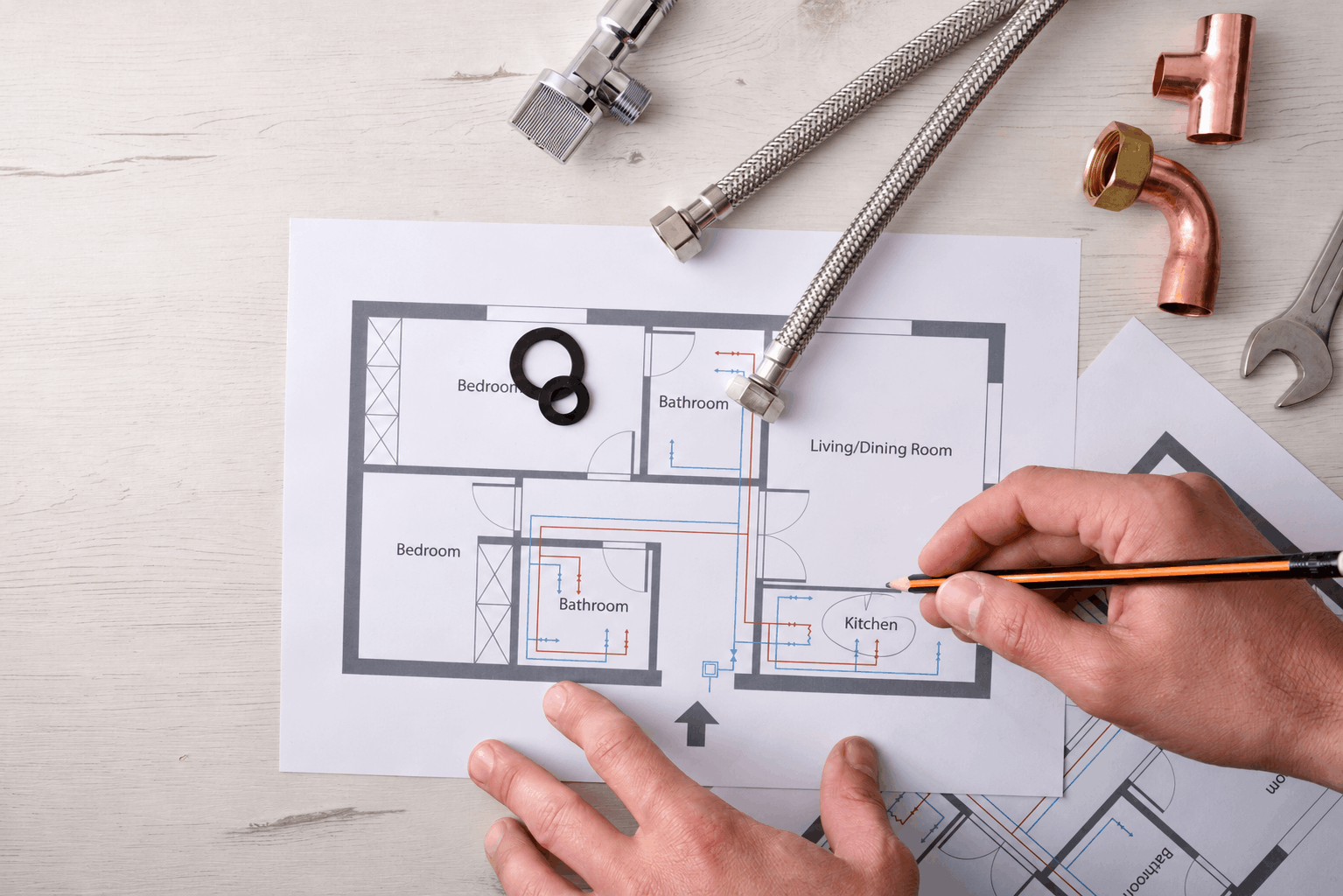
When designing a passive house in Australia, the layout has a major impact on comfort and energy efficiency. In a small home, every design decision – from window placement to wall thickness – has a bigger effect on energy performance. Thoughtful planning ensures the home stays warm in winter, cool in summer and uses minimal energy throughout the year.
Orientation and room placement
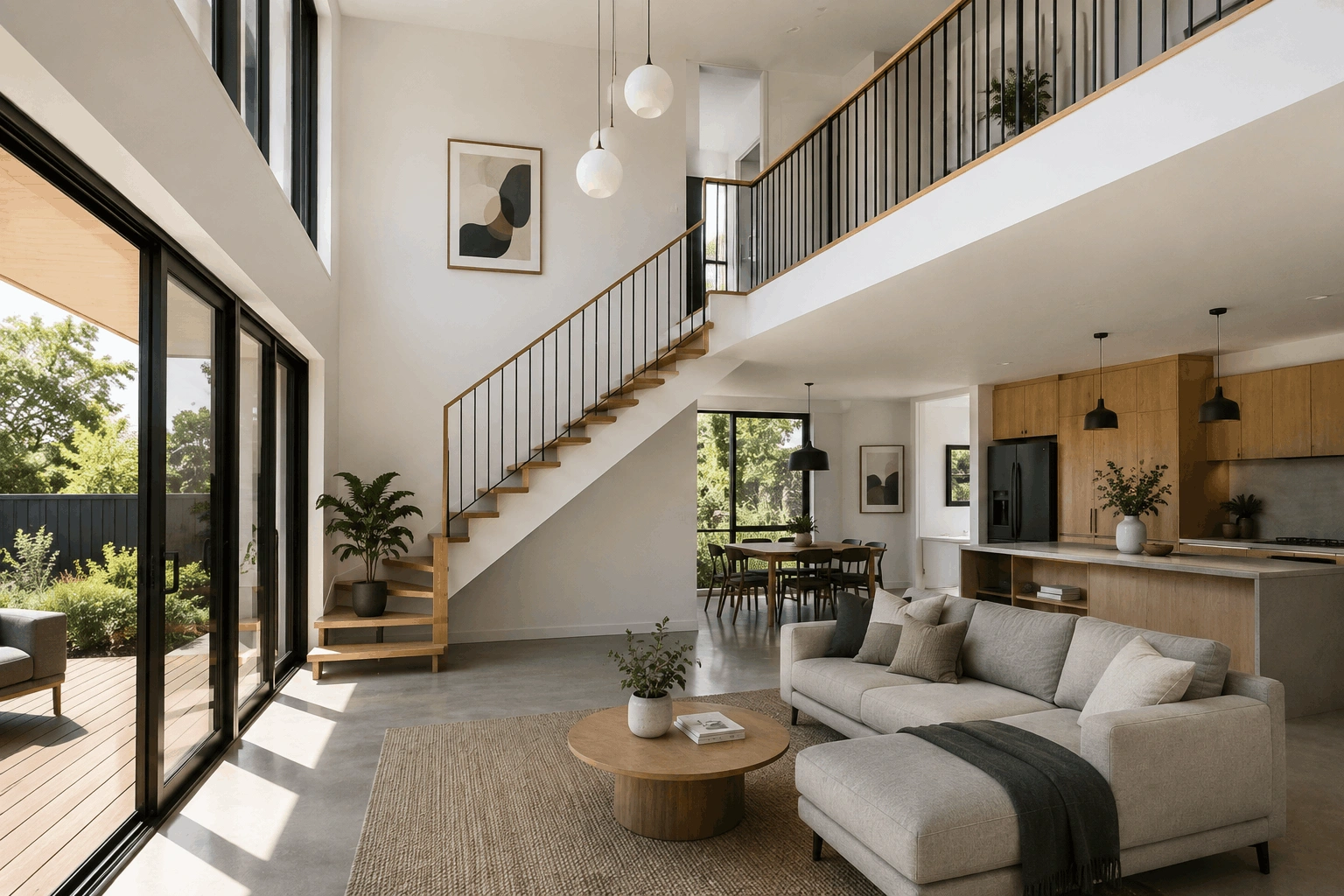
Start by orienting the home to make the most of the sun. In southern Australia, living areas should face north, while in northern regions, north-east orientation works best. This maximises natural light and solar gain, reducing the need for artificial heating and lighting.
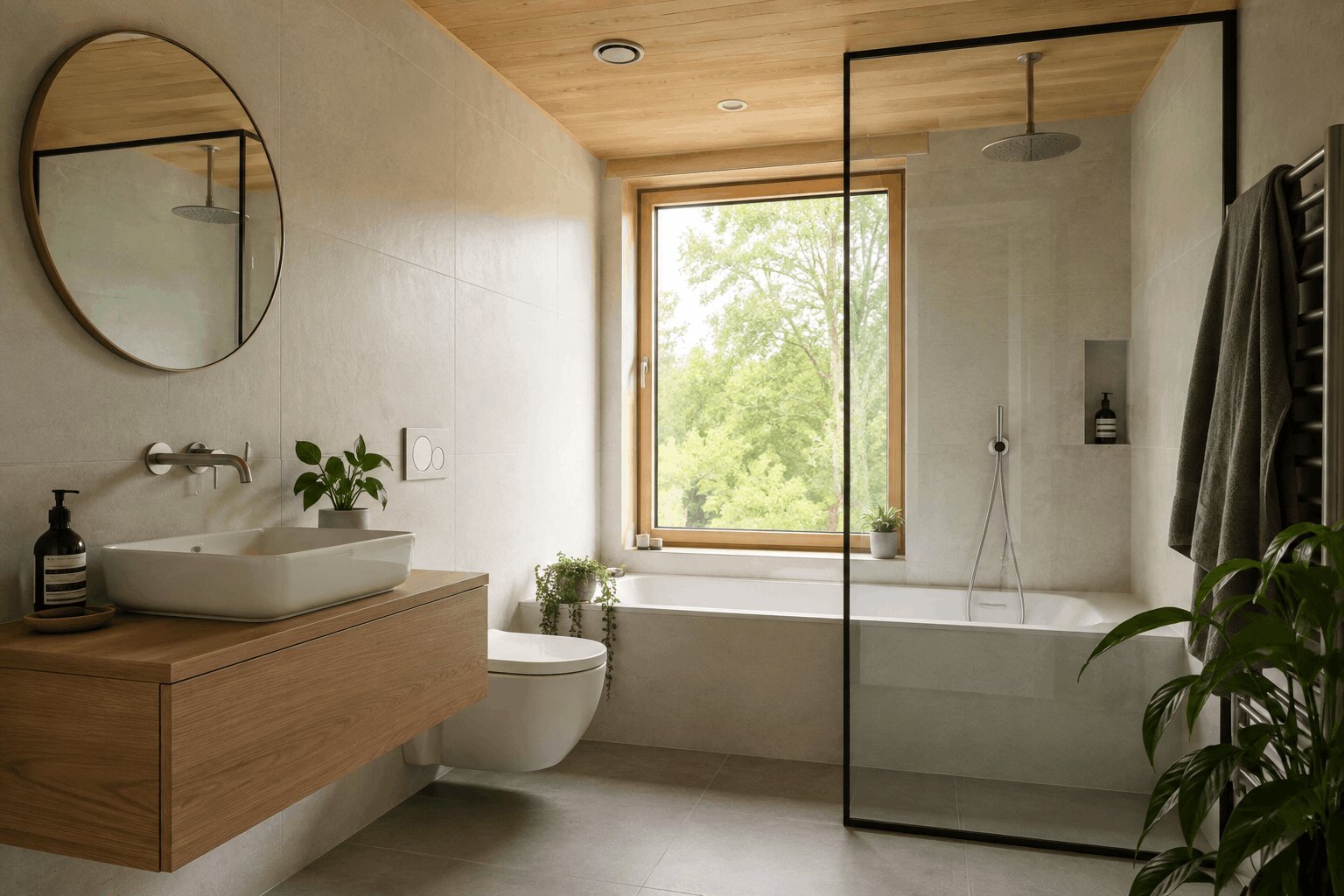
As you would with a traditional Australian home, service areas such as bathrooms, laundries and garages can be placed on the southern or shaded side of the home. This protects spaces that do not require direct sunlight and allows prime living areas to capture heat and light.
Window placement and size
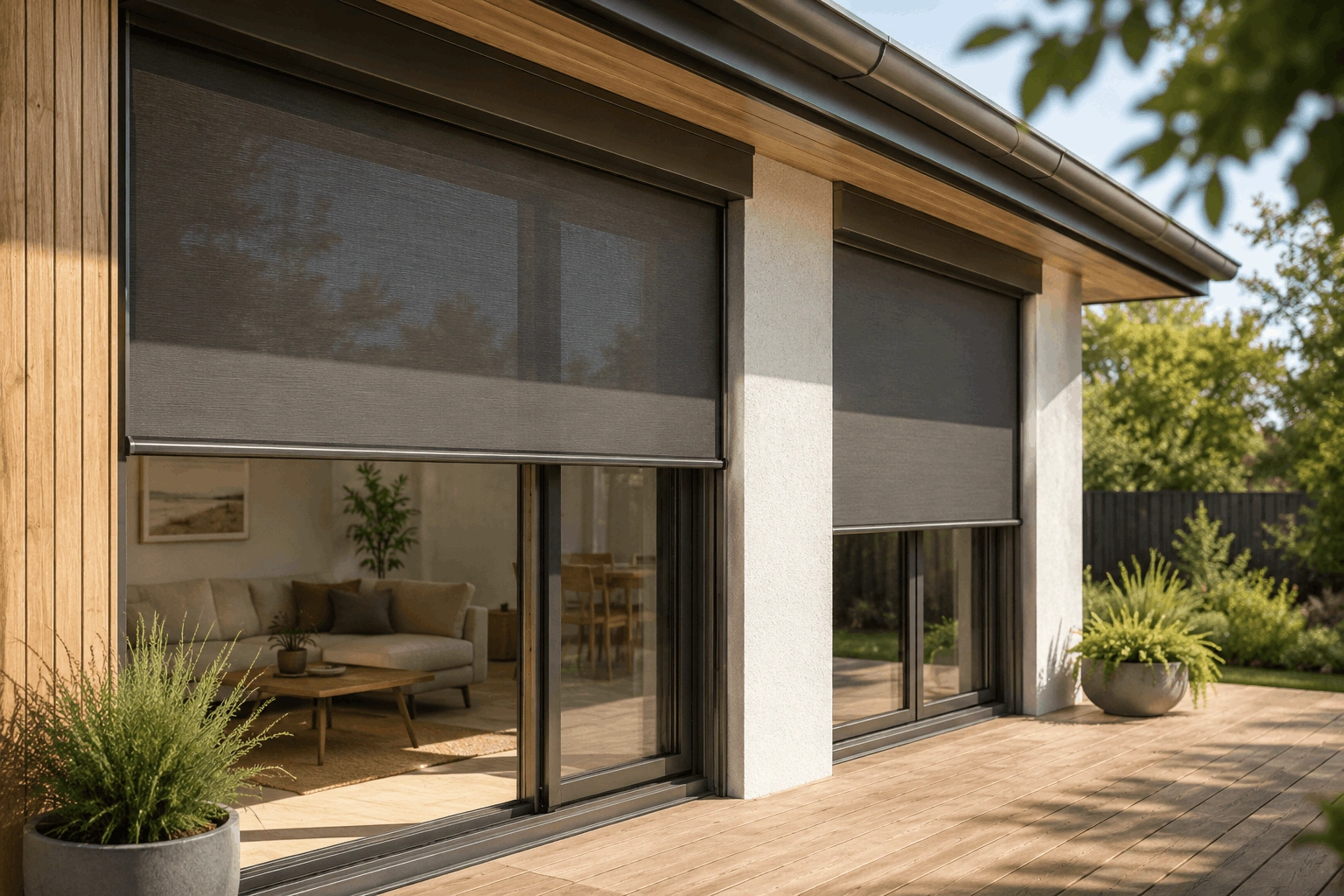
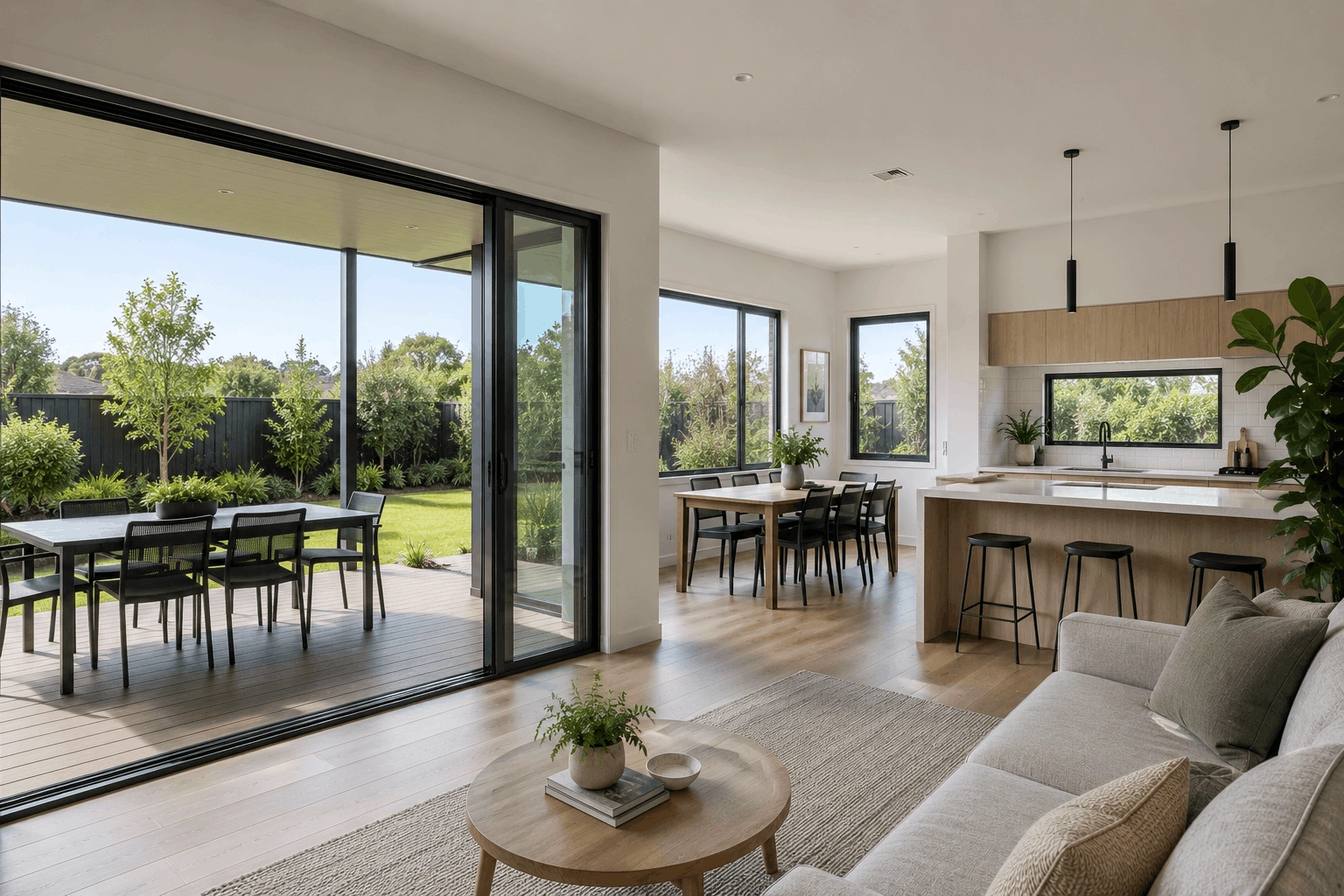
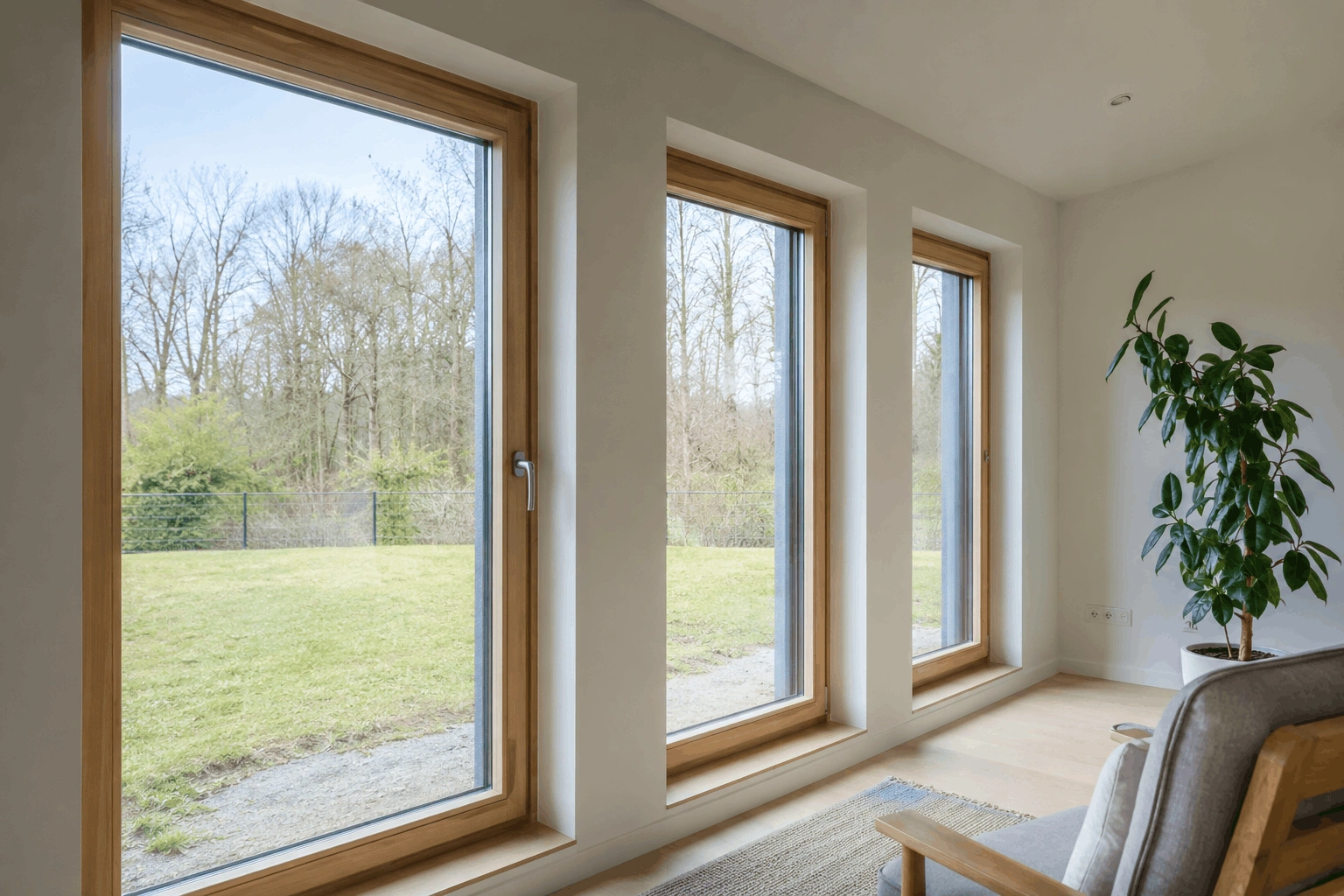
In a small passive design house, windows play a key role in energy performance. South-facing windows should be minimal in southern Australia, while windows on the north side should be sized to balance solar gain and heat retention.
High-performance glazing further improves comfort. Window placement also affects daylighting and ventilation, so consider how each window contributes to natural airflow and overall room comfort.
Wall thickness and insulation
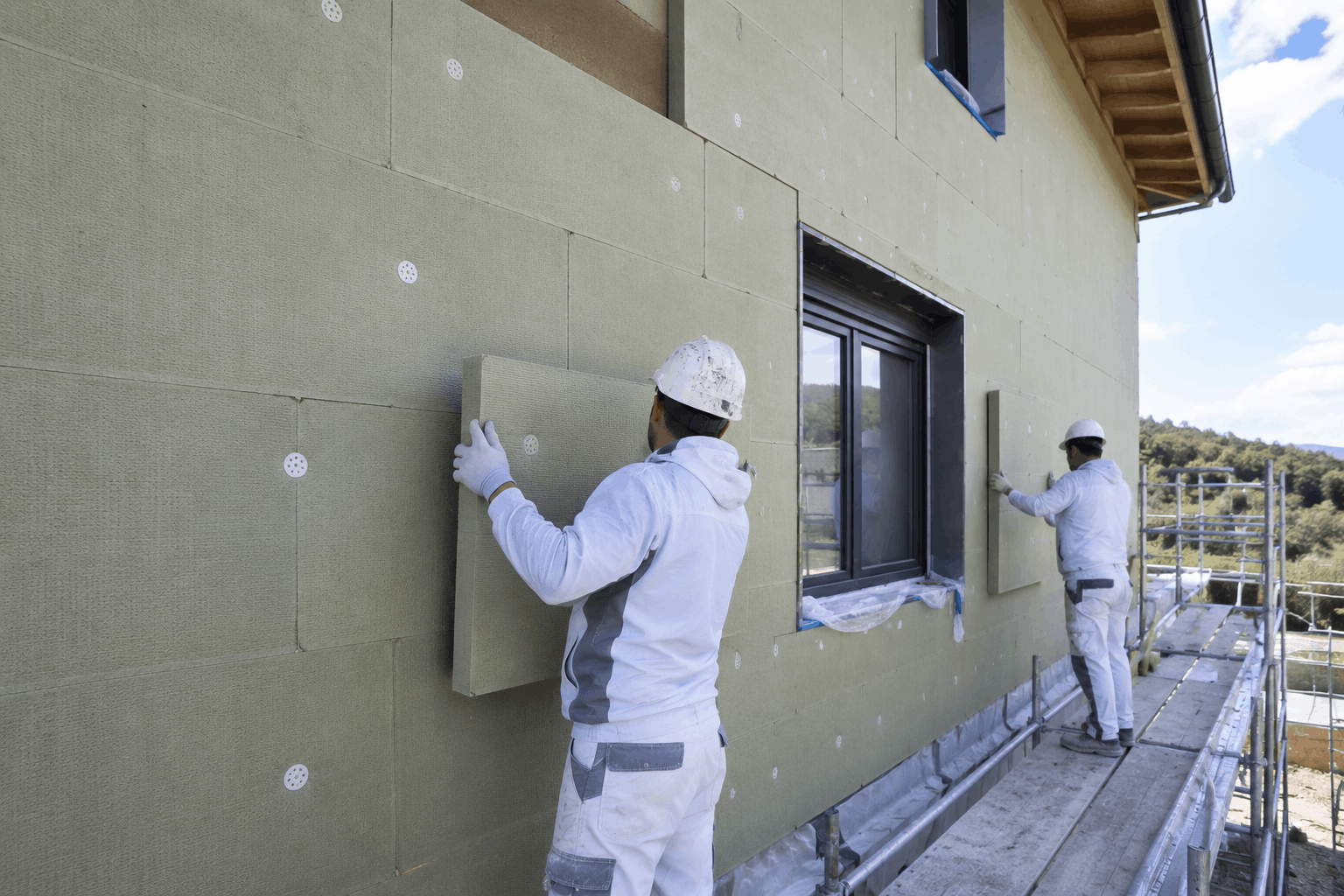
Every wall in a small passive house project matters. Thicker, well-insulated walls improve thermal performance and prevent heat loss. In compact homes, even small differences in wall construction can noticeably affect indoor temperatures.
Using materials with good thermal mass can help store heat from the sun during the day and release it at night, keeping the home more stable without extra energy use.
Open-plan layouts and airflow
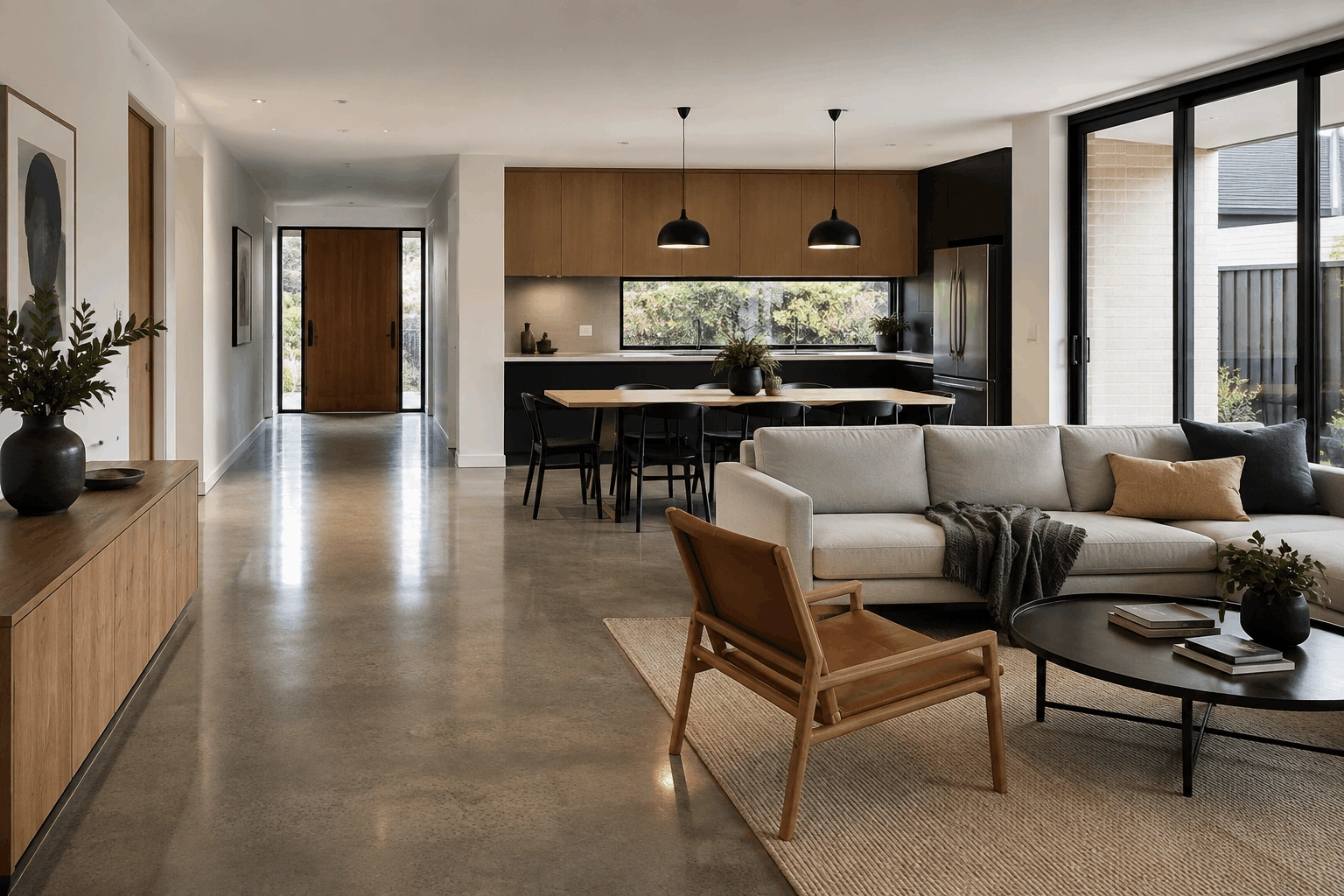
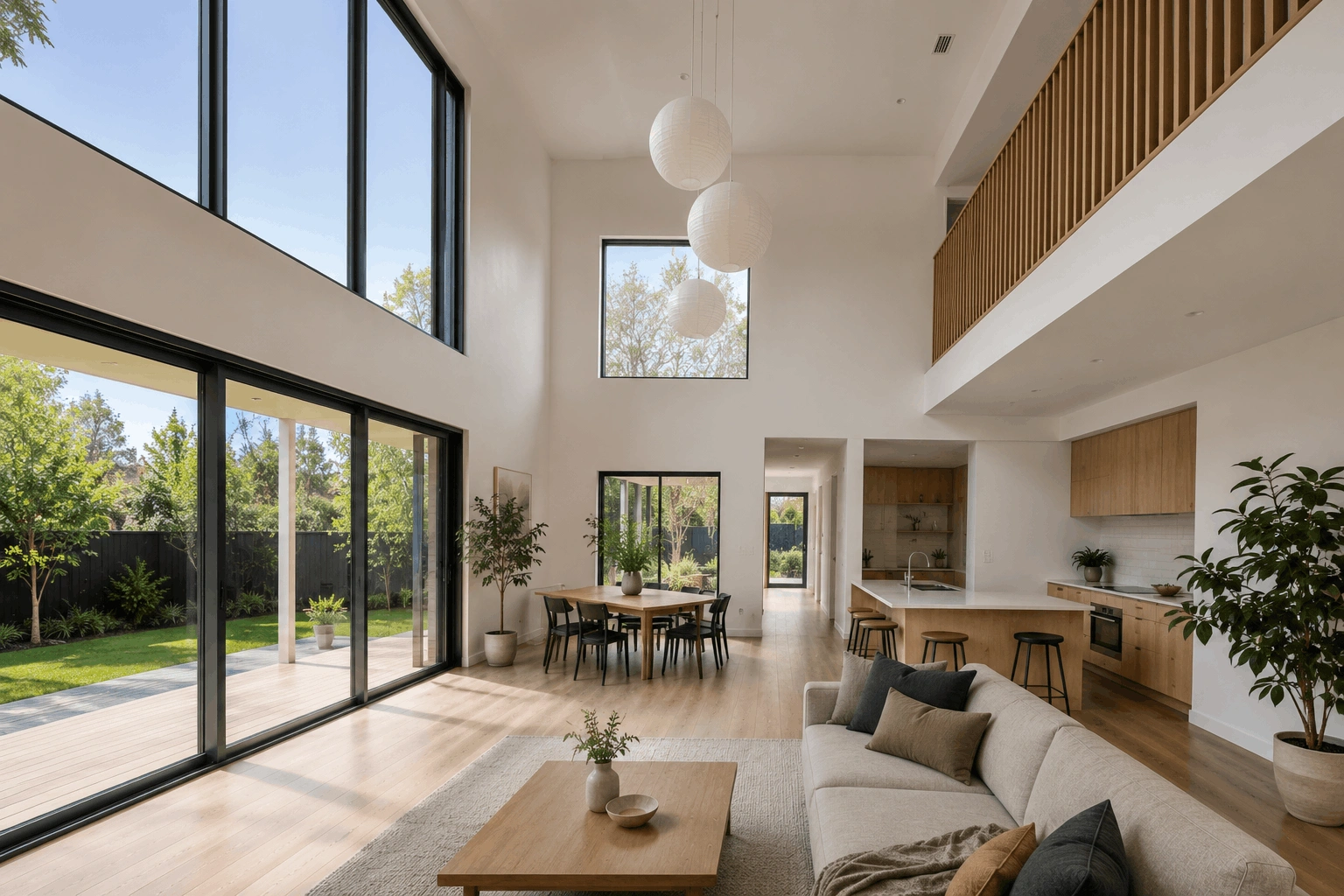
Open-plan designs are ideal for small passive house designs in Australia because they allow warmth and light to circulate freely. Open spaces make the home feel larger and more inviting while helping maintain consistent temperatures. Consider cross-ventilation to cool the home naturally in warmer months, positioning windows and doors to encourage airflow and reduce reliance on mechanical cooling systems.
Ventilation and mechanical systems
A passive house design relies on proper ventilation. Mechanical ventilation with heat recovery (MVHR) systems can maintain fresh air while conserving energy. In small passive home building projects, these systems are compact and efficient. Properly integrating these systems with your layout ensures a comfortable and healthy home year-round.
Sustainable materials
Passive building design works best when paired with materials that support energy efficiency and indoor comfort. Natural, non-toxic materials can improve air quality and reduce environmental impact. Materials with high thermal mass, such as concrete or brick, can absorb heat during the day and release it at night, helping to regulate temperature.
Consider lightweight and prefabricated options if building a small passive house. These can reduce construction time and waste while maintaining energy performance.
Circulation and furniture placement
Even the positioning of furniture and internal walls can influence energy performance. Avoid blocking natural light or airflow paths with large furniture, and think about how heat will move through the space. In a small passive house in Australia, minor adjustments can have a significant impact on comfort and energy efficiency.
Work with professionals experienced in small passive homes
Designing a small passive house in Australia requires a slightly different approach than a larger home. Because compact homes have less thermal mass and tighter spaces, every design decision has a bigger impact on comfort and energy performance.
A designer or builder familiar only with standard homes may underestimate how quickly heat can be lost or gained in a small space, or how cross-ventilation and mechanical systems should be integrated. Experienced passive house builders understand how to adapt insulation, glazing, shading and airflow specifically for compact layouts, ensuring the home performs as intended.
There are already examples of tiny passive homes in Australia, like the 40 square metre home certified in Castlemaine, north west of Melbourne.
Globally, there are also examples of small passive homes that demonstrate the benefits of expert design. In Canada, small timber-framed passive design houses make the most of solar gain and high-performance windows to maintain stable indoor temperatures despite cold winters.
Certification is also worth considering. Accredited passive house certifiers can verify that a small home meets international standards, giving peace of mind that it will deliver energy savings, consistent comfort and healthy indoor air quality. Working with professionals who understand the unique challenges of small passive home building ensures that the home not only performs efficiently but also feels spacious, comfortable and well-planned.