Tips for maintaining a passive house
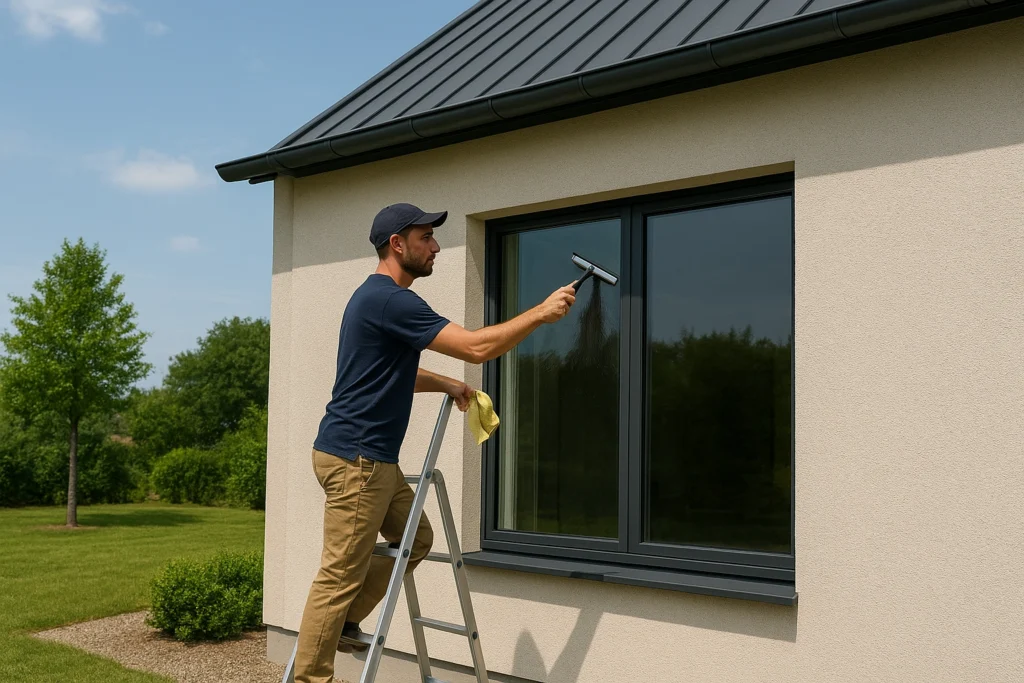
A passive design house is built to provide comfort, low running costs and a healthier indoor environment. But just like any home, a passive house requires a bit of care and attention to ensure it continues to perform optimally for years to come. And, in a passive house, your maintenance routine might look a little different from a traditional house. The good news is that maintenance is simple once you know what to focus on.
1. Understand how your house works
This is the most fundamental tip of all. A passive house is designed to function as a precision machine, with each component working together seamlessly. Taking the time to understand the principles behind your home’s passive house design will allow you to maintain it effectively.
First, familiarise yourself with the five key principles of passive building design: super-insulation, airtightness, high-performance windows, thermal bridge-free construction and mechanical ventilation with heat recovery (MVHR). Knowing why your house stays warm in winter and cool in summer will help you make informed decisions about maintenance.
Additionally, a passive home builder or architect will often provide a guide to explain how the system functions. This can help you understand the mechanics of your home.
2. Use your house as it was intended
A passive home is designed for specific use. This includes how often you open windows, how you heat or cool the space and how you manage airflow. For example, keeping windows closed during very hot or very cold days allows the ventilation system to work effectively. On mild days, opening windows can add natural comfort. Work with the building’s systems, rather than against them, to achieve optimal performance.
3. Look after the ventilation system
Most passive house designs in Australia use an MVHR. This ensures fresh air circulates while recovering heat that would otherwise be lost. Filters need regular checks – usually every three to six months – and should be replaced as recommended by the manufacturer. This might be required more often if you live in a dustry, dry area or if you have pets. A clean filter keeps air quality high and ensures the system runs efficiently.
Unless you’re going away for an extended period and have specific instructions from your passive home builder, avoid turning off your MVHR system. It’s designed to run continuously.
4. Keep windows and doors airtight
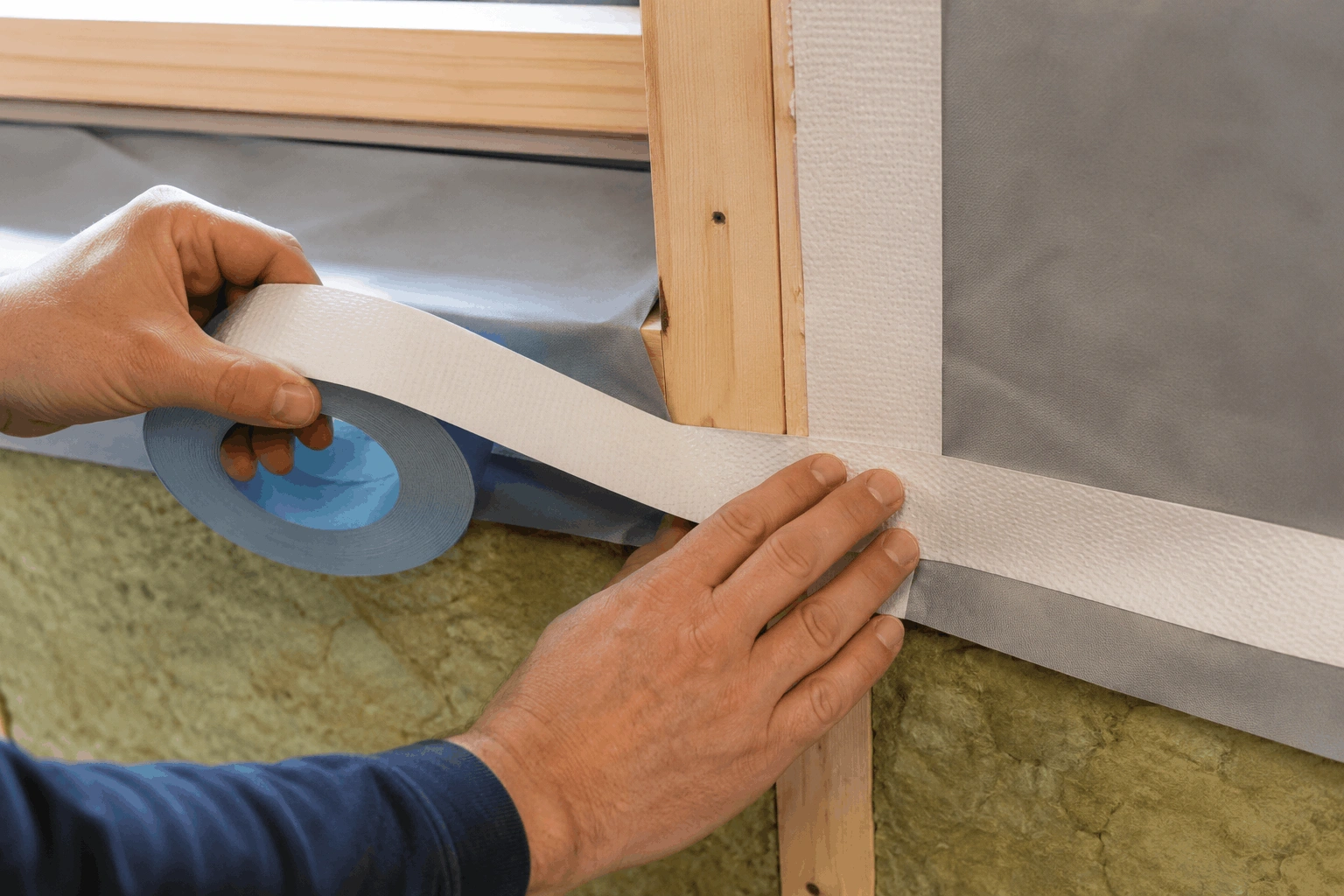
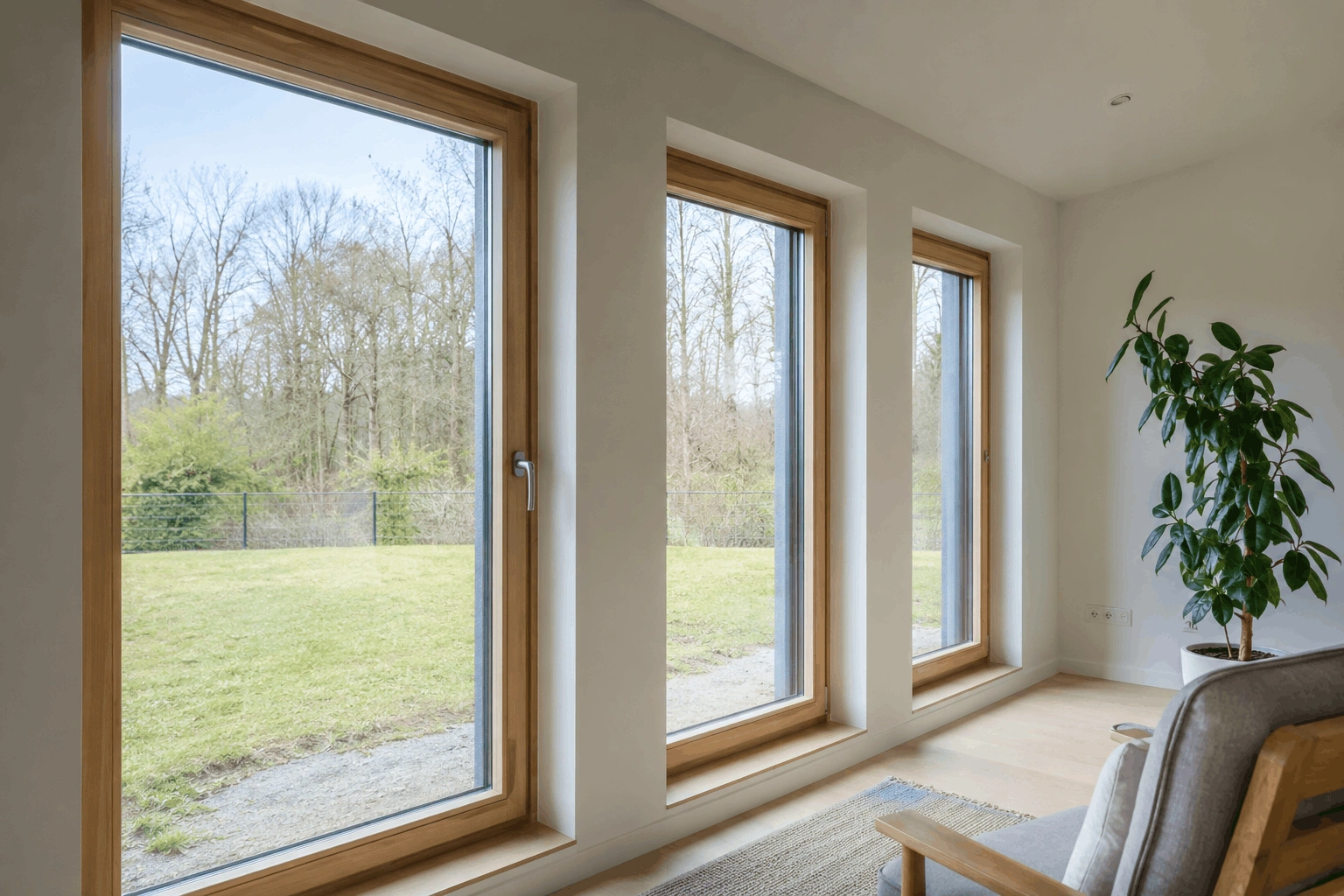
The airtight envelope is central to passive building design. Check the seals on windows and doors at least once a year. If you notice cracks or gaps, arrange repairs quickly. Even small leaks can reduce energy efficiency. Simple steps like wiping seals clean and avoiding damage when opening or closing windows will also extend their lifespan.
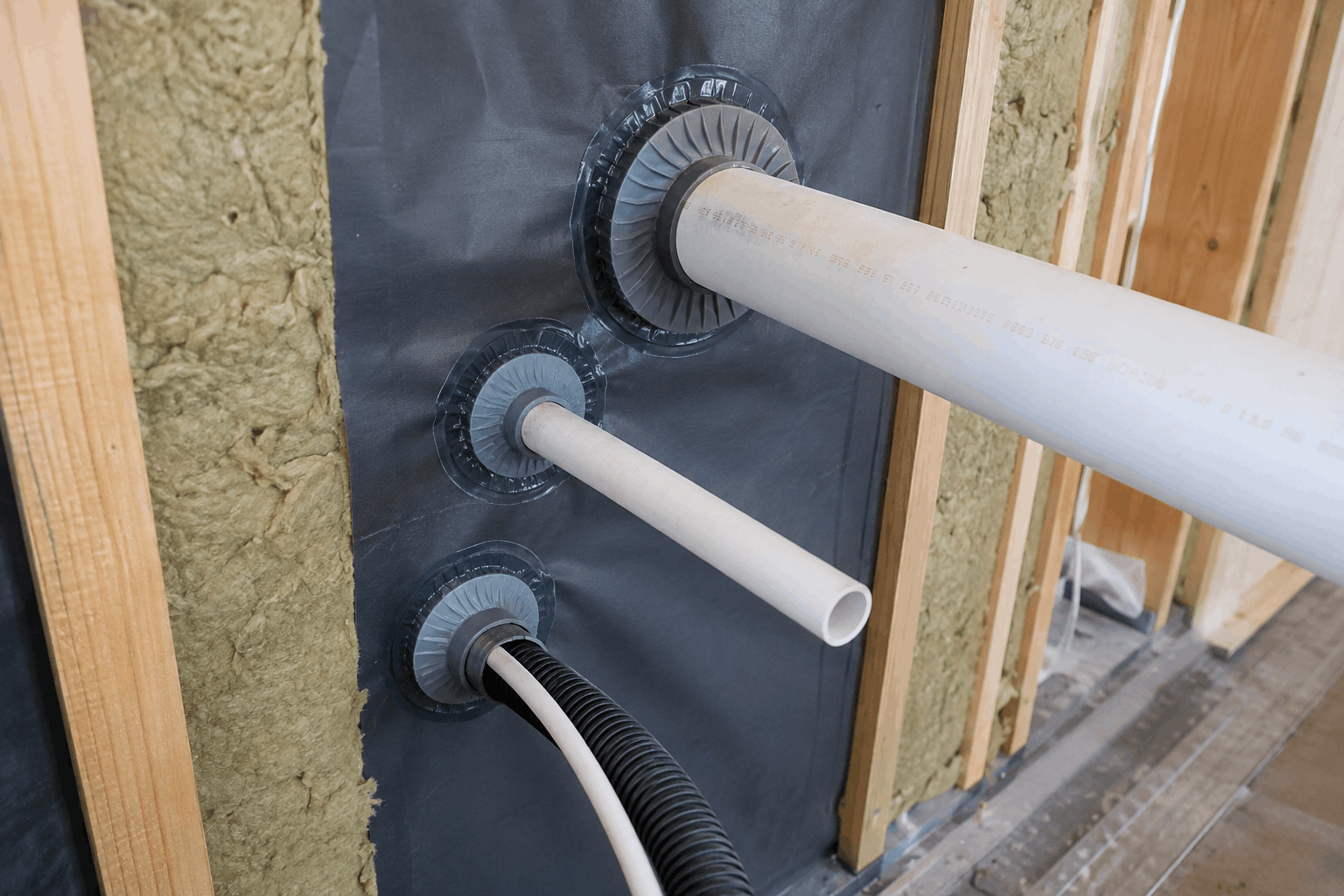
If you notice any small cracks or gaps appearing around windows, doors or service penetrations over time, get them sealed promptly. This is more common in older, less rigorously built homes, but it’s good to be vigilant.
Additionally, avoid drilling unnecessarily. If you absolutely must drill into walls, especially external ones, consult your passive house builder or an expert. You don’t want to compromise the airtightness layer.
5. Maintain insulation and finishes
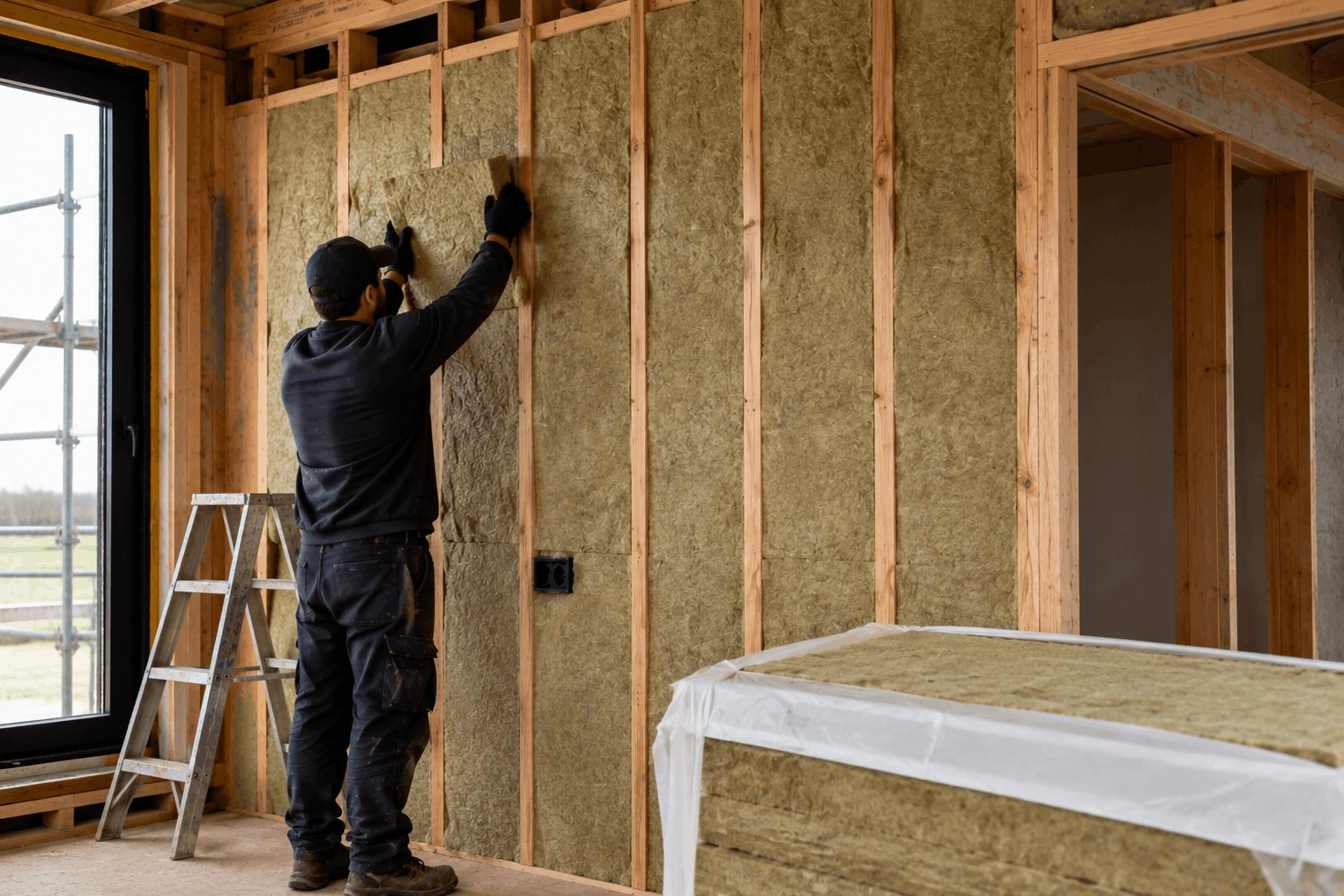
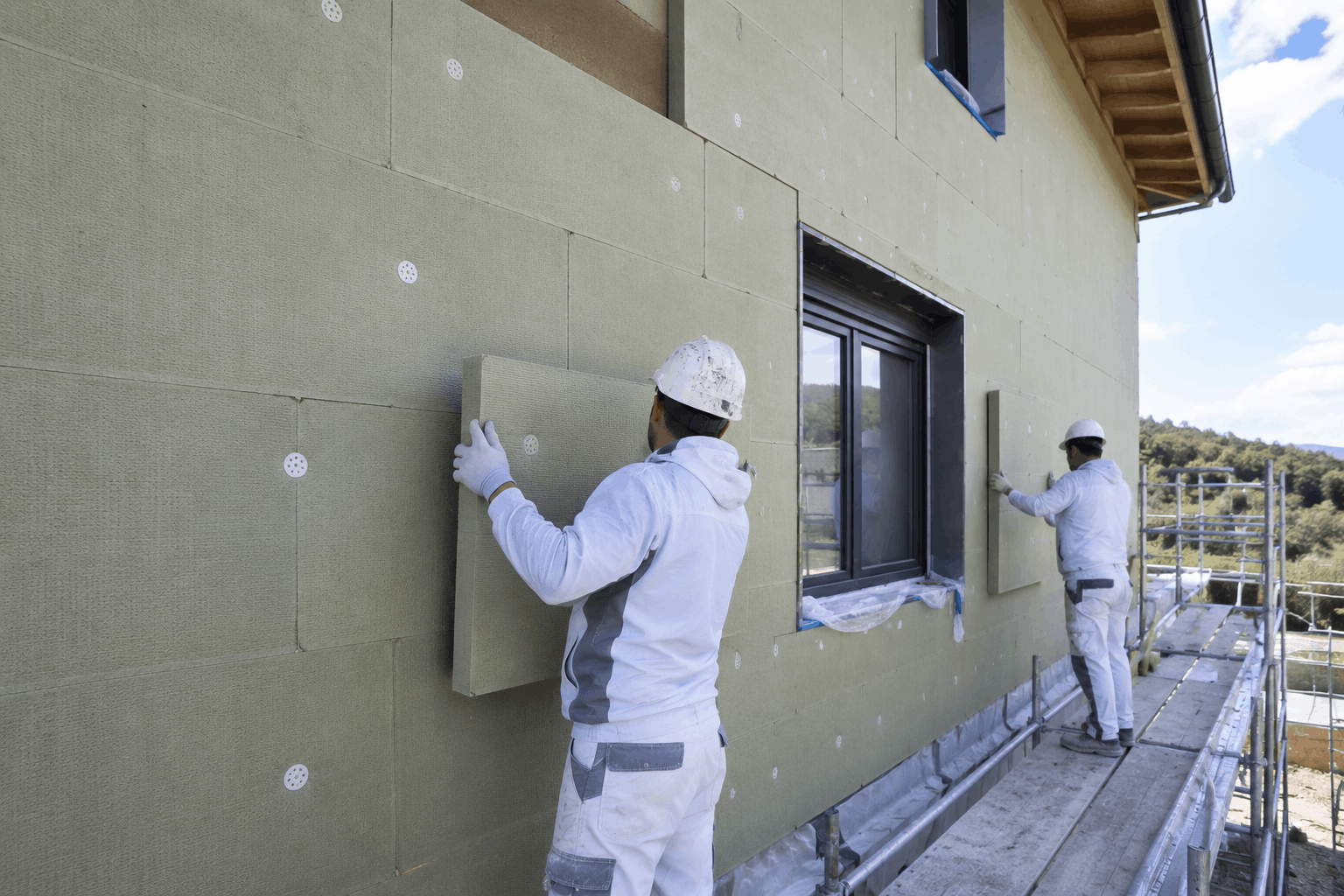
Good insulation is a key part of any passive house builder’s plan. Over time, insulation will likely require a little attention, so it is wise to check areas like the roof space for any damage, pests or water leaks.
Internal finishes such as plasterboard or timber panelling should also be checked occasionally for signs of wear. Maintaining these layers protects the airtightness and thermal envelope.
Keep your external cladding clean. Wash away any dirt, mould or mildew as needed, following the manufacturer’s recommendations.
Ensure that the ground around your passive house drains away effectively. Proper drainage prevents moisture issues, which can compromise insulation and structural integrity over time.
6. Monitor indoor humidity
One of the strengths of passive house design in Australia is its ability to control indoor air quality. However, high humidity can still be an issue if not managed. Use extraction fans in kitchens and bathrooms when cooking or showering. If your ventilation system includes humidity sensors, make sure they are calibrated and working correctly. Keeping humidity in check protects the building materials and reduces the risk of mould.
7. Manage shading and sunlight
A passive house design relies on orientation and shading to control natural heating and cooling. If you have external blinds, awnings or louvres, ensure they are clean and operating correctly. Check for any damage after strong winds.
Remember to adjust your shading as the seasons change. In summer, make sure external shading devices like louvres or awnings are working properly to block excess heat. In winter, clear vegetation or objects that might stop sunlight from reaching your windows. By managing shading, you allow your home to maintain steady internal temperatures with minimal energy use.
8. Schedule professional servicing
While much of the maintenance is straightforward, it’s always wise to call in the experts if you’re unsure. Professional checks ensure everything continues to operate efficiently. If you are working with experienced passive house builders in Australia, they are your best resource for any specific questions or concerns about your home. They know its unique characteristics inside out.