How to achieve net-zero living with a passive house in Australia
Imagine a home that stays cool in summer, warm in winter, and barely touches the power bill. A passive house makes this possible by combining clever design, quality materials and renewable energy. With the right passive house design, you can enjoy comfort, efficiency and sustainability all under one roof.
What is net-zero living?
Net-zero living means your home balances the energy it uses with the energy it generates. Unlike homes that are simply energy-efficient, which focus on reducing consumption, net-zero homes actively generate renewable energy to cover the electricity or heating that is still needed. For example, a net-zero home may require some heating in winter or cooling in summer, but rooftop solar panels provide enough energy to offset this use.
Achieving net-zero living requires two key elements: reducing energy demand as much as possible and generating renewable energy to meet what remains.
What is a passive house?
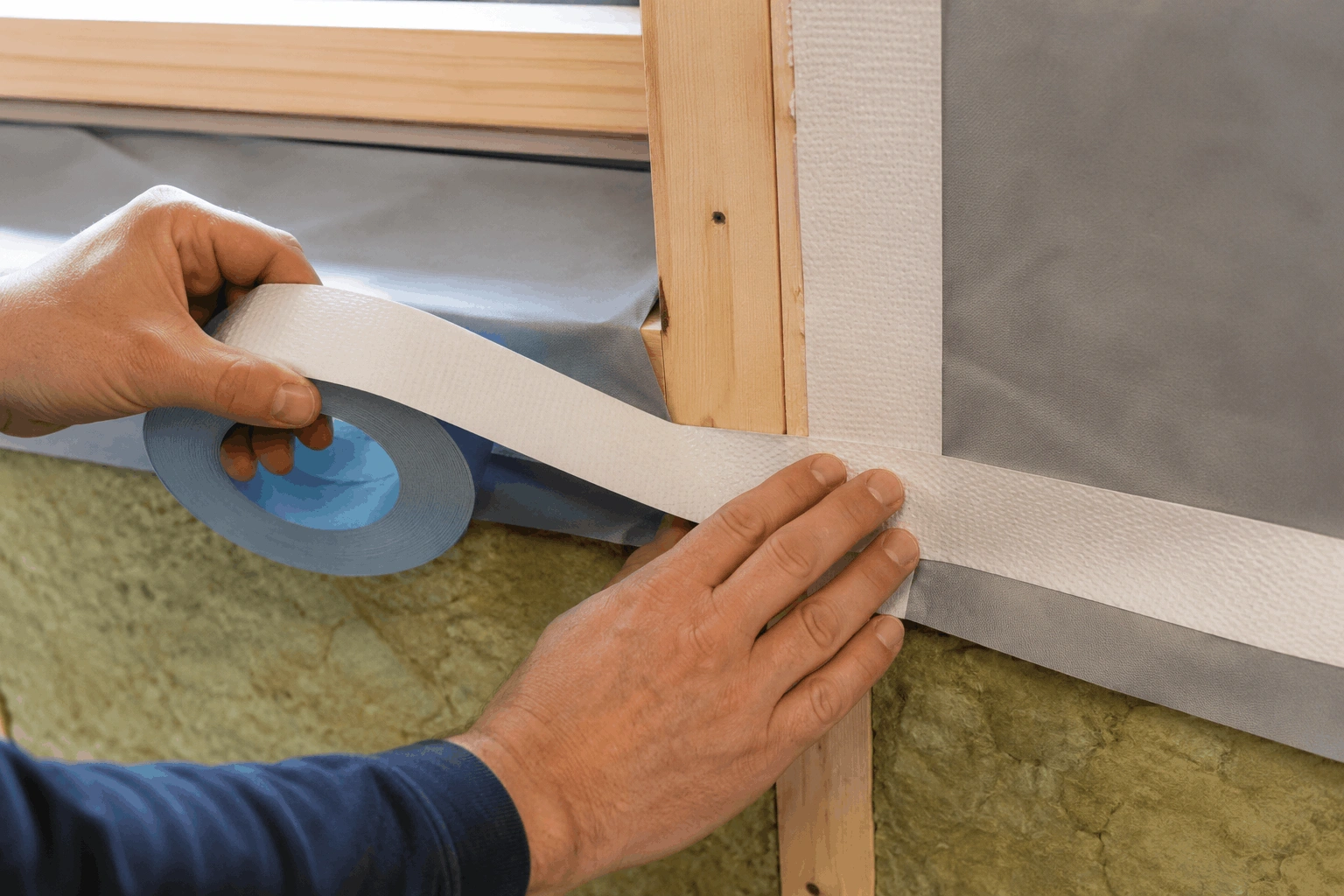
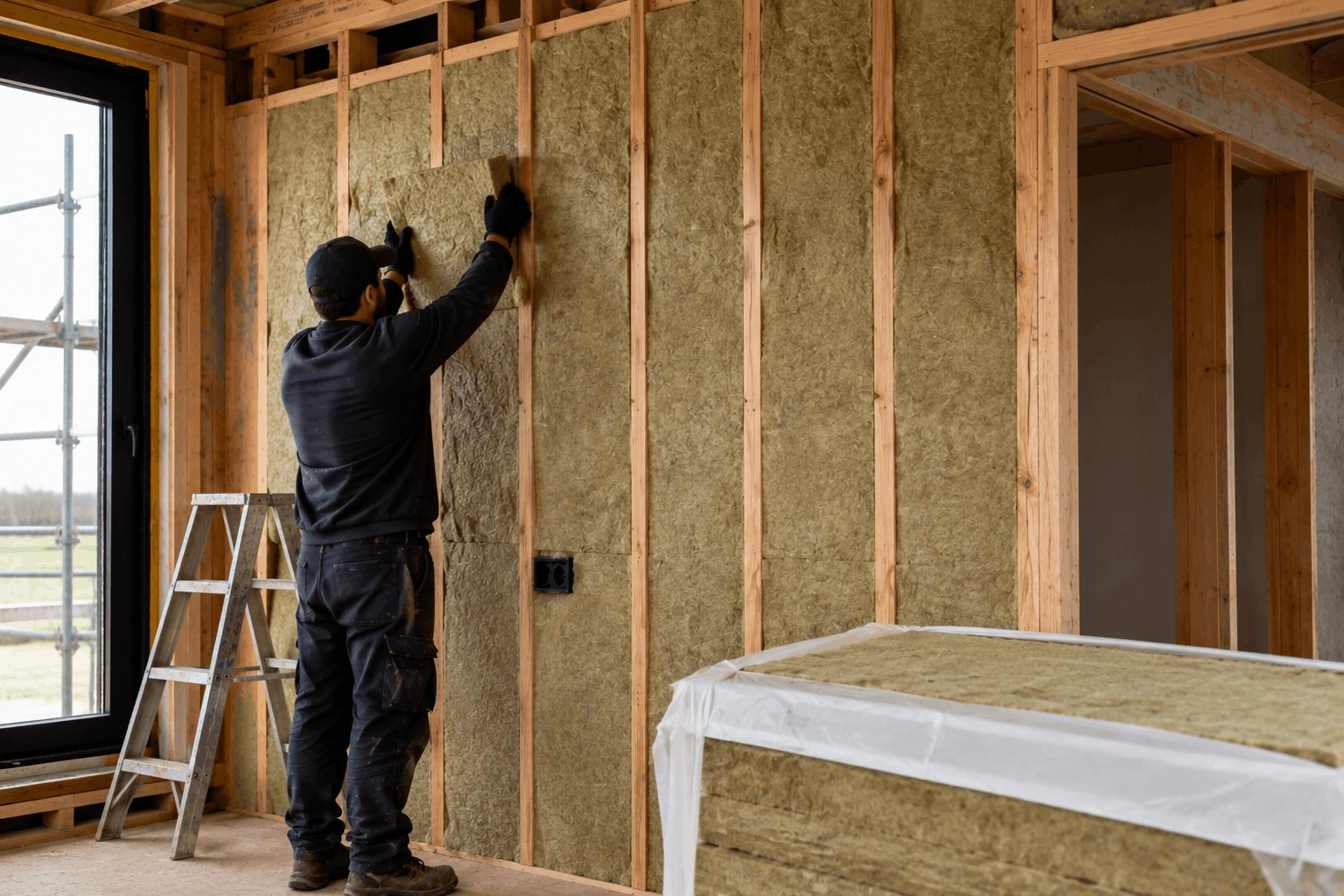
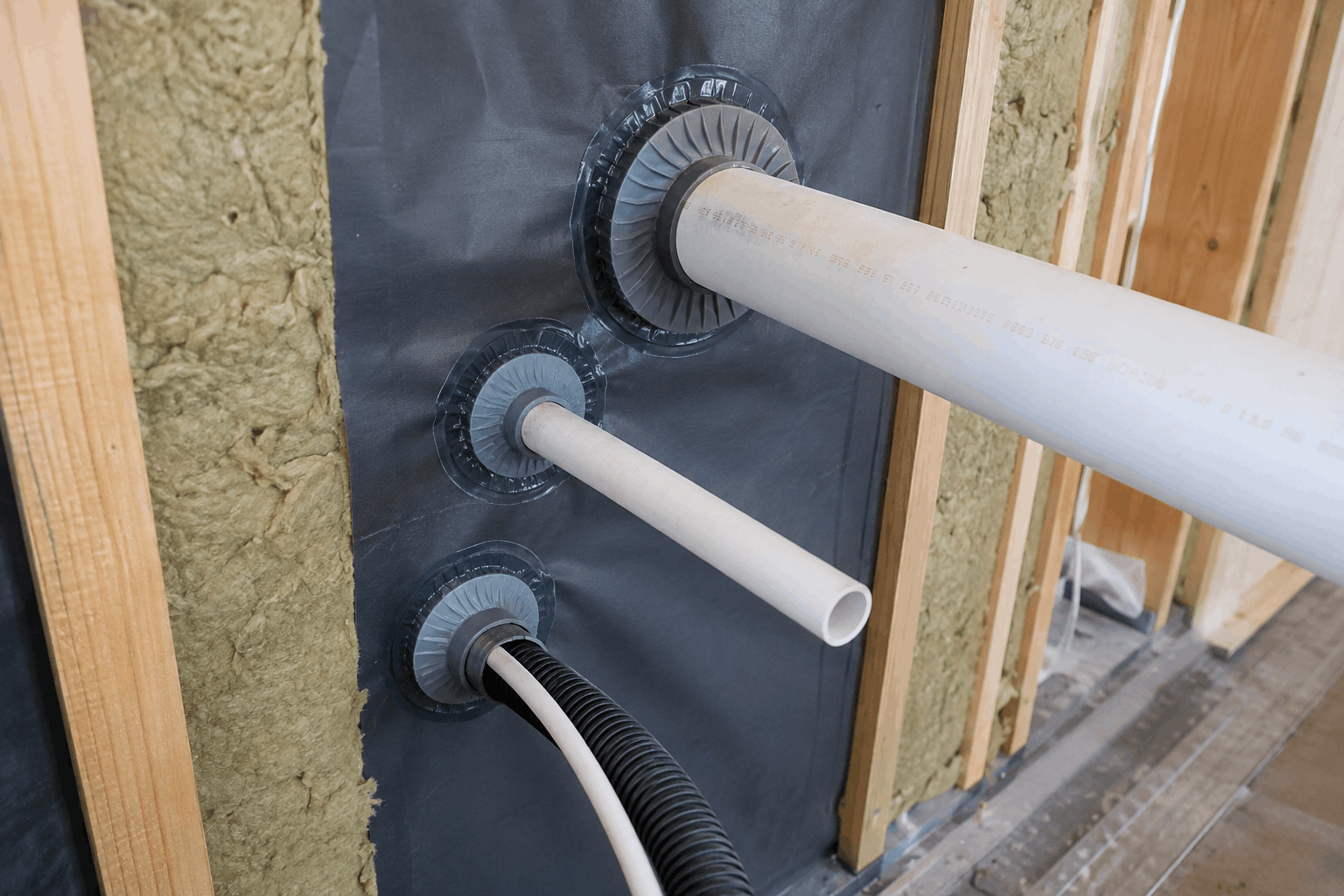
On the other hand, a passive house design is centred on maximising energy efficiency. The goal is to reduce the need for heating and cooling while maintaining comfortable indoor temperatures. This is achieved through the five key passive house principles of insulation, airtight construction, strategic window placement, thermal bridge-free construction and ventilation systems with heat recovery.
A passive design house works by capturing natural energy from the sun and keeping it inside during cooler months, while limiting heat gain during warmer months.
You can read more about the differences between net-zero and passive houses here.
How passive house design supports net-zero
A well-planned passive house design in Australia reduces reliance on traditional energy sources, lowering utility bills and supporting net-zero living. By focusing on a passive design house, you minimise energy needs through insulation, airtight construction and careful orientation, making it far easier to reach net-zero goals.
This addresses the main sources of energy loss and creates a home that performs efficiently without relying heavily on mechanical systems. Key elements include:
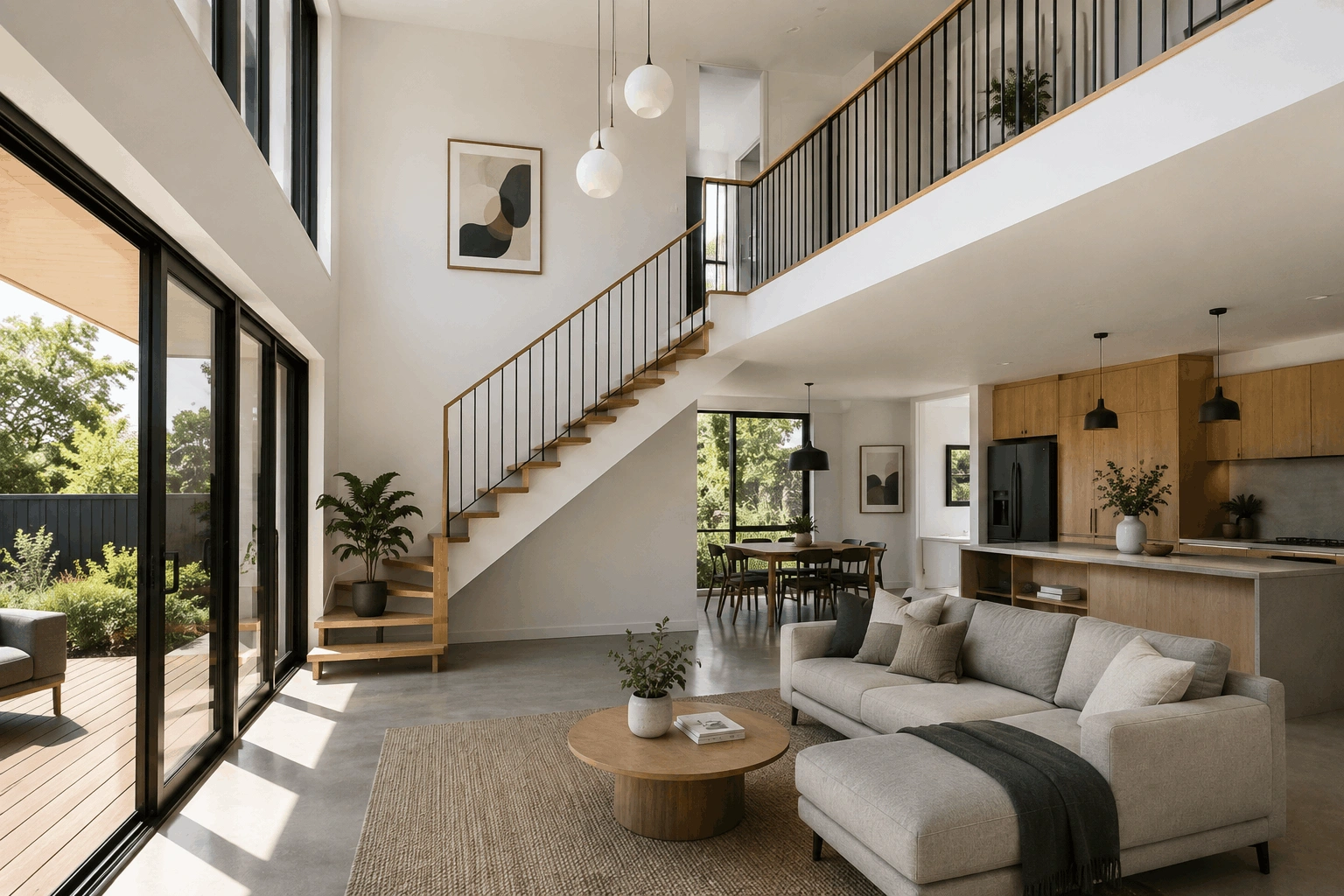
- Orientation and layout: Placing windows and living areas to capture winter sun while preventing overheating in summer.
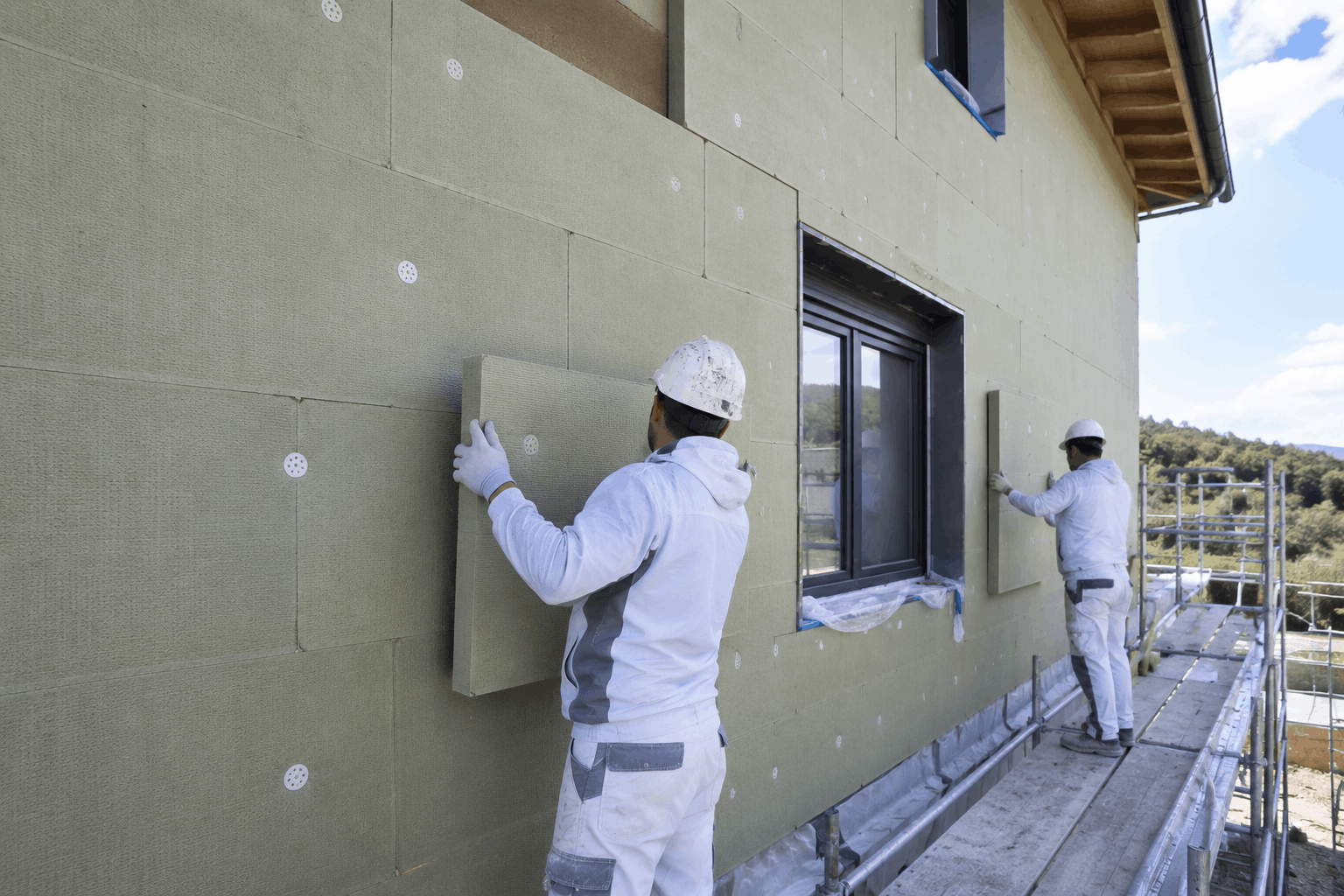
- High-quality insulation and airtightness: Keeping heat in during winter and out during summer reduces reliance on heating and cooling.
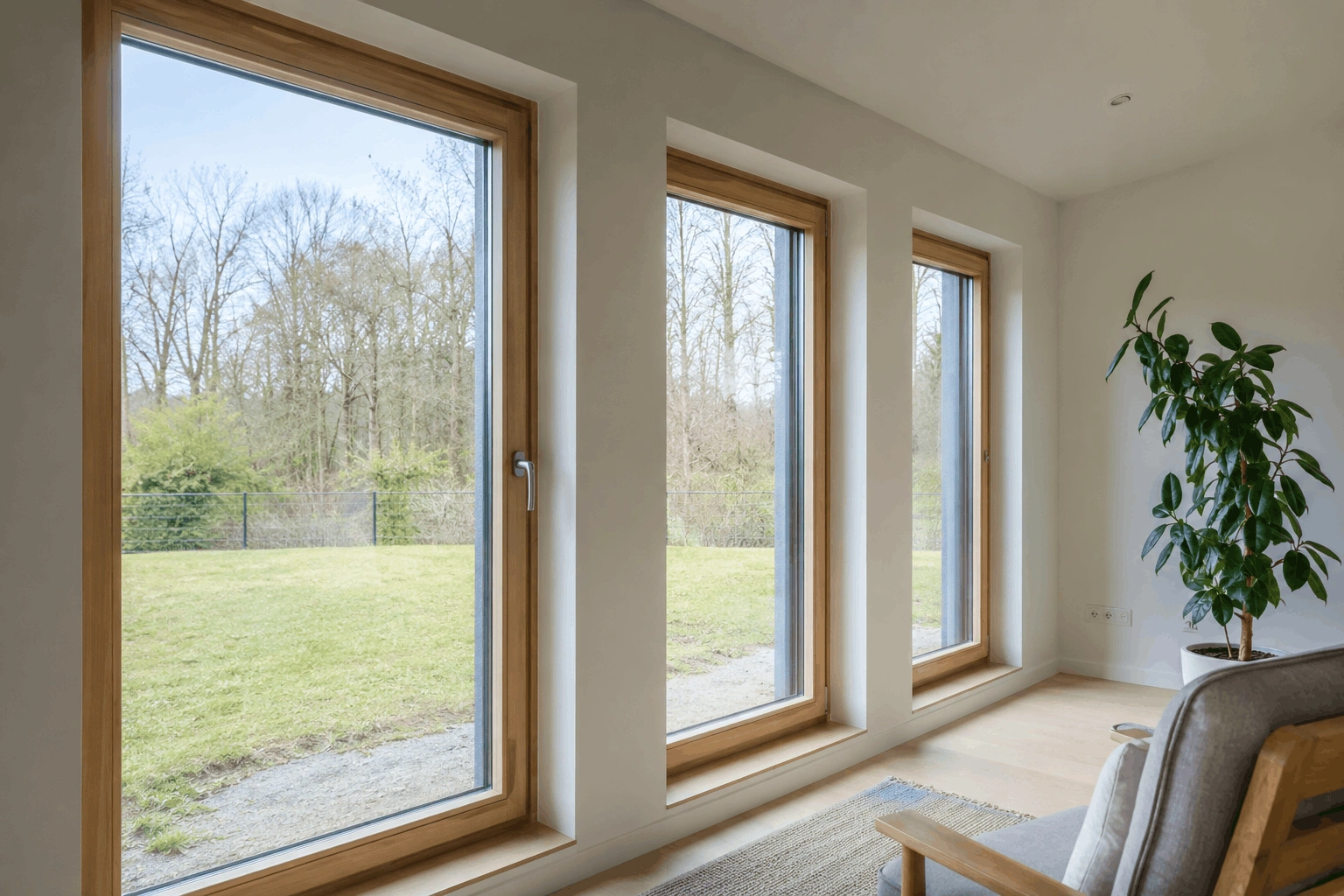
- High-performance windows: Double or triple glazing limits unwanted heat loss or gain.
- Ventilation with heat recovery: Mechanical ventilation systems supply fresh air without wasting energy, improving indoor air quality.
- Thermal bridge-free construction: Reducing points where heat can escape ensures consistent indoor temperatures.
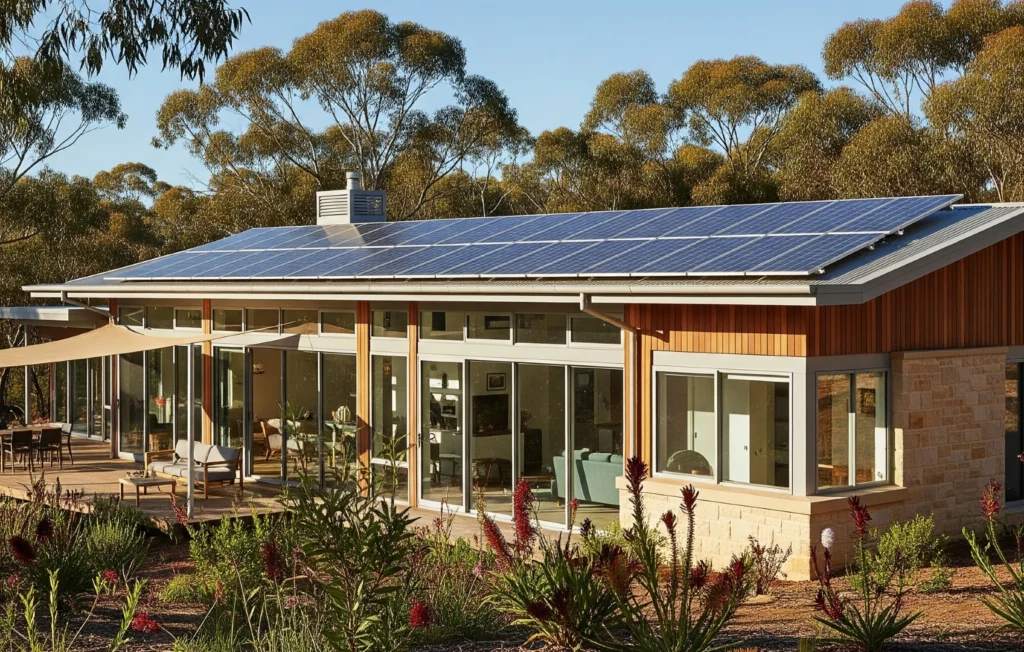
- Integration with renewable energy: Solar panels, battery storage and energy-efficient appliances complement passive design to achieve net-zero performance.
By combining these features, a passive home builder can create a home that requires very little energy to operate.
And then, when paired with solar energy generation, the home can offset its remaining energy use, achieving true net-zero living. This approach also allows for smaller, more cost-effective renewable systems than a standard home because the energy demand has already been reduced through the building fabric.
The benefits of a passive house for net-zero living
Building a passive design house with net-zero ambitions can involve higher upfront costs due to high-performance insulation, airtight construction, quality windows and mechanical ventilation systems. Adding renewable energy systems to achieve net-zero increases the investment further.
However, combining passive house design with renewable energy delivers long-term value:
- Lower energy bills: Minimising energy demand and generating your own power reduces electricity and gas costs.
- Comfort and health: Stable indoor temperatures and improved air quality create a more comfortable, healthier home.
- Environmental impact: Less reliance on grid electricity lowers your carbon footprint.
- Future-proofing: Homes built to passive standards are better prepared for rising energy prices and stricter NATHERS regulations, and may increase property value.
- Smaller renewable systems needed: Passive design reduces energy demand, meaning fewer solar panels and batteries are required to reach net-zero.
While the initial investment may be higher, combining passive house design with renewable energy makes achieving net-zero living efficient, cost-effective and sustainable over the long term.
How to achieve net-zero living with a passive house
Now that you know the reasons why you should consider passive house design in Australia to achieve net zero living, it’s important that you know how to do it.
Building a passive design house with net-zero goals requires careful planning and investment. Following these strategies helps ensure your home reaches net-zero efficiently:
1. Work with an experienced passive house builder
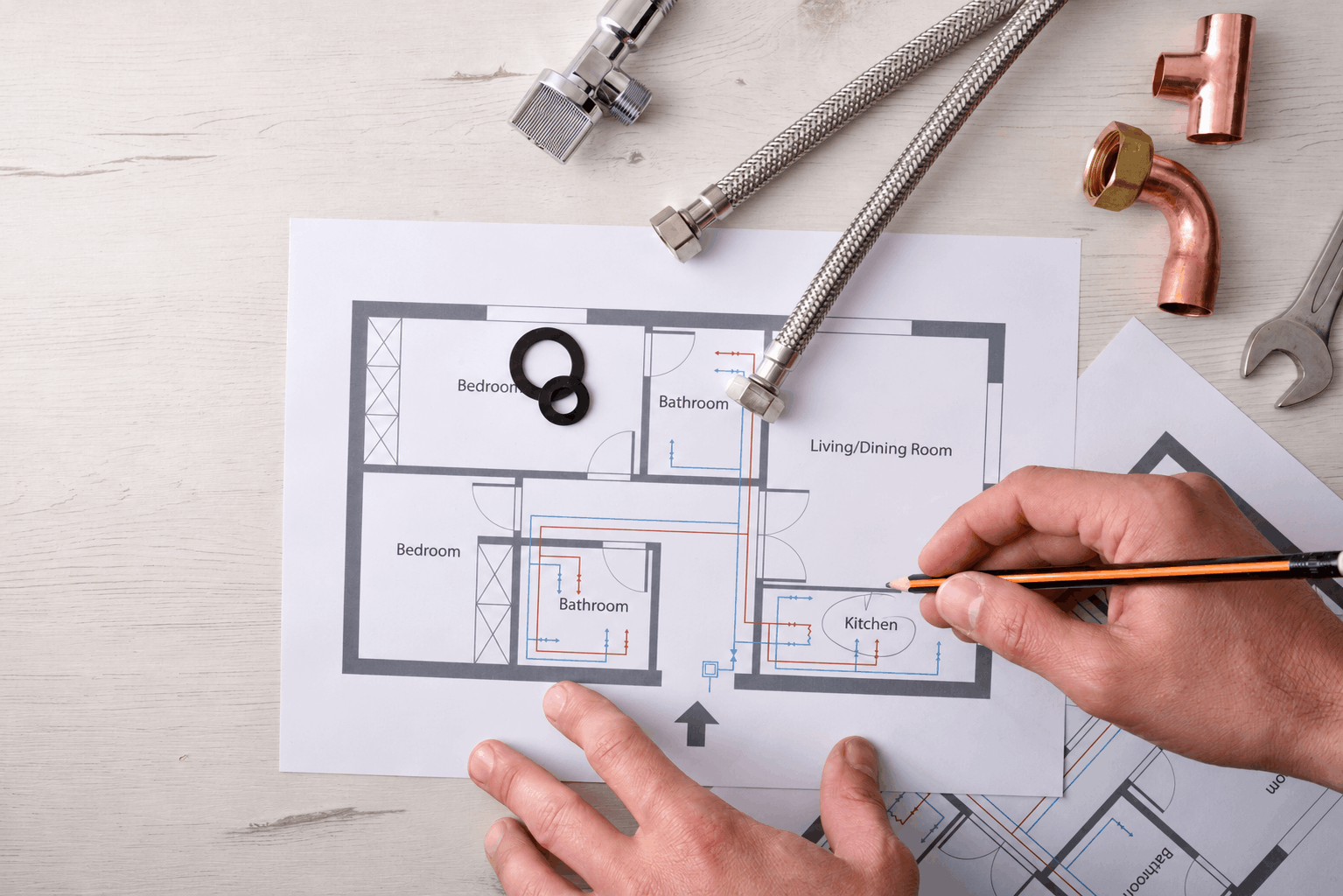
Choose certified passive house builders in Australia who understand local climates, energy standards and building techniques. Their expertise ensures your passive house design will reduce energy demand as much as possible.
2. Improve your passive house design
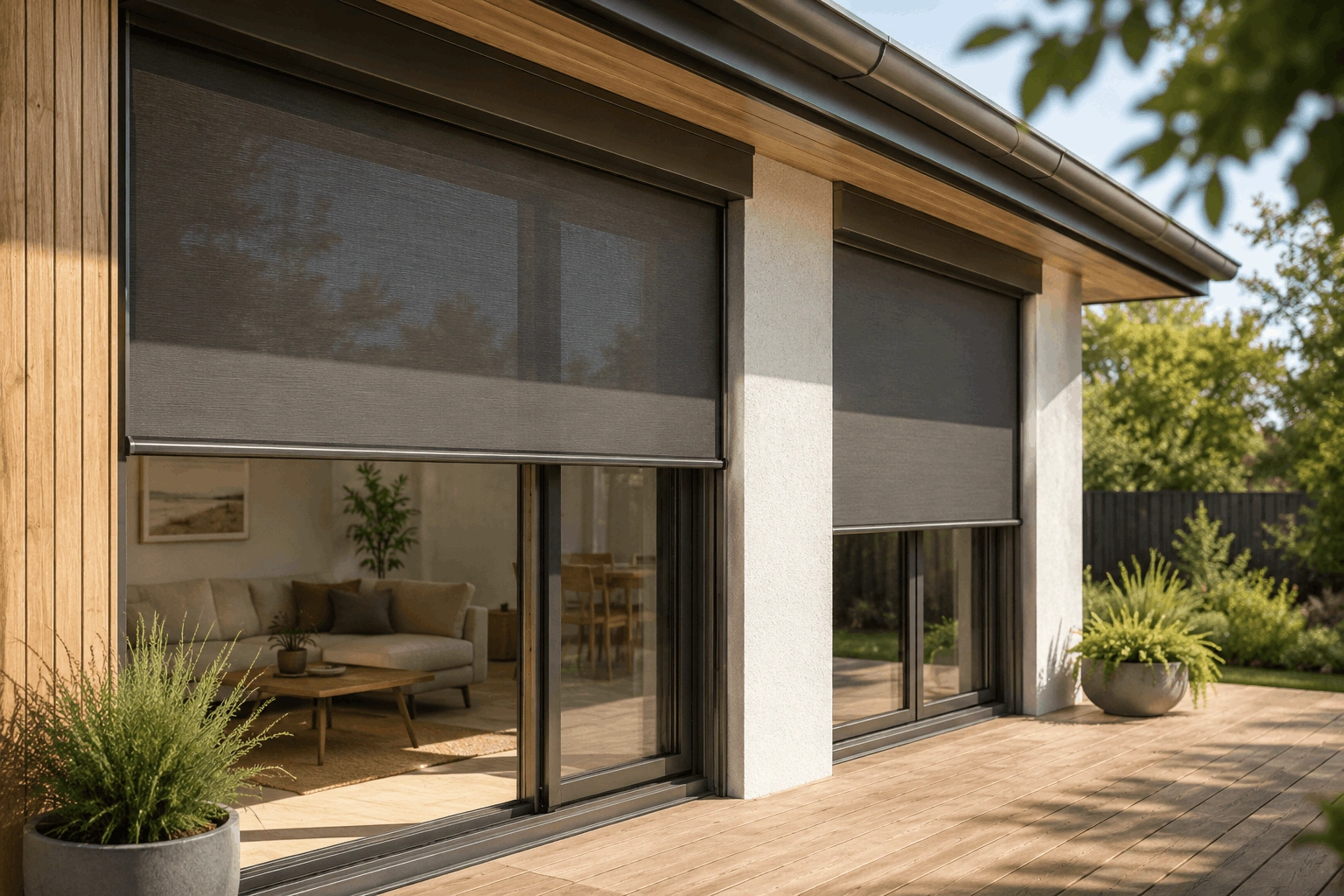
Focus on orientation, window placement and shading to maximise solar gain in winter and minimise heat in summer. Integrating high-performance materials, airtight construction and thermal bridge-free techniques will further reduce energy needs.
3. Integrate renewable energy systems
Once energy demand is minimised, install solar panels, battery storage and energy-efficient appliances to offset the remaining energy use. Because the home already requires minimal energy, smaller and more cost-effective systems can achieve net-zero.
4. Monitor performance and adjust
After construction, measure energy use and fine-tune systems like ventilation or shading as needed. This ensures the home continues to perform efficiently and meets net-zero goals.